




Traditional Marine Landscape Artwork
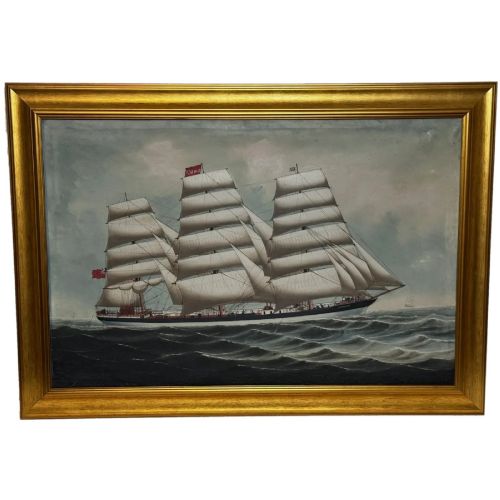
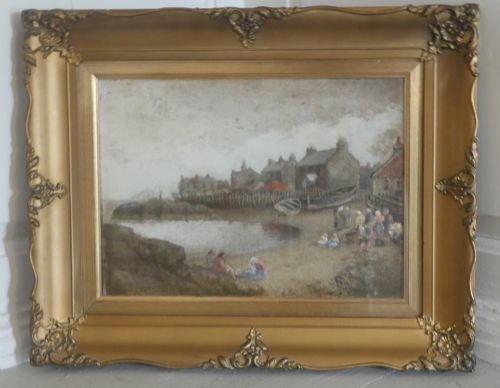
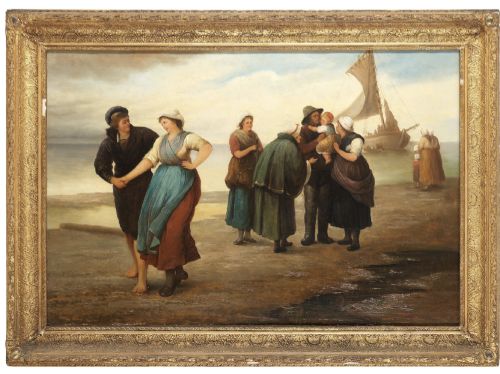
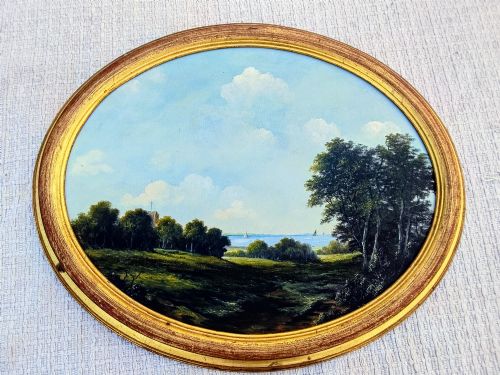
Traditional marine landscape artwork captures coastal harbours, rolling waves and maritime scenes through the hands of painters working across the nineteenth and twentieth centuries.
Traditional Marine Landscape Artwork
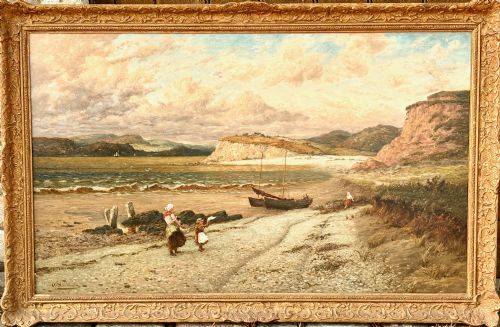
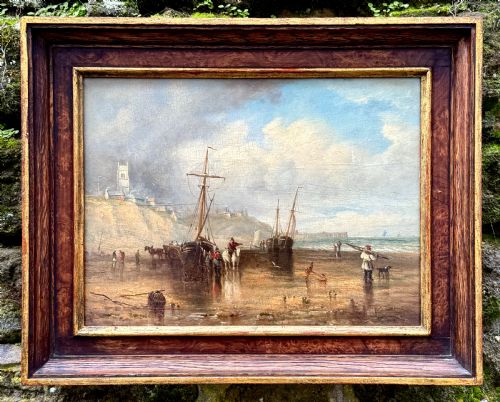
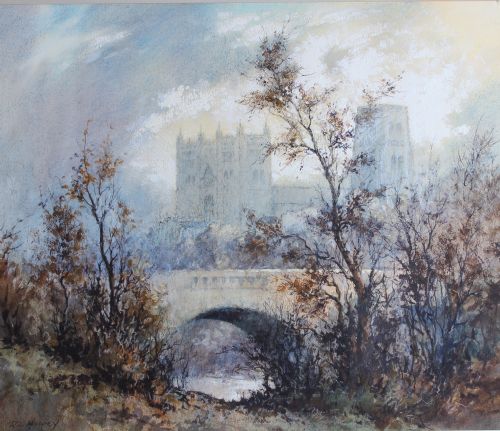
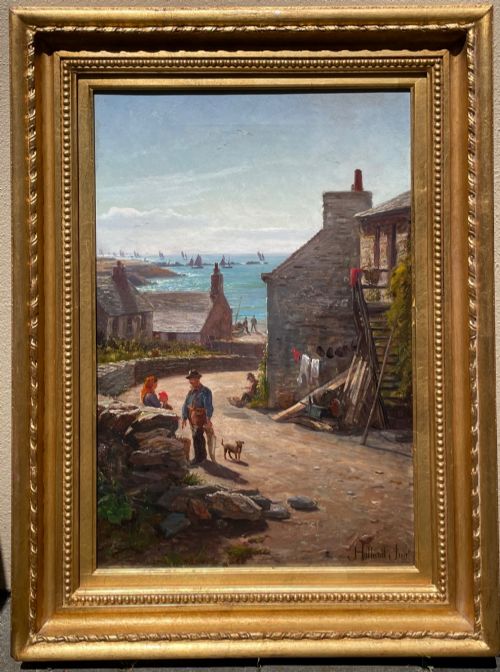
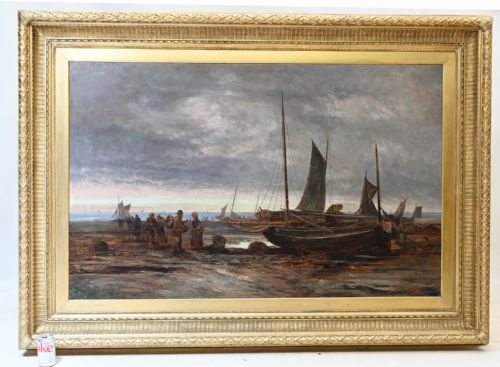
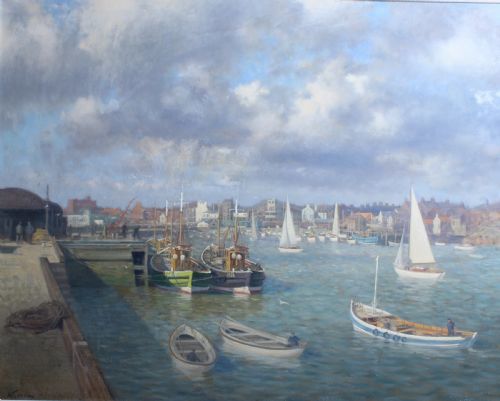
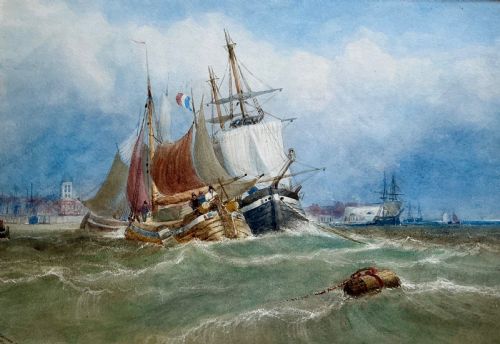
Buyers seeking traditional marine landscape artwork encounter oil paintings and watercolours depicting coastal views, harbour scenes, and shipping on choppy seas. These works record maritime activity, fishing boats, and coastal towns from various British and European locations.
The pieces on this page span the nineteenth century up to the mid-twentieth century, encompassing Victorian and Edwardian periods as well as later decades. Common subjects range from Cornish harbours and Isle of Man coastlines to Dutch waterways and Venetian lagoons.
Most examples take the form of framed paintings on canvas, board, or paper, often retaining their period frames of giltwood or wood. Works appear both signed by listed artists and attributed to specific schools or makers from the period.
What separates works within this range
The standard of a painting rests upon the confidence of brushwork in handling difficult subjects such as breaking waves, rigging, and architectural details of harbour buildings. Strong compositions demonstrate a clear understanding of perspective and maritime atmosphere, distinguishing accomplished hands from routine topographical records.
Condition and originality also influence the standing of a piece, including the preservation of the original pigment layer and the integrity of the period frame. Works bearing clear signatures and documented attributions to recognised painters carry greater weight than unsigned or generic school pieces.
A seaweed cart hauling salt spray across the page reminds us that marine art smells faintly of old varnish and dried brine.
Reginald Arthur Borstel·Edward Mills·William Banks Fortescue·Thomas Creswick·Robert Leslie Howey·John Holland·Walter Goodin·Henry Barlow Carter·William Edward Webb·Thomas Bush Hardy·Stanley Leader·John McDougal·Hendrik Willebrord Jansen·George Hamilton Constantine·John Bell·William Pitt·James Webb·Antoine Bouvard Senior·Jane Vivian·Alfred Henry Vickers·Thomas Rose Miles·Ebeneezer Colls·Owen Bowen·Edward Henry Holder·Denys Garle
The Traditional Marine Landscape Artwork Glossary
- Seascape
- A work of art depicting the sea, coastal views, or marine subjects. These compositions frequently focus on shipping, shorelines, and tidal waters.
- Giltwood
- Wood carved and covered with a thin layer of gold leaf or gilt finish. This material appears commonly on period frames housing nineteenth-century paintings.
- Watercolour
- A painting method where water-soluble pigments are applied to paper. This medium was widely utilised by marine artists for coastal studies and finished views.
- Provenance
- The documented history of ownership or attribution associated with an artwork. In marine paintings, this helps confirm the maker and date.
- Attributed to
- A term used when a work is ascribed to a specific artist based on style and evidence, without definitive signature proof.
Traditional Marine Landscape Artwork: Frequently Asked Questions
What periods do these marine paintings date from?
The listings span the nineteenth century through the Victorian era up to the mid-twentieth century, including works dated around nineteen hundred and the nineteen fifties.
Most pieces originate from the Victorian period and the early decades of the twentieth century, reflecting established British and European painting traditions.
Are these paintings executed in oil or watercolour?
The selection includes both oil paintings on canvas or wood board and watercolour paintings on paper.
Oils provide textured depictions of choppy seas and coastal light, whilst watercolours offer detailed studies of harbours and shipping.
How do I identify the subject location of a painting?
Many titles and works record specific coastal locations, such as Cornish harbours, Scarborough, or continental scenes like Rotterdam and Venice.
Signatures, inscriptions on the reverse, and stylistic clues often point towards the exact geographic setting depicted by the artist.
Do these artworks retain their original frames?
Several pieces are mounted in period frames made of giltwood, wood, or hand-enamelled polychrome designs that match the age of the canvas.
Framing varies from simple wooden surrounds to ornate gilt mouldings appropriate to Victorian and Edwardian taste.