



Traditional Marine Art
Traditional marine art captures the enduring power of the sea, recording historical naval vessels, bustling coastal harbours and dramatic maritime weather.
Traditional Marine Art
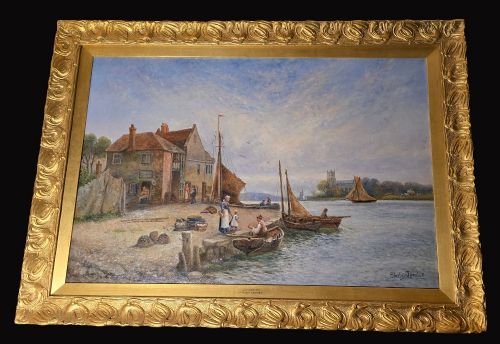
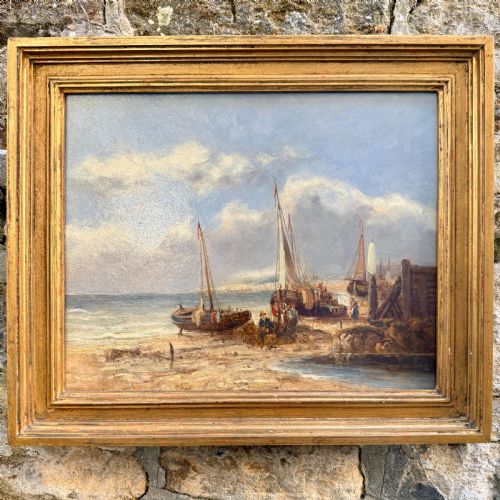
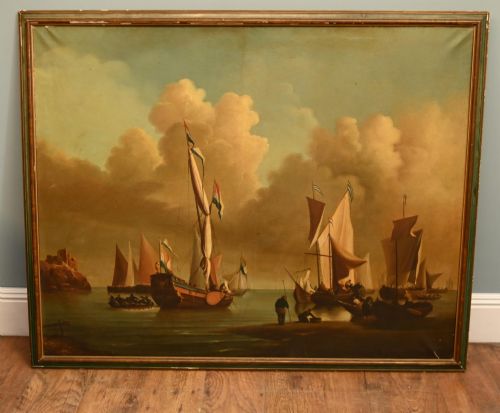
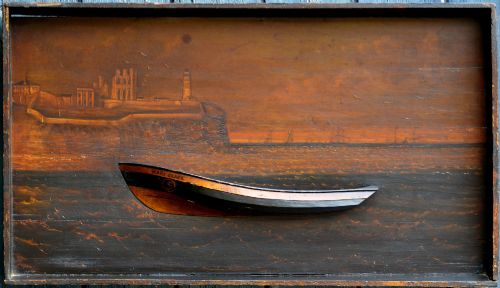
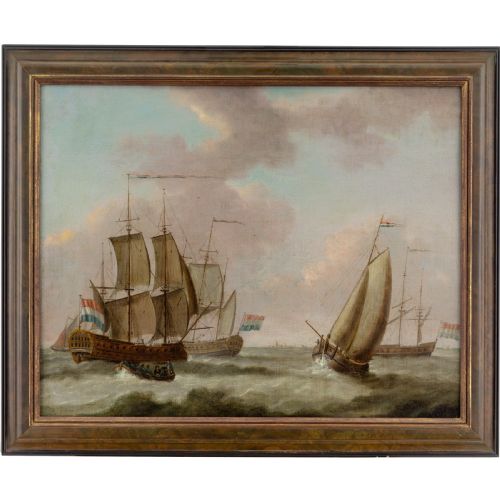
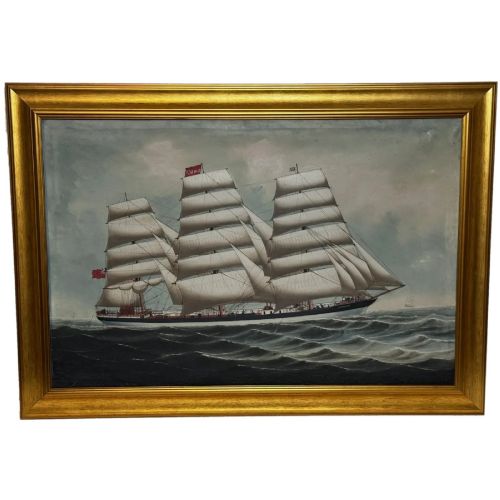
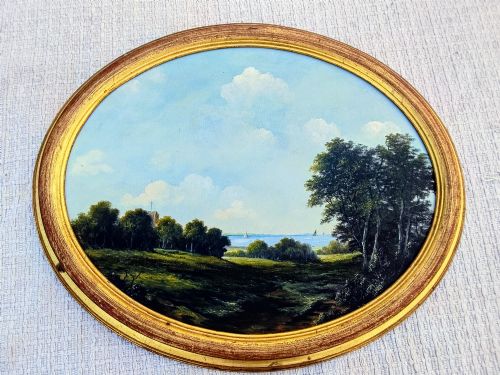
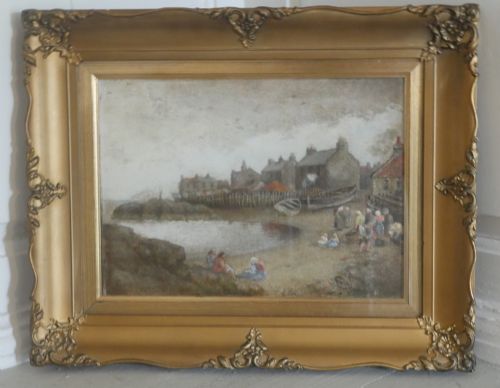
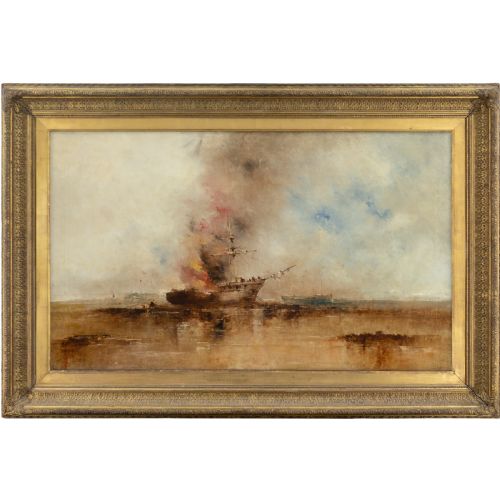
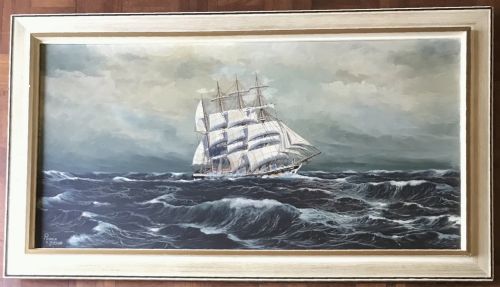
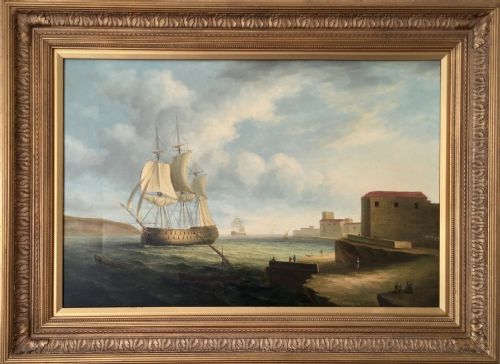
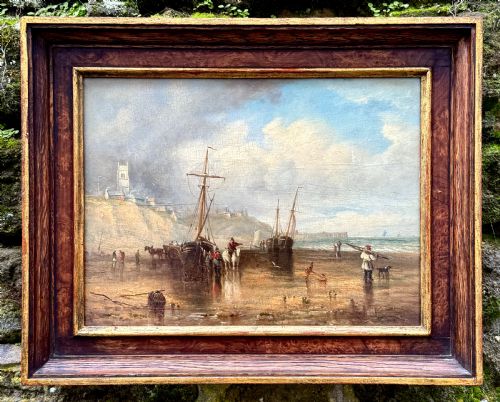
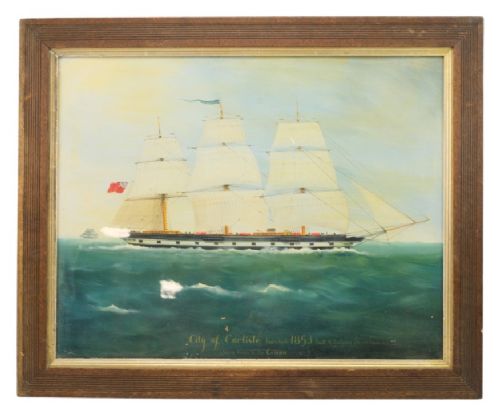
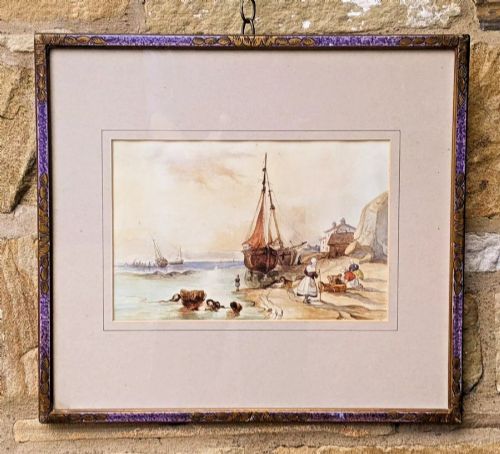
Traditional marine art encompasses oil paintings and watercolours depicting coastal scenes, naval battles and working fishing harbours. When you explore this genre, you encounter depictions ranging from serene nineteenth-century Cornish coves to dramatic storm-tossed seascapes.
The pieces most frequently met on this page date from the Victorian and Edwardian eras, executed by British and European painters. Works span from intimate watercolour sketches of local fishing boats to large framed canvases celebrating historic ships and ports.
Oils, watercolours and traditional panel construction
Artists relied primarily on oil paint applied to stretched canvas or wooden panels, utilising the rich texture of the medium to render the shifting movement of water and clouds. Alternatively, transparent watercolours on paper allowed painters to capture the bright, luminous atmosphere of coastal light.
Finished works were typically housed in heavy giltwood or gilded wood frames that complemented the maritime subject matter. These traditional framing methods protect the edges of the canvas and paper while providing a formal boundary for the composition.
Traditional Marine Art Retail Price Guide 2026
Typical asking prices for traditional marine art among the pieces listed under this phrase on Sellingantiques today, from the lower quarter to the upper quarter. They describe what is for sale here now, not the wider market.
Several artists clearly spent hours watching fishing trawlers bob about in the chop before putting brush to canvas.
Brushwork fluidity and compositional depth
Quality in these maritime works rests on the artist's ability to render the weight of water and the structural rigging of ships with conviction. Finer examples display confident, varied brushstrokes that convey motion and atmosphere, whereas weaker pieces rely on stiff, repetitive lines.
The handling of natural light and maritime perspective dictates the success of a composition. Superior works integrate figures, vessels and coastal architecture harmoniously into the wider seascape, maintaining scale and depth across the canvas.
James Hardy·William McAlpine·Reginald Arthur Borstel·Edward Mills·William Banks Fortescue·Thomas Creswick·Robert Leslie Howey·John Holland·Walter Goodin·Henry Barlow Carter·William Edward Webb·James Kyd·Thomas Bush Hardy·Stanley Leader·George Shaw·John McDougal·James Webb·George Hamilton Constantine·John Bell·William Pitt·Dion Pears·Marc Aldine·Antoine Bouvard Senior·Ernest F Hill
The Traditional Marine Art Glossary
- Seascape
- A painting depicting the sea, differing from a landscape by its primary focus on open water or coastal shores. These works often incorporate vessels or dramatic weather conditions.
- Giltwood
- Wood that has been treated with a thin layer of gold leaf or gilt paint. This traditional frame material adds warmth and reflects light around the artwork.
- Panel
- A rigid wooden support used by artists instead of stretched canvas. Panels provide a firm, stable surface for detailed oil painting.
- Provenance
- The documented history of a painting's ownership and origin. Clear provenance helps verify the attribution of nineteenth-century maritime works.
Traditional Marine Art: Frequently Asked Questions
What periods do these paintings date from?
The collection spans the eighteenth, nineteenth and twentieth centuries, with a strong concentration of Victorian and Edwardian pieces.
Works from this era reflect the height of maritime trade, naval expansion and the burgeoning popularity of coastal holidays.
How were nineteenth century watercolours protected?
Watercolour paintings from the nineteenth century were traditionally mounted behind glass within a paper mat and a wooden frame.
This method shielded the delicate pigments on paper from dust, moisture and direct handling.
What subjects appear most frequently?
Common subjects include busy fishing harbours, sailing vessels navigating choppy seas, and detailed portraits of named warships.
Artists frequently documented specific British and European coastal locations, recording local maritime industries and topography.
How do I care for an antique oil painting?
Antique oil paintings require stable room temperatures away from direct sunlight and excessive humidity.
Dust should be removed gently from the canvas and frame using a soft, dry brush without applying pressure.