



Traditional Male Portrait Canvas
Traditional male portrait canvas works capture the presence of earlier figures through enduring oil paint and woven supports.
Traditional Male Portrait Canvas
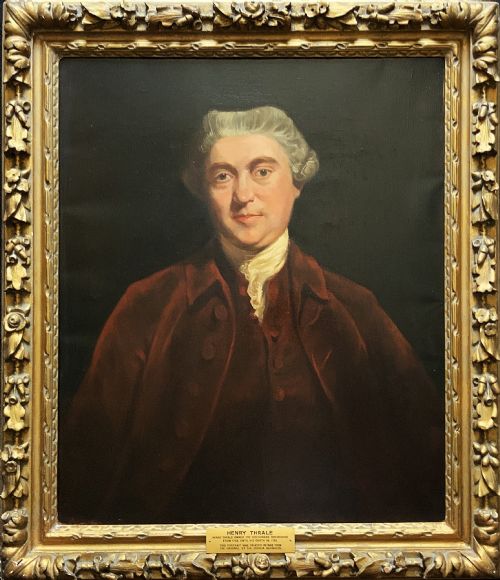
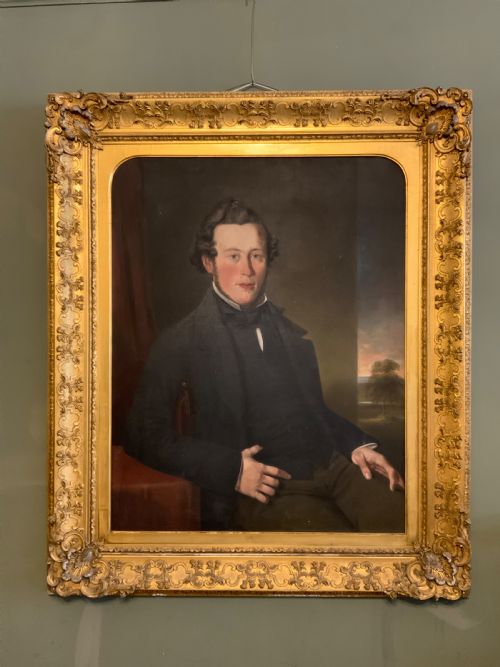
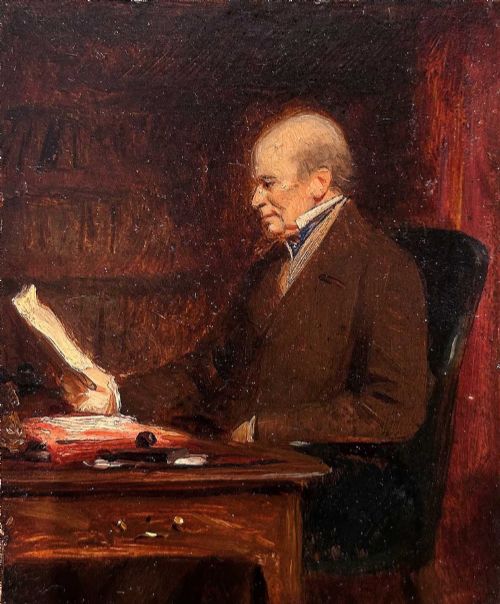
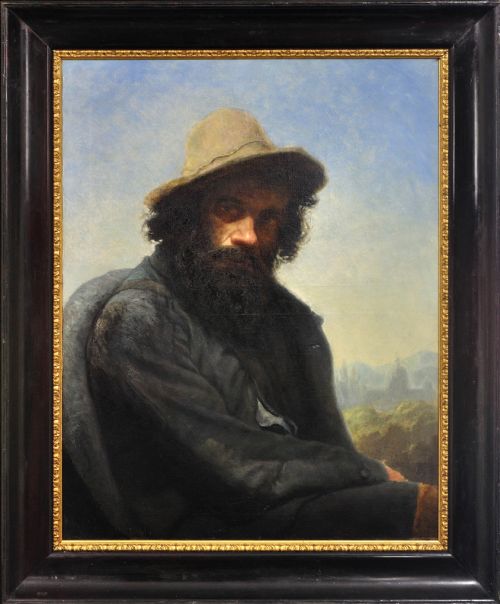
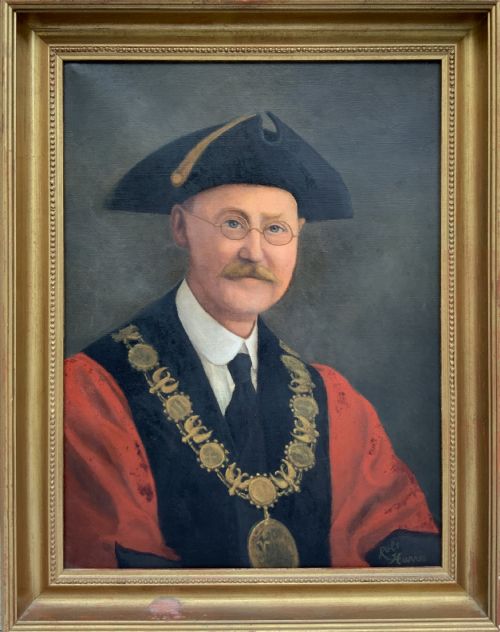
A traditional male portrait canvas depicts figures ranging from seated gentlemen and medical doctors to mayors, physicians, and aristocrats. These pieces emerge across the seventeenth, eighteenth, nineteenth, and early twentieth centuries, reflecting changing fashions in dress and social standing. Regency, Victorian, and Edwardian examples appear frequently, often presenting sitters in formal coats, clerical dress, or black tie.
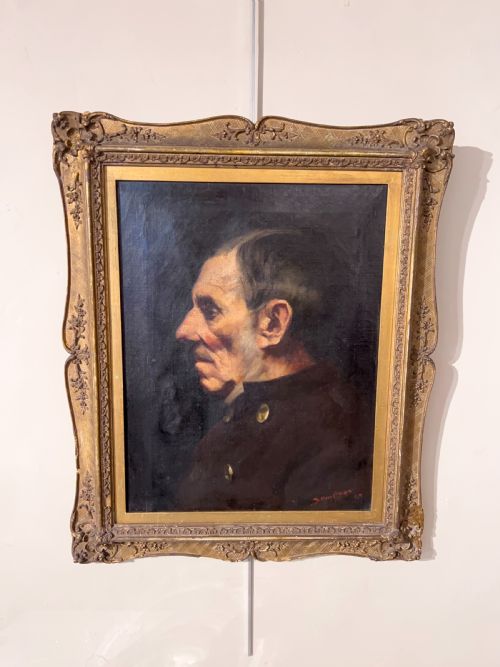
The format centres on oil paint applied to woven canvas, sometimes housed within giltwood or gold leaf frames. Portraitists record the likeness and character of mathematicians, tycoons, and military officers with varying degrees of formality. Viewers encounter both named sitters with documented biographies and anonymous gentlemen preserved from past eras.
Materials and technique
Makers build these works using oil paint applied directly onto stretched canvas supported by wooden frames. Painters layer pigments to create depth in clothing, skin tones, and background shadows, allowing oils to blend slowly over days or weeks.
Finished surfaces frequently find housing in decorative frames fashioned from wood and finished with gold leaf or giltwood. The combination of durable canvas and stable oil binders ensures these portraits survive across centuries without losing their structural integrity.
Several gentlemen stare outward wearing heavy black ties, clerical robes, or spectacles that survived centuries of shifting fashions.
Composition and touch
Quality rests in the handling of light across the sitter's face and hands, separating routine studio output from works by accomplished painters. Skilled hands render textile textures, facial expressions, and psychological depth with precision, while lesser examples rely on stiff repetition and flat shadows.
The integration of the figure with the surrounding dark background determines the visual success of the piece. Superior canvases demonstrate confident brushwork that defines bone structure and character rather than depending on heavy varnish layers to create superficial drama.
Sir Joshua Reynolds·Stephen Pearce·Albin Mattenheimer·John Hamilton Mortimer·Michael Dahl·George Hayter·Arthur Spooner·John Phillip·Rudolph Lehmann·Eden Upton Eddis
The Traditional Male Portrait Canvas Glossary
- Canvas
- A woven fabric stretched across a wooden frame to serve as the primary support for oil paint. This textile base provides flexibility and durability for large painted compositions.
- Giltwood
- Wood carved and coated with a thin layer of gold leaf or metallic powder to create an ornamental frame. Such surrounds protect the edges of the canvas and complement the tones within the portrait.
- Oil paint
- A slow-drying medium consisting of pigments suspended in a drying oil such as linseed. This substance allows artists to blend colours smoothly and build luminous translucent layers.
- Regency
- A style period spanning the early nineteenth century defined by neoclassical elegance in portraiture and furnishings. Works from this era often show sitters in restrained attire against dark, atmospheric grounds.
- Victorian
- A period spanning the reign of Queen Victoria characterised by diverse artistic approaches to realism and portraiture. Paintings from these decades frequently highlight the status and professional identity of the sitter.
Traditional Male Portrait Canvas: Frequently Asked Questions
How do I identify the period of a portrait?
Examine the clothing, hairstyle, and framing style of the sitter to establish a baseline era. Cravats, frock coats, neckties, and clerical collars shift noticeably across the seventeenth, eighteenth, nineteenth, and early twentieth centuries.
Inspect the back of the canvas or stretcher bars for old inscriptions, signatures, or framer stamps. These hidden notes frequently provide dates, sitter names, or the studio locations where the work originated.
Where should I hang an oil portrait?
Position these works away from direct sunlight and steady moisture sources to protect the canvas and oil pigments from fading or cracking. Stable indoor wall locations preserve both the fabric support and the giltwood frame.
Allow enough surrounding wall space for the scale of a large gentleman's portrait to register properly. Pairing the piece with traditional wall colours enhances the atmospheric depth of dark backgrounds common in these works.
What is the difference between a named sitter and an anonymous portrait?
A named sitter carries a documented identity supported by inscriptions on the canvas, archival records, or exhibition catalogues. These figures often hold specific historical, professional, or social significance.
Anonymous portraits represent gentlemen whose names were lost over time, shifting the focus entirely to the artistic skill of the painter and the universal character of the subject.
How do I care for antique canvas paintings?
Dust the surface and the surrounding frame gently using a soft, dry brush without applying pressure to the taut canvas. Avoid chemical cleaners or moisture on the painted area to prevent damage to the oil layer.
Consult a professional conservator if the canvas sags or if the varnish yellows significantly over decades. Specialist intervention ensures structural repairs do not compromise the original brushwork.