
Traditional Mahogany Writing Desk
A traditional mahogany writing desk offers a sturdy surface for correspondence, spanning styles from Georgian to Edwardian.
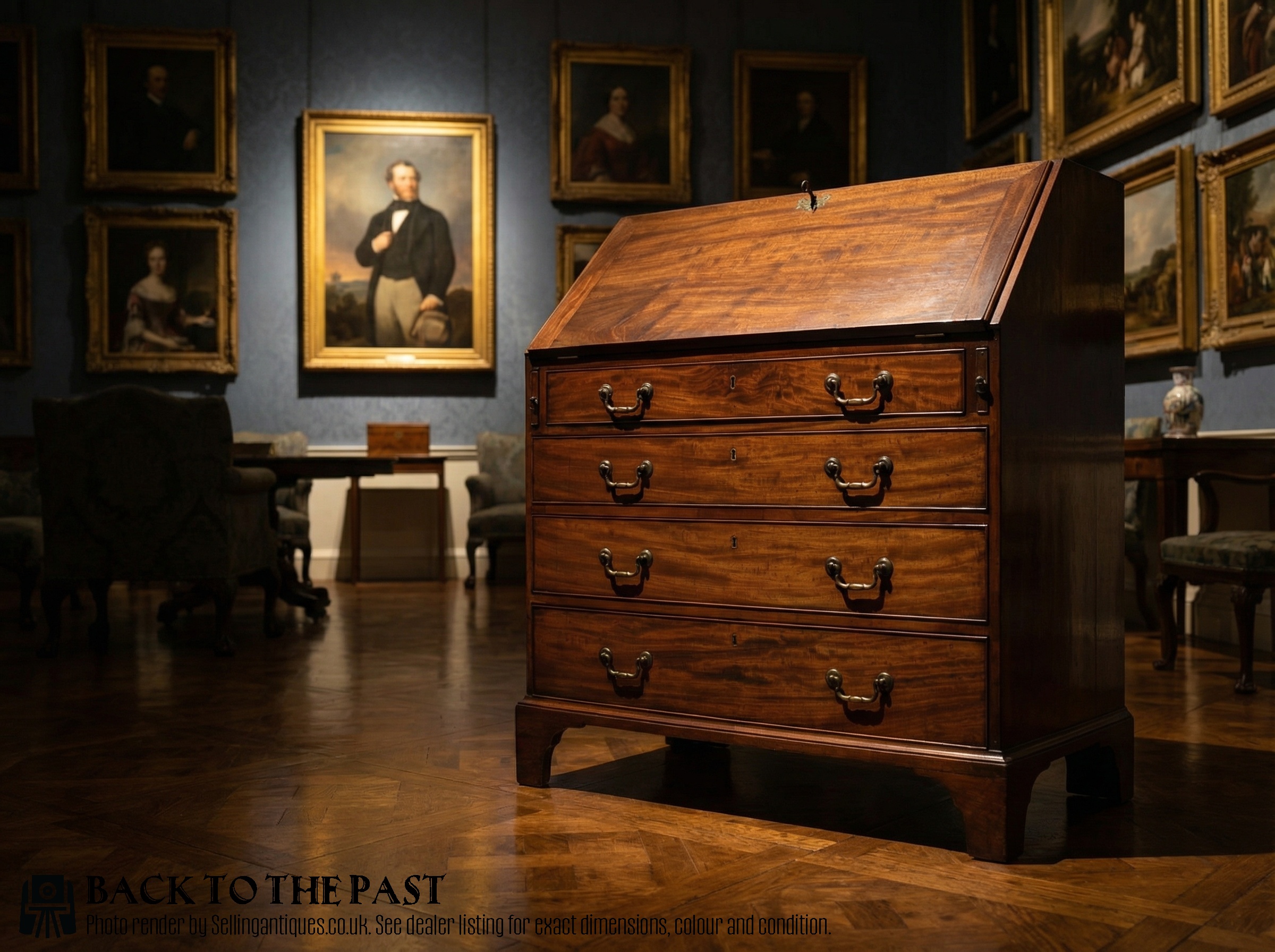
Traditional Mahogany Writing Desk
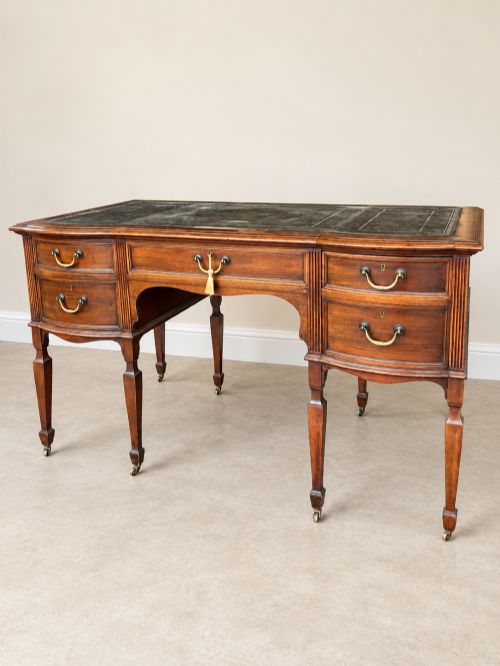
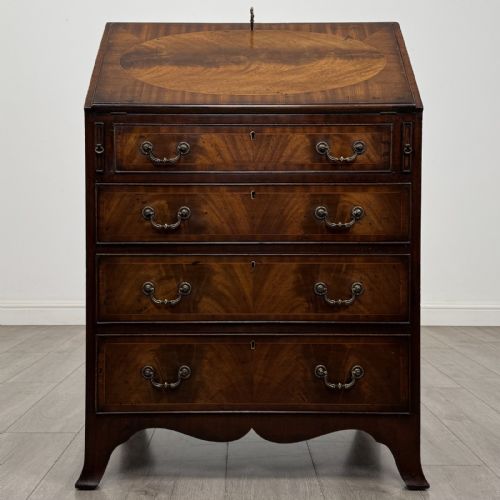
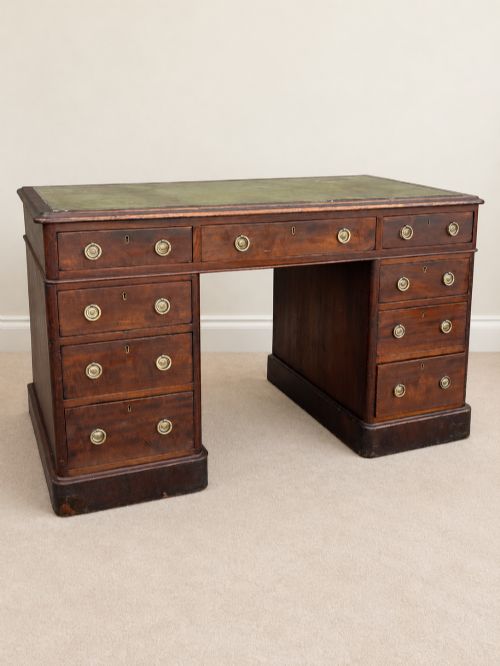
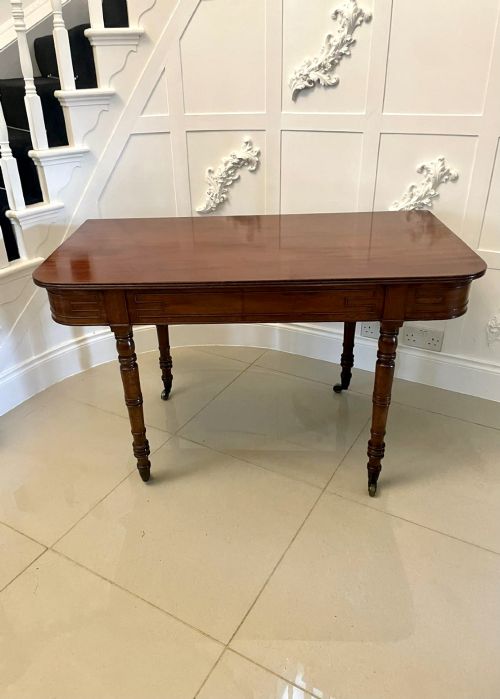
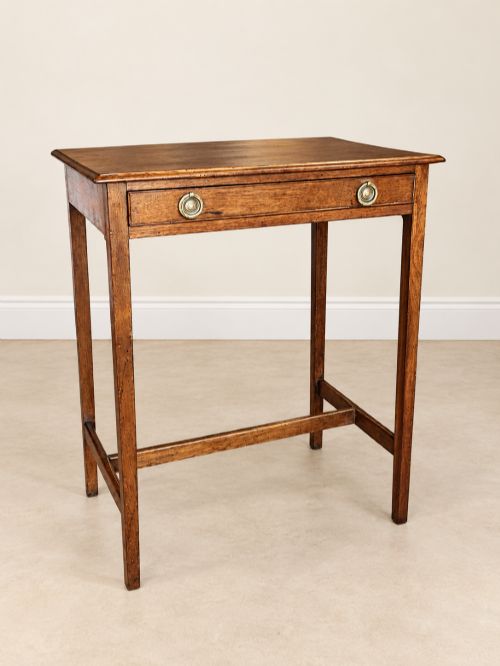
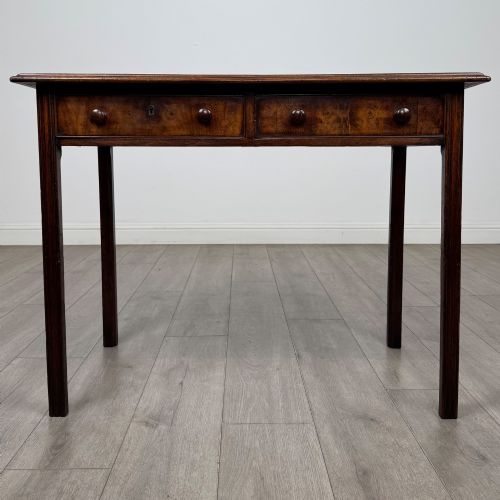
A traditional mahogany writing desk serves as a dedicated workspace for letters and daily administration, taking forms such as pedestal desks, writing tables, partner desks, and bureaux. These pieces date across several periods, including the eighteenth century, the Victorian era, and the Edwardian period.
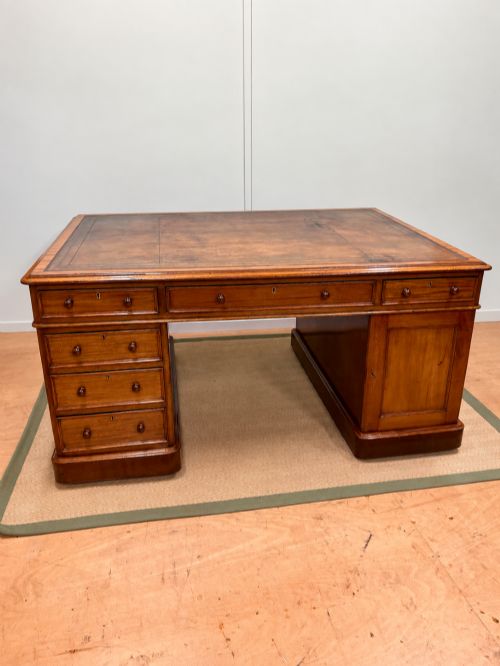
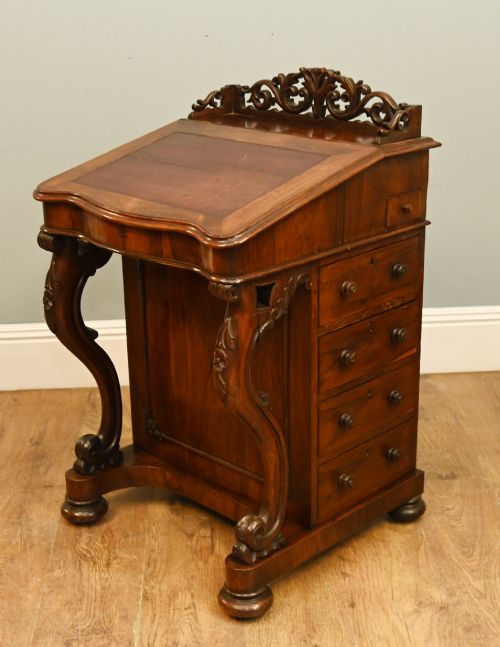
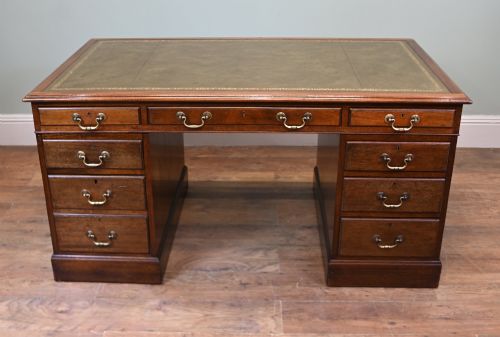
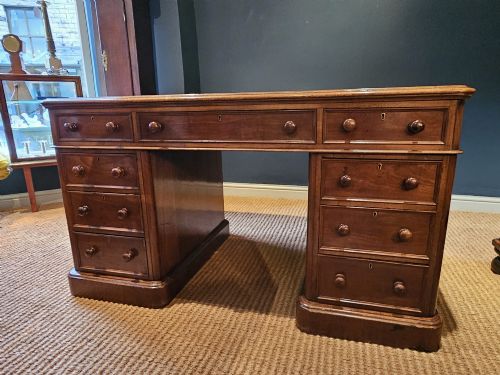
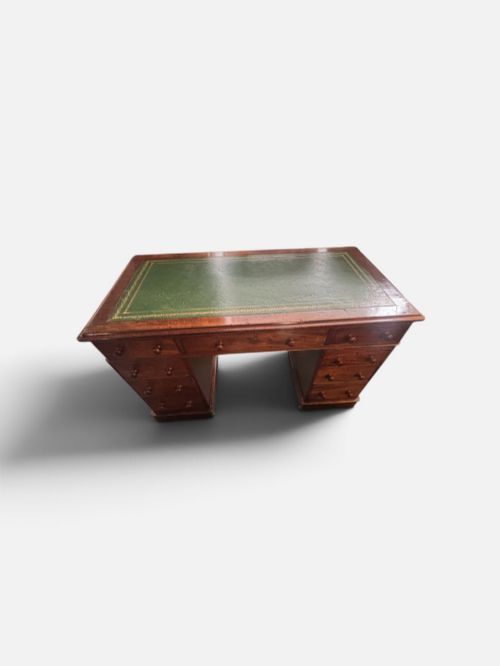
The most common examples encountered on this page are Victorian pedestal desks and nineteenth-century writing tables, alongside larger partner desks and compact bureaux. They provide practical storage through fitted drawers and writing slides while anchoring the study or library with traditional timber.
How they were made
Makers constructed these desks primarily using solid mahogany and mahogany veneers over secondary timbers such as oak, often incorporating brass hardware for handles, key escutcheons, and castors.
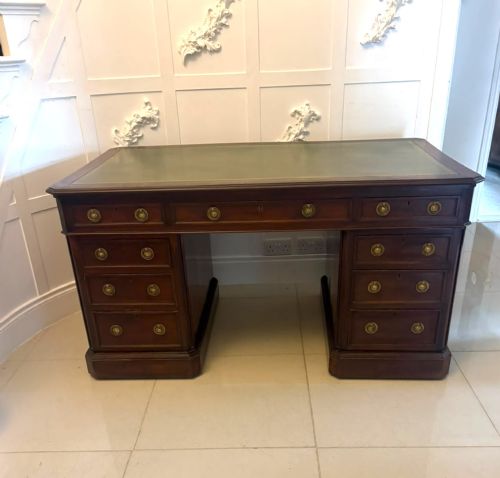
Writing surfaces frequently feature inset panels of leather, while finer examples display decorative wood inlay or tambour sections, demonstrating traditional cabinetmaking techniques suited to heavy daily use.
Materials recorded across the inventory include solid mahogany, oak, brass, leather, and wood inlay.
What varies in quality
Quality rests on the selection of timber grain, the precision of the joinery in the drawer construction, and the integrity of secondary woods. Superior examples maintain original handles, fitted stationery interiors, and well-preserved leather writing surfaces.
Design execution distinguishes standard utilitarian models from finer workshop productions, visible in proportion, carving detail, and the retention of original finish rather than later alterations.
Trollope & sons·Gillows
The Traditional Mahogany Writing Desk Glossary
- Pedestal desk
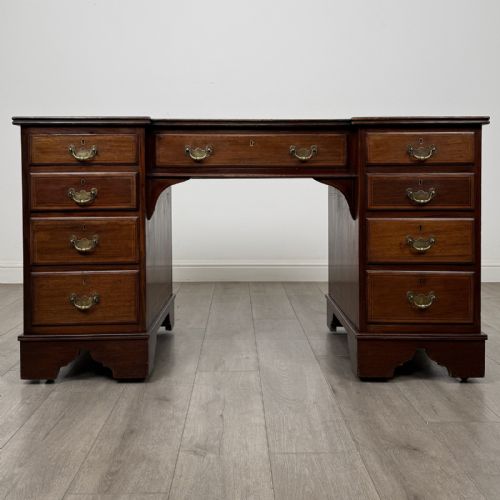
- A form comprising two banks of drawers supporting a single desktop, allowing a kneehole space in the centre.
- Partners desk
- A large double-sided desk designed for two people to work opposite each other, featuring drawers on both flanks.
- Bureau
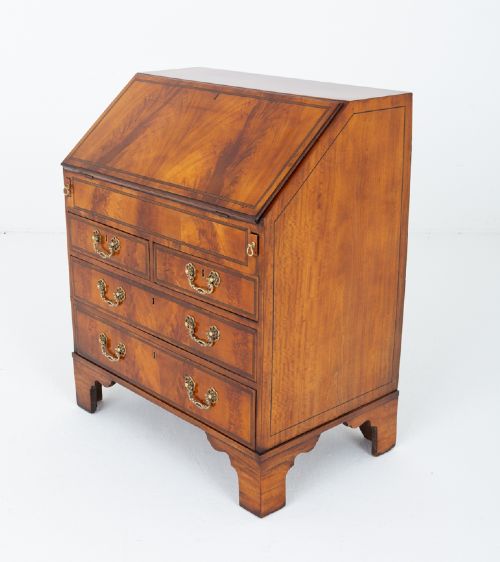
- A sloping writing flap that drops down to reveal fitted internal pigeonholes and small drawers above a chest of drawers.
- Tambour
- A flexible sliding shutter formed of narrow strips of wood glued to canvas, used to enclose the upper writing compartment.
- Kneehole desk
- A compact writing desk with a central recess for the legs, flanked by single or multiple stacks of drawers.
Traditional Mahogany Writing Desk: Frequently Asked Questions
What is a partners desk?
A partners desk is built with drawers and cupboards on both sides, allowing two people to sit and work opposite one another.
These large tables were traditionally used in libraries and studies by business partners or colleagues.
How do I identify a Victorian desk?
Victorian desks are typically dated between eighteen thirty-seven and nineteen oh one, showing heavier proportions and robust timber construction.
They frequently appear as pedestal desks or writing tables with mahogany frames and inset leather tops.
What is a bureau bookcase?
A bureau bookcase combines a sloping drop-front writing desk at the bottom with enclosed shelving above for books.
This form provides both administrative space and library storage within a single tall cabinet.
Where should I place a freestanding desk?
A freestanding desk is finished on all four sides, including the back, allowing it to sit in the middle of a room rather than against a wall.
This makes it ideal for central placement in a study or home office.