




Traditional Mahogany Vanity Mirror
A traditional mahogany vanity mirror brings warm timber and clear reflection to a dresser, offering a steady glass for daily grooming.
Traditional Mahogany Vanity Mirror
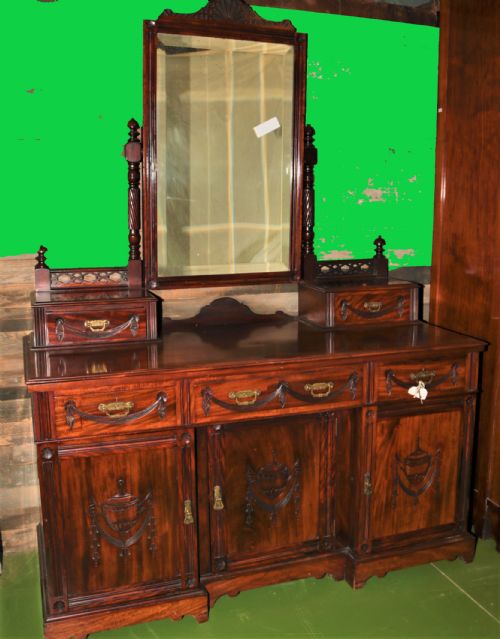
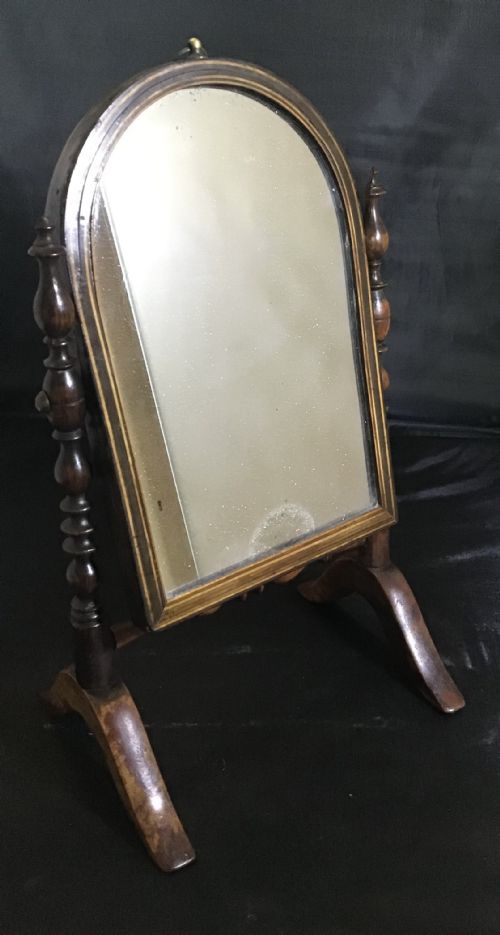
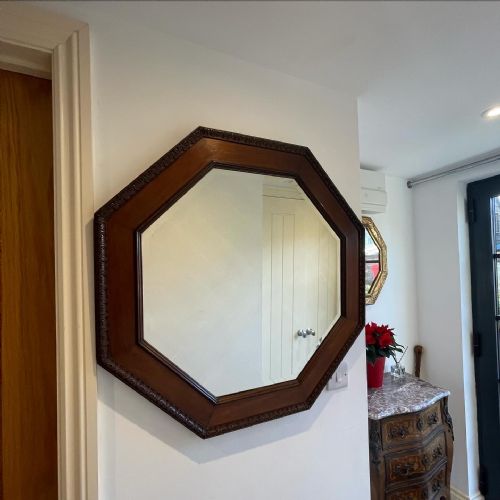
Most examples found on this page date from the Georgian, Regency, and Victorian eras, alongside later Edwardian interpretations. The form typically pairs a pivoting rectangular, oval, or octagonal glass with a sturdy wooden frame and supporting horns.
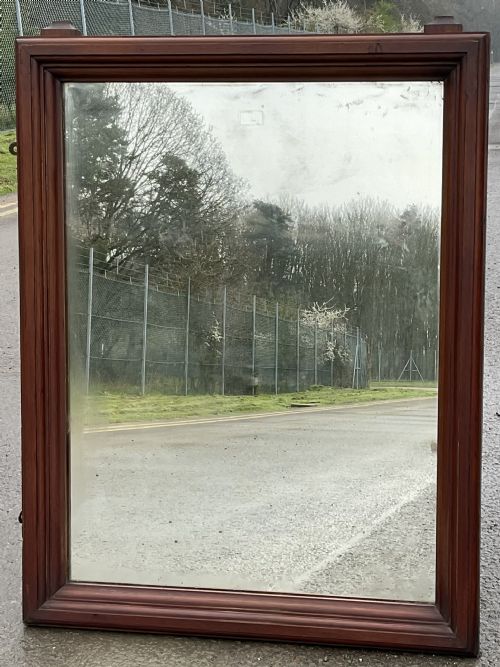
While many listings feature dedicated dressing mirrors designed to sit on furniture, related forms include wall mirrors and complete pedestal dressing tables. The traditional mahogany vanity mirror remains a practical accessory that anchors a bedroom surface with period character.
How they were made
Cabinetmakers constructed the frames and stands using solid mahogany, occasionally incorporating contrasting stringing or veneers of satinwood and walnut. Brass hardware, including adjustment screws, hinges, and small bracket feet, provides both structural support and functional movement.
The glass plate sits within a rebated wooden frame, held securely by pins or backing boards. Heavier pieces utilise sturdy pedestal boxes or serpentine drawer bases to counterbalance the weight of the pivoting mirror plate.
Traditional Mahogany Vanity Mirror Retail Price Guide 2026
Typical asking prices for traditional mahogany vanity mirror among the pieces listed under this phrase on Sellingantiques today, from the lower quarter to the upper quarter. They describe what is for sale here now, not the wider market.
Listings feature mahogany, walnut, satinwood, and giltwood frames spanning the Georgian, Regency, Victorian, and Edwardian periods.
What varies in quality
The refinement of the timber grain and the precision of the joinery set finer examples apart from simpler utilitarian pieces. Serpentine shaping to the base and the inclusion of well-fitted small drawers indicate careful craftsmanship by the maker.
Hardware selection also marks the tier of a piece, with heavy cast brass fittings and bone escutcheons showing a higher grade of manufacture than plain iron or replacement fixings.
The Traditional Mahogany Vanity Mirror Glossary
- Serpentine
- A gently undulating curved shape seen on the front edges of drawer bases. This graceful contour requires skilled woodworking to achieve.
- Swing mirror
- A glass plate mounted on pivots between two vertical uprights allowing it to tilt. It is the defining mechanical feature of a traditional mahogany vanity mirror.
- Pedestal dressing table
- A large furniture piece featuring banks of small drawers flanking a kneehole space, often topped by a fixed or detachable mirror. It represents the larger scale of bedroom furnishings.
- Satinwood
- A pale, lustrous timber frequently used for contrasting inlay banding on mahogany frames. Its golden tone highlights the darker grain of the primary wood.
Traditional Mahogany Vanity Mirror: Frequently Asked Questions
How do I secure a loose swing mirror?
Most pivoting mirrors rely on threaded brass screw caps set into the upright supports. Tightening these handnuts against the side of the frame increases friction and holds the glass in position.
If the mechanism slips, check that the internal washers remain intact and correctly seated within the pivot joint.
Can these mirrors be hung on a wall?
Dedicated dressing mirrors are constructed with wooden bases designed to sit upon furniture rather than support wall-hanging weight. Attempting to mount a heavy swing mirror without proper structural brackets risks damaging the frame.
For wall display, choose pieces specifically catalogued as hanging wall mirrors rather than table-top designs.
How do I clean the mahogany frame?
Dust the timber regularly with a soft, dry cloth to prevent dirt accumulation on the polished surface. Avoid silicone-based sprays which can build up and soften the historic finish.
Apply a traditional beeswax polish sparingly when the wood appears dry, buffing gently to maintain the natural sheen.
Are the mirror plates original?
Historic glass often displays minor foxing, tiny dark spots, or slight distortion resulting from early manufacturing methods. While many pieces retain their original silvered plates, replacement glass is common in older furniture.
Examine the backboards and edge bevels to understand the age and history of the glass plate.