
Traditional Mahogany Sofa
A traditional mahogany sofa brings solid timber framing and classic upholstered comfort into a room, offering enduring forms from the nineteenth and early twentieth centuries.
Traditional Mahogany Sofa
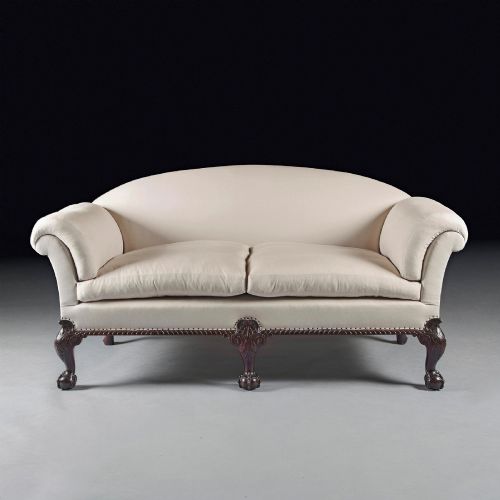
When searching for a traditional mahogany sofa, buyers encounter a range of nineteenth-century and early twentieth-century seating forms built from rich timber frames. The selection spans distinct styles including Georgian, Victorian, Edwardian, and Regency periods, alongside revival pieces that imitate earlier aesthetics.
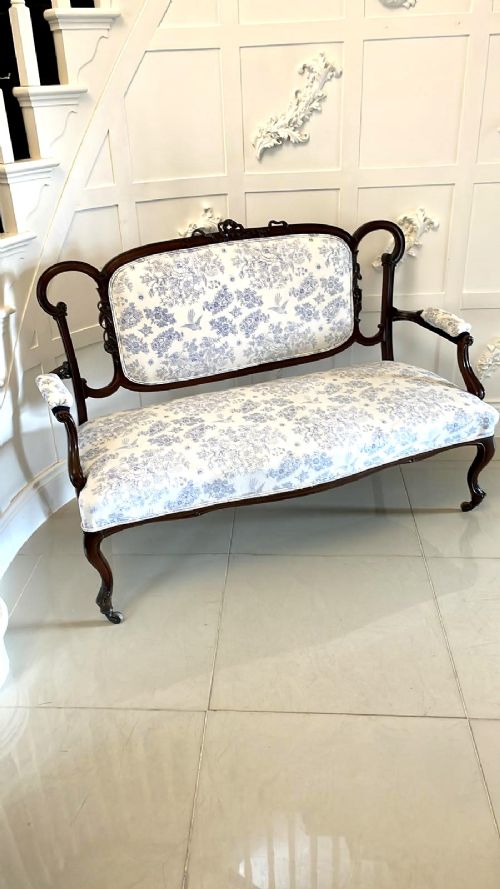
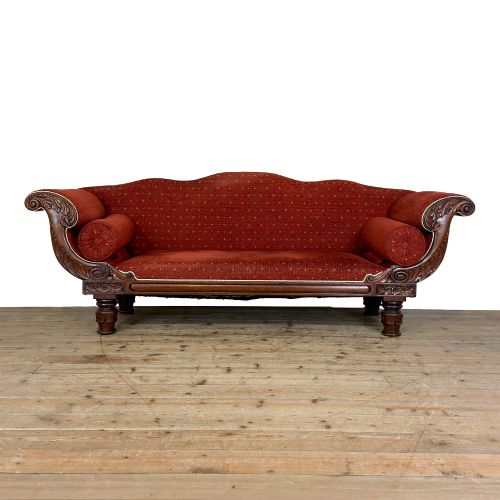
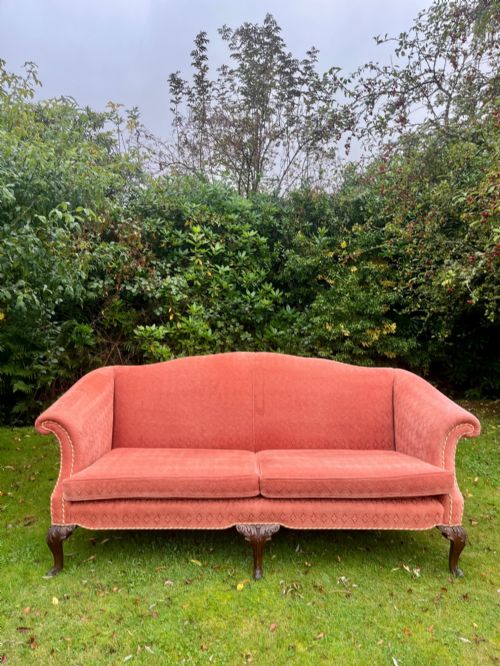
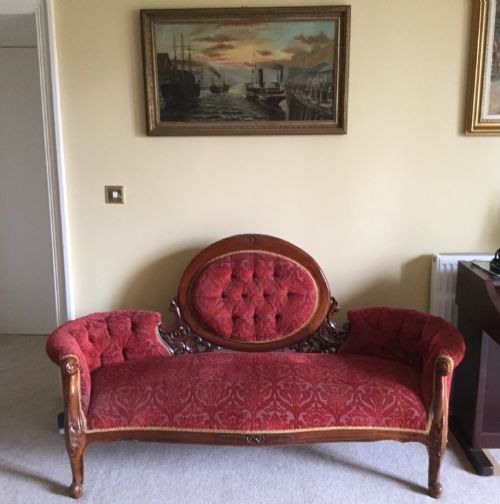
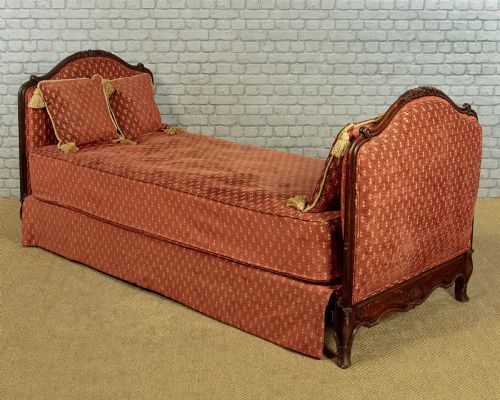
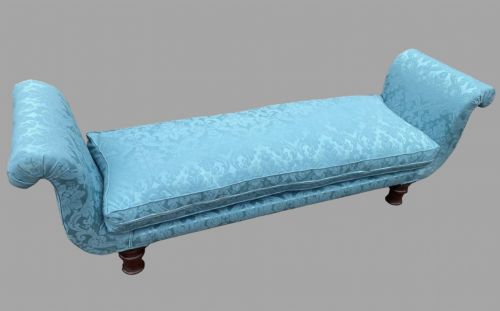
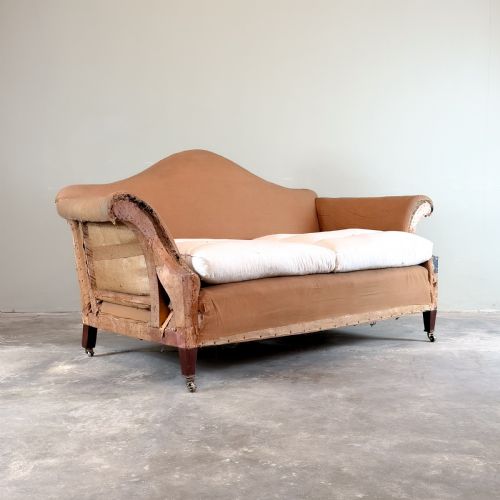
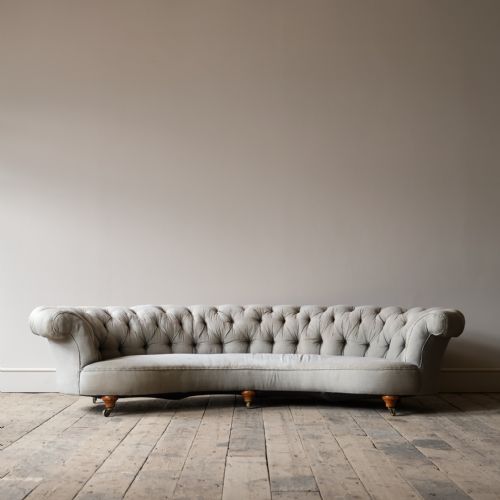
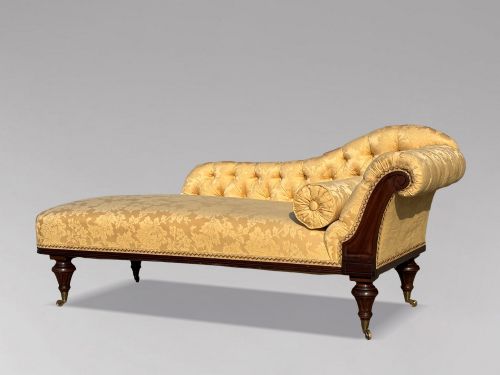
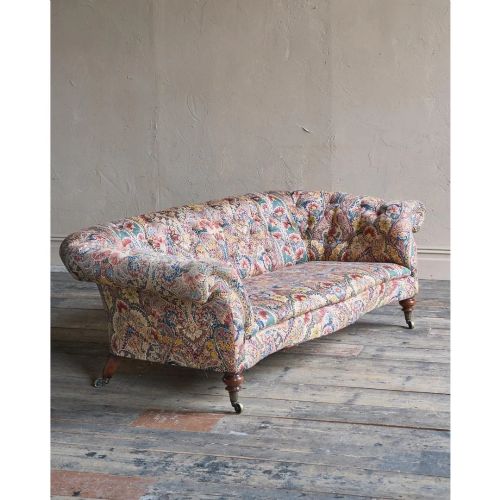
The most common examples on this page are nineteenth-century Chesterfield sofas, scroll-end settees, and chaise longues featuring exposed mahogany frames. Pieces frequently appear with buttoned leather, velvet, damask, or brocade upholstery, alongside variations like camel-back settees and daybeds.
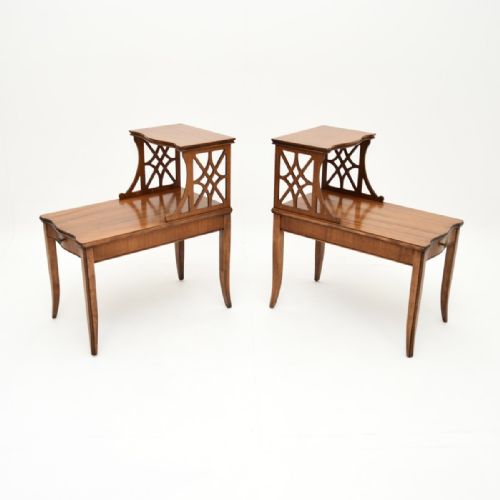
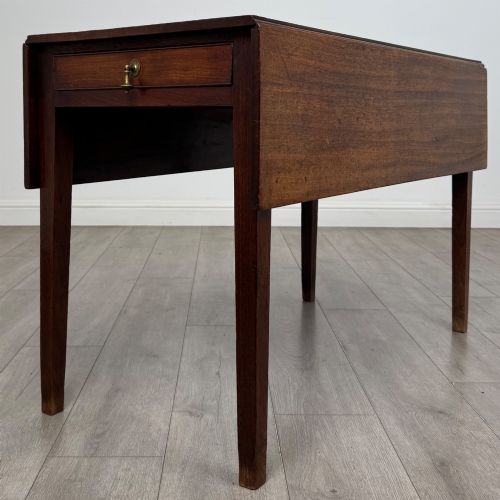
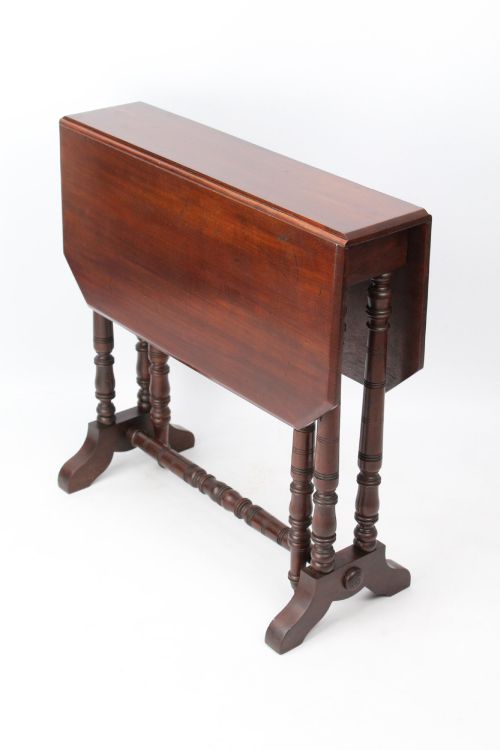
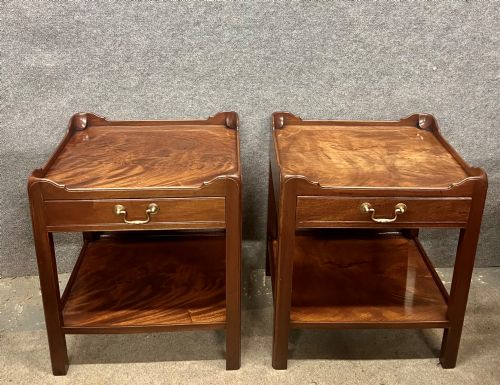
Makers and workshops of note emerge across the listings, connecting standard domestic furniture to high-end cabinet makers of the Victorian and Edwardian eras. Buyers also find occasional side tables, desks, and wingback configurations associated with the broader mahogany seating tradition.
Materials and construction methods
Makers relied primarily on solid mahogany for structural frames, legs, and exposed show-wood mouldings, utilising its density and grain depth. Secondary woods provided interior support, while brass castors and fittings frequently completed the mobility of heavy settees and chaise longues.
Upholstery techniques combined traditional sprung bases with hessian webbing, horsehair, and feather stuffings beneath outer layers of leather, velvet, or brocade. Hand-stitched buttoning and carved details such as ball and claw feet required specialist joinery and upholstery skills.
Listings feature mahogany frames paired with fabrics including leather, velvet, damask, hessian, and brocade across Victorian and Edwardian periods.
Judging quality in mahogany seating
Quality rests in the crispness of the mahogany carving, the proportion of the frame, and the integrity of the underlying timber. Pieces attributed to prominent makers or retaining original show-wood demonstrate superior cabinet-making standards.
The execution of the upholstery impacts the piece, distinguishing items with period-appropriate brocade, leather, or deep-pile velvet from later replacements. The balance between the exposed timber frame and the sprung or stuffed seating base defines the overall refinement.
Howard and Sons·Holland and Sons·Hampton and Sons
The Traditional Mahogany Sofa Glossary
- Chesterfield
- A deeply buttoned upholstered sofa featuring rolled arms of the same height as the back. This form is common in nineteenth-century mahogany furniture.
- Chaise Longue
- An upholstered long chair or daybed designed for reclining, often featuring a single raised scrolled end. Nineteenth-century examples frequently pair a mahogany frame with carved details.
- Bergere
- An enclosed armchair or sofa with an upholstered seat and sides, frequently incorporating cane or fabric panels. These pieces date across Edwardian and later periods.
- Scroll-End
- A furniture arm or terminal curving outward in a volute or scroll shape. This stylistic feature appears frequently on William IV and Regency mahogany frames.
- Settee
- A long upholstered seat with a back and arms, designed for multiple occupants. The form bridges the gap between a domestic bench and a full sofa.
Traditional Mahogany Sofa: Frequently Asked Questions
What defines a traditional mahogany sofa?
These pieces combine a solid mahogany timber frame with traditional upholstery materials like leather, velvet, and brocade. They span periods from the Georgian era through to the early twentieth century.
Design characteristics include exposed carved woodwork, scroll arms, and deep buttoning. The forms range from grand Chesterfields to chaise longues and camel-back settees.
How do I date a mahogany settee?
Dating relies on observing the stylistic markers of the frame, such as Regency scroll ends, Victorian buttoning, or Edwardian inlaid details. Construction methods and secondary woods also provide clues to the decade of manufacture.
Makers' stamps or attributed workshop traits help narrow the origin further. Comparing the proportions against known Georgian or Victorian design books clarifies the period.
Are these sofas comfortable for daily use?
Many surviving pieces retain sprung bases, feather cushions, or supportive horsehair stuffing that provides a firm sit. Re-upholstered examples often balance historical accuracy with modern seating comfort.
Deep seat dimensions and supportive wingback or camel-back structures make them practical for living spaces. Selecting the right upholstery fabric ensures they suit daily domestic routines.
What is the difference between a settee and a sofa?
Historically, settees often featured more exposed wooden framing and lighter proportions compared to fully upholstered sofas. The terms frequently overlap in nineteenth-century cabinet-making records.
Both forms served as formal or conversational seating in period drawing rooms. Today, buyers use the terms interchangeably based on the presence of a mahogany frame.