
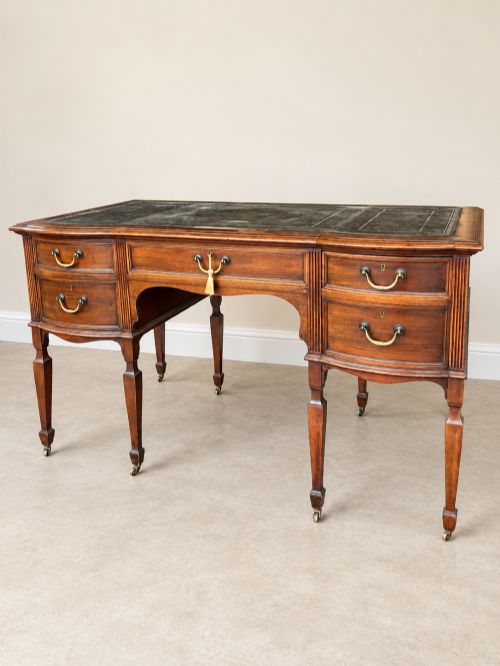
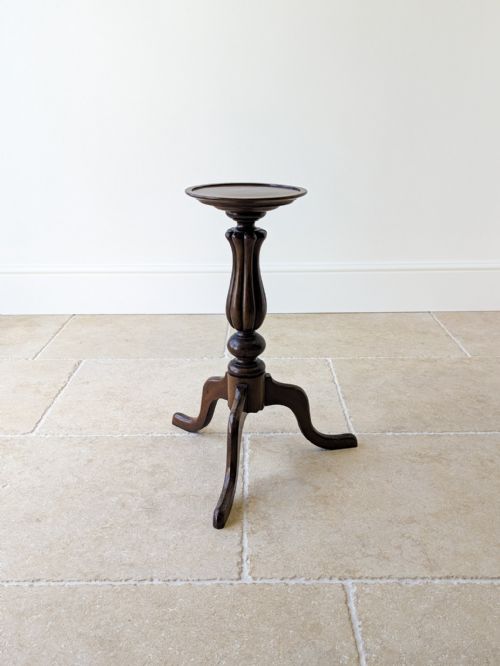
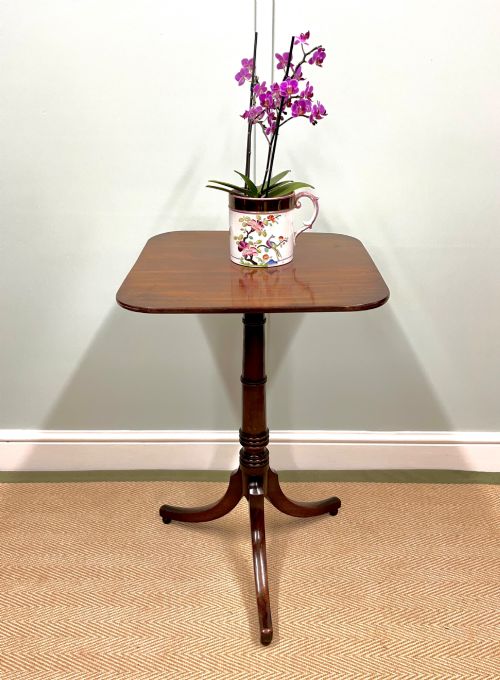

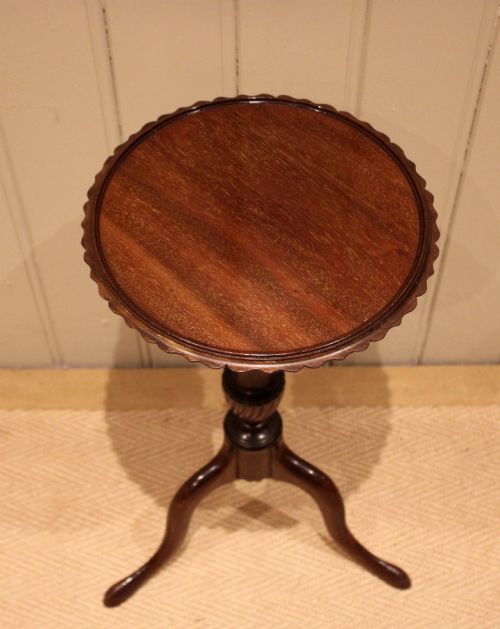

Traditional Mahogany Pedestal Stand
A traditional mahogany pedestal stand brings practical elegance to a room, offering a sturdy central column and refined timber surfaces for display.
Traditional Mahogany Pedestal Stand
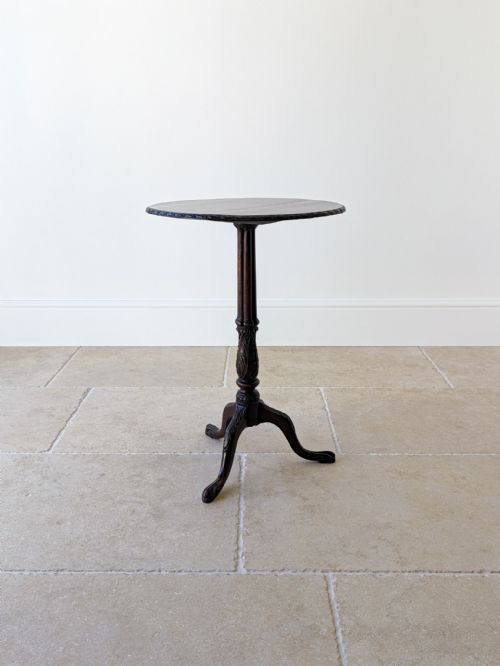
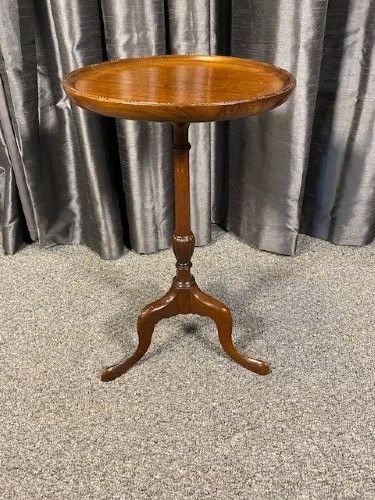
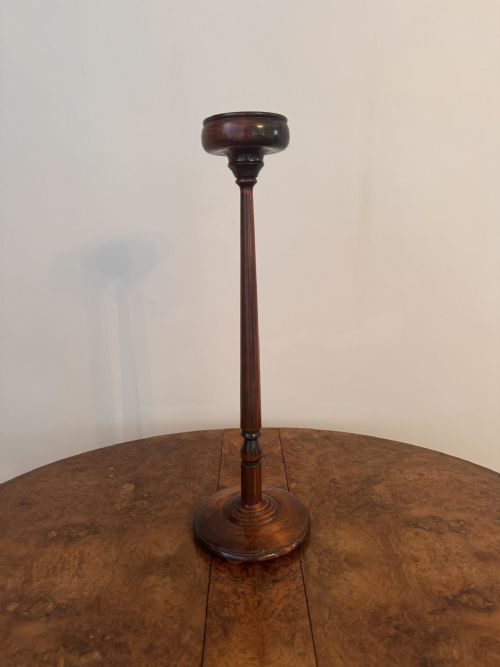
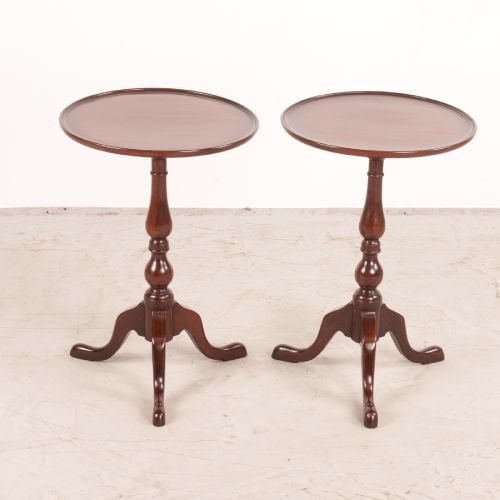
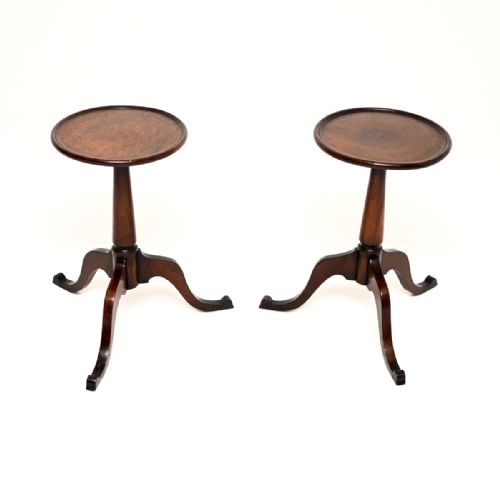
When searching for a traditional mahogany pedestal stand, buyers encounter a variety of functional forms designed to elevate objects or serve specific domestic roles. The evidence shows these pieces primarily manifest as wine tables, lamp tables, plant stands, and torchères dating from the eighteenth century through to the Edwardian period.
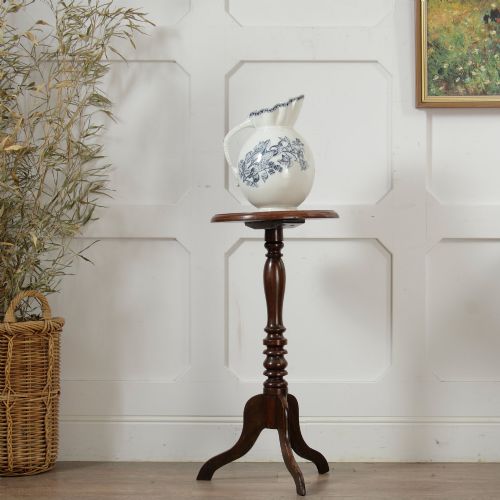
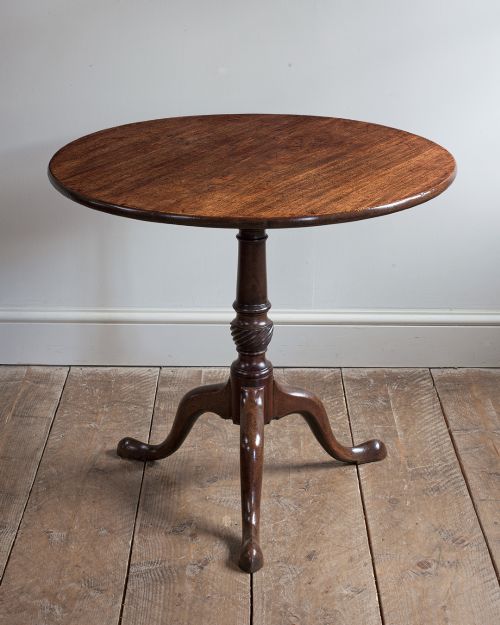
Tripod tables and torchères dominate the selection, utilising a central column supported by three splayed legs to achieve stability on uneven floors. Makers adapted these versatile stands for diverse uses, ranging from candle illumination and plant display to holding tea services and bedside essentials.
Factors separating standard examples from exceptional pieces
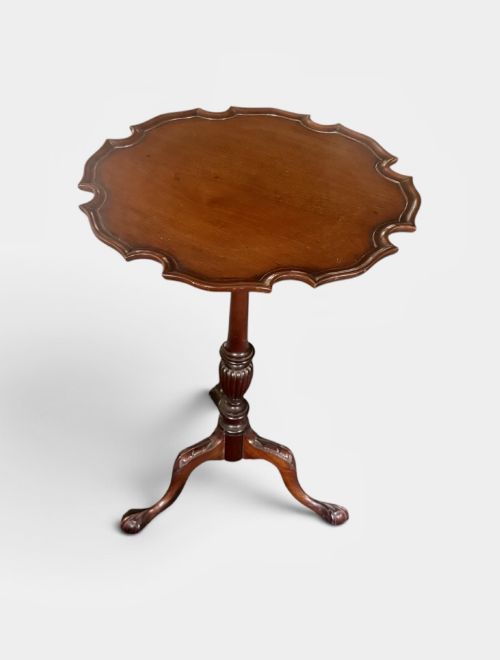
Quality rests significantly on the choice of timber and the depth of figure within the mahogany, where finely grained surfaces command greater appreciation. The crispness of hand-carved details on the knees of tripod legs and the precision of turned balusters separate master workshops from mass production.
Proportion and stability dictate the merit of a stand, ensuring the column aligns squarely with the supporting feet without wobble or modern reinforcement. Retaining original tilt mechanisms and matching brass hardware preserves the integrity of the piece.
Listings demonstrate a strong presence of mahogany tripod wine tables and torchères spanning the Georgian, Victorian, and Edwardian eras.
The Traditional Mahogany Pedestal Stand Glossary
- Tripod table
- A small freestanding table supported by a central pillar and three legs. This construction prevents rocking on uneven historical flooring.
- Torchère
- A tall, slender stand designed specifically to hold a candle, lamp, or plant. These vertical pieces emphasise height and decorative carving.
- Tilt-top
- A hinged tabletop mechanism that pivots ninety degrees for convenient storage against a wall. It represents a practical innovation of the eighteenth century.
- Pie crust rim
- A raised, decoratively carved edge shaped like pastry work around the perimeter of a circular tabletop. This feature prevents items from sliding off.
Traditional Mahogany Pedestal Stand: Frequently Asked Questions
How were traditional mahogany pedestal stands used?
These versatile stands served multiple domestic functions throughout the home, primarily holding candles, lamps, or small decorative items next to seating. Wealthy households utilised taller torchères for illumination in hallways and reception rooms while smaller wine tables stood beside dining chairs.
Over successive periods, owners adapted them as bedside cabinets, plant stands, and occasional tables for tea service. Their compact footprints made them easy to reposition according to daily social requirements.
How can I distinguish Georgian examples from later revivals?
Georgian stands exhibit authentic period construction methods, timber patination, and wear patterns accumulated over centuries of domestic use. Cabinetmakers of the eighteenth century employed specific jointing techniques and native hardware that differ from late Victorian or Edwardian manufacturing processes.
Revival pieces, such as Chippendale or Sheraton copies from the late nineteenth century, often display cleaner machine milling and lack the soft, undulating surface wear of genuine earlier items. Examining the underside and interior fixings provides clear evidence of the true manufacturing era.
What is a tilt-top table mechanism?
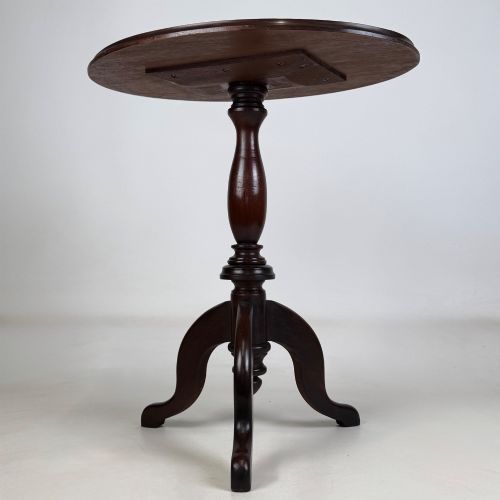
A tilt-top mechanism uses a hinged block beneath the tabletop that allows the surface to pivot into a vertical position. This clever engineering allowed servants to store multiple tables compactly against the perimeter of a room when entertaining finished.
When lowered into use, a brass catch or wooden wedge secures the top horizontally to the central pedestal. Surviving original catches and uncompromised pivot points indicate a well-preserved piece.
Where should I place a pedestal stand at home?
These stands fit comfortably in corners, beside armchairs, or flanking larger pieces of furniture where surface space is limited. Their slender profiles ensure they do not overcrowd a room while offering a convenient platform for lighting or decorative objects.
Avoid positioning them in direct sunlight or beside active heat sources to protect the mahogany polish and prevent timber splitting. Regular gentle polishing maintains the rich lustre of the wood.