




Antique Basin Stand Tripod
These antique basin stand tripod pieces offer elegant support for ceramic bowls and washware, bringing functional Georgian and Regency design into modern rooms.
Antique Basin Stand Tripod
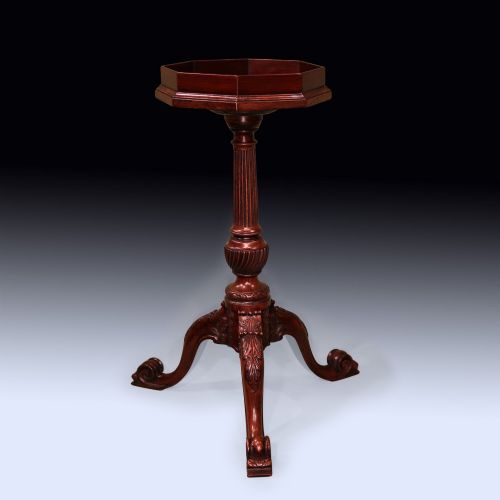
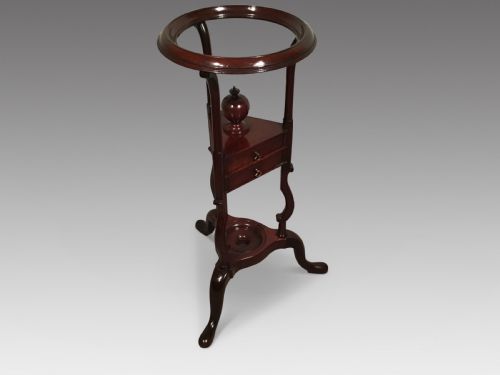
An antique basin stand tripod provides a sturdy three-legged support structure designed specifically to hold washing bowls and basins in period interiors. You will most frequently encounter compact tripod washstands and wig stands originating from the Georgian, Regency, and 18th century periods.
The evidence shows these forms range from traditional wooden basin stands and shaving stands to bronze Athenienne tables and campaign washbowl stands. Makers adapted the three-legged frame across various eras to serve as washstands, plant stands, and occasional tables.
Meticulous woodworking defines the core forms, utilising tripod bases that ensure stability on uneven historical floorboards while maintaining a slender profile. These pieces represent a distinct shift toward specialised domestic furniture tailored for personal grooming and hygiene.
Materials and construction methods
Cabinetmakers constructed these tripod stands predominantly from solid mahogany and stained timber, utilising dense hardwoods to achieve slender, weight-bearing legs. Carved details and turned wooden components display the high level of joinery typical of Georgian and Chippendale workshops.
Metal and stone elements frequently supplemented the woodwork, incorporating cast brass, bronze, and inset marble or glazed ceramic basins. These mixed media constructions allowed makers to create durable surfaces capable of withstanding daily exposure to water and heavy use.
Current listings demonstrate a strong representation of Georgian and Regency periods, executed primarily in mahogany, bronze, and glazed ceramic.
Markers of fine craftsmanship
Quality in these tripod stands rests upon the crispness of the timber carving and the architectural proportions of the three-legged base. Superior examples demonstrate thoughtful grain selection in the mahogany and precise turning that balances slender supports with structural integrity.
The integration of secondary materials like bronze mounts, brass fittings, and fitted ceramic or marble inserts distinguishes exceptional pieces from standard utility furniture. Finer stands retain their original hardware and exhibit seamless joints that reflect the skill of the period artisan.
The Antique Basin Stand Tripod Glossary
- Tripod base
- A furniture support structure featuring three legs radiating from a central point, offering natural stability on uneven floors. This configuration appears frequently on basin stands, kettle stands, and small occasional tables.
- Athenienne
- A decorative stand or tripod table modelled on classical antiquity, often executed in bronze or fine timber. These pieces typically feature a circular basin holder atop three legs.
- Washstand
- A dedicated piece of domestic furniture designed to hold a bowl and pitcher for washing and personal hygiene. Period examples often incorporate specialised rings or cutouts in the top surface.
- Chippendale
- A British furniture style spanning the 18th century, named after the cabinetmaker Thomas Chippendale. Pieces from this era showcase refined carving, solid mahogany construction, and distinct stylistic flourishes.
Antique Basin Stand Tripod: Frequently Asked Questions
What is an antique basin stand tripod?
An antique basin stand tripod is a three-legged furniture piece designed during the Georgian and Regency eras to hold washing bowls and personal grooming equipment.
These stands combine stable tripod bases with circular upper rings or platforms specifically sized to support ceramic basins and washware securely.
How were these stands originally used?
Historically, households utilised these stands in bedrooms and dressing rooms for morning ablutions, shaving, and washing.
Over time, many of these versatile tripod frames transitioned into alternative domestic roles, serving as plant stands, jardiniere frames, and occasional tables.
What woods are commonly found?
Mahogany serves as the primary timber for the majority of these stands, prized for its strength and rich grain patterns.
Cabinetmakers also utilised general stained timber, alongside decorative accents in bronze, brass, and marble to complete the structures.
How do I date a tripod washstand?
Dating relies on observing stylistic markers, construction techniques, and the specific proportions associated with periods like the Georgian era, Regency, and the 18th century.
Examining the turning of the legs, the joinery methods, and the integration of metal or ceramic elements provides clear chronological indicators.