
Antique Wooden Floor Stand
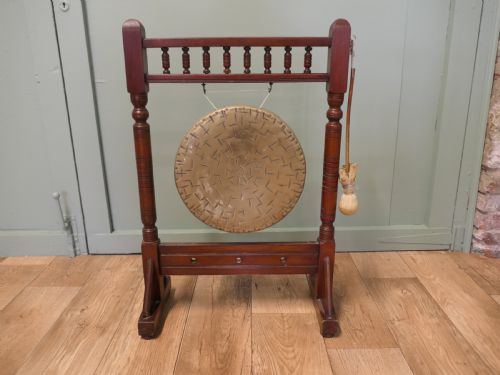
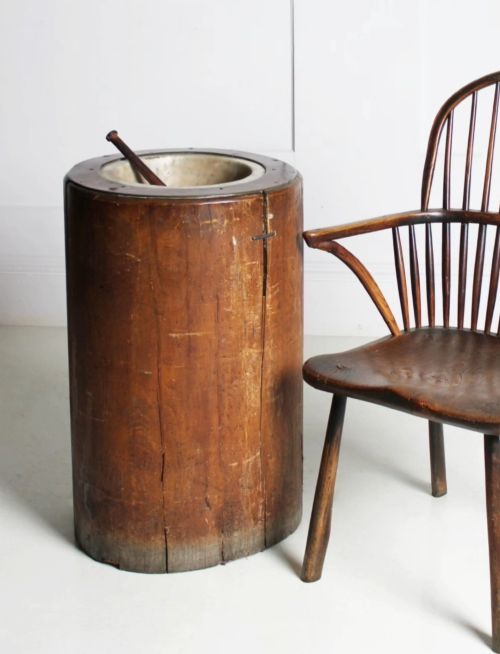
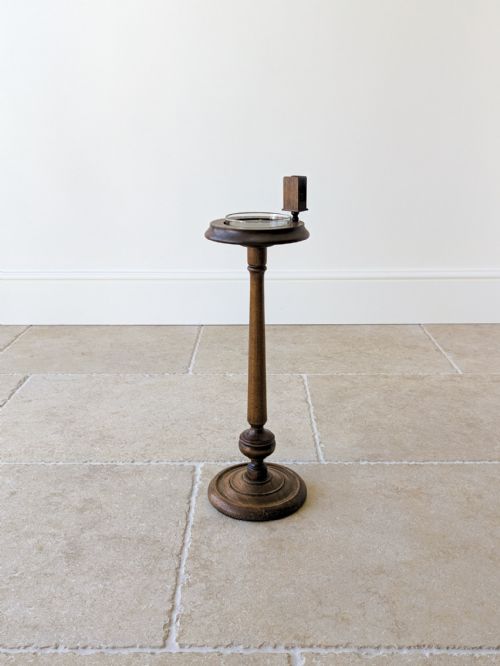
An antique wooden floor stand is a substantial household vertical furnishing designed to stand directly on the floor.
Antique Wooden Floor Stand
When you search for an antique wooden floor stand, you encounter a remarkably diverse group of vertical furnishings that share the common characteristic of resting on the floor rather than a table or wall. The selection spans utilitarian items and decorative pieces created across several centuries, reflecting changing domestic habits in lighting, timekeeping, and display.
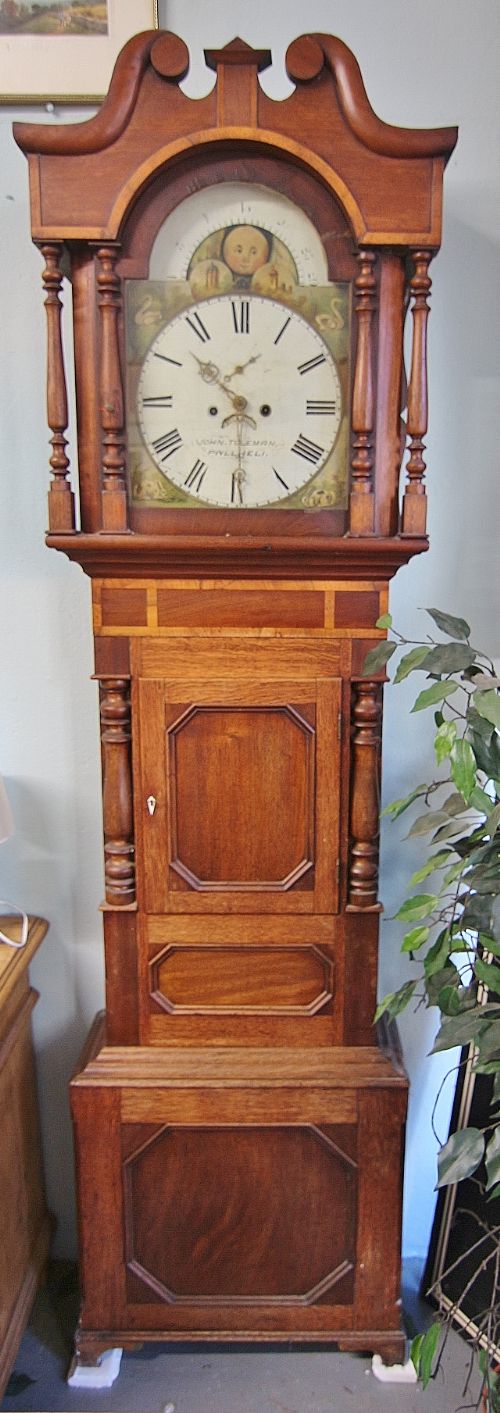
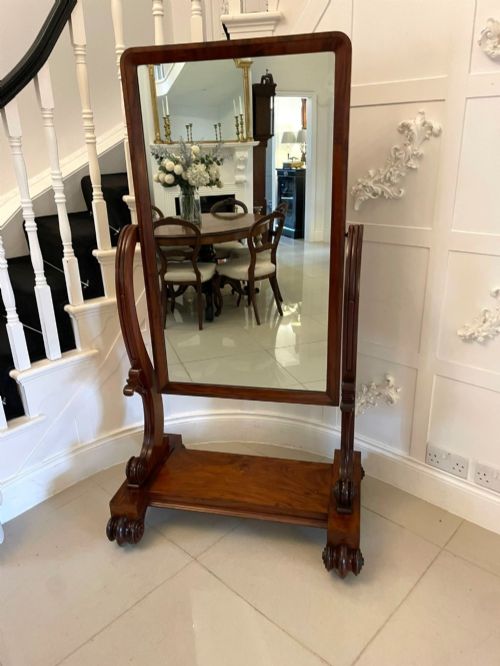
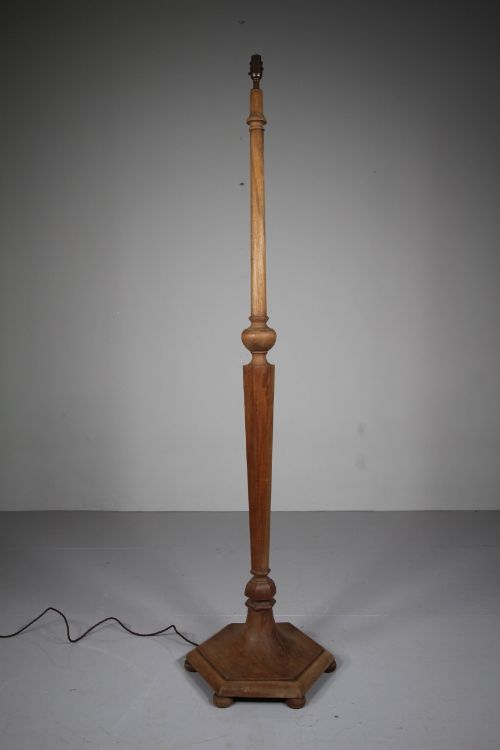
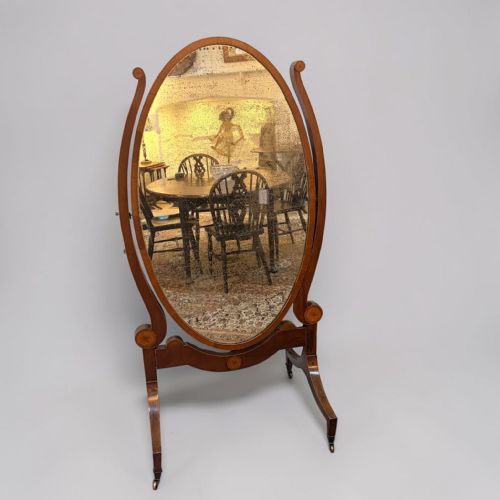
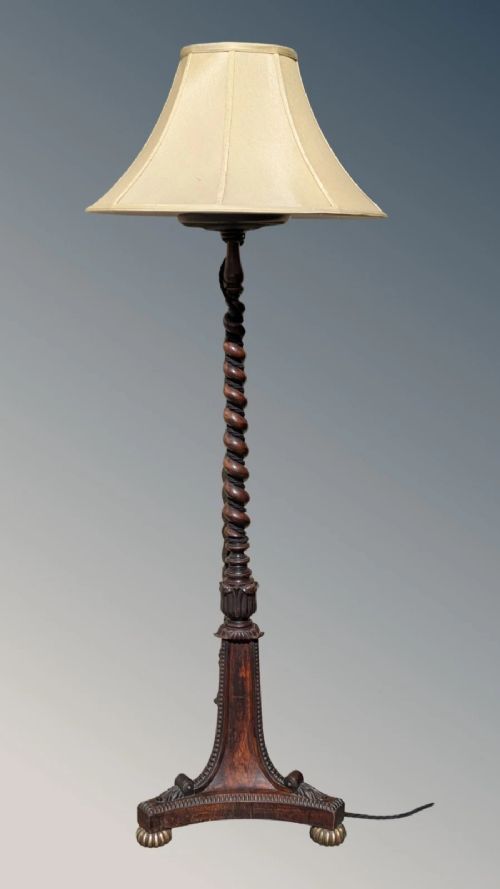
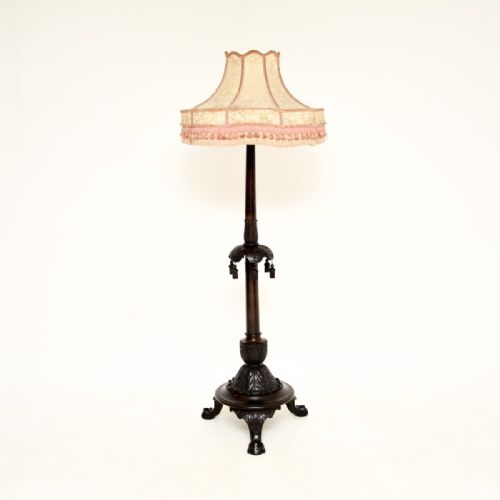
The most prevalent forms on this page include tall floor lamps and standard lamps alongside towering longcase clocks, heavy artist studio easels, and adjustable dressing mirrors. These pieces originate from periods ranging from the Georgian and Victorian eras through the Edwardian years and into the Art Deco period of the nineteen-twenties and nineteen-thirties.
Makers utilised various native and exotic woods such as oak, mahogany, walnut, and ebonised timber, frequently incorporating brass fittings or fabric elements. Styles vary widely from Gothic Revival and Chinoiserie to Aesthetic Movement and classical revivals, offering distinct visual identities for different domestic interiors.
Materials and construction methods
Cabinetmakers and joiners relied heavily on solid hardwoods like oak, mahogany, and walnut to ensure the necessary stability for tall vertical objects. Timber was frequently turned on a lathe to create barley twist supports and columns, or carved with intricate decorative motifs suited to Victorian and Georgian tastes.
Surface treatments played a crucial role in finishing these pieces, ranging from simple limed oak and ebonised finishes to elaborate Chinoiserie lacquer decorations and silvered torchere applications. Brass brackets, mechanisms, and metal fittings were integrated into adjustable items such as artist easels and lamp standards to provide functional utility alongside structural support.
Listings feature items spanning the eighteenth, nineteenth, and twentieth centuries, constructed from oak, mahogany, walnut, and brass.
Distinctions in quality and execution
The standard of carving and the selection of timber grain heavily dictate the quality of an antique wooden floor stand. Pieces featuring highly figured burr walnut, dense well-seasoned mahogany, or crisp hand-carved oak details represent superior craftsmanship compared to simpler utilitarian items.
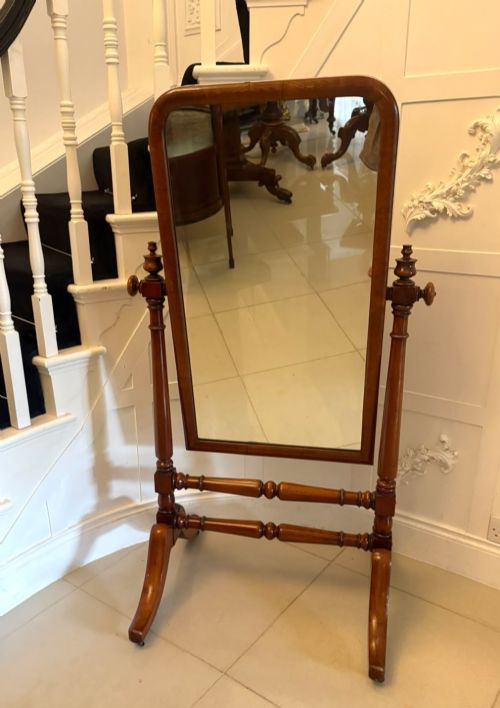
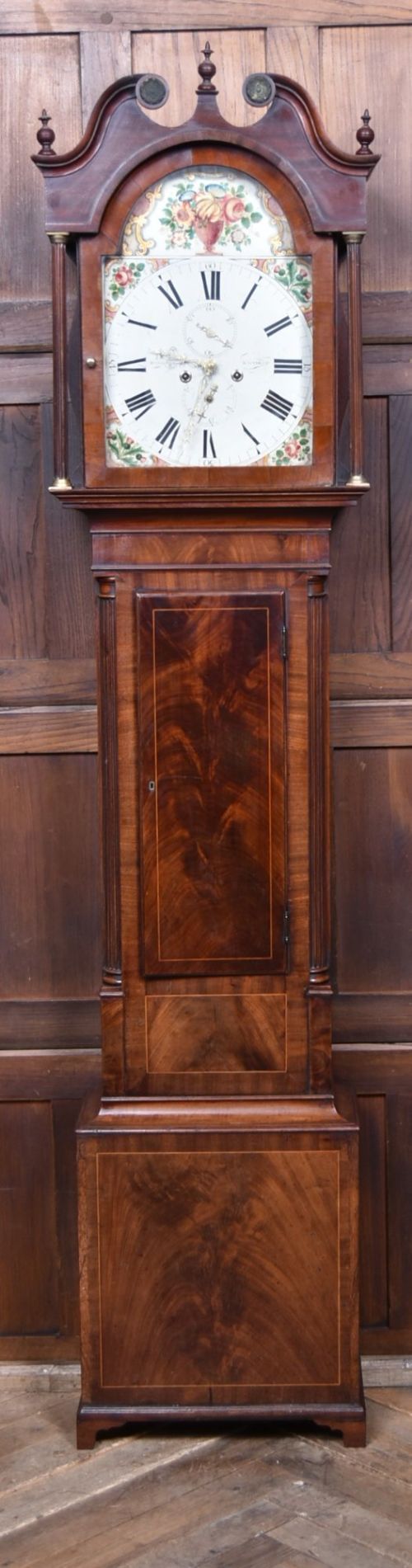
The integration of mechanical complexity also separates standard pieces from exceptional examples, visible in fully adjustable studio easel mechanisms, intricate eight-bell musical movements in longcase clocks, or precise brass hardware on cheval dressing mirrors. Proportional balance and the preservation of original surface finishes further distinguish finer workshops from mass-produced equivalents.
Hendrie Ogg·Green of Edinburgh·Winsor Bishop Norwich·Benjamin Taylor·WMF
The Antique Wooden Floor Stand Glossary
- Cheval mirror
- A large floor-standing dressing mirror suspended in a frame that allows it to tilt. These freestanding glasses typically rest on sturdy legs or barley twist supports.
- Longcase clock
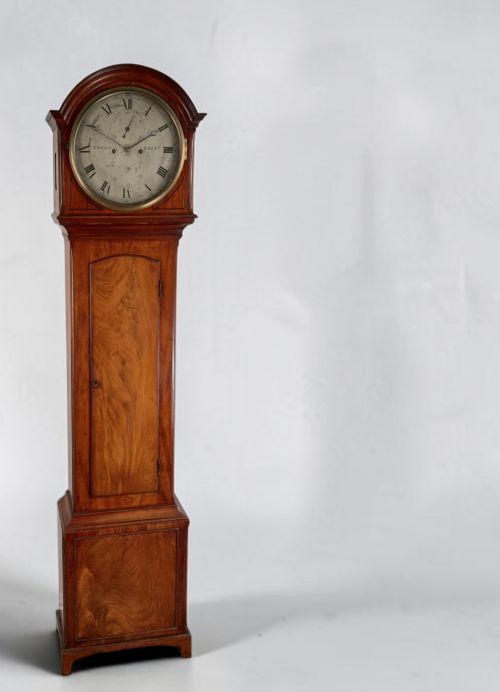
- A tall pendulum clock enclosed in a wooden case with a weighted movement, commonly referred to as a grandfather clock. They often feature dial faces indicating seconds, phases of the moon, or musical chimes.
- Torchere
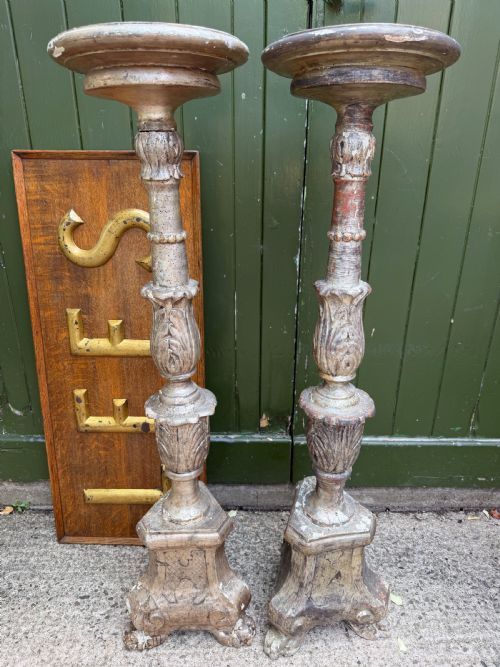
- A tall ornamental stand or floor lamp designed to hold a light source or candle. They frequently take the form of slender carved wooden columns or figures.
- Easel
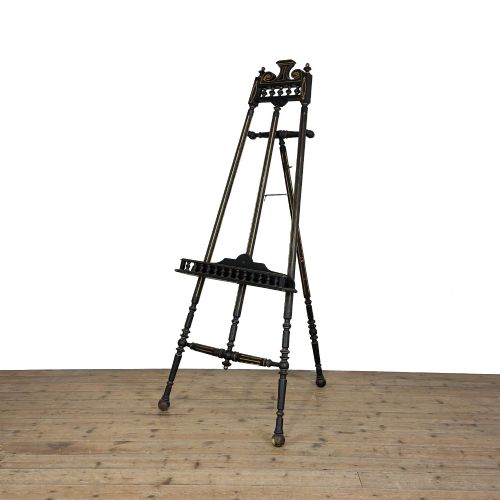
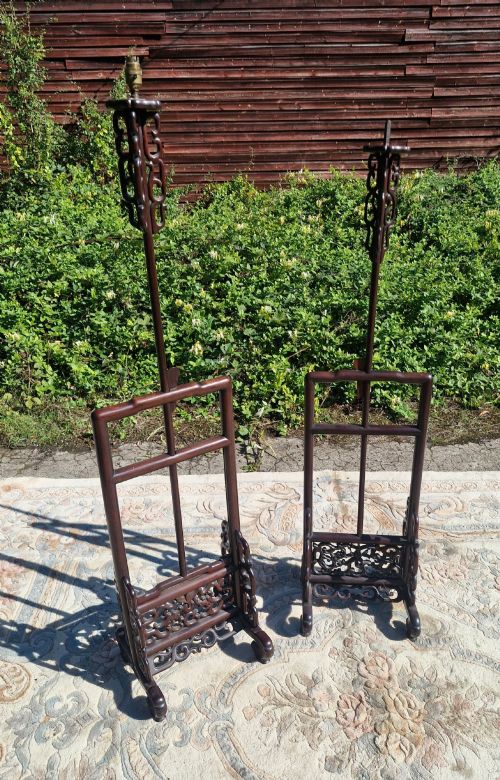
- A freestanding upright support used for holding and displaying an artist canvas or a finished painting. Large studio examples feature adjustable height mechanisms and heavy wooden frames.
- Standard lamp
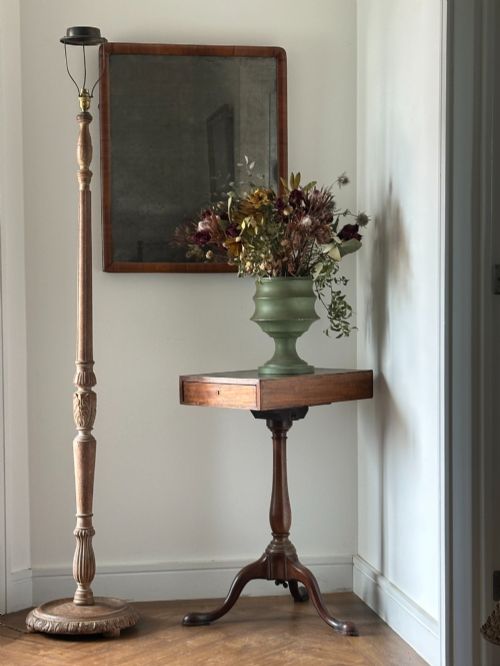
- A vertical floor-standing light fixture designed to support a lampshade. They appear in styles ranging from early twentieth-century Chinoiserie decoration to geometric Art Deco satinwood designs.
- Ebonised
- Wood treated with a dark stain or finish to imitate ebony. This technique was particularly favoured during the Victorian and Aesthetic Movement periods.
Antique Wooden Floor Stand: Frequently Asked Questions
How were longcase clocks used in traditional homes?
Longcase clocks served as the primary timekeeping device in a household, requiring regular manual winding of the weights to maintain accuracy. Their imposing vertical presence made them central fixtures in hallways and living spaces.
Because they combined mechanical precision with fine cabinetry, they also functioned as status symbols indicating the prosperity of the household.
What is the purpose of an artist studio easel?
An artist studio easel was constructed to hold large canvases securely at a comfortable working height for painting. The heavy wooden frames and adjustable mechanisms allowed artists to raise or lower work easily.
These pieces were built for rigorous daily use in painting workshops, resulting in robust structural designs that easily accommodate modern display needs.
How do I identify a standard lamp from the nineteen-twenties?
Nineteen-twenties standard lamps often display distinct stylistic traits such as Chinoiserie lacquered decoration, geometric Art Deco satinwood veneers, or paired brass fittings. They reflect the shift towards electrical domestic lighting during that decade.
The inclusion of specific fabric or vellum shades further points to the interior lighting trends of the interwar period.
Where should I place a freestanding cheval mirror?
A cheval mirror requires adequate floor space and clearance to allow the pivoting glass frame to tilt fully without obstruction. Bedrooms and dressing rooms are traditional locations for these tall reflecting surfaces.
Their adjustable frames provide full-length visibility, making them practical additions to domestic dressing areas.
What distinguishes an eighteenth century torchere?
Eighteenth century torcheres are characterised by carved and silvered wooden surfaces designed to elevate candle illumination or decorative objects. Their slender proportions require stable weighted bases to maintain balance.
They represent formal interior decoration from a period when elevated artificial lighting was a luxury.