


Traditional Mahogany Hall Table
A traditional mahogany hall table brings warmth and dependable utility to an entryway, drawing on centuries of cabinet making from the Georgian and Victorian eras.
Traditional Mahogany Hall Table
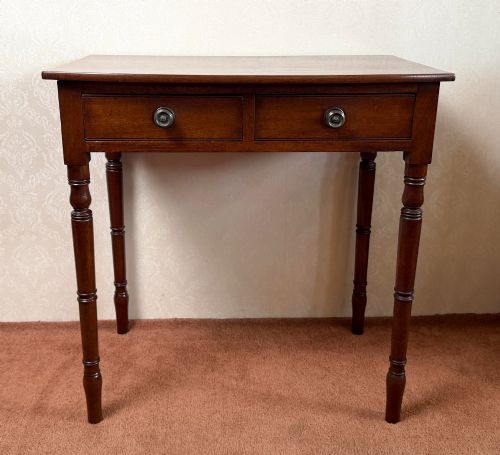
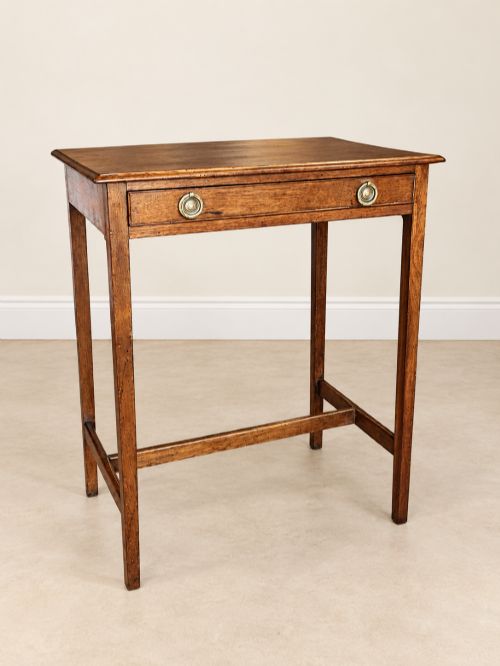
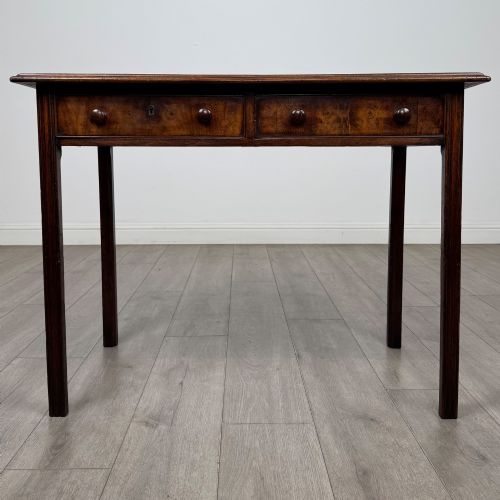
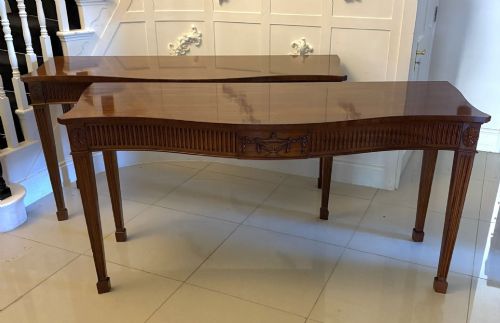
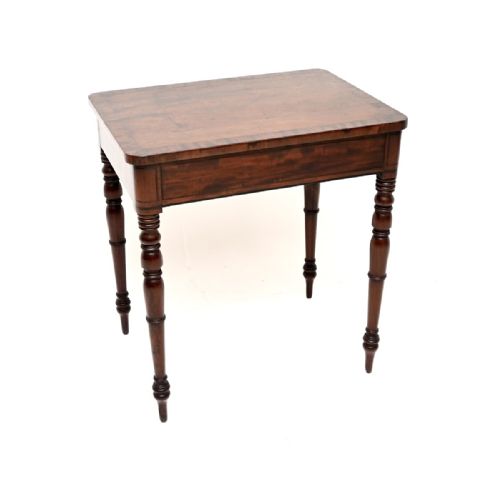
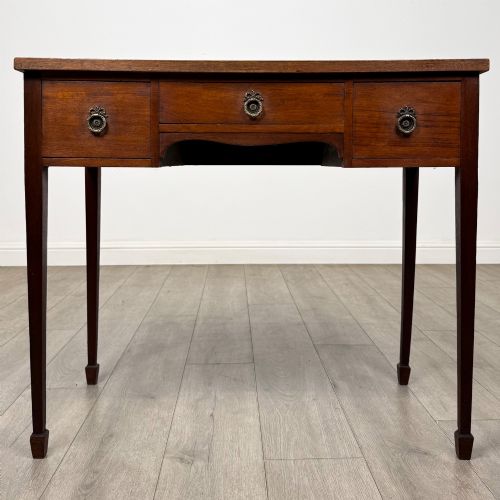
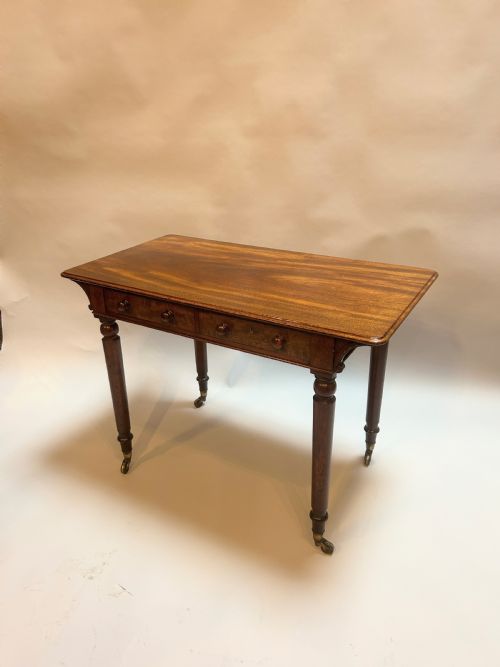
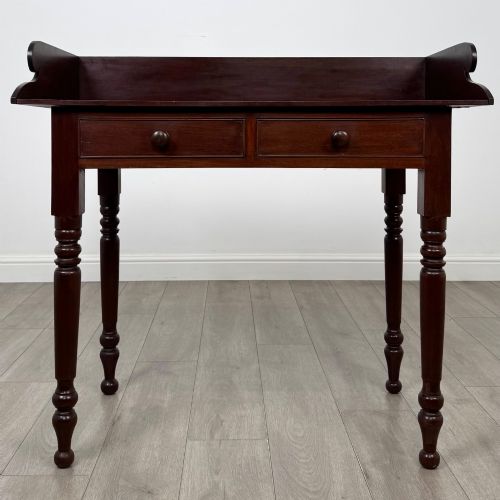
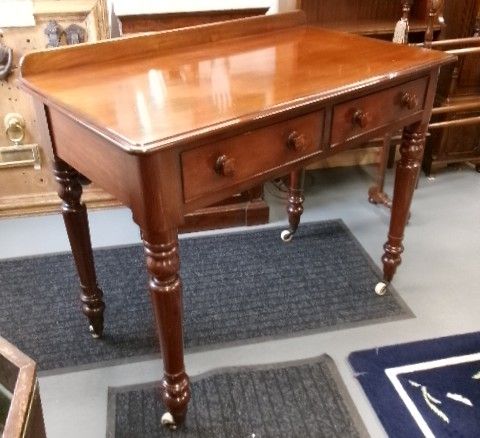
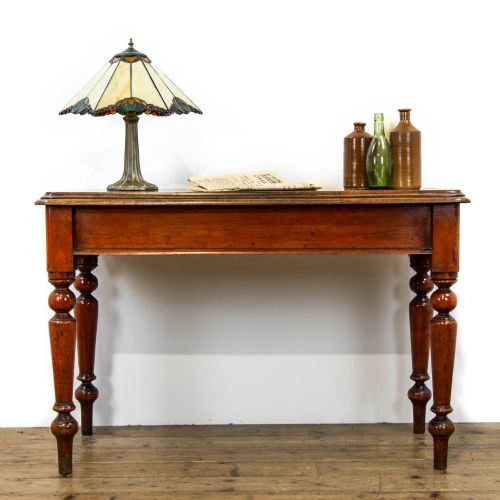
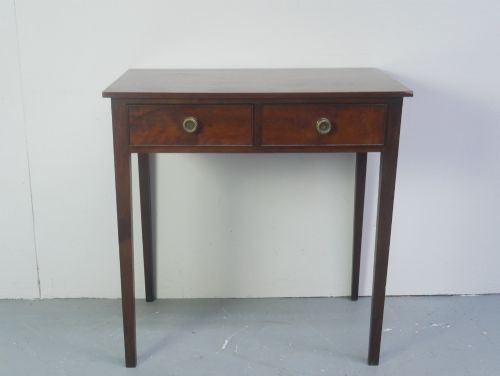
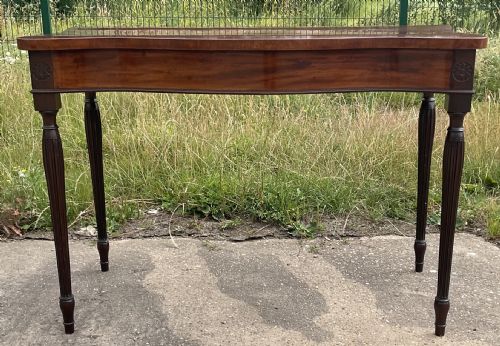
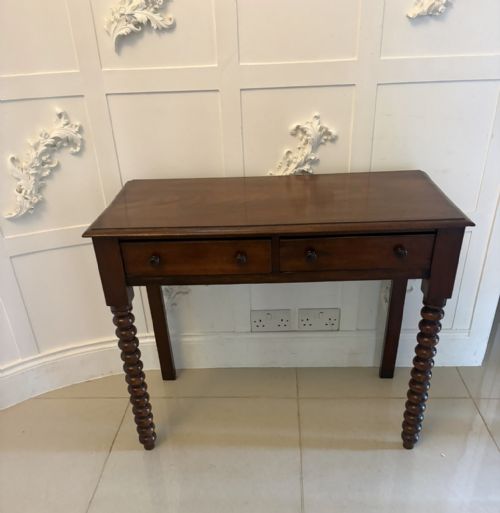
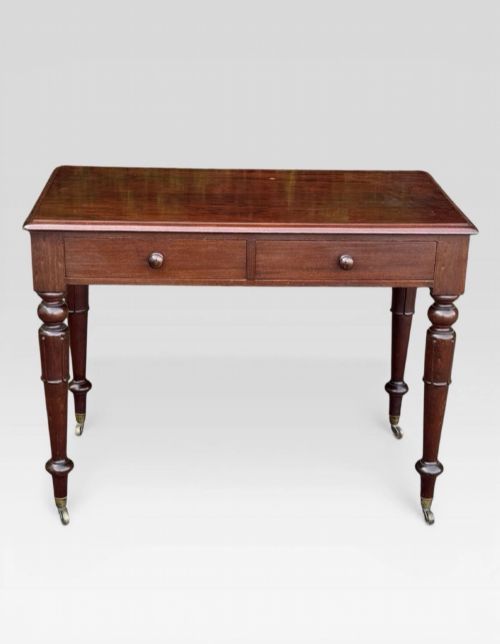
A traditional mahogany hall table takes several forms across this selection, appearing most frequently as side tables, console tables, and lowboys designed for narrow spaces.
The periods represented span from the eighteenth century through the Victorian era and into later revival styles of the early twentieth century.
Makers utilised dense timber and practical layouts, producing pieces that served as writing desks, serving tables, and hallway reception surfaces.
Materials and construction methods
Cabinet makers relied primarily on mahogany timber, often chosen for its rich grain, paired occasionally with secondary woods like oak and pine in internal framing.
Surface details incorporate brass handles, leather inserts, ceramic elements, and subtle gold leaf accents, alongside carved motifs reflecting Georgian, Regency, and Neoclassical tastes.
Listings feature mahogany, oak, pine, brass, leather, and ceramic materials across multiple centuries.
Distinctions in craftsmanship
The distinction between standard examples and the finest pieces lies in the selection of figured mahogany and the crispness of carved ornamentation.
Superior items demonstrate refined proportions, careful attention to drawer construction, and balanced integration of stylistic elements such as barley twist legs or serpentine fronts.
Gillows·J A Mein Edinburgh Cabinet Maker
The Traditional Mahogany Hall Table Glossary
- Console table
- A table designed to stand against a wall, frequently supported by brackets or decorative legs. These pieces suit entryways and reception rooms where floor space is limited.
- Lowboy
- A small seventeenth or eighteenth century table with drawers, resembling the lower section of a highboy. They function well as compact writing desks or side tables.
- Serpentine
- A curved line that bulges outward in the centre and recedes inward at the sides. This contour appears on the front edges of finer tables.
- Demi lune
- A half moon shape utilised in the design of console and side tables. This profile allows the furniture to sit flush against a wall.
- Barley twist
- A carved wooden furniture leg resembling a spiral or twisted rope. This decorative turning method is common on nineteenth century tables.
Traditional Mahogany Hall Table: Frequently Asked Questions
How do I date a mahogany hall table?
Dating relies on examining construction techniques, timber characteristics, and secondary woods like pine or oak used inside drawers. Stylistic cues such as Georgian bracket feet or Victorian carved details also indicate the period.
Cabinet makers altered their methods over time, shifting from hand-cut dovetails in the eighteenth century to machine-assisted joints in later decades.
Where should I place a console table?
These tables fit naturally in narrow entryways, hallways, and reception rooms against flat walls. Their shallow depth ensures they do not obstruct foot traffic.
They provide a practical surface for mail and decorative objects while establishing a formal character near an entrance.
What is the difference between a side table and a hall table?
Side tables and hall tables share similar proportions and forms, often serving interchangeable functions in domestic settings. Hall tables specifically denote placement in an entrance corridor.
Many listings categorise these narrow rectangular pieces under both descriptions depending on their exact dimensions and drawer configurations.
How do I care for antique mahogany furniture?
Maintenance requires keeping timber away from direct sunlight and sudden temperature shifts that cause wood to dry or split. Gentle dusting with a soft cloth preserves the polished surface.
Applying appropriate wax occasionally helps nourish the grain without building up heavy residues on older finishes.