

Traditional Mahogany Easy Chair
A traditional mahogany easy chair offers deep comfort and structural grace, bringing enduring English seating to any room.
Traditional Mahogany Easy Chair
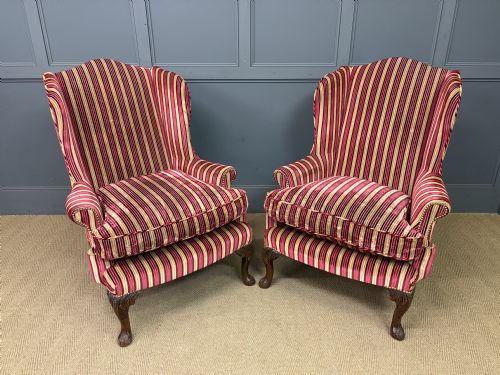
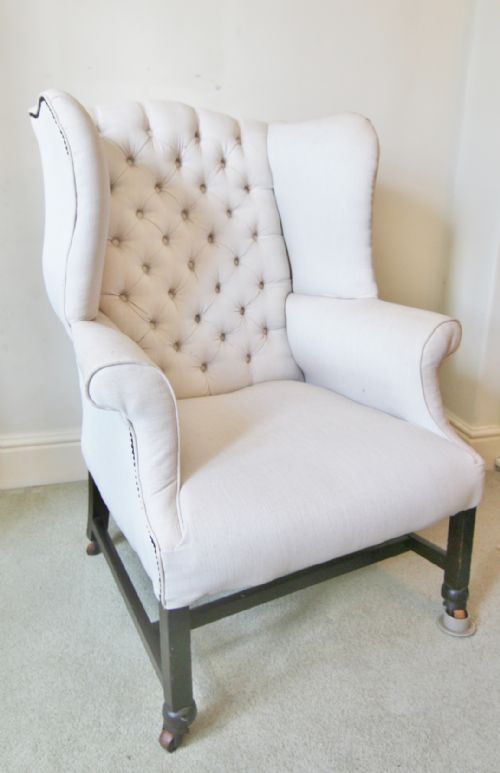
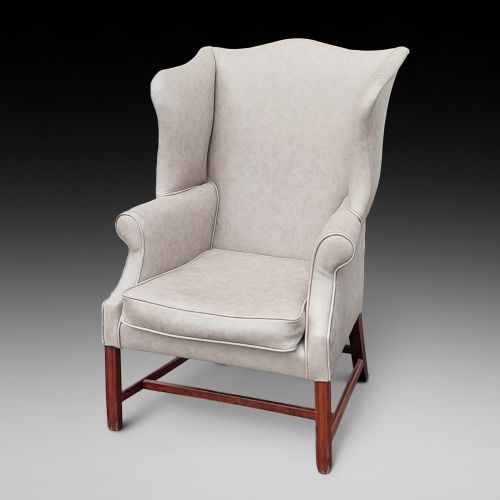
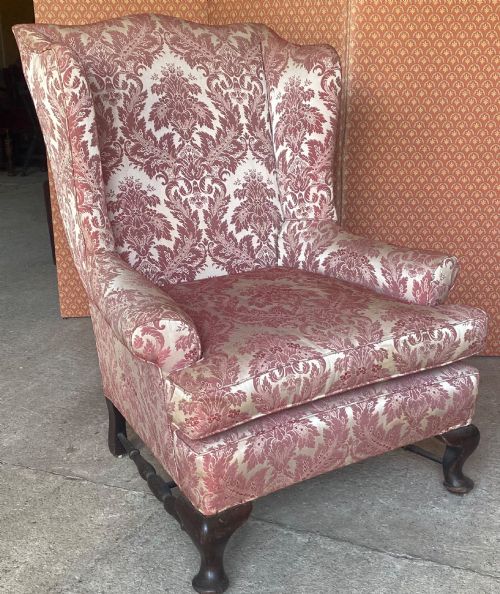
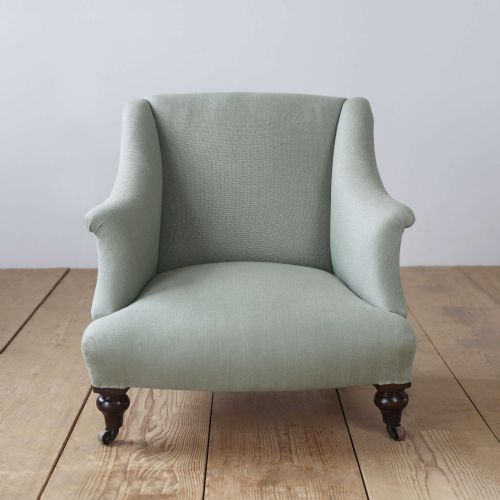
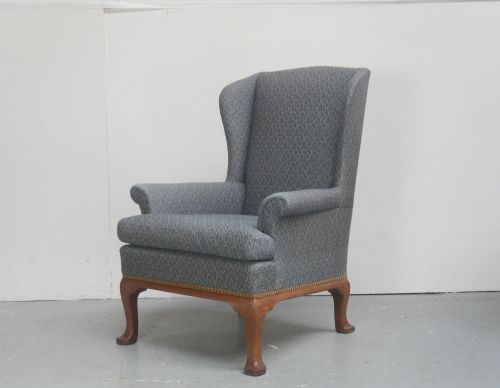
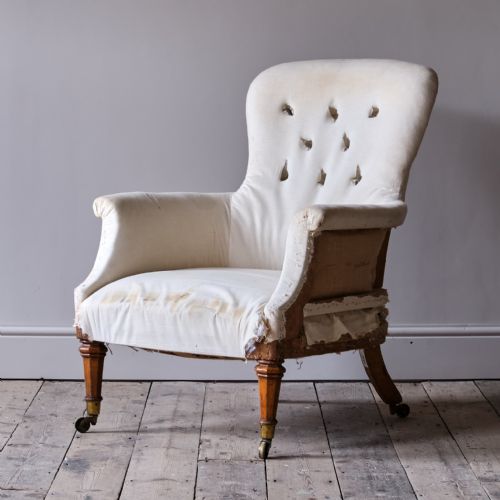
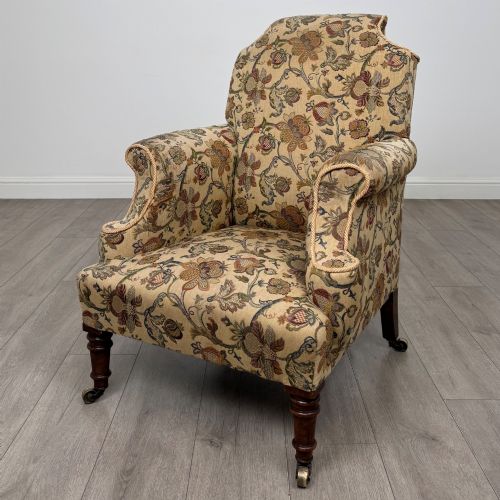
When you search for a traditional mahogany easy chair, you encounter sturdy upholstered armchairs built across the eighteenth, nineteenth, and early twentieth centuries. These pieces encompass generous wingback designs, deep-seated lounging forms, and stylistic revivals from the Georgian, Victorian, and Edwardian eras.
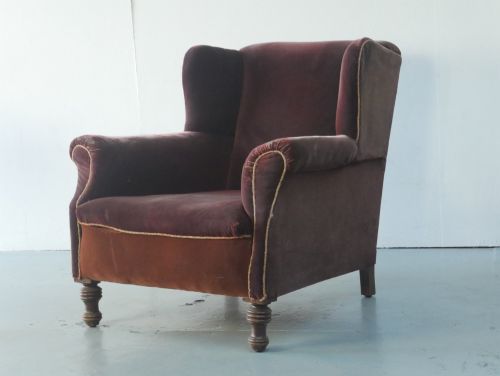
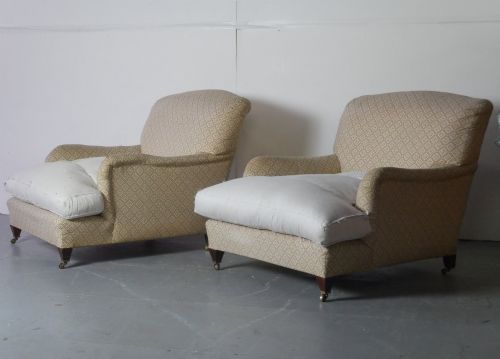
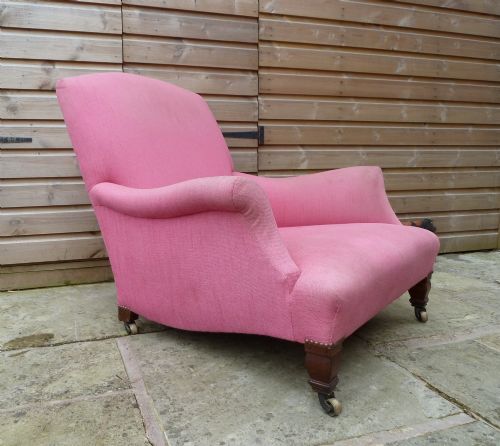
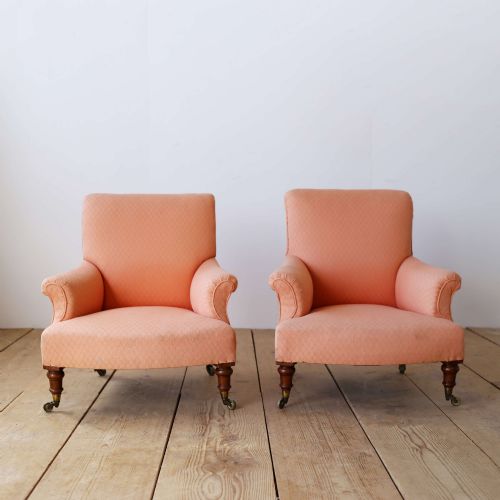
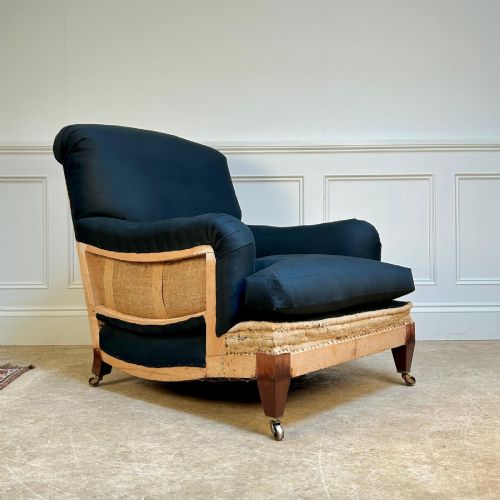
The version most commonly met on this page is the nineteenth-century or Edwardian upholstered armchair, often featuring substantial mahogany framing beneath fabric, calico, or velvet. Makers such as Howard and Sons and Gillows heavily influenced these forms, producing deep-sprung seating designed for country houses and formal libraries alike.
How they were made
Makers constructed the exposed framework using dense hardwood timber, specifically selecting mahogany for its strength and rich grain. Turned or carved legs often terminate in brass castors, supporting internal frames built for heavy domestic use.
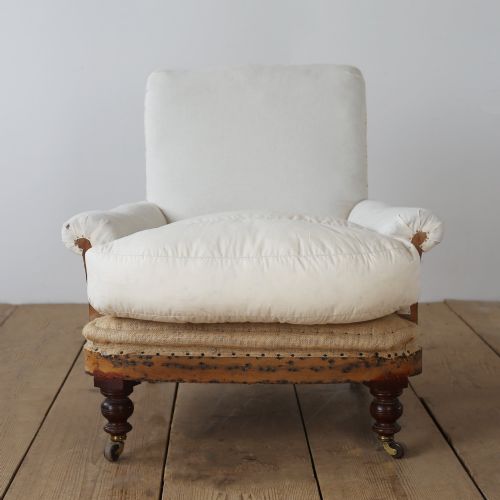
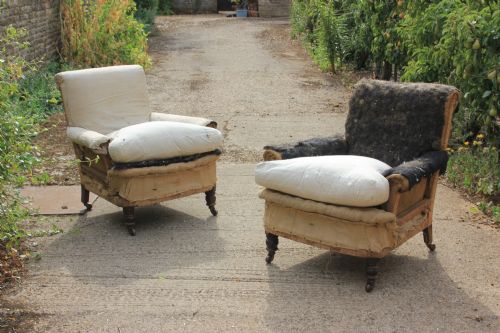
Traditional upholstery techniques involved webbing, springs, and stuffing layered beneath hessian and finished in calico or decorative top covers like velvet. This layered build gave the chairs their characteristic resilience and deep seating profile.
Traditional Mahogany Easy Chair Retail Price Guide 2026
Typical asking prices for traditional mahogany easy chair among the pieces listed under this phrase on Sellingantiques today, from the lower quarter to the upper quarter. They describe what is for sale here now, not the wider market.
Listings feature mahogany frames paired with diverse textiles including velvet, calico, and horse racing theme fabrics.
What varies in quality
The calibre of a traditional mahogany easy chair rests upon the integrity of its internal joinery and the purity of its timber framing. Pieces bearing workshop stamps from prominent makers like Howard and Sons or Gillows demonstrate superior cabinetmaking and refined proportions.
Another distinction lies in the survival of original structural components, such as carved mahogany legs and maker-stamped castors. Refurbishment affects the outer textile layers, but the underlying woodwork and spring systems determine the enduring integrity of the armchair.
Howard and Sons·Whytock and Reid·Gillows·Hampton and Sons·James Shoolbred
The Traditional Mahogany Easy Chair Glossary
- Mahogany
- A durable hardwood prized for its deep reddish-brown tone and resistance to warping. It forms the primary structural and decorative timber for these chairs.
- Wingback
- An upholstered armchair featuring protective side panels designed to shield the sitter from draughts. This form appears frequently in Georgian and Victorian iterations.
- Calico
- A plain-woven cotton fabric used as an under-upholstery layer. Many period pieces arrive newly upholstered in calico, ready for a final decorative textile.
- Castor
- A small wheel attached to the base of furniture legs for ease of movement. Brass versions frequently appear on nineteenth-century designs.
- Hessian
- A coarse woven fabric utilised for internal upholstery support and stuffing containment. It sits beneath the final textile layer in traditional builds.
Traditional Mahogany Easy Chair: Frequently Asked Questions
How do I identify a Victorian armchair?
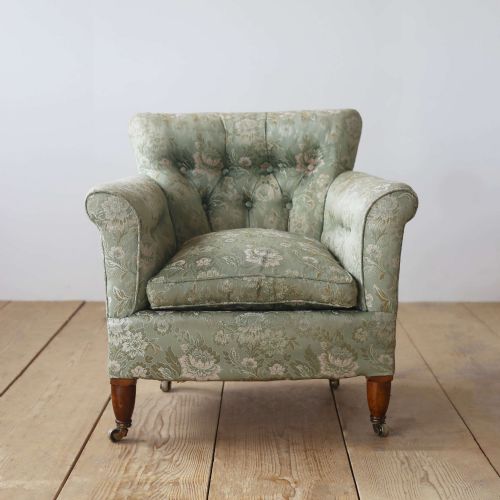
Victorian armchairs typically display heavier proportions, scroll arms, and dark mahogany frames. They often incorporate button-back upholstery and deep springing developed during the nineteenth century.
Makers from this period focused on comfort and substantial padding, distinguishing them from lighter eighteenth-century precursors.
What is a Howard style armchair?
A Howard style armchair refers to deep-seated, generously proportioned seating modelled after the renowned nineteenth-century firm. These chairs prioritize ergonomic lounging through low arms and sprung seats.
Original examples or quality interpretations feature subtle curves and exceptional interior padding.
How should I care for mahogany frames?
Mahogany woodwork requires minimal intervention, benefiting mainly from occasional dusting with a dry cloth. Avoid placing these pieces in direct sunlight or near heat sources to protect the timber.
Preserving the natural finish maintains the deep lustre developed over centuries of polish and handling.
What does upholstered in calico mean?
Upholstered in calico means the armchair has received its foundational fabric layer without a final decorative textile. This allows buyers to select their own top cover to match existing interiors.
Underneath the calico, traditional horsehair, springs, and hessian remain intact.
Are wing chairs comfortable?
Wing chairs provide exceptional support due to high backs and enclosed side wings designed for posture. Nineteenth and twentieth-century iterations added deep coil springing to enhance daily lounging.
Their generous dimensions make them suitable for prolonged sitting in studies or living rooms.