
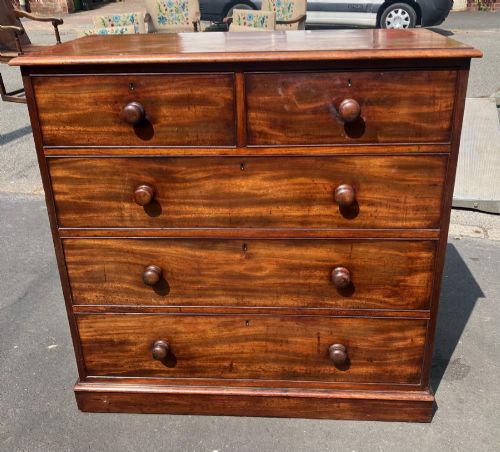
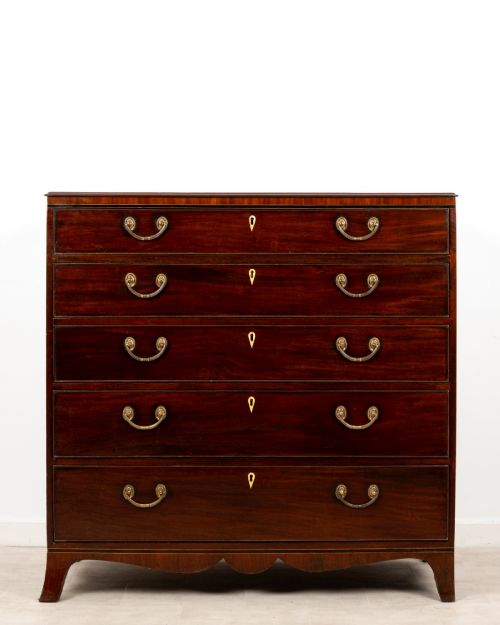
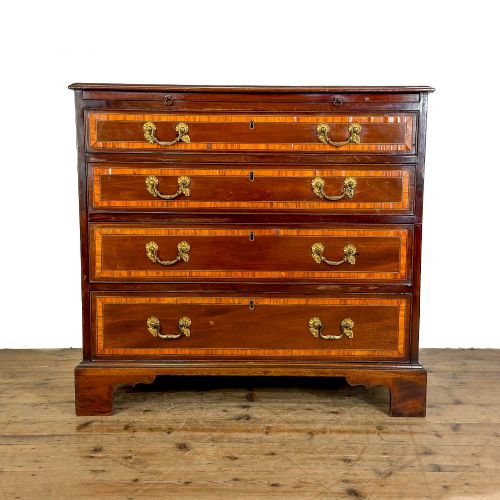
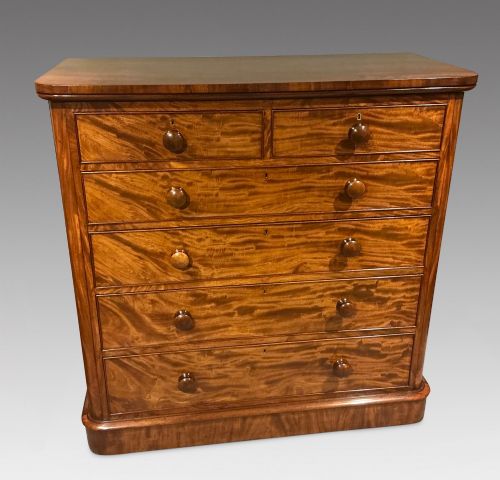
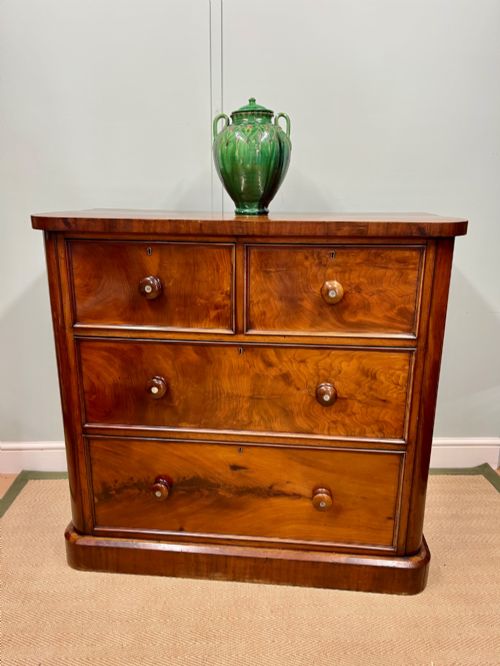


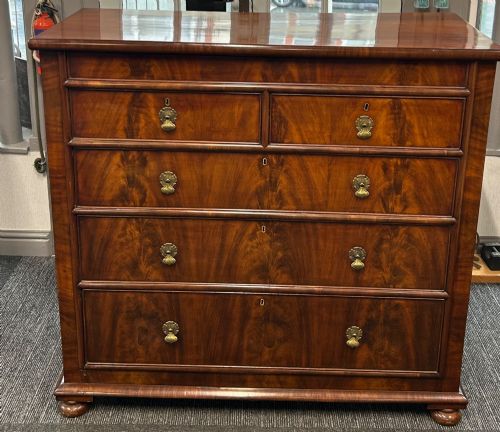
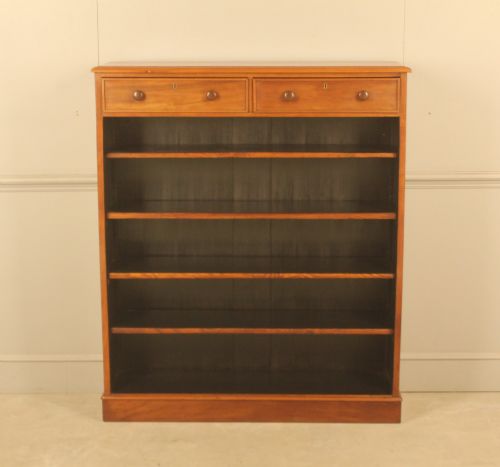


Traditional Mahogany Drawer Unit
These traditional mahogany drawer unit examples bring warm timber tones and period storage to any room.
Traditional Mahogany Drawer Unit
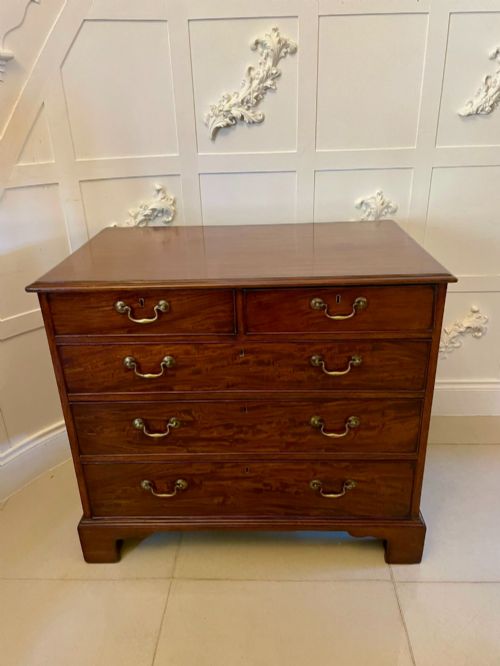
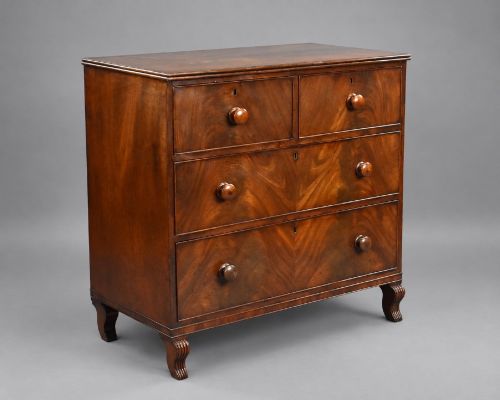
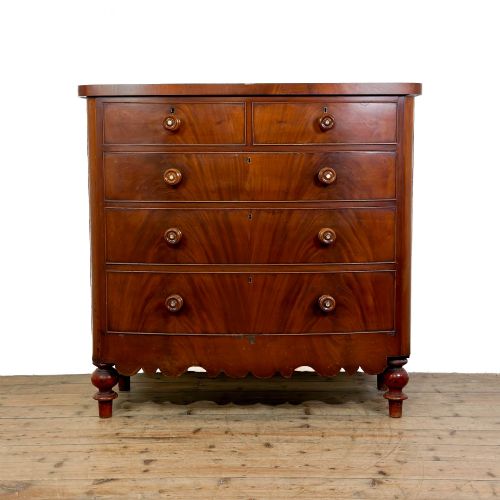
A traditional mahogany drawer unit brings substantial storage and deep timber colour into a home, rooted in centuries of cabinet making. When you search for a traditional mahogany drawer unit, you encounter robust forms ranging from compact bedside pieces to tall chests.
The selections on this page draw heavily from the Victorian and Georgian eras, alongside later Regency style revivals. Chests of drawers dominate the offerings, built with multiple operating drawers designed to hold linens and garments.
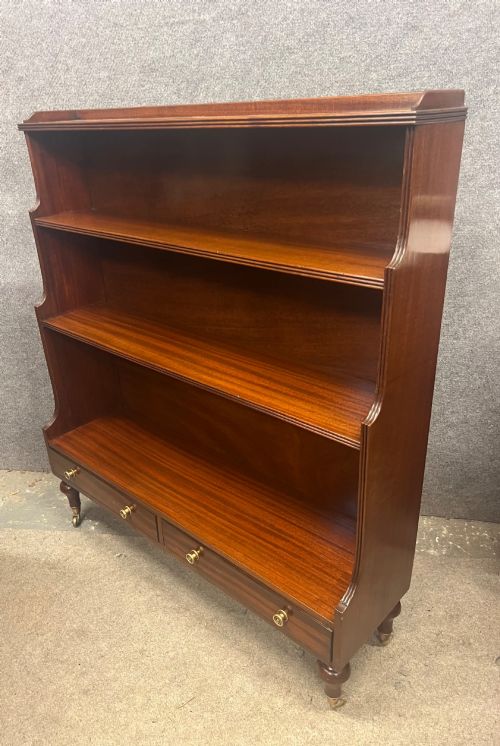
Alongside standard chests, you find specialised forms like bachelor chests, tallboys, and narrow drawer units. These varied silhouettes share a reliance on solid wood construction and practical compartmentalized storage.
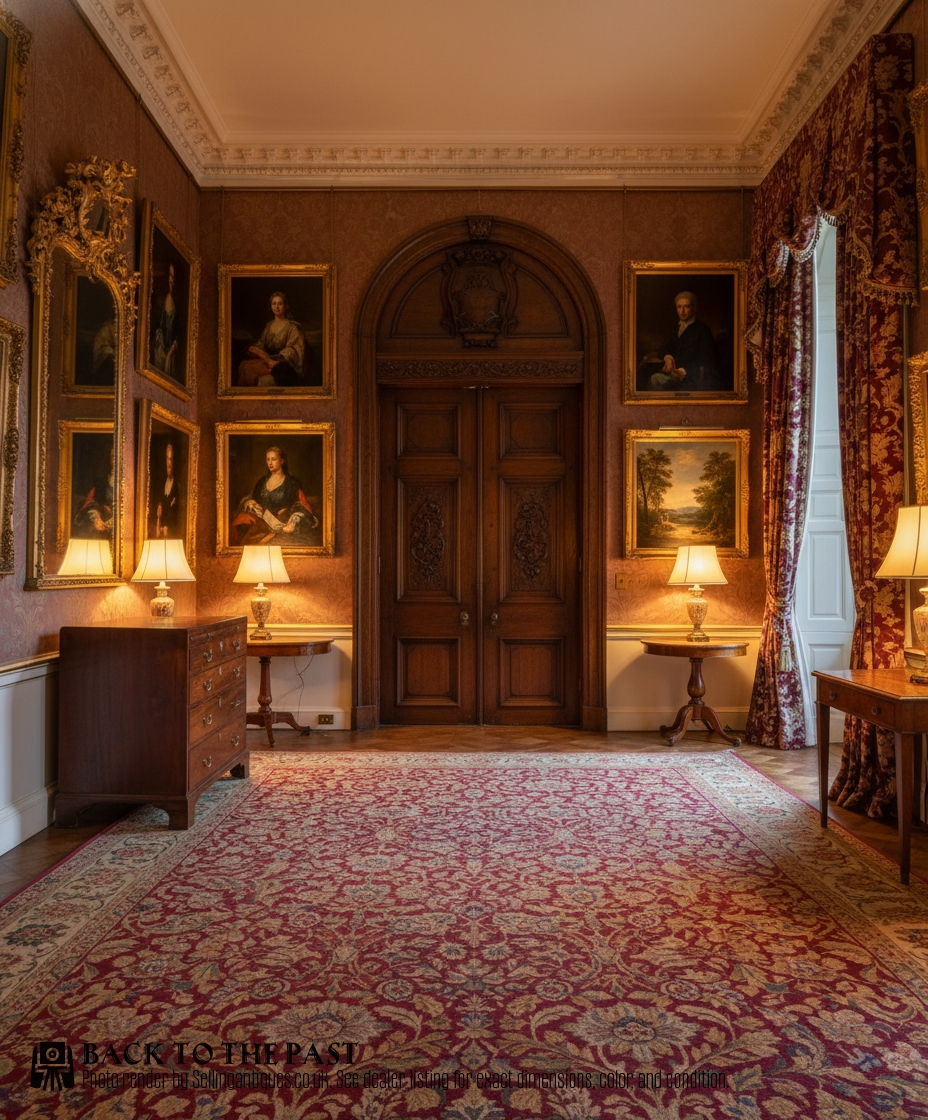
What Varies In Quality
Quality rests on the selection of timber and the precision of the cabinet work rather than mere age. Superior examples display carefully matched flame mahogany grain across the drawer fronts and smooth, unwarped drawer running actions.
Finer pieces exhibit crisp hand-cut dovetailing, intact secondary woods, and original brass hardware without modern replacements. The depth of the hand-applied polish and the tightness of veneer application separate workshop pieces from mass production.
Traditional Mahogany Drawer Unit Retail Price Guide 2026
Typical asking prices for traditional mahogany drawer unit among the pieces listed under this phrase on Sellingantiques today, from the lower quarter to the upper quarter. They describe what is for sale here now, not the wider market.
Some Victorian chests hide small secret drawers tucked away behind the main top moulding.
The Traditional Mahogany Drawer Unit Glossary
- Flame mahogany
- A veneer cut from the fork of the mahogany tree to create a distinctive flickering flame pattern. Cabinet makers reserved this striking grain for principal surfaces like drawer fronts.
- Dovetail joint
- A traditional interlocking woodworking joint formed by interlocking wedge-shaped fingers. This construction method provides exceptional tensile strength for drawer corners.
- Bachelor's chest
- A compact chest of drawers featuring a pull-down writing slide or fold-over top. It originated as versatile furniture for smaller private chambers.
- Tallboy
- A tall chest of drawers constructed in two stacked sections, often combining a chest base with an upper cabinet. This form maximises vertical storage capacity.
- Escutcheon
- A protective plate surrounding a keyhole, usually cast in brass. It prevents the wood around the lock from splitting during regular use.
Traditional Mahogany Drawer Unit: Frequently Asked Questions
What periods do these pieces come from?
The listings span multiple centuries, incorporating pieces from the Georgian, Regency, and Victorian eras. You also find early twentieth-century revivals styled after earlier designs.
These later interpretations replicate the proportions and timber choices of nineteenth-century workshops while offering alternative date brackets for collectors.
How do I maintain mahogany furniture?
Keep wooden surfaces away from direct heat sources and strong sunlight to prevent the timber and polish from drying out. Regular dusting with a dry lint-free cloth preserves the natural sheen.
Apply traditional beeswax periodically to nourish the grain and protect the finish without building up heavy chemical layers.
Are these units suitable for modern bedrooms?
The varied dimensions, including narrow and low profiles, allow these pieces to fit easily into contemporary bedroom layouts. Their deep storage capacity matches modern organizational needs.
Pairing antique wood with modern interiors adds textural contrast while providing durable, functional storage space.
What is a two-part chest design?
A two-part chest consists of separate upper and lower cabinet sections stacked on top of one another. This modular construction originated to make heavy furniture easier to transport.
Such designs frequently appear in larger Georgian and Regency pieces intended for upper-floor rooms.