



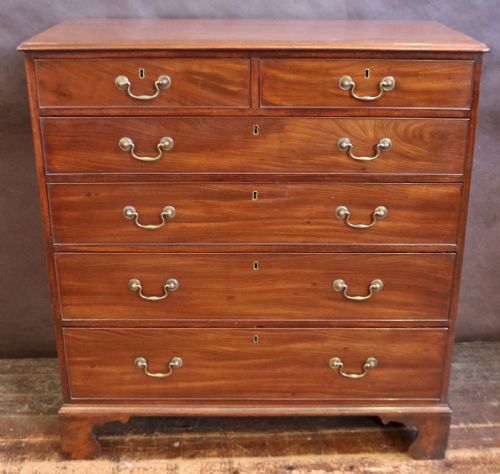


Traditional Mahogany Coffer Chest
These traditional mahogany coffer chest examples offer generous storage and rich timber grain, bringing centuries of practical craftsmanship into your home.
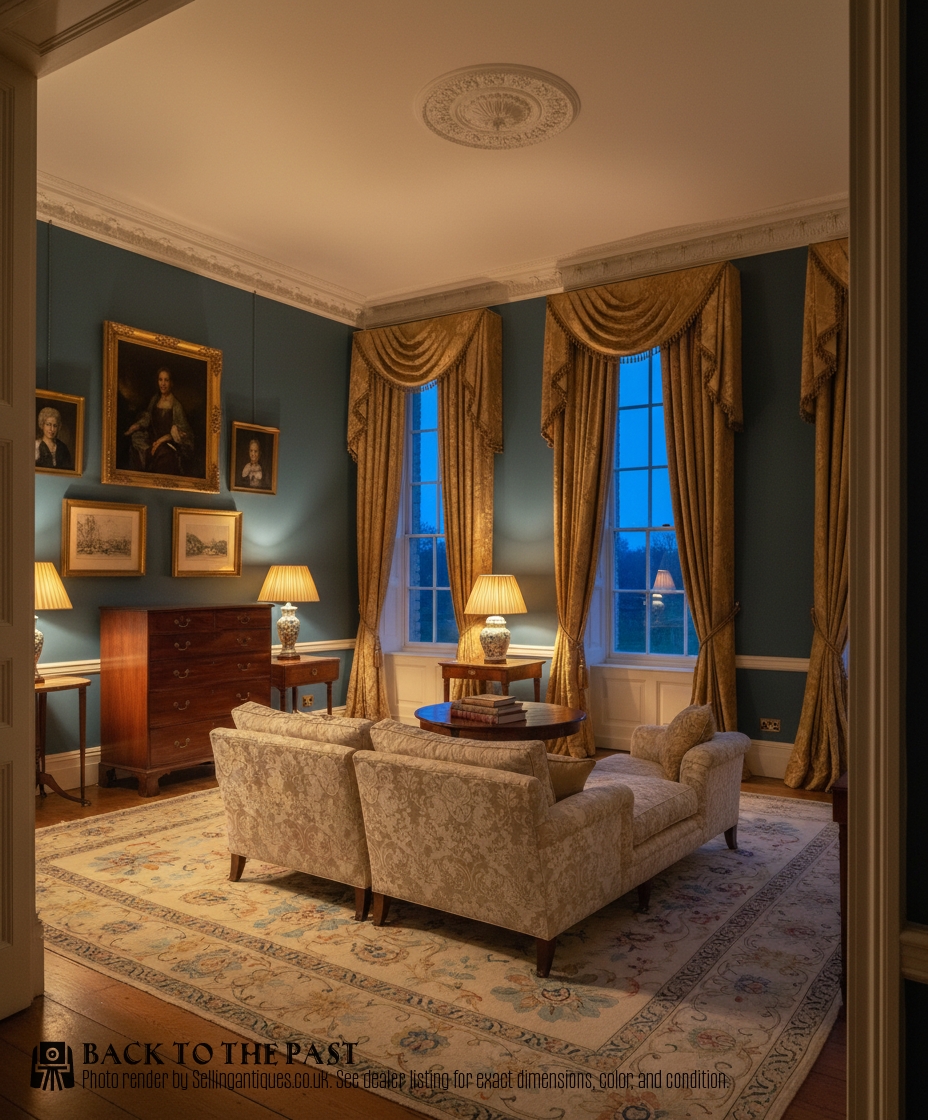
Traditional Mahogany Coffer Chest
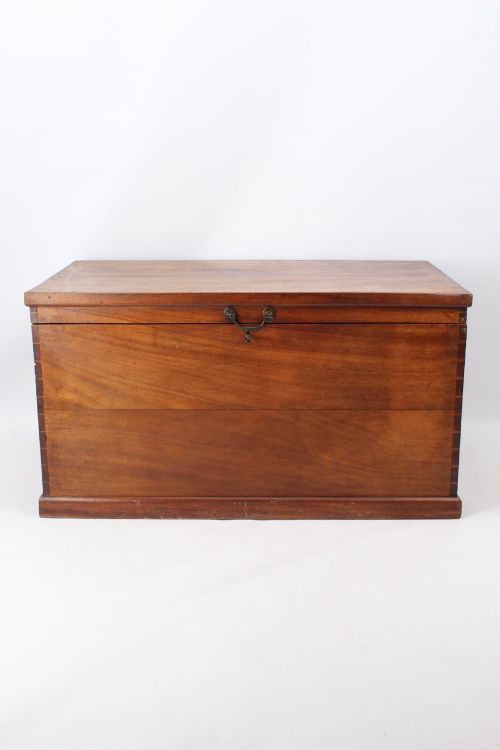
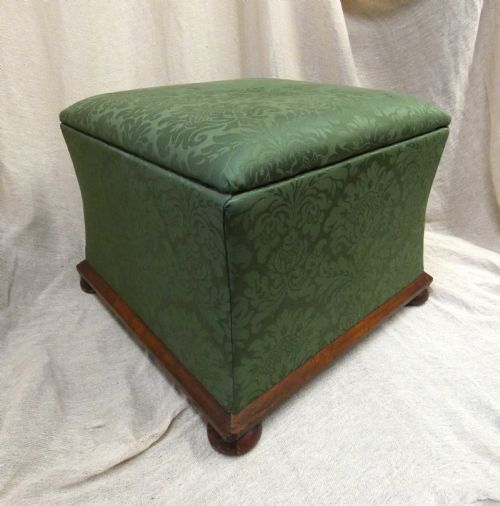
A traditional mahogany coffer chest encompasses deep storage boxes, mule chests, blanket boxes, and drawer-fitted chests spanning the Georgian, Victorian, and Edwardian periods. Buyers searching this phrase meet robust storage furniture that ranges from early eighteenth-century crossbanded examples to refined nineteenth-century designs.
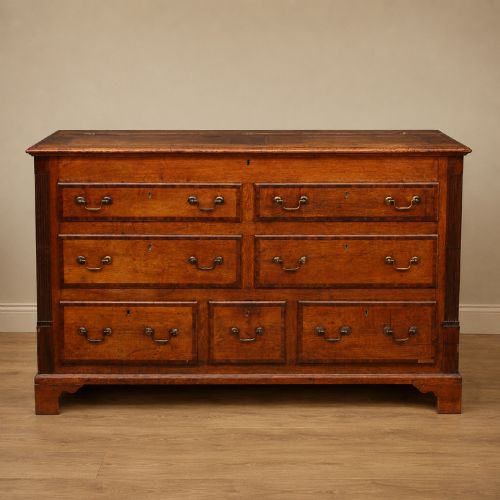
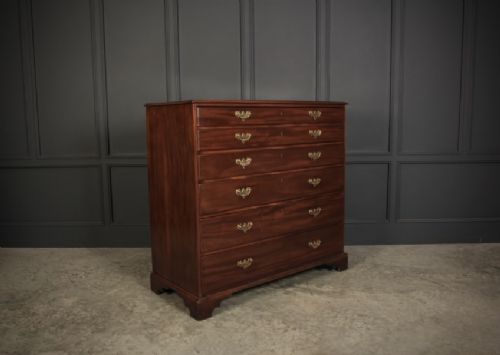
The selection on this page leans heavily toward Georgian and Victorian interpretations, frequently combining mahogany with secondary timbers such as oak and pine. Formats vary from simple lidded trunks to elaborate mule chests fitted with lower drawer storage and Chippendale-influenced proportions.
Regional variations also appear within the evidence, including Cape Dutch colonial pieces and block front forms alongside standard British cabinetmaking. Each piece serves primarily as a substantial repository for household linens or garments while establishing a strong visual anchor in a room.
Distinctions in quality and execution
The caliber of a traditional mahogany coffer chest rests in the selection of the timber grain, particularly the use of matched flame veneers or crossbanding. Superior examples display refined proportions, crisp moulding details, and original brass hardware rather than later replacements.
Structural integrity depends on the precision of the dovetail joints and the stability of the secondary timbers like oak and pine. Pieces retaining their original interior fittings and patination command greater regard from collectors than heavily restored counterparts.
Listings span pieces from the early eighteenth century through to the Edwardian period, utilising mahogany, oak, pine, brass, and leather.
The Traditional Mahogany Coffer Chest Glossary
- Crossbanding
- A border technique where thin strips of veneer are laid perpendicular to the grain of the main surface. This creates a neat framing effect common on Georgian cabinetwork.
- Mule chest
- A storage chest featuring one or more drawers beneath the main lidded compartment. It bridges the gap between a traditional blanket box and a full chest of drawers.
- Flame mahogany
- A veneer cut from the branch junction of the tree, producing a distinctive flickering flame pattern. Cabinetmakers reserved this timber for primary display surfaces.
- Block front
- A furniture front divided vertically into three distinct sections, with the outer two raised and the central section recessed. This technique adds substantial sculptural depth to the piece.
- Escutcheon
- A protective plate surrounding a keyhole, usually fashioned from brass. It guards the surrounding wood from wear caused by the insertion of keys.
Traditional Mahogany Coffer Chest: Frequently Asked Questions
How do I date a mahogany chest?
Dating relies on examining the construction methods, such as hand-cut dovetails and the choice of secondary woods like oak or pine inside the drawers. Hardware style and timber grain patterns also offer clear clues to whether a piece originates from the Georgian or Victorian era.
Later Victorian and Edwardian examples often feature standardised machine-sawn components and different interior linings. Comparing these physical characteristics against known period styles helps establish a reliable timeline for each chest.
What is a mule chest?
A mule chest is a traditional storage piece that combines a top-opening blanket box with one or more drawers fitted in the base. This design evolved to provide easier access to stored items without needing to lift out the entire contents from above.
Such pieces frequently date from the Georgian period and served practical housekeeping roles in large domestic settings. They offer a hybrid storage format that accommodates both bulky textiles and smaller folded garments.
How should I care for mahogany?
Maintenance involves keeping the timber away from direct heat sources and strong sunlight to prevent the mahogany finish from drying out or fading. Regular dusting with a soft, dry cloth preserves the natural lustre of the wood without building up heavy wax layers.
Occasional application of a suitable beeswax polish helps nourish the grain and protects the surface from minor scuffs. Avoiding excessive moisture is essential for preserving both the solid timber and delicate veneer work.
Where did these chests originate?
The pieces originate primarily from British workshops influenced by prevailing stylistic movements such as Chippendale, Regency, and early Georgian design. Regional variations and colonial interpretations also appear within the wider group of surviving furniture.
Cabinetmakers across different counties and international outposts adapted standard forms using locally available hardwoods alongside imported mahogany. This creates a diverse range of regional characteristics within the same overarching furniture category.