


Traditional Mahogany Candle Stand
A traditional mahogany candle stand brings functional timber and brass work into a room, offering a sturdy perch for illumination or small objects.
Traditional Mahogany Candle Stand
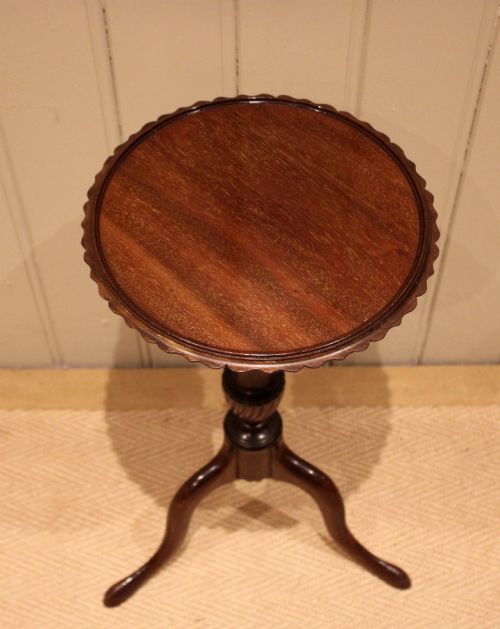
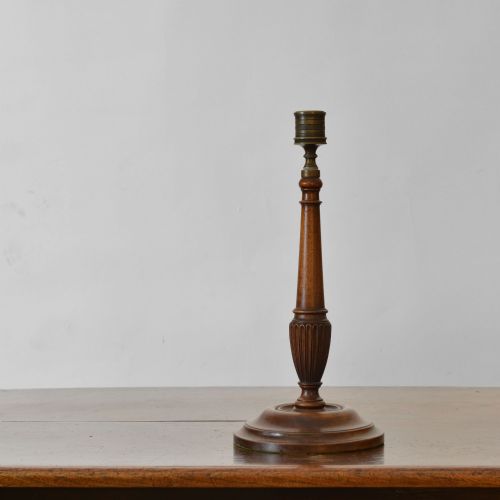
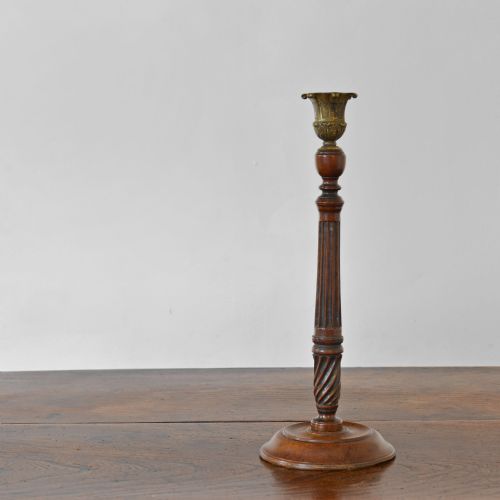
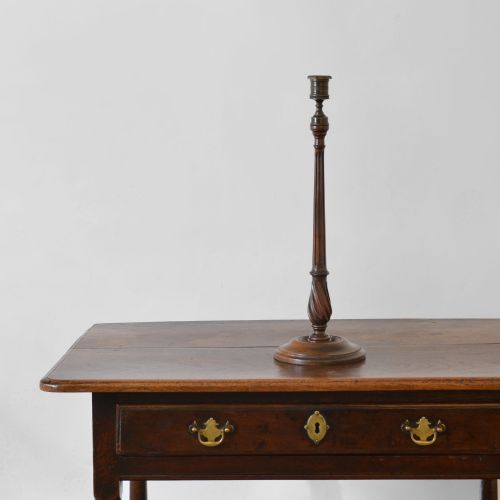
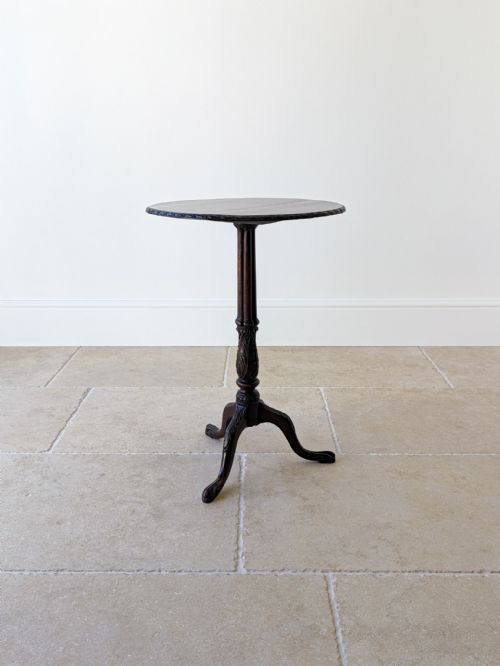
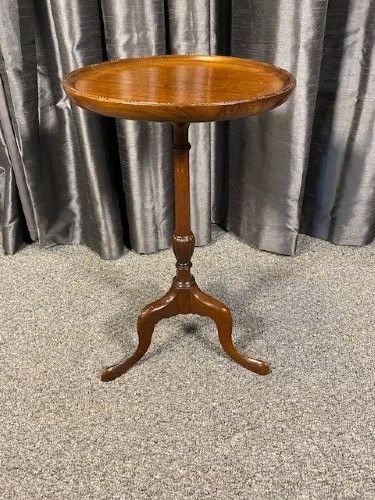
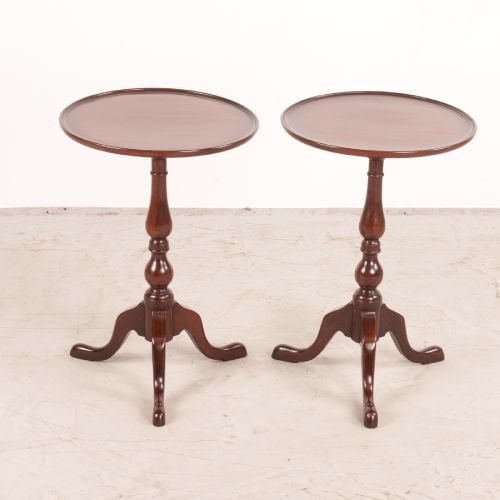
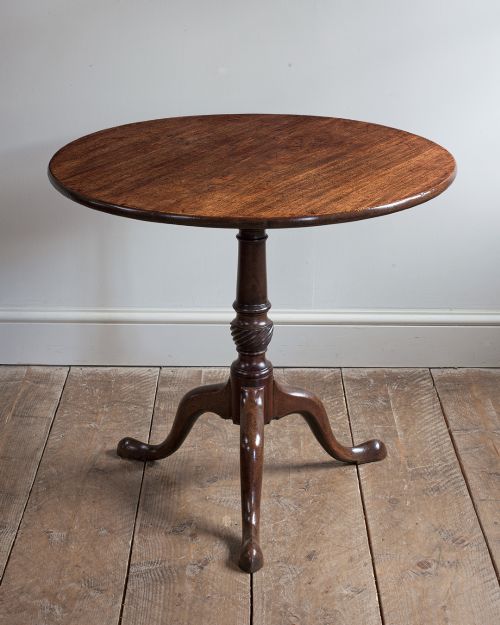
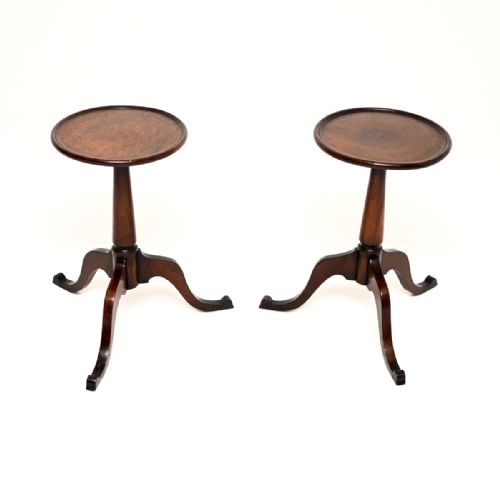
A traditional mahogany candle stand encompasses a range of small timber forms, including candlesticks, wine tables, tripod tables, torchere plant stands, and urn stands. These pieces emerge from the eighteenth century, the Georgian period, and through the nineteenth and early twentieth centuries under Victorian, Edwardian, and Regency influences.
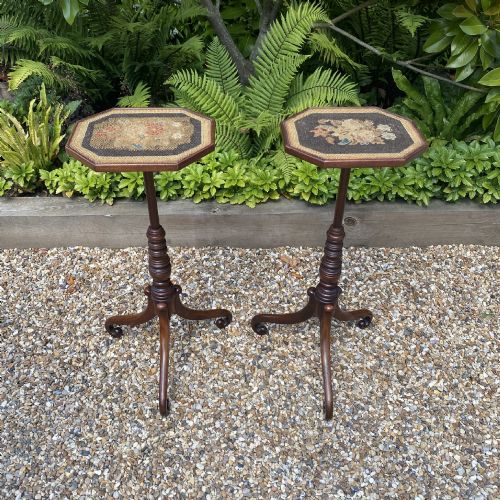
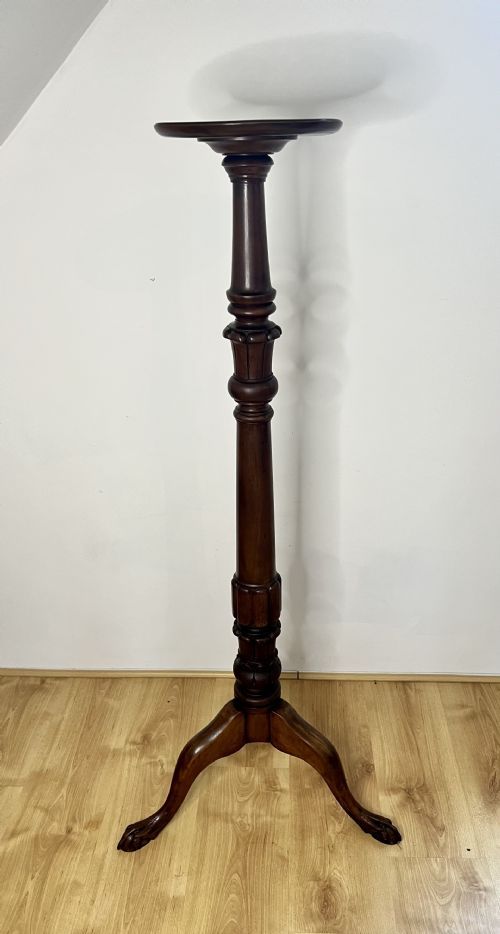
The most common examples on this page are wine tables and tripod tables alongside tall candlesticks and plant stands. Makers utilised rich timber and occasionally incorporated brass, satinwood inlay, or needlepoint textiles into the designs.
Materials and construction
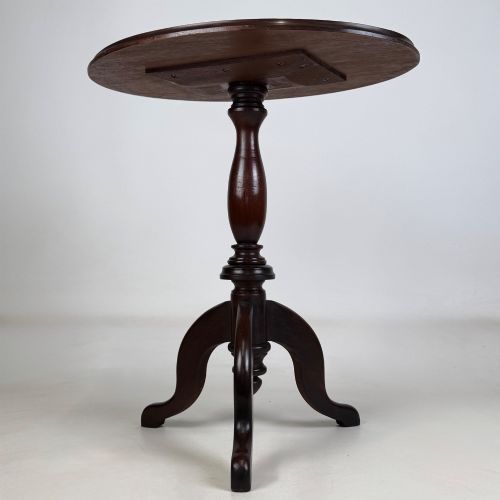
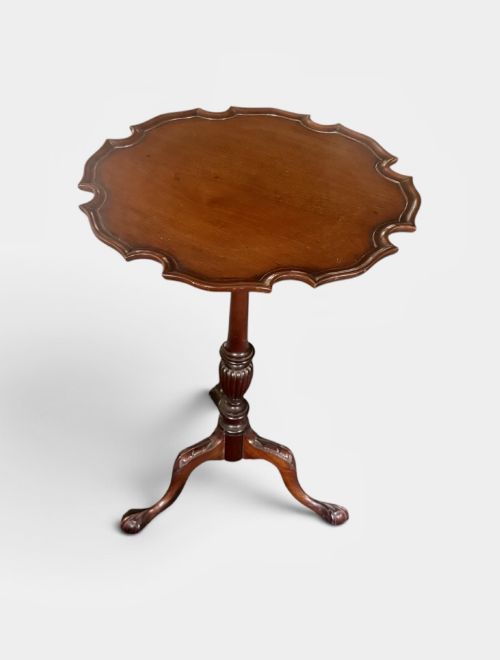
Makers constructed these stands primarily from mahogany timber, sometimes enriched with satinwood inlay, wood inlay, or paired with brass components and turned wood. Selected pieces utilise tilt tops, detachable tops, or shaped pie crust rims on tripod bases.
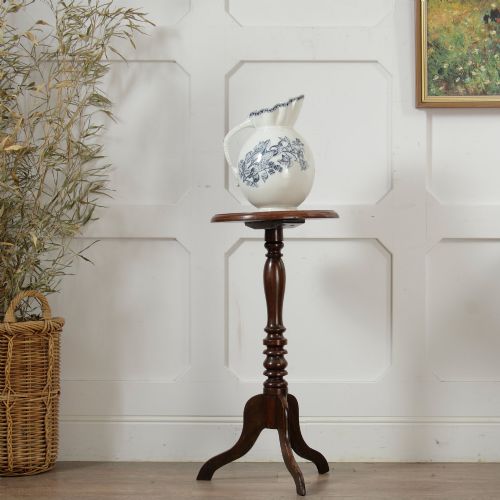
Turning and carving techniques define the supports, from bobbin turned occasional tables to tall torchere plant stands and candlesticks. Joinery relies on traditional carpentry methods suited to balancing narrow shafts with stable three-legged bases.
Listings span from the 18th century through the Georgian, Victorian, and Edwardian periods, employing mahogany, brass, satinwood, and needlepoint textile.
Judging execution and timber
Quality rests in the selection of the mahogany figure and the crispness of the turned or carved details on the shaft and feet. Superior examples display balanced proportions between the small top surface and the supporting tripod base.
Integration of secondary materials such as brass fittings or delicate wood inlay separates standard utilitarian pieces from finer decorative stands. The smoothness of tilt-top mechanisms and stability of the joints further distinguish the grade of manufacture.
The Traditional Mahogany Candle Stand Glossary
- Tripod table
- A small freestanding table supported by a pillar on three legs. This form allows the top to remain stable on uneven floors.
- Torchere
- A tall stand designed to support a light or candle. These pieces often feature slender turned columns and elevated platforms.
- Tilt top
- A tabletop hinged to the pedestal so it can pivot vertically when not in use. This mechanism saved space in period interiors.
- Pie crust rim
- A raised, decoratively carved tabletop edge resembling pastry work. It prevents items from rolling off the surface.
- Inlay
- A technique where contrasting materials such as satinwood are inserted into recesses within the primary timber. This adds decorative detail to plain surfaces.
Traditional Mahogany Candle Stand: Frequently Asked Questions
What is a traditional mahogany candle stand used for?
These stands serve as portable supports for lighting devices, small lamps, or decorative urns in living spaces. Their compact footprint allows them to sit beside seating areas or in corners.
Historically, taller torchere stands elevated candles to cast light across a room, while smaller wine tables held evening refreshments.
How do I date a mahogany tripod table?
Dating relies on examining the timber grain, construction joints, and turnings of the central pillar and legs. Georgian and eighteenth-century examples display hand-cut joinery and dense, aged mahogany.
Later Victorian, Edwardian, and revival pieces often exhibit machine tooling, softer secondary woods, or standardised brass fittings.
Are tilt top tables stable?
A well-made tilt top mechanism locks securely into place with a brass catch or wooden peg when horizontal. Over time, the pivot block can wear, causing slight movement.
Checking the block beneath the top reveals whether the original wooden pivot mechanism remains intact and functioning correctly.
How do I care for mahogany furniture?
Mahogany benefits from occasional waxing using traditional beeswax to nourish the timber and maintain a soft lustre. Avoid placing these stands in direct sunlight or near heat sources to prevent the wood from drying out.
Dusting with a dry, soft cloth prevents particulate buildup on carved rims and turned pedestals.