



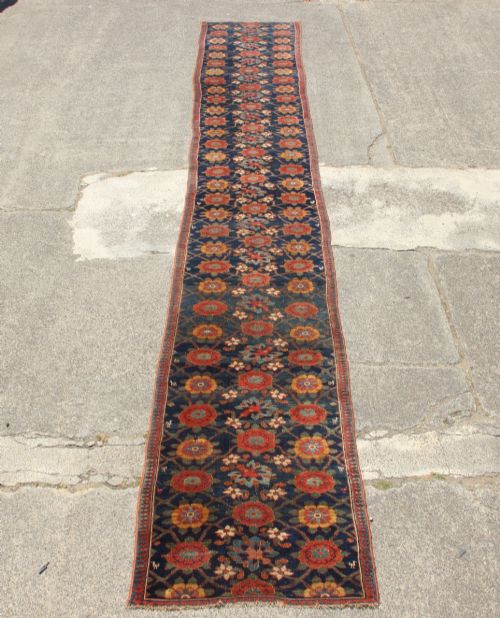
Traditional Long Runner
Traditional long runner floor coverings bridge narrow spaces with enduring patterns rooted in Persian, Caucasian, Anatolian, and tribal traditions.
Traditional Long Runner
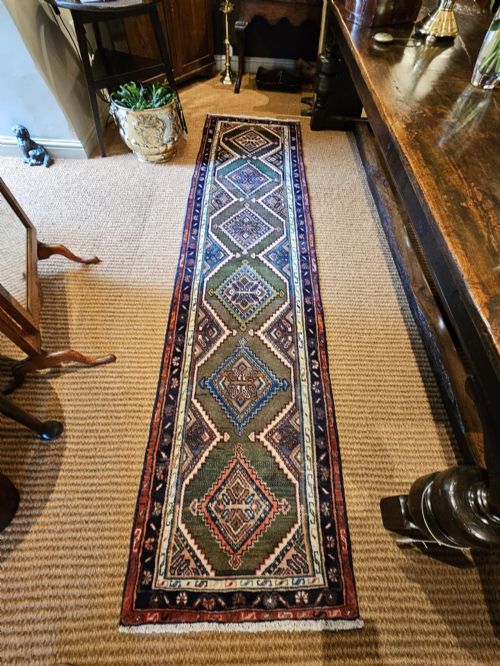
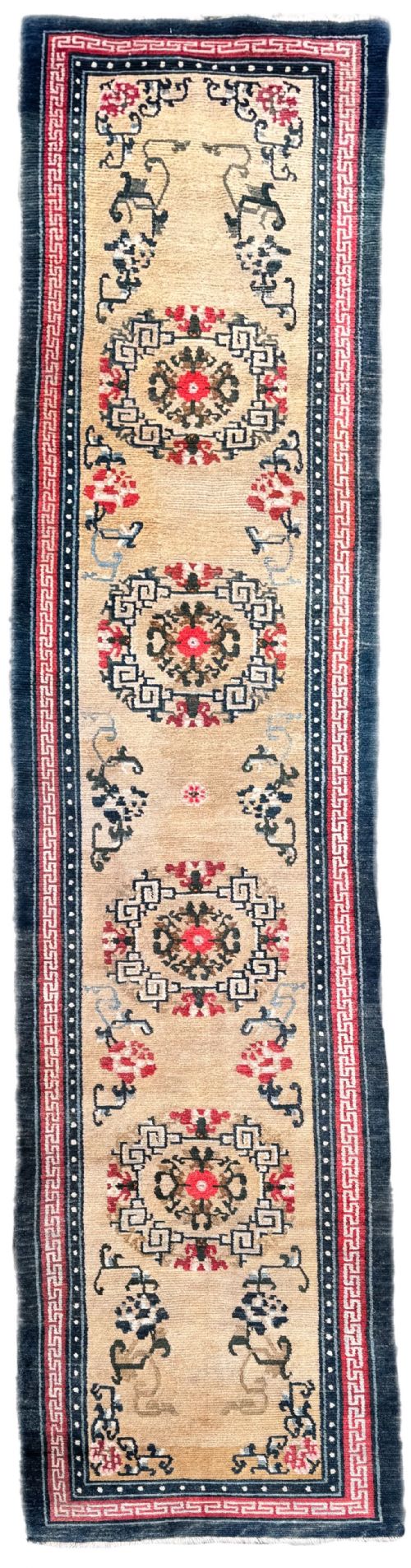
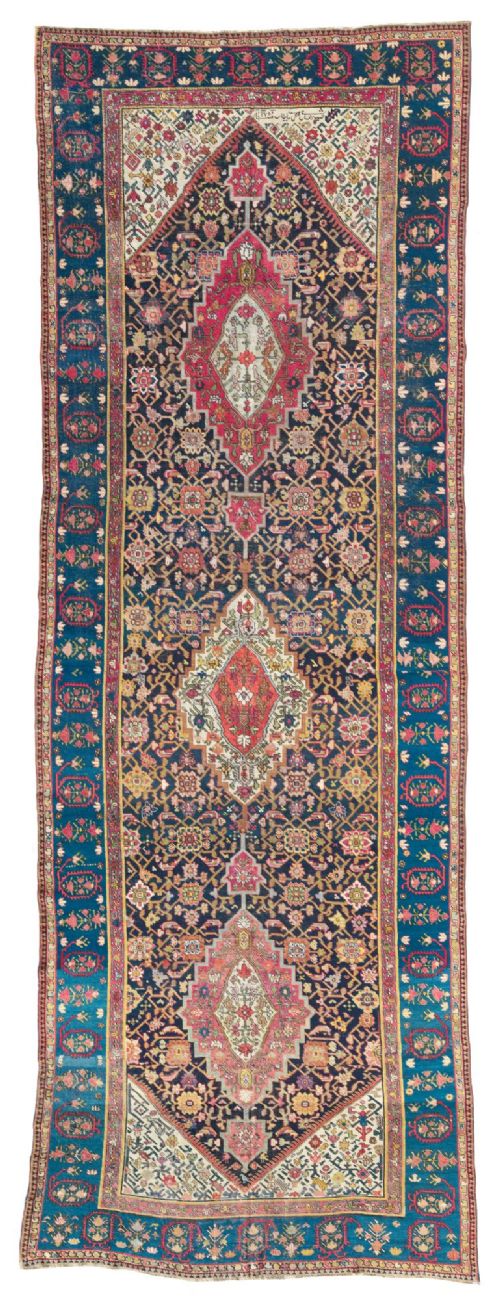
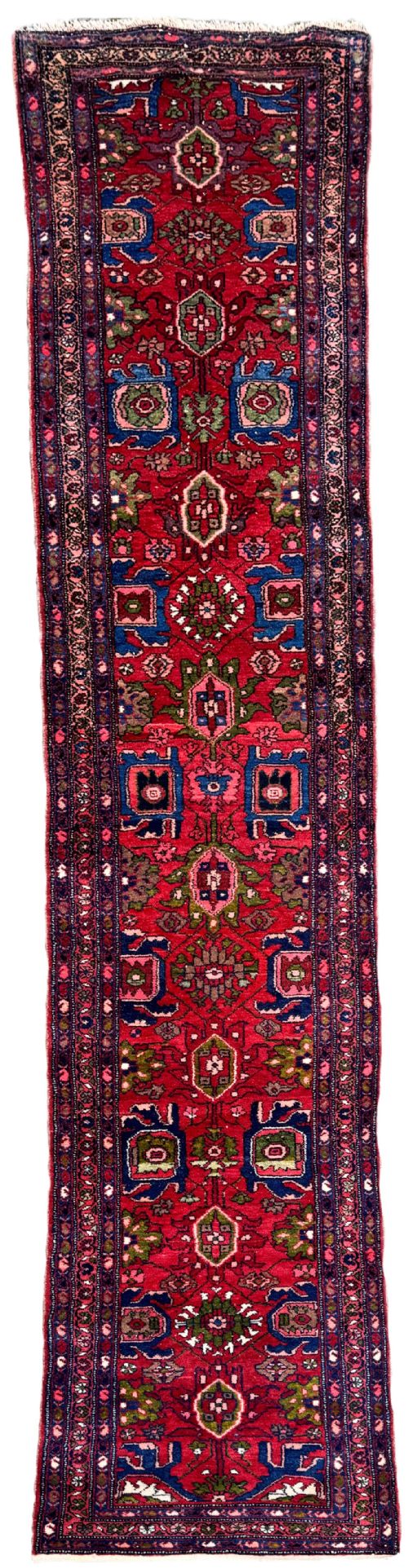
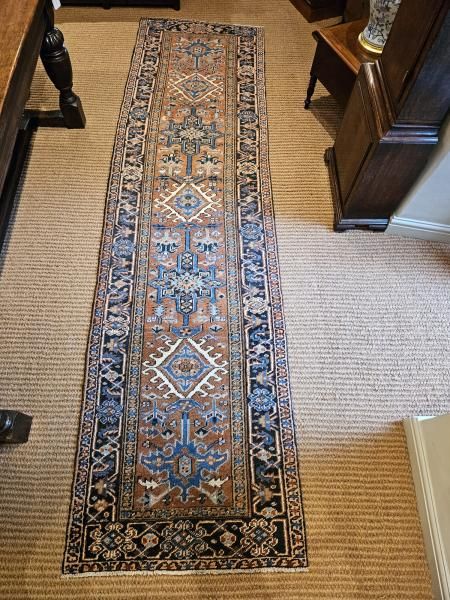
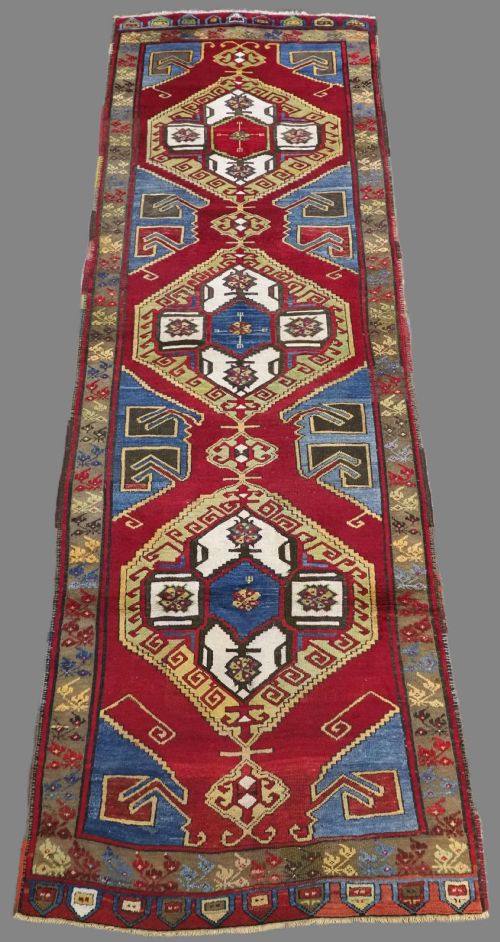
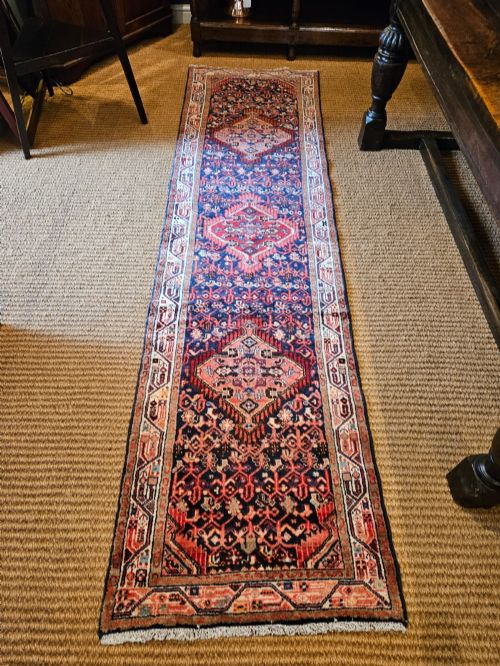
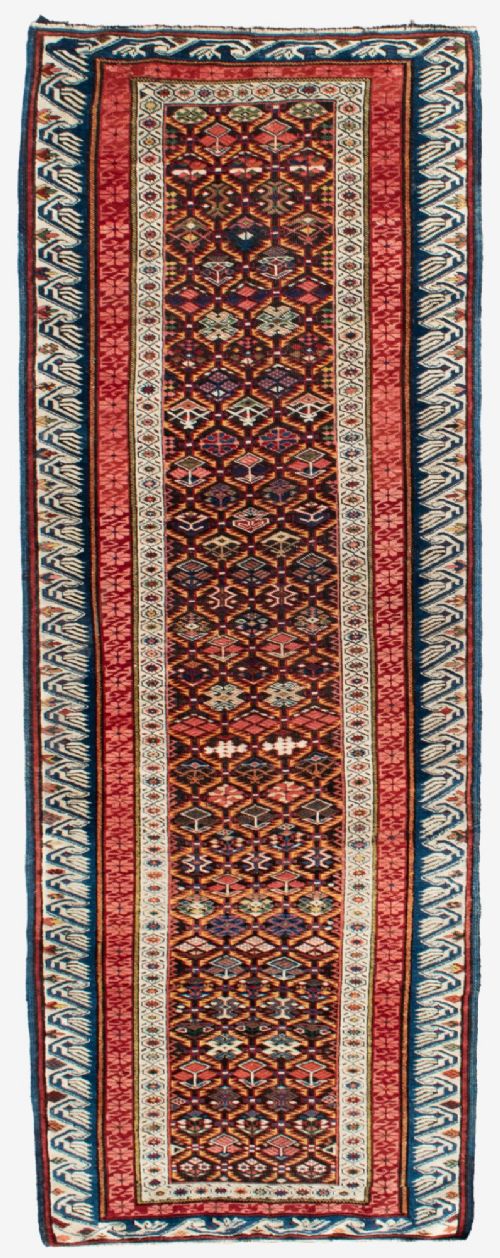
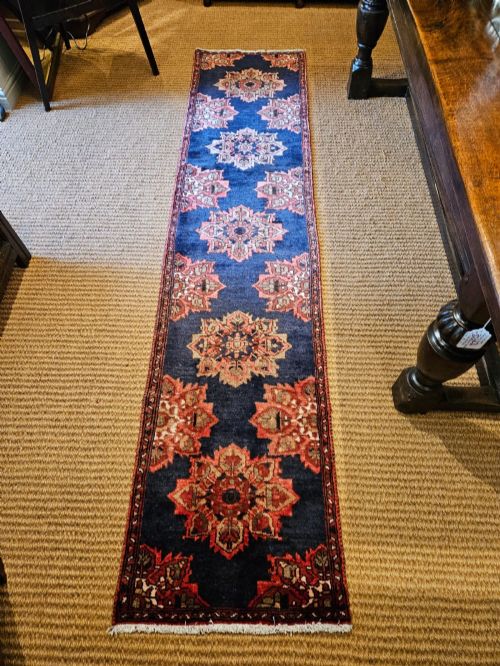
A traditional long runner is a narrow rectangular floor covering designed for hallways, landings, and extended corridors. These pieces span periods from the nineteenth century through the mid twentieth century, originating across Persia, Turkey, the Caucasus, and wider tribal regions.
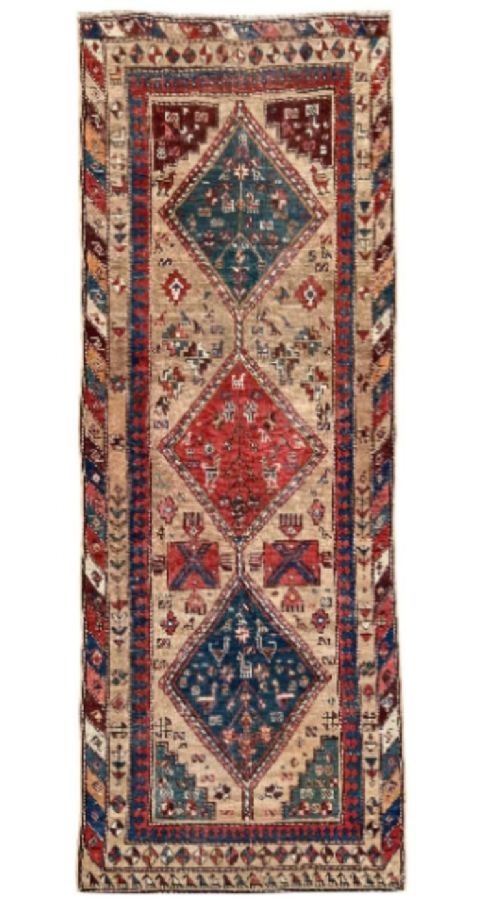
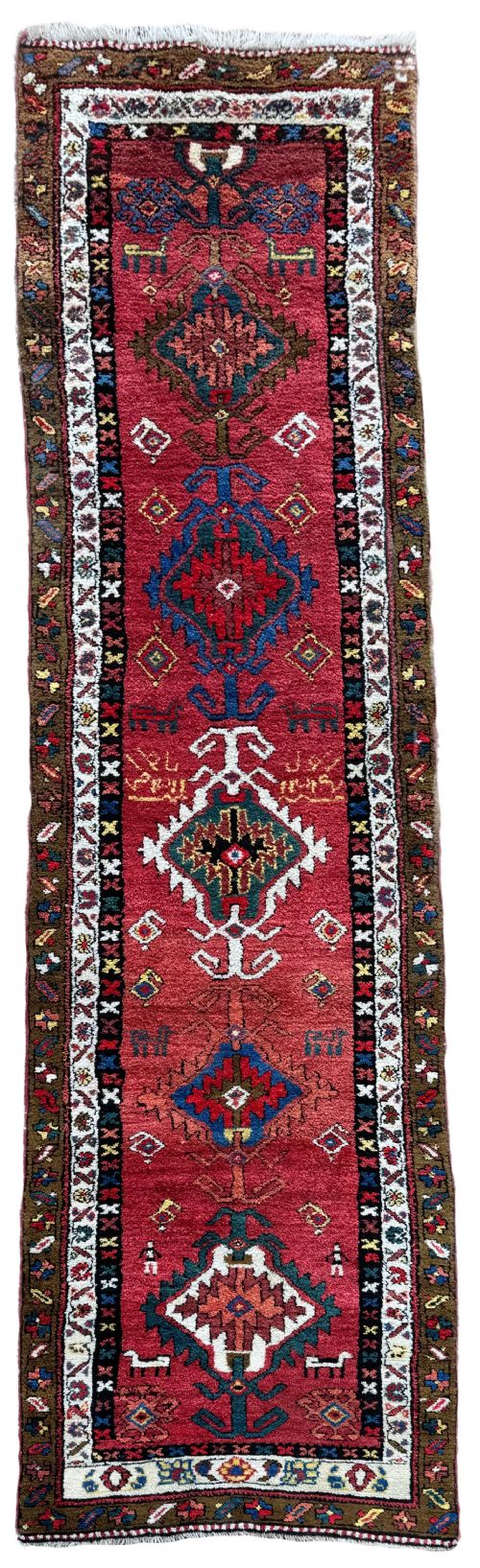
Buyers encounter regional forms such as Kurdish, Heriz, Hamadan, Oushak, and Karabagh examples. They measure significantly longer than they are wide, serving to anchor long traffic spaces with geometric and floral compositions.
How they were made
These textiles rely primarily on wool, cotton, and hand-spun wool foundations and pile yarns. Artisans hand-wove the structures using traditional knotting and weaving techniques particular to specific workshops and nomadic tribes.
Natural materials provide the backbone for these pieces, yielding dense piles and durable flatweaves capable of withstanding generations of foot traffic in domestic halls and country houses.
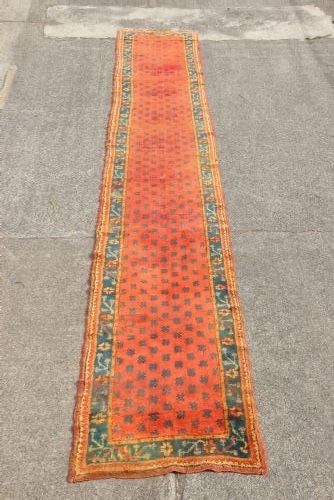
One remarkably long hall runner stretches an impressive thirty-two feet, ready for a very grand corridor indeed.
What varies in quality
Quality rests upon the fineness of the weave, the integrity of the wool, and the complexity of the design layout. Finer knots and hand-spun wool create sharper pattern definition and greater resilience over decades of use.
The sophistication of the tribal or regional design, alongside the depth and harmony of the natural dye palette, distinguishes standard utility carpets from exceptional collector pieces.
The Traditional Long Runner Glossary
- Runner
- A long, narrow carpet format specifically proportioned for corridors, hallways, and stairs. This shape guides movement through domestic architecture.
- Kelleh
- A large format rug that is longer than a standard carpet but broader than a typical corridor runner. It bridges the gap between room-size carpets and narrow passage rugs.
- Hand-spun wool
- Yarn spun by hand rather than by industrial machinery, resulting in variable thickness and a rich absorption of dye. This material adds organic texture to antique piles.
- Gul
- A medallion or repeating octagonal motif used extensively in tribal weaving traditions. These designs often identify the specific group or region that made the textile.
Traditional Long Runner: Frequently Asked Questions
Where do traditional long runners work best?
These narrow floor coverings fit naturally into hallways, long corridors, and landings where standard room-sized carpets prove too wide.
They transform empty transitional spaces by introducing colour, texture, and historical pattern underfoot.
How do I care for an antique wool runner?
Regular gentle vacuuming without a rotating brush roll protects the wool pile from accumulating damaging grit and dust.
Professional specialist cleaning maintains the integrity of the natural fibres and dyes over decades of residential use.
What is the difference between Kurdish and Heriz runners?
Kurdish runners frequently display expressive tribal motifs and fine Mina Khani patterns woven by regional Kurdish communities.
Heriz runners typically present bolder, geometric medallion structures originating from the Heris district in northwest Persia.
How can I tell the age of a runner?
Age is indicated by the construction materials, such as hand-spun wool foundations, alongside traditional regional design characteristics.
Subtle wear patterns and organic dye variations further point to nineteenth and early twentieth-century production methods.