




Oriental Hall Carpet
An oriental hall carpet brings long-format traditional design and historic hand-knotted structure into a narrow corridor space.
Oriental Hall Carpet
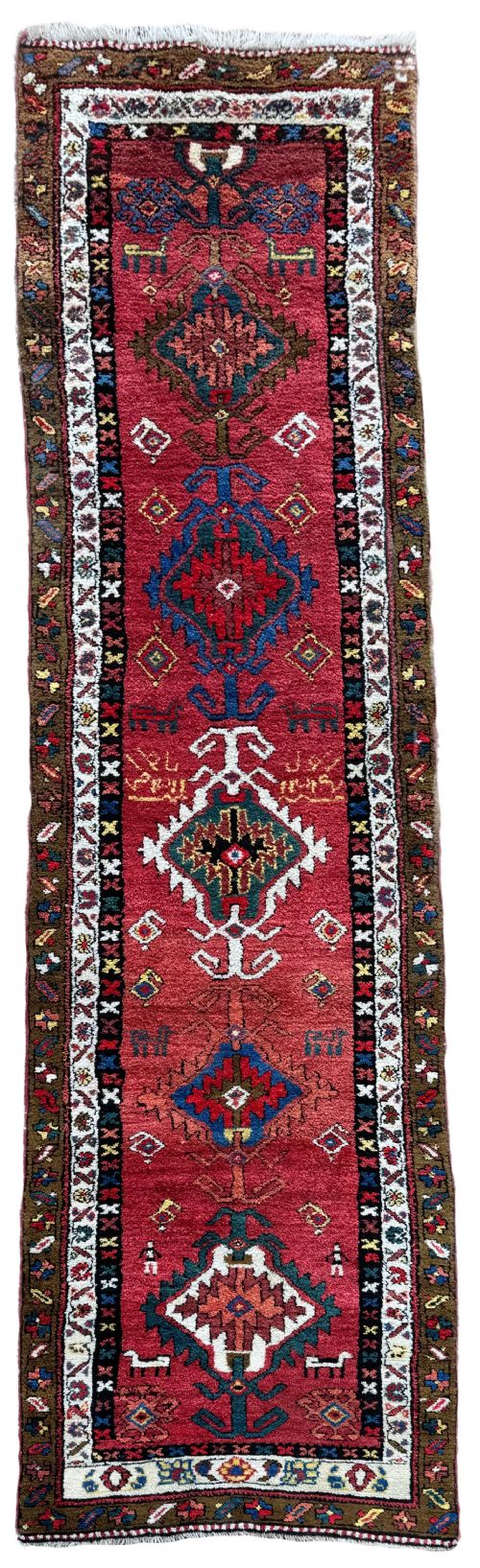
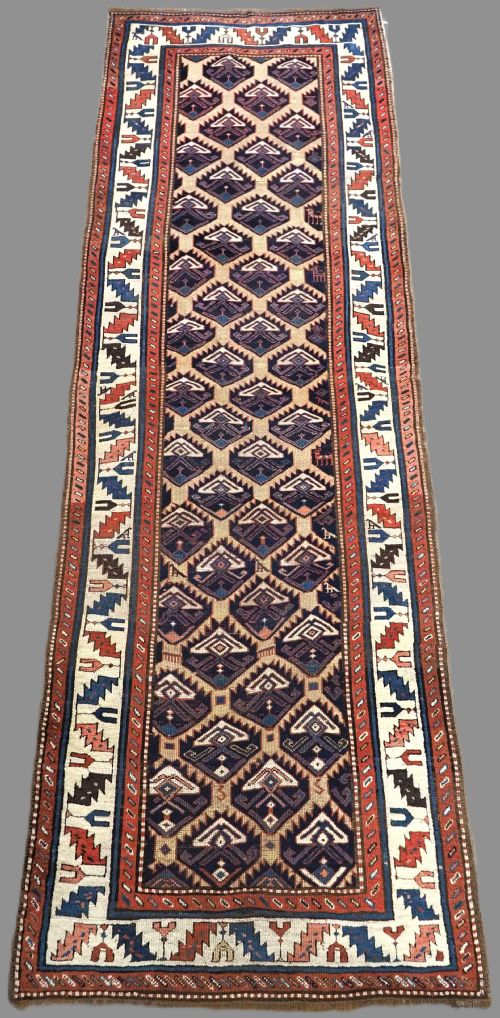
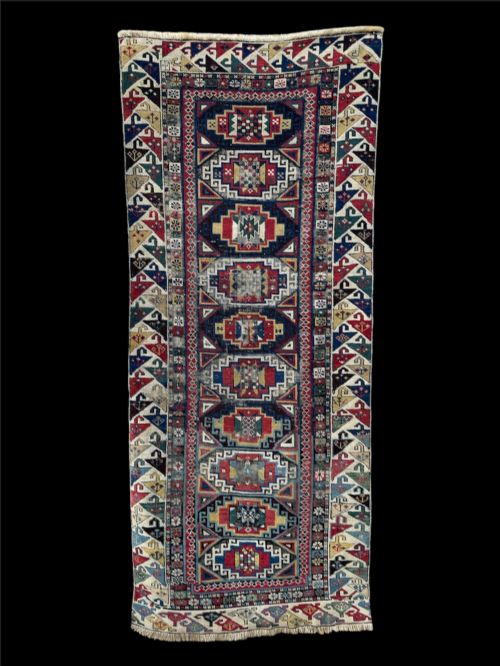
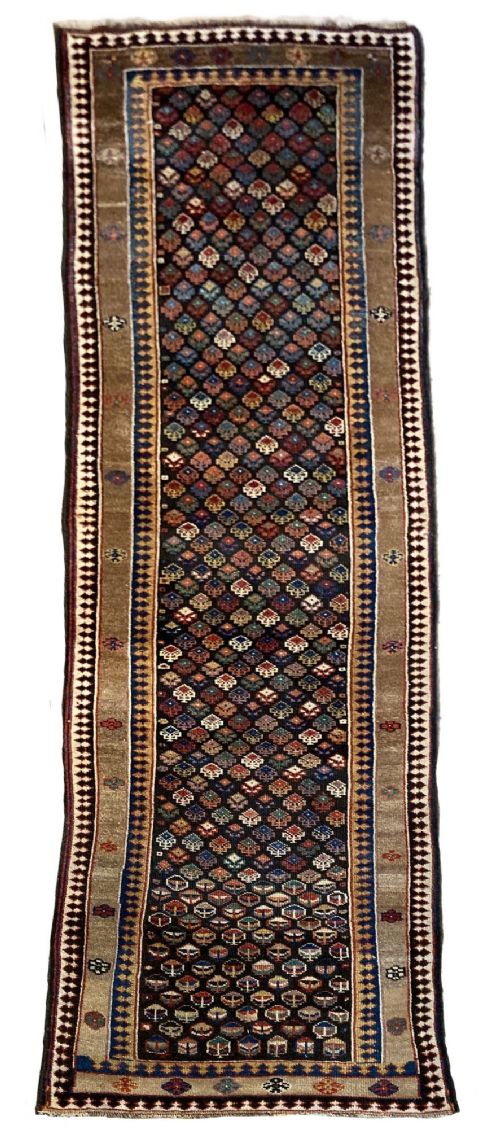
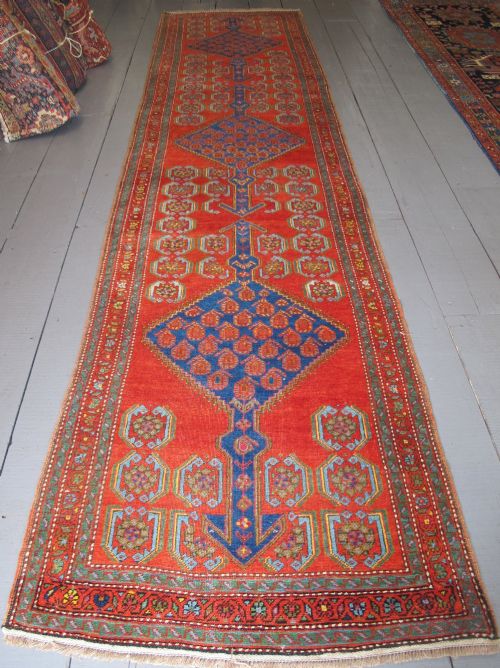
An oriental hall carpet spans narrow, elongated formats designed specifically for corridors, landings, and hallways. These pieces encompass regional names such as Heriz, Kurdish, Gendje, and Shirvan, reflecting distinct weaving traditions from Persia, the Caucasus, and Anatolia. The selection centres heavily on antique runners and long rugs created in the nineteenth and early twentieth centuries.
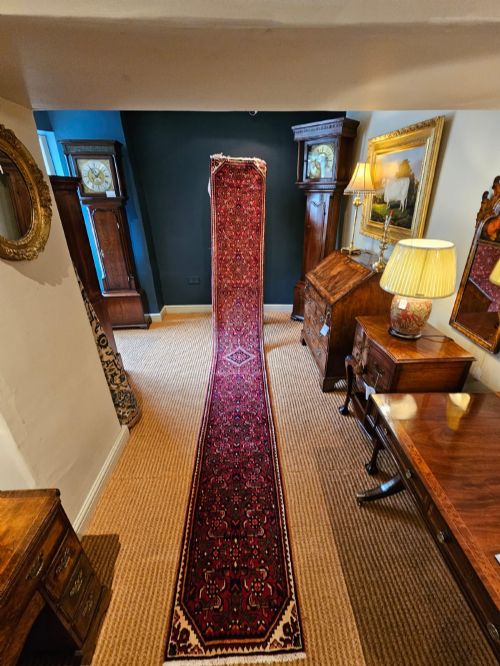
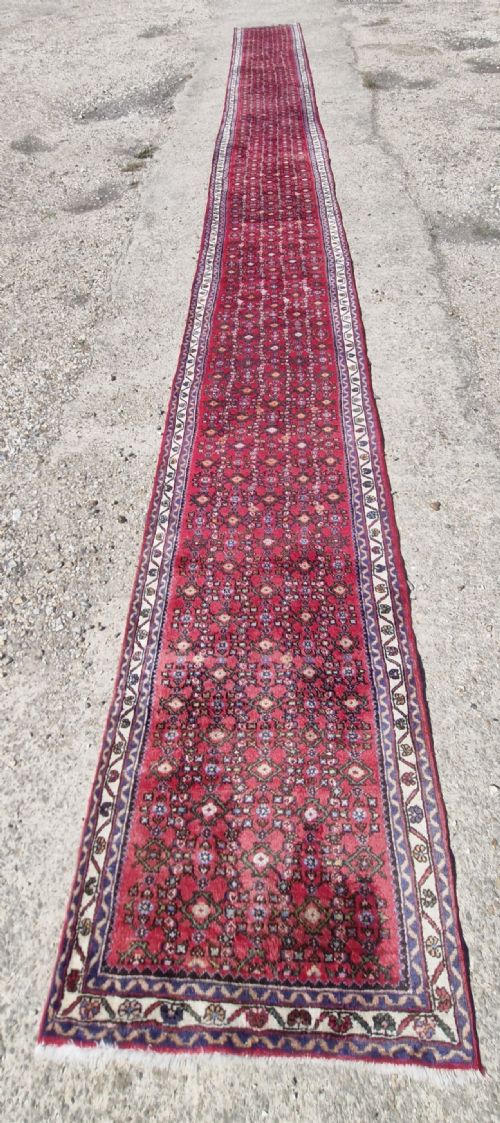
Makers and weavers working in villages and tribal groups utilised traditional geometric and floral motifs, resulting in pieces with pronounced length and restricted width. Format lengths vary substantially, spanning from standard room connectors to exceptional lengths reaching over thirty feet. The visual language relies on repeated medallions, lattice patterns, and boteh motifs tailored for linear spaces.
Materials and Construction
Weavers constructed these long carpets primarily using wool pile knotted onto cotton or wool foundations. Hand-spun wool provides the tactile density and durability required for high-traffic hallway environments.
Natural dyes produced varied palettes of deep reds, blues, and earth tones that mellow gradually with age. Artisans also employed camel hair in specific regional weaves, introducing undyed brown tones into the pile.
One extraordinary surviving hallway runner stretches an impressive thirty-two feet in length.
Assessing Quality and Execution
Knot density and structural tightness dictate the precision of the design work, particularly in geometric Caucasian and Persian runner types. Finer knotting allows intricate lattice and medallion details to remain crisp along narrow proportions.
The choice of dyestuffs and the quality of the wool determine how gracefully a runner ages under foot traffic. Superior examples maintain saturated, harmonious colour balance across extended lengths without abrupt dye changes.
The Oriental Hall Carpet Glossary
- Runner
- A long, narrow carpet format intended for hallways, stairs, and corridors. These pieces typically exceed three times their width.
- Boteh
- A stylised almond or pear-shaped motif representing a floral shoot or cypress tree. This ancient design appears frequently across Caucasian and Persian runner types.
- Heriz
- A style of carpet originating from north-west Persia known for bold geometric medallions and robust structural wool. Pieces from this region often feature substantial dimensions.
- Kurdish
- Pertaining to rugs and runners woven by Kurdish tribes in Persia and Anatolia. These textiles frequently display tribal figures, strong geometric framing, and saturated red and blue palettes.
- Natural Dyes
- Colourants derived from plant, insect, and mineral sources prior to the widespread adoption of synthetic aniline dyes in the late nineteenth century.
Oriental Hall Carpet: Frequently Asked Questions
Where should an oriental hall carpet be placed?
These long formats suit narrow transition spaces such as hallways, long landings, and entrance corridors. Their restricted widths accommodate passage while introducing historic pattern and texture to bare floorboards.
Measuring the usable floor space carefully ensures the runner leaves a consistent margin of exposed wood or tile on either side.
How do I identify a Kurdish runner?
Kurdish pieces often display robust wool construction, tribal motifs, and occasional figural elements such as tribeswomen figures within narrow proportions. Their palette leans toward deep reds and blues characteristic of north-west Persian weaving.
Examining the structural weave reveals hand-spun wool and regional knotting techniques distinct from city workshops.
What periods do these carpets cover?
The selection spans the nineteenth century through the early twentieth century, including pieces dated across the 1880s, 1900s, and 1920s. These dates reflect traditional hand-weaving eras before mid-century commercial production.
Earlier examples often exhibit natural dyes and hand-spun materials developed within distinct regional workshops.
How do Heriz runners differ from Caucasian runners?
Heriz runners typically present large-scale geometric medallions and robust structures originating from north-west Persia. Caucasian runners, including Shirvan and Gendje types, generally feature sharper geometric lattices and smaller repeated motifs.
Both styles utilise narrow formats designed for corridors, yet their specific colour handling and tribal motifs remain distinct.