


Patterned Hallway Rug
A patterned hallway rug brings linear geometry and rich heritage into narrow spaces, anchoring a corridor with time-tested motifs.
Patterned Hallway Rug
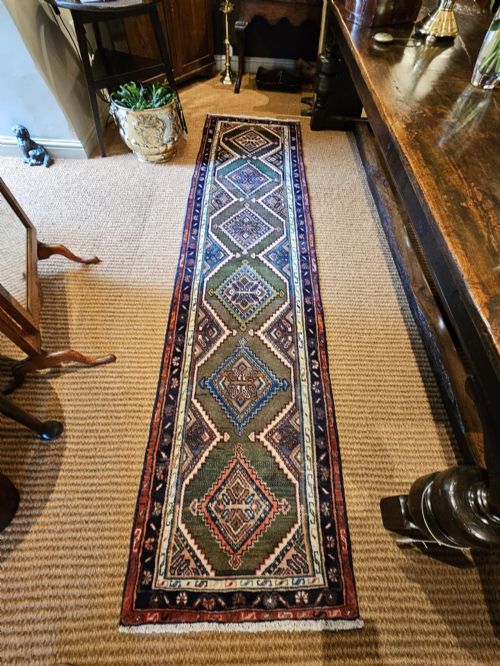
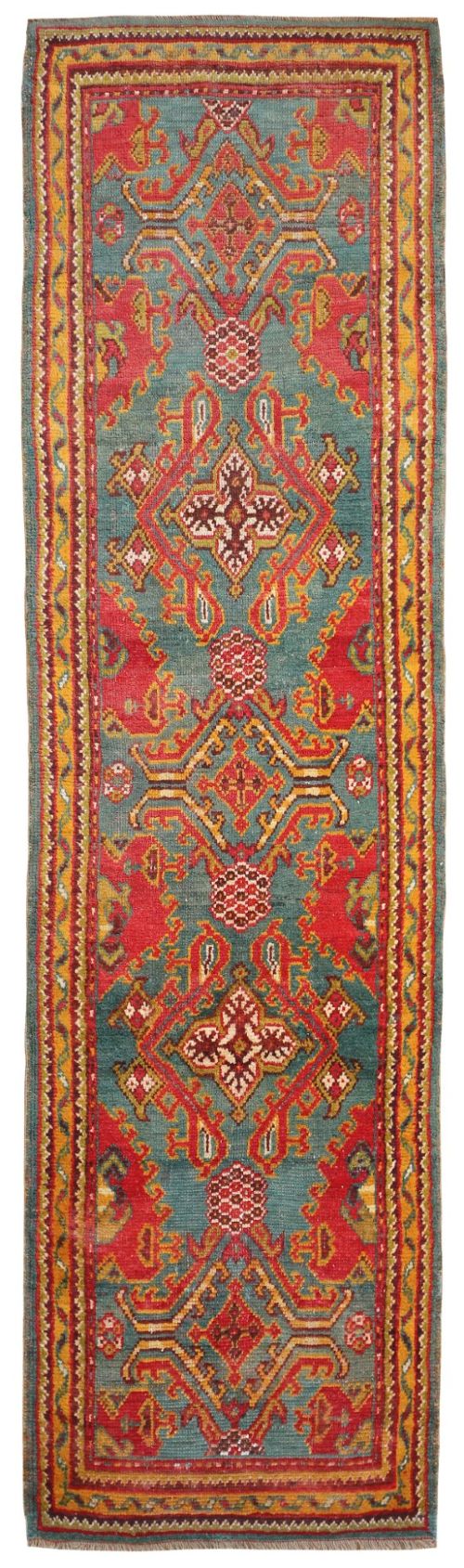
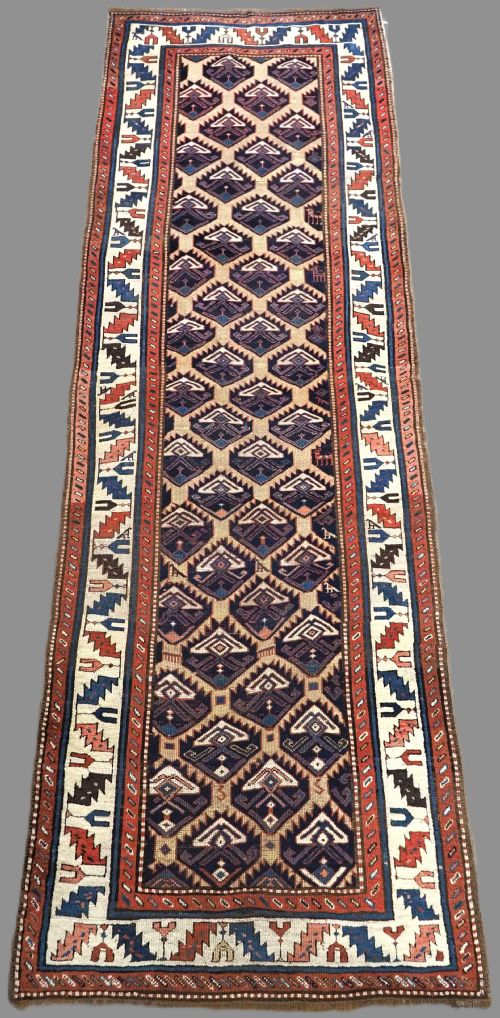
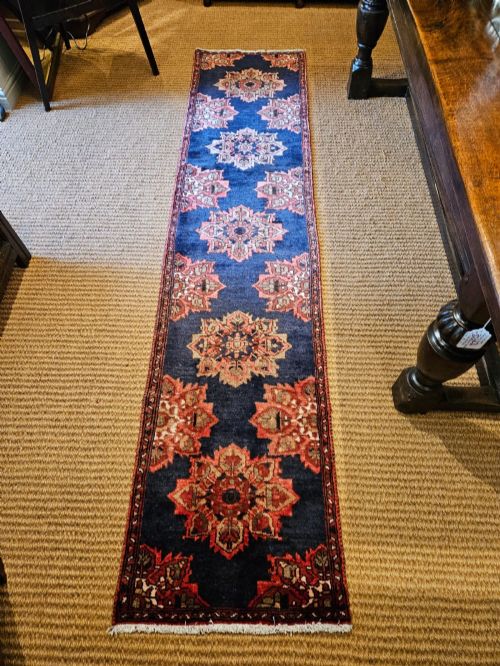
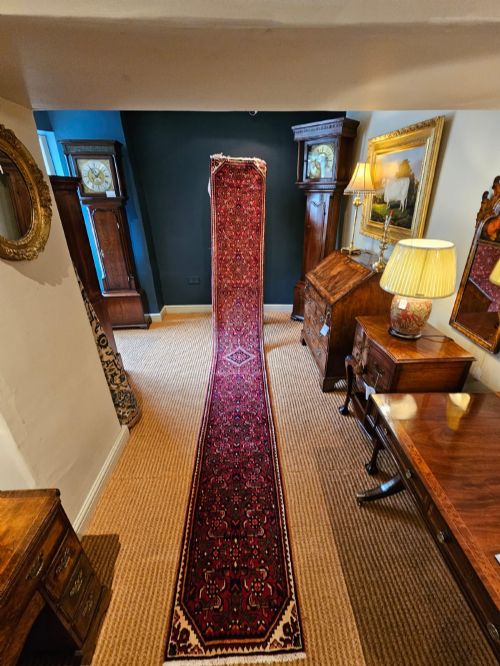
A patterned hallway rug delivers long, narrow formats specifically tailored for corridors, staircases, and tight walkways. The examples met on this page span the nineteenth and early twentieth centuries, offering traditional designs originating from Persian, Caucasian, and Anatolian weaving traditions.
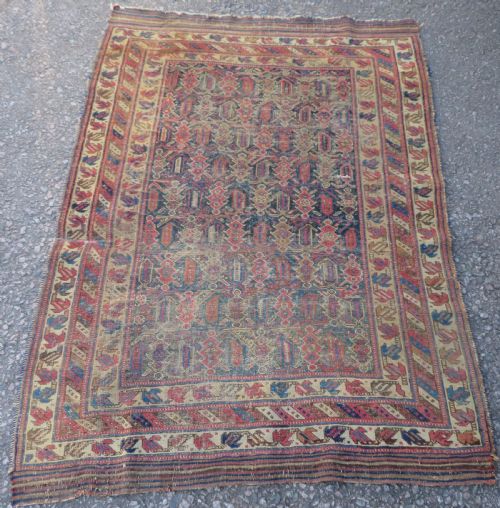
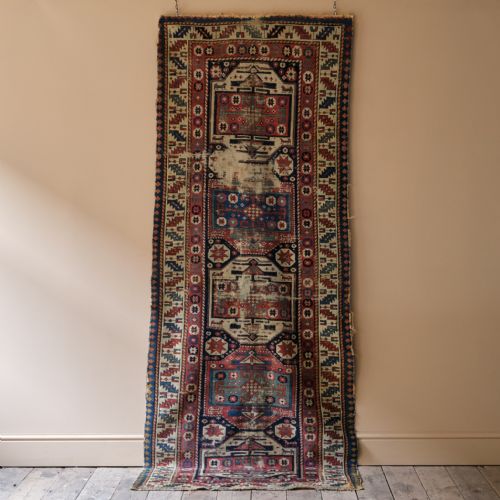
Makers utilised formats ranging from compact runner lengths to exceptionally long galleries. These pieces display distinct regional styles, including Kurdish, Heriz, Kazak, and Gendje patterns, each bringing specific tribal or village aesthetics to domestic interiors.
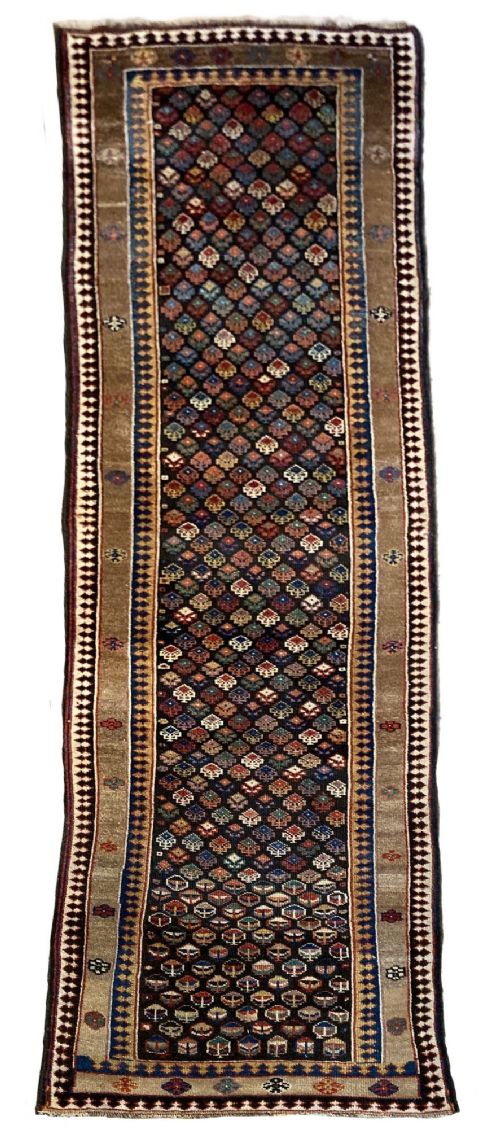
The prevalent forms are runner rugs and long carpets configured to negotiate linear spaces. Buyers encounter everything from bold geometric lattice designs to intricate botanical shrub motifs executed across wool foundations.
Materials and Construction
Weavers constructed these runners primarily from wool and hand-spun wool, frequently paired with cotton foundations. Natural dyes provided the foundational palette, yielding deep tones of navy blue, olive green, and earthy reds that soften gracefully over decades of use.
Production relied on traditional hand-knotted and flatwoven techniques. Artisans tied dense piles or created durable kilims, ensuring the textiles could withstand heavy foot traffic along narrow corridors while retaining structural integrity.
Listings feature pieces spanning from the mid-nineteenth century through the 1930s, utilising pure wool, cotton, and natural dyes.
Assessing Quality
Quality rests in the precision of the weave and the depth of the palette. Tightly packed knots create a firmer handle and sharper graphic definition in geometric medallions and boteh motifs.
The complexity of the dye work dictates visual longevity. Natural dyes age with nuanced tonal shifts, whereas inferior dyeing methods lack the same subtle gradation across the field of the rug.
The Patterned Hallway Rug Glossary
- Boteh
- A stylised almond or pear-shaped motif representing a floral spray or cypress tree. This ancient symbol appears frequently across Persian and Caucasian textiles.
- Kilim
- A flatwoven textile produced without a pile. These pieces offer a lighter weight and distinct geometric patterns formed by interlocking the colour threads.
- Kelleh
- A large format rectangular rug traditionally proportioned longer than a standard scatter rug but wider than a runner. It serves prominent floor spaces in traditional room layouts.
- Heriz
- A style of carpet originating from north-west Persia known for bold rectilinear medallions and sturdy geometric framing. These patterns provide strong architectural structure in long formats.
Patterned Hallway Rug: Frequently Asked Questions
How do I choose the right length for my hallway?
Measure the clear floor space of your corridor, leaving an equal margin of bare flooring visible around the perimeter of the textile.
Select a length that spans the main pathway without crowding doorways or overlapping heavy furniture placements at either end.
Are these runners suitable for heavy foot traffic?
Traditional hand-knotted wool construction inherently resists compression and wear. The dense pile absorbs daily footsteps while maintaining the structural integrity of the foundation.
Placing a quality underlay beneath the textile prevents slipping and cushions the weave against hard subfloors.
How do I identify a Caucasian rug from a Persian one?
Caucasian pieces typically feature crisper, highly geometric polygons and sharper, saturated primary colours. Persian examples often incorporate more curved floral elements and intricate medallion layouts.
Regional borders and motif distributions provide further clues to the specific tribal or village origin of the weaving.
How should I care for a vintage wool runner?
Vacuum the surface gently using suction only, avoiding rotating brush attachments that can pull at hand-knotted wool piles. Rotate the textile periodically to ensure even exposure to foot traffic and sunlight.
Address accidental spills immediately with mild, wool-safe cleaners rather than harsh chemical agents.