

Traditional Long Carpet
A traditional long carpet provides linear warmth for a hallway or landing, bringing historic pattern and texture to domestic floors.
Traditional Long Carpet
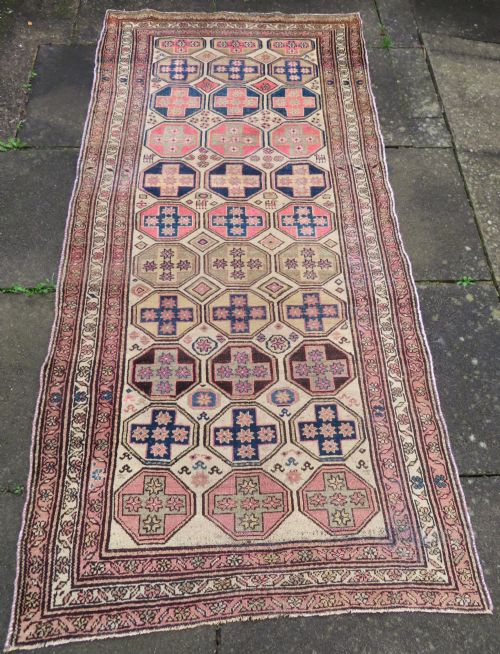
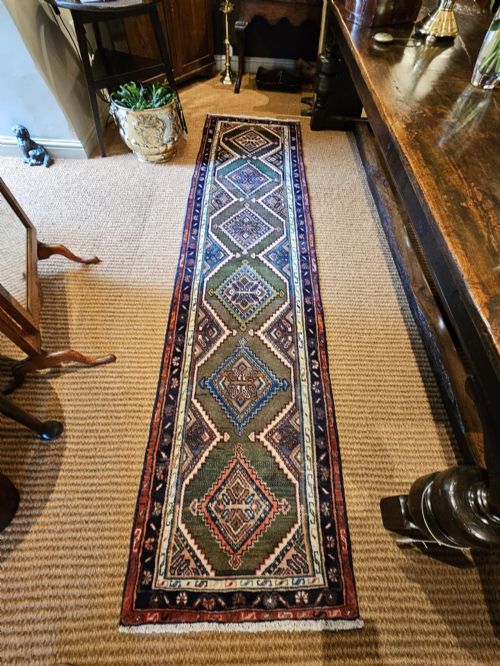
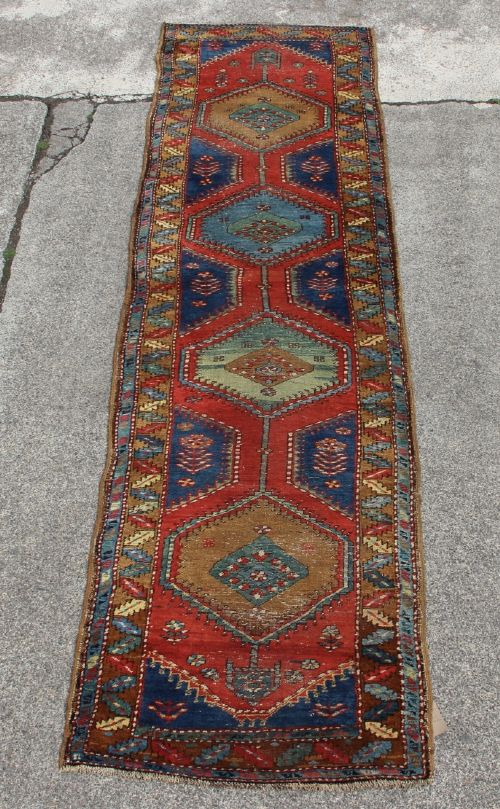
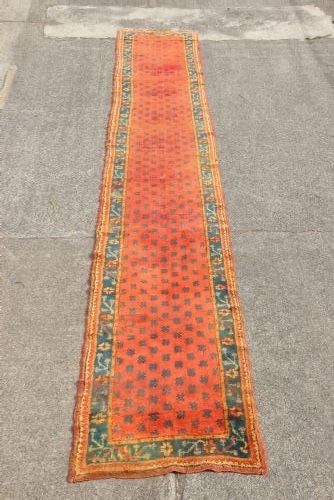
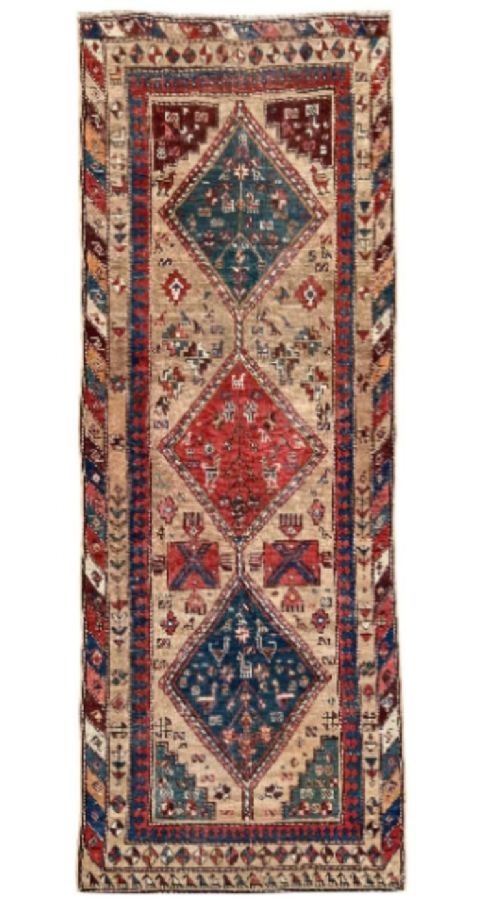
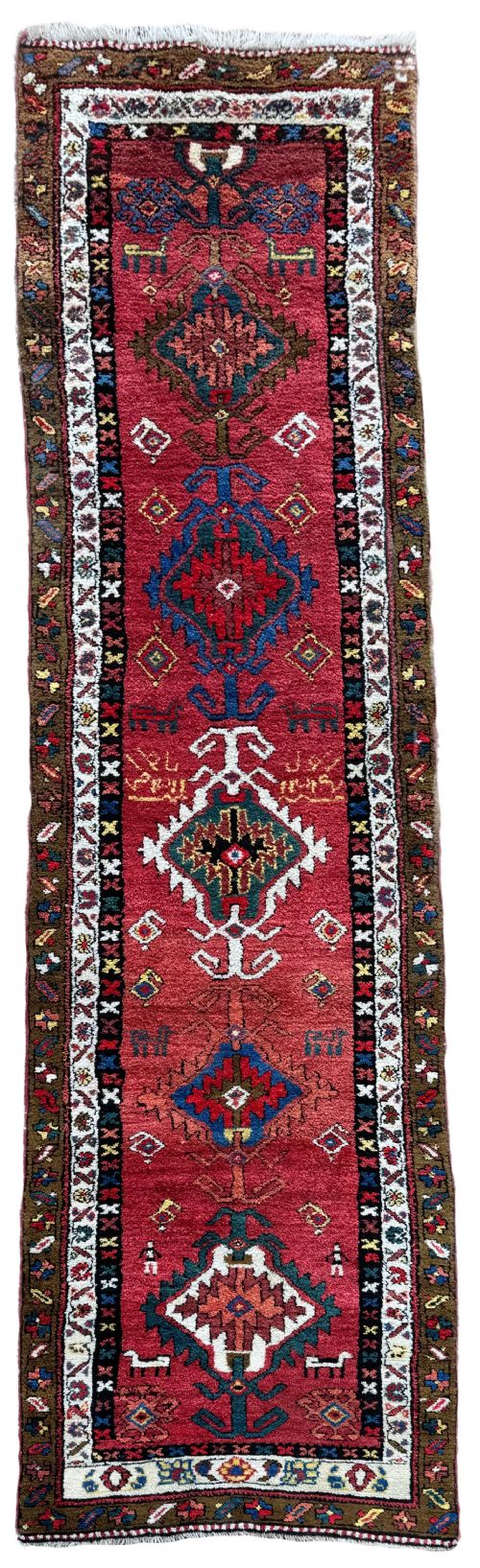
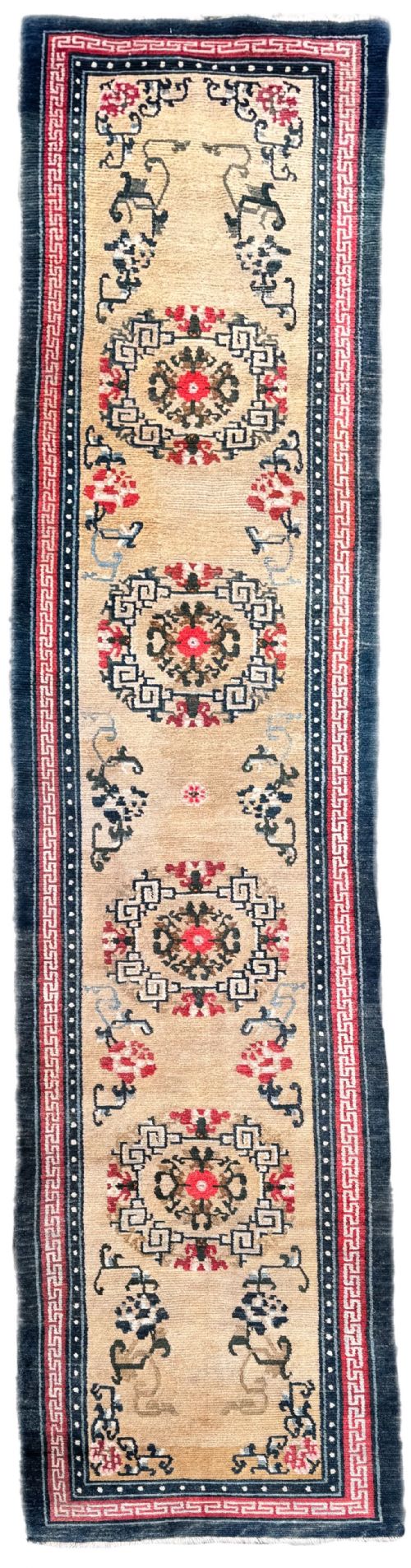
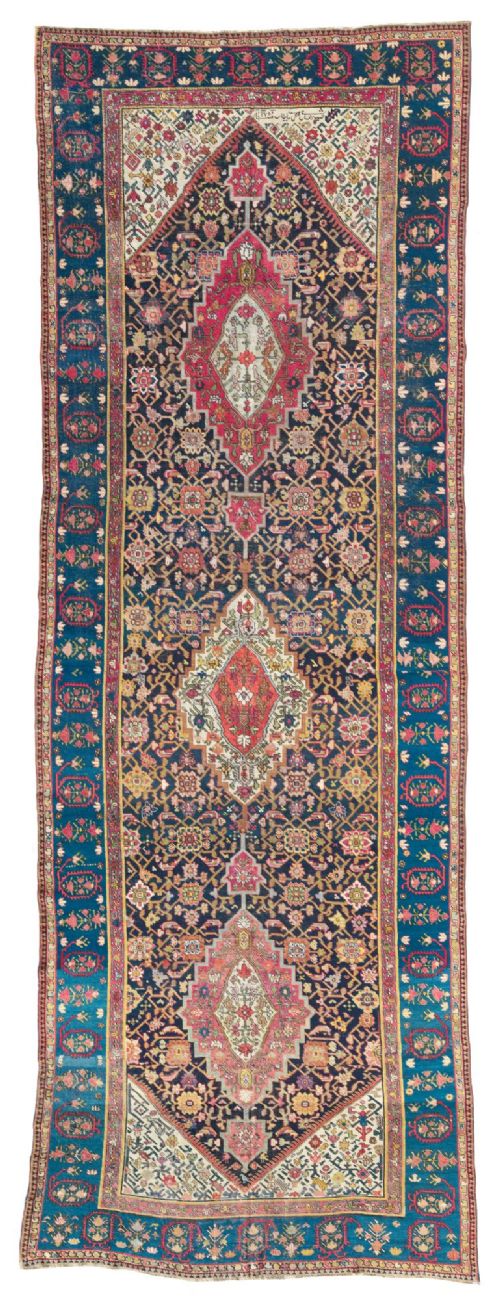
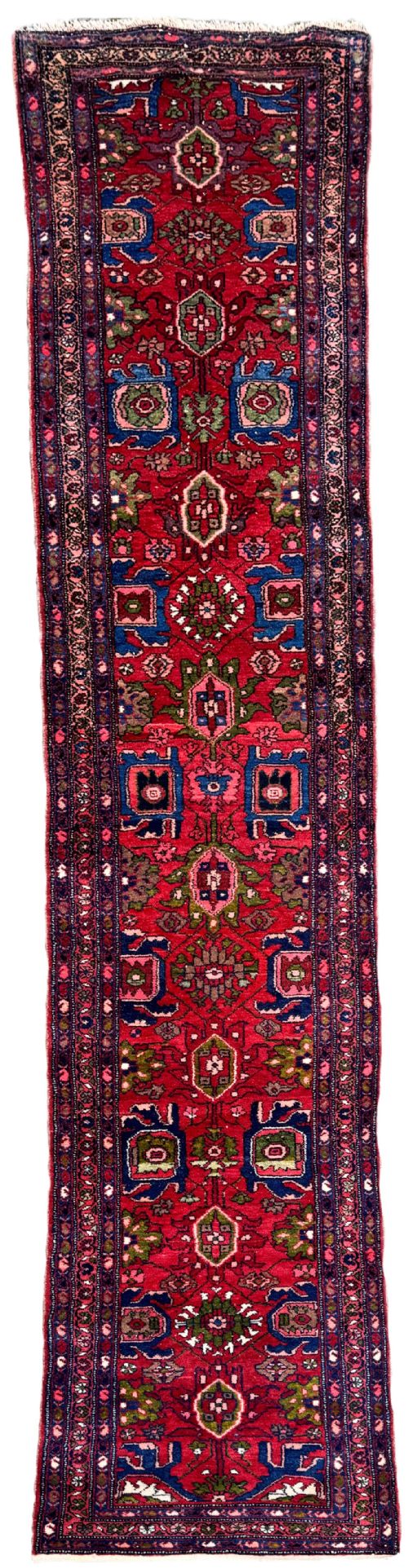
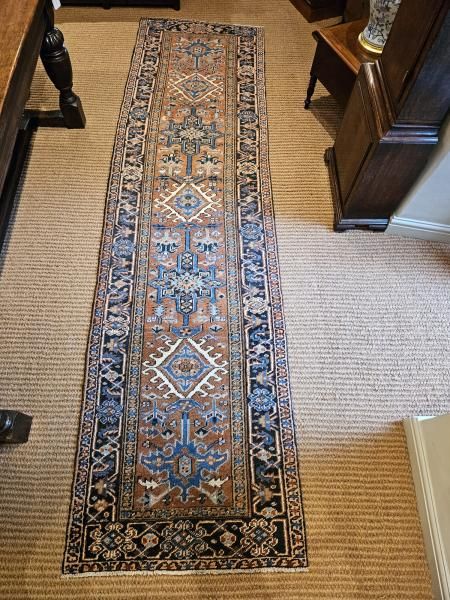
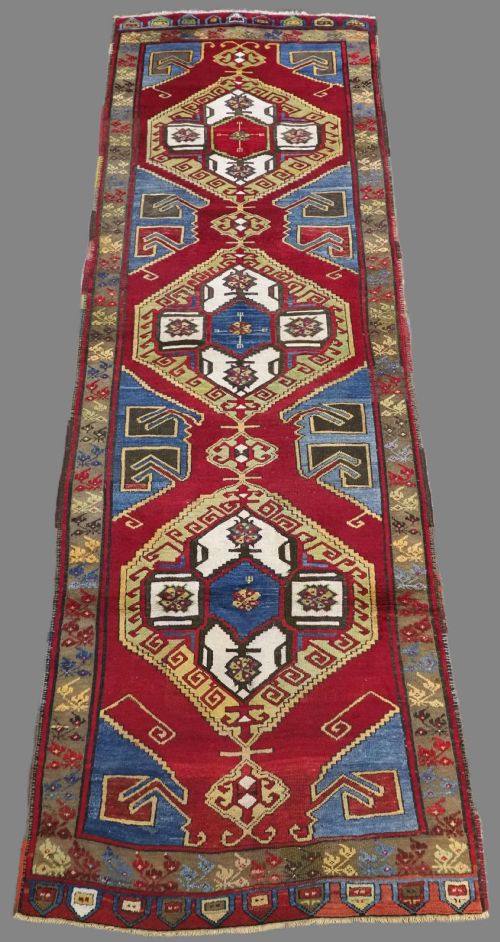
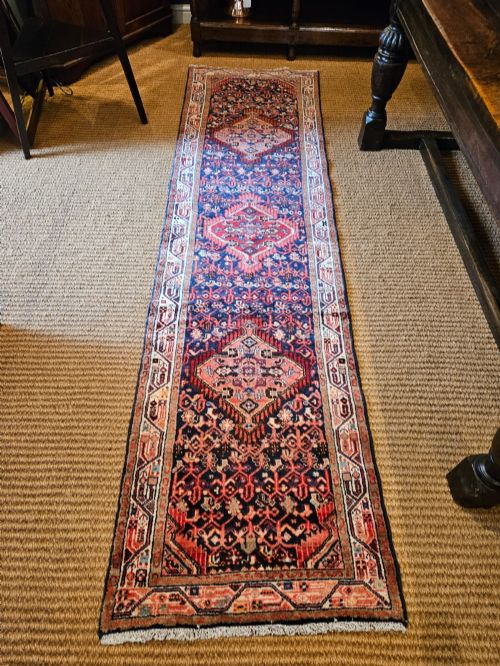
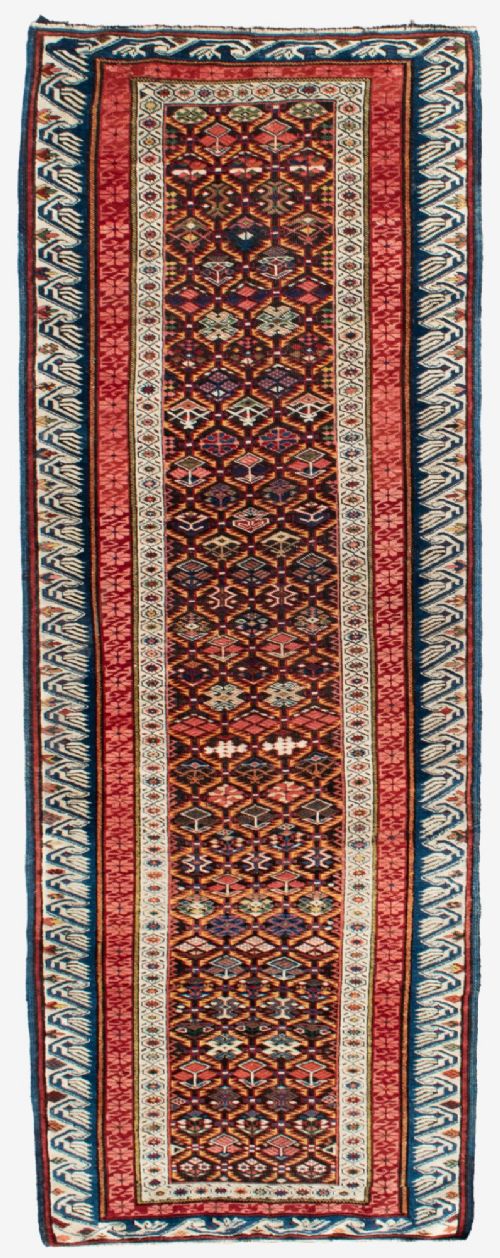
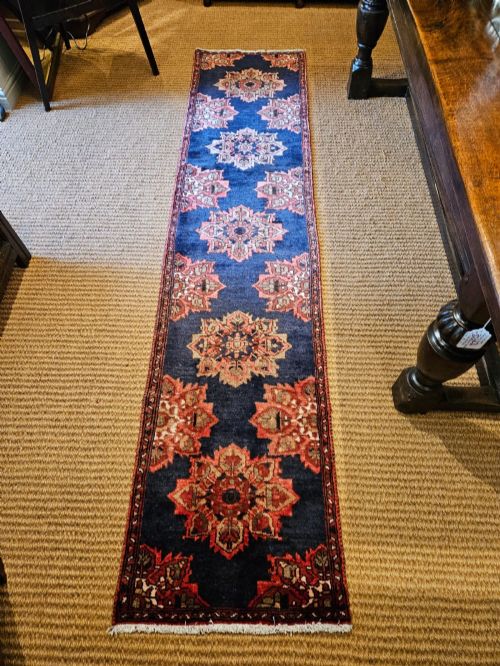
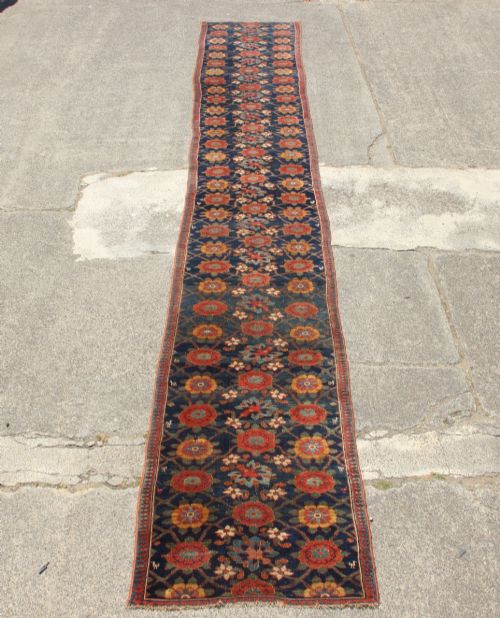
A traditional long carpet typically manifests on this page as a narrow runner rug, designed to span corridors, halls and staircases. These pieces span production from the nineteenth century into the twentieth century, originating primarily from Persian, Turkish, Caucasian and tribal weaving traditions.
Buyers encounter formats that range from compact Kurdish and Hamadan runners to extensive Oushak, Heriz and Malayer carpets stretching past five metres in length. The selection encompasses geometric village designs alongside room-size kelleh carpets.
The aesthetic vocabulary draws upon Kurdish, Shahsavan, Baluch, Afshar and Shirvan traditions, where makers utilised wool and cotton foundations to build durable floor coverings suited to heavy domestic traffic.
How they were made
Weavers constructed these long carpets primarily using wool pile knotted onto cotton or wool foundations, frequently incorporating hand-spun wool for resilience and tactile depth. Natural dyes provided the palette across nineteenth-century and early twentieth-century examples.
Construction techniques varied from fine village knotting found in Bidjar and Kurdish pieces to looser tribal weaves seen in Anatolian and Caucasian runners. Long formats required sturdy selvedges and robust foundation threads to maintain straight edges over extended lengths.
Listings span periods from the mid-nineteenth century through the 1960s, featuring wool and hand-spun wool materials.
What varies in quality
Quality rests upon the density of the knotting, the integrity of the wool, and the crispness of the drawn design along extended runner formats. Finer pieces display tighter structural foundations and balanced proportions across lengths exceeding four metres.
The depth and persistence of colour influence character, particularly where natural dye variations create rich patination over decades of use. Condition ranges from intact pile to distressed surfaces exhibiting historical wear.
The Traditional Long Carpet Glossary
- Kelleh
- A large rectangular carpet format, typically longer than a standard room rug but wider than a corridor runner.
- Runner
- A narrow, elongated rug format specifically proportioned for corridors, hallways, landings and staircases.
- Pile
- The upright yarn loops or knots that form the usable surface of a carpet, clipped to a uniform height.
- Selvedge
- The reinforced outer edge of a carpet, finished to prevent the side cords and weft threads from unravelling.
- Foundation
- The underlying grid of warp and weft threads that support the knotted pile of the carpet.
Traditional Long Carpet: Frequently Asked Questions
Where should I place a long runner?
These carpets suit narrow spaces such as hallways, long landings and entrance corridors where linear floor coverage softens footfall and protects wood or stone.
They also function effectively alongside large furniture pieces or beside beds in long bedrooms.
How do I care for antique wool carpets?
Regular gentle vacuuming without a rotating brush roll prevents dust accumulation in the wool pile.
Professional specialist cleaning maintains the structure and natural lanolin of older fibres.
What is the difference between a runner and a kelleh?
Runners are exceptionally narrow and long, designed strictly for corridors and passage spaces.
Kellehs offer a broader rectangular format suited to principal room floors rather than hallways.
How do I identify tribal designs?
Tribal carpets often display geometric motifs, repeating medallions and hooked guls rather than complex floral curves.
These patterns reflect regional weaving traditions passed down through village workshops.