

Traditional Linen Chest
A traditional linen chest brings centuries of practical timber storage into modern rooms, combining deep interior space with historic regional craftsmanship.

Traditional Linen Chest
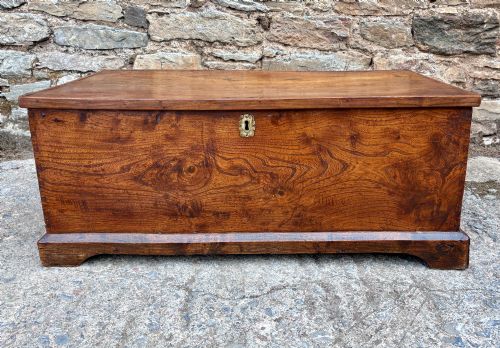
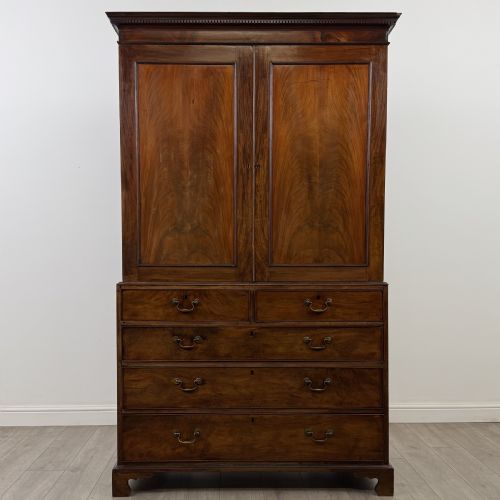
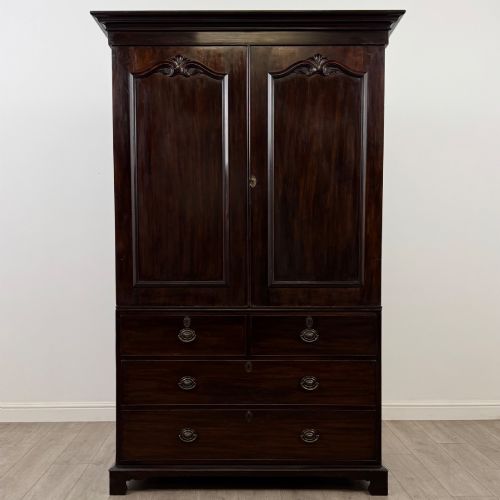
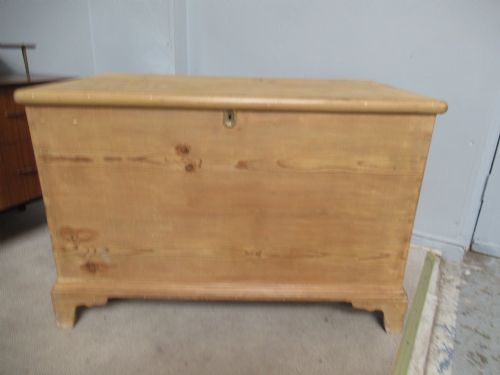
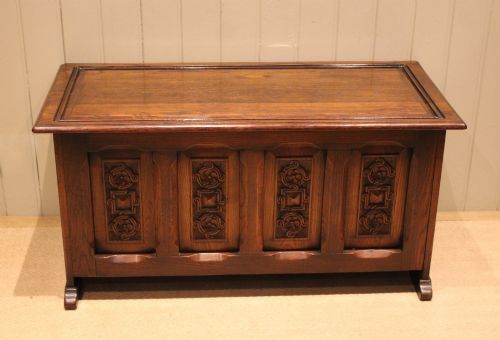
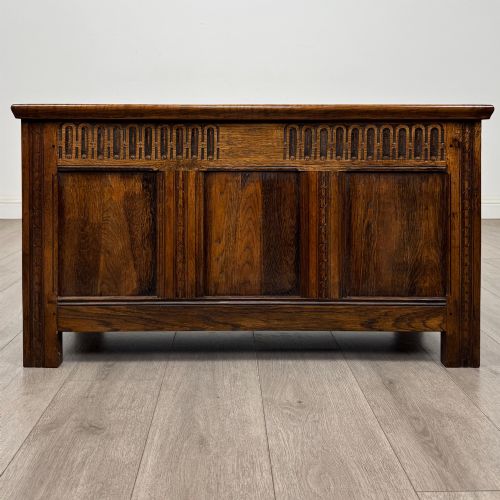
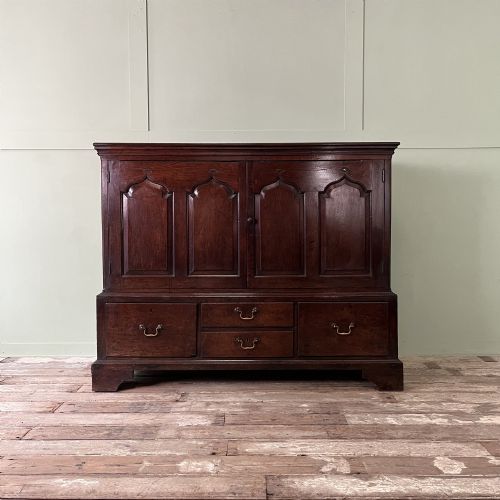
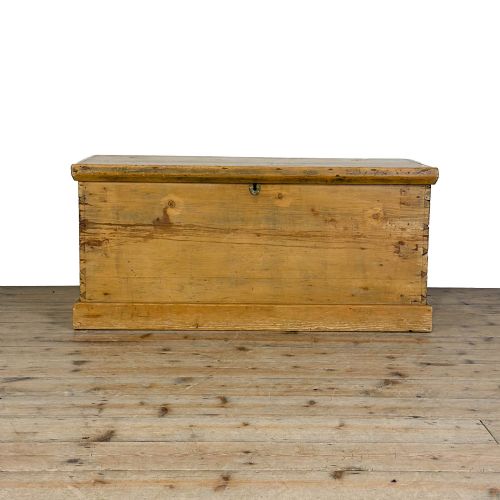
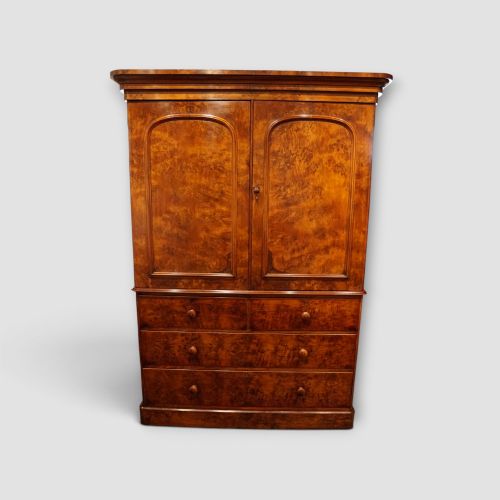
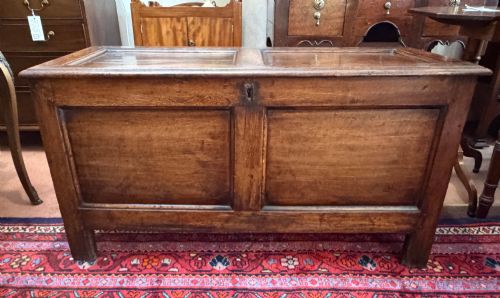
When searching for a traditional linen chest, buyers encounter a diverse selection of storage furniture including heavy oak coffers, panelled blanket boxes, and tall mahogany linen presses. These pieces span several centuries of British and continental design, ranging from austere seventeenth-century panels to elaborate Victorian cabinetry.
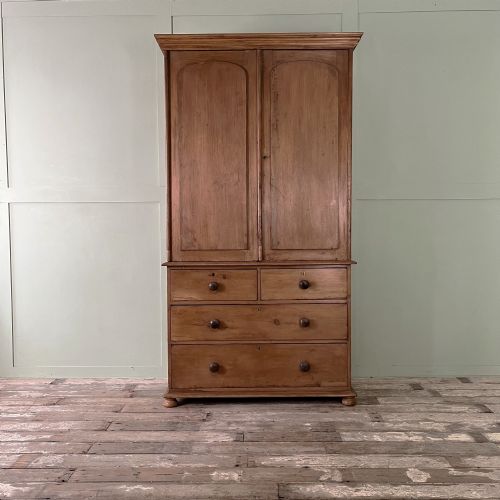
The most common forms on this page are sturdy oak coffers and functional multi-tier linen cupboards made from pine or mahogany. Regional workshop traditions emerge clearly through variations in timber selection, from Welsh oak to imported camphor wood and figured walnut.
Internal configurations shift according to the era and specific domestic use, offering everything from simple open floor storage beneath a hinged lid to complex arrangements of sliding trays, drawers, and hanging space behind large panelled doors.
How they were made
Cabinetmakers relied heavily on solid hardwoods like oak, mahogany, and walnut, supplemented by utility timbers such as pine and ash for internal structures and simpler country pieces. Traditional joinery methods like mortise and tenon framing, dovetail drawers, and pegged panels provided the essential structural integrity needed to withstand daily domestic wear.
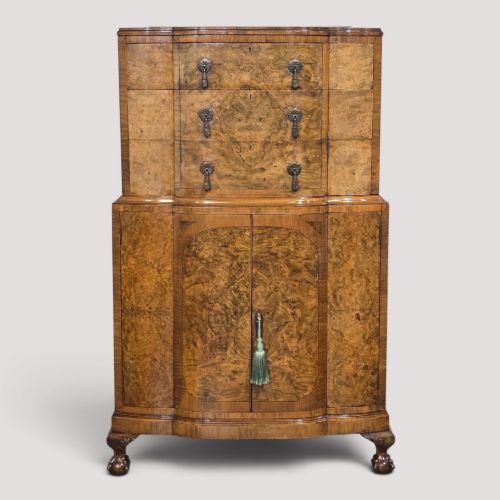
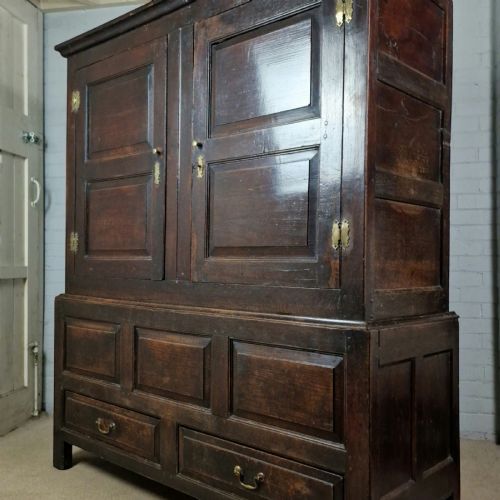
Surface treatments varied from waxed natural finishes and traditional scumble paint to polished burr veneers and red lacquer, depending on the period and workshop. Iron and brass hardware, including strap hinges, escutcheons, and drop handles, served both structural and decorative purposes.
Early camphor wood chests were brought home by maritime captains to keep tropical moths away from winter woollens.
What varies in quality
Quality rests primarily on the selection of timber, the precision of the joinery, and the degree of original surface survival. Superior examples display carefully matched grain patterns, tight structural joints that require no modern stabilization, and period-correct hardware.
Regional variations also influence desirability, where specific local carving motifs or documented provenance distinguish standard utilitarian storage from master cabinetmaker production.
The Traditional Linen Chest Glossary
- Coffer
- A large wooden chest with a hinged lid, traditionally used for storing valuables, textiles, and household goods. These heavy storage boxes form the earliest foundation of domestic furniture.
- Linen Press
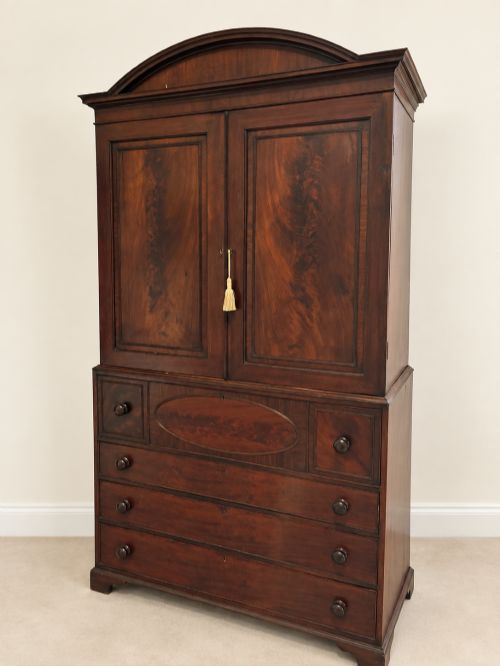
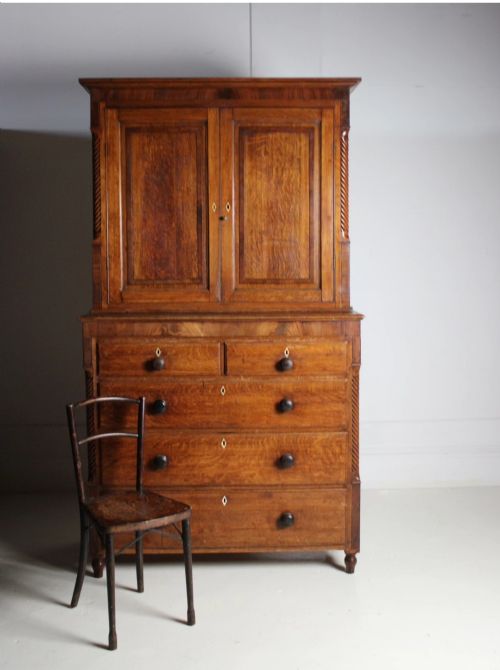
- A tall two-part cabinet featuring upper doors enclosing sliding trays or shelves above a chest of drawers. They were specifically designed to keep folded household linens flat and organised.
- Mule Chest
- A traditional storage chest featuring one or more drawers built into the base beneath the main compartment. This design bridged the gap between the simple coffer and the modern chest of drawers.
- Livery Cupboard
- An early form of ventilated storage cabinet used to store food, candles, or garments. These pieces often feature pierced splats or turned spindles to allow air circulation.
- Scumble Paint
- A decorative surface technique where a translucent glaze is dragged or manipulated over a base coat to imitate more expensive grained timbers. It is frequently found on nineteenth-century country pine furniture.
- Dovetail
- A traditional interlocking joint used to secure drawer corners and box sides together. Fine, narrow pins and tails indicate skilled hand craftsmanship.
Traditional Linen Chest: Frequently Asked Questions
What is the difference between a coffer and a linen chest?
A coffer is a heavy, rectangular chest accessed by lifting a hinged lid from the top, traditionally utilised for general storage before fitted wardrobes became common.
A linen chest or press typically incorporates internal sliding trays or lower drawers specifically designed to store folded textiles without creasing them.
How were traditional linen presses used in period homes?
These tall cabinets stood in bedchambers or upstairs landings to house the household supply of sheets, tablecloths, and garments.
The upper section held flat linens on internal shelves or sliding trays, while the lower drawers accommodated smaller articles and accessories.
How can I date an oak coffer?
Dating relies on examining the construction methods, tool marks, and stylistic motifs carved into the timber panels. Hand-split boards, pegged mortise and tenon joints, and early stile and rail construction point toward seventeenth or eighteenth-century origins.
Are these chests suitable for modern living spaces?
These pieces provide substantial concealed storage while serving decorative functions as window seats, coffee tables, or hallway console units.
Their robust timber construction allows them to endure daily domestic use while anchoring a room with historic character.