





Traditional Lacquerware
Traditional lacquerware brings together centuries of layered resin, carved cinnabar, and gold leaf from workshops across Asia and Victorian Britain.
Traditional Lacquerware
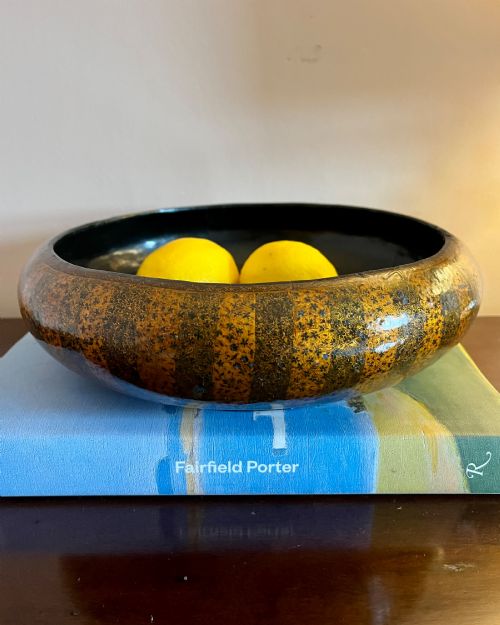
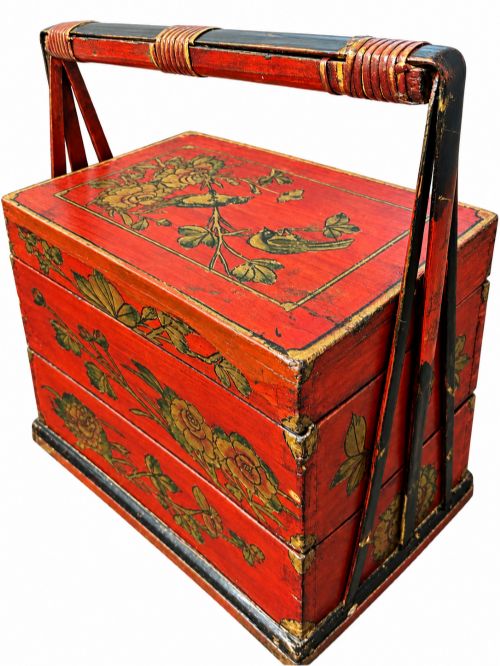
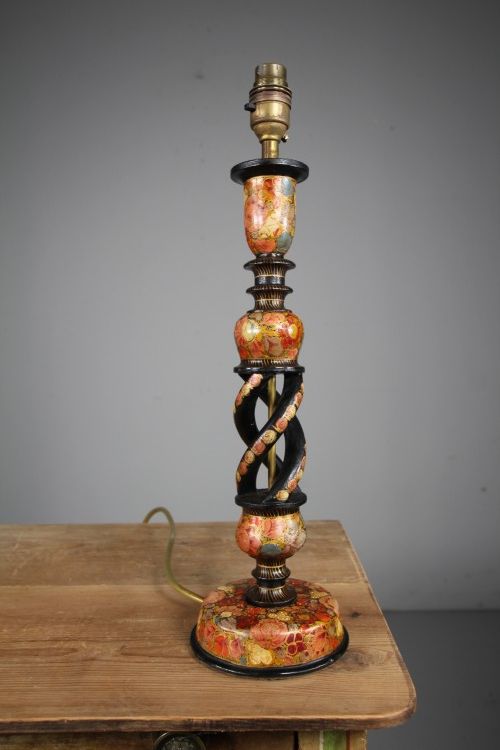
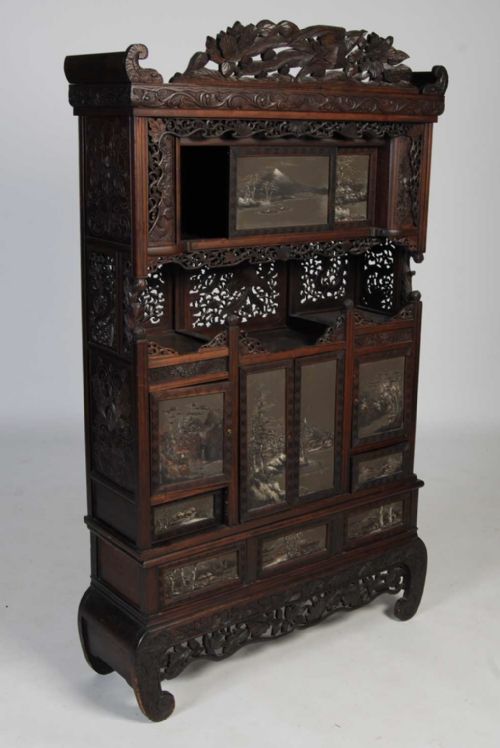
Traditional lacquerware encompasses a rich assortment of decorative boxes, table lamps, inro, bookends, vases, and occasional tables spanning the nineteenth and early twentieth centuries. When searching for traditional lacquerware, a buyer encounters diverse regional traditions, including Japanese Meiji and Edo pieces, Chinese export works, Kashmiri vessels, and Russian hand-painted boxes.
The objects on this page range from small sets of sake cups and graduated round boxes to monumental temple vases and freestanding tables. Pieces frequently incorporate materials such as wood, brass, papier-mâché, and gilt alongside standard black or red lacquer surfaces.
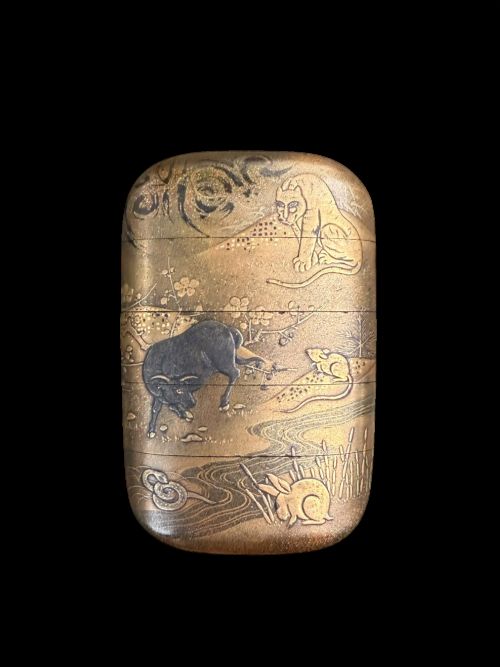
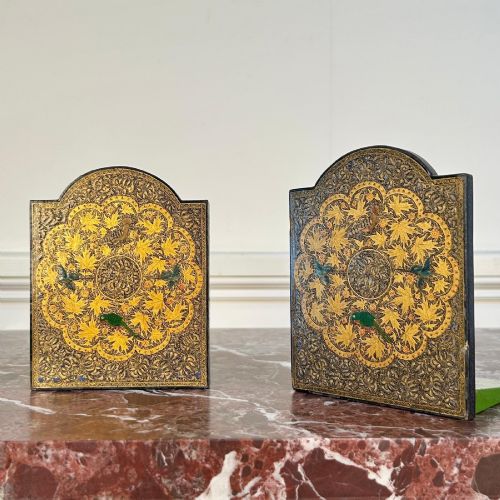
Originating across varied global centres, these items reflect distinct cultural aesthetics, from intricate Japanese zodiac motifs to vibrant Kashmiri hand-painted floral designs and Chinese cinnabar carvings.
How they were made
Maker construction methods rely upon natural resins applied meticulously in multiple coats over a solid wooden or papier-mâché core, allowing each layer to cure before the next is added. This methodical build-up creates a durable, smooth shell capable of receiving intricate surface carving.
Artisans enhance these surfaces using gold leaf, gilt, and brass mounts, alongside hand-painted portraits or motifs. Cinnabar varieties require deep layers of red lacquer that are carved into relief while still semi-soft.
Traditional Lacquerware Retail Price Guide 2026
Typical asking prices for traditional lacquerware among the pieces listed under this phrase on Sellingantiques today, from the lower quarter to the upper quarter. They describe what is for sale here now, not the wider market.
Cats sleeping near nineteenth-century Kashmiri table lamps have unknowingly supported trade routes bridging ancient Asian craftsmanship and Victorian parlours.
What varies in quality
Quality separates through the depth and stability of the resin layers, the precision of the underlying wood or papier-mâché joinery, and the crispness of any hand-carved detail. Superior examples display firmly adhered gold leaf and well-preserved painted portraits without extensive flaking.
The refinement of the regional artistry dictates overall standing, separating standard production items from finely executed Meiji period cabinets or export temple vases.
The Traditional Lacquerware Glossary
- Inro
- A traditional Japanese multi-tiered case used for carrying small items, suspended from a sash. These pieces are frequently secured with a bead and decorated in gold lacquer.
- Cinnabar
- A bright scarlet mineral form of mercuric sulphide used to pigment and colour carved lacquerware. Artisans carve deep relief patterns directly into thick layers of this red material.
- Papier-mâché
- A composite material consisting of paper pieces or pulp bound with glue or resin. This substance forms lightweight cores for painted boxes and decorative items.
- Shodona
- A Japanese tabletop cabinet featuring asymmetrical shelving and small doors. These display cabinets often showcase elaborate lacquer and metal fittings.
Traditional Lacquerware: Frequently Asked Questions
How do I clean lacquerware?
Dust surfaces gently using a soft, dry cloth without applying water or chemical solvents. Moisture can penetrate hairline fractures in older resin coatings.
Keep pieces away from direct sunlight and extreme temperature fluctuations to prevent the underlying wood or papier-mâché from warping.
How are Japanese and Kashmiri styles different?
Japanese examples, such as inro and Meiji cabinets, typically focus on meticulous gold leaf application, black resin finishes, and precise zodiac or nature motifs.
Kashmiri pieces rely more heavily on hand-painted floral patterns applied over papier-mâché or wooden vessels, resulting in a colourful, textured appearance.
Can I use lacquer lamps daily?
Table lamps function well in modern interiors provided they have been safely rewired to meet current electrical standards. Position them away from heat sources to protect the surrounding lacquer.
Regular careful placement ensures the decorative stands and bases remain stable during everyday use.
What is red lacquer?
Red lacquer incorporates mineral pigments like cinnabar into the natural resin base before application. This colour appears frequently in Chinese export vases and Victorian tables.
The bright hue allows carvers to expose contrasting underlayers or create striking visual depth in relief panels.