





Traditional Kitchen Treen
Traditional kitchen treen brings utilitarian warmth to a room, offering functional wooden wares shaped by hand for daily domestic labour.
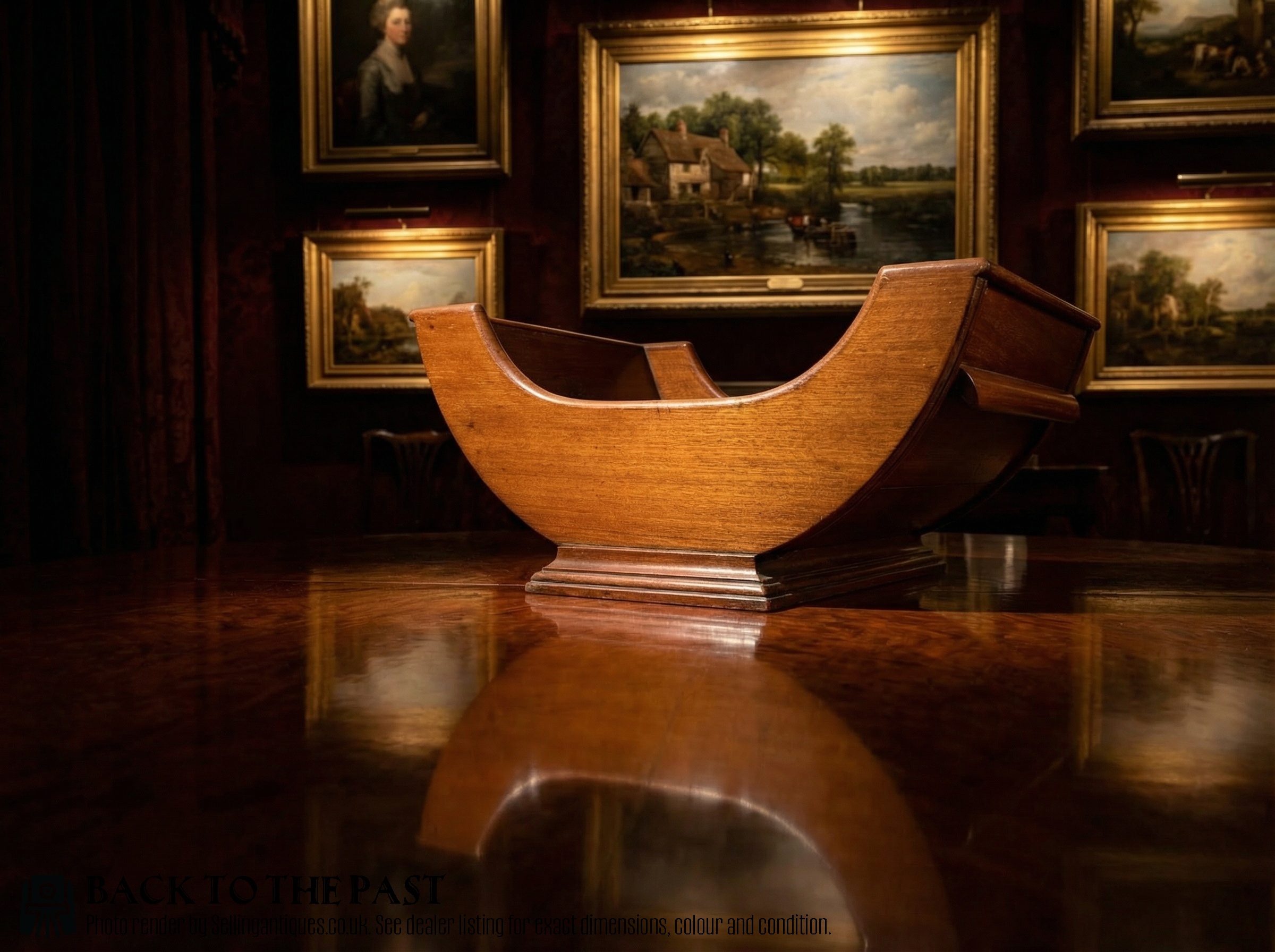
Traditional Kitchen Treen
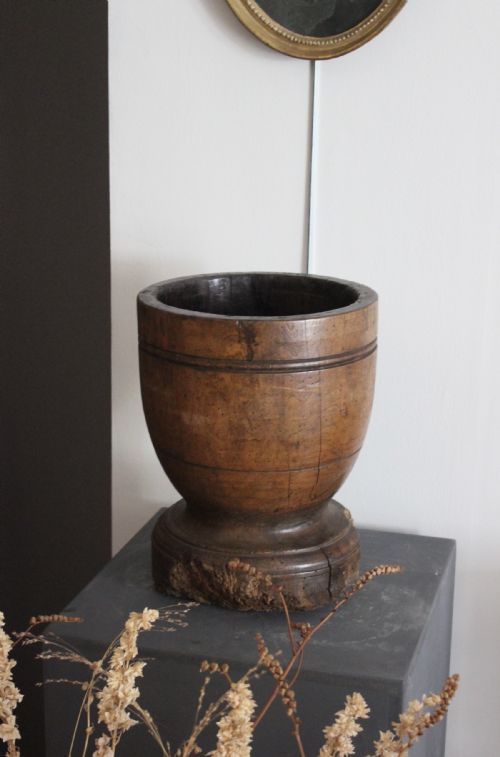
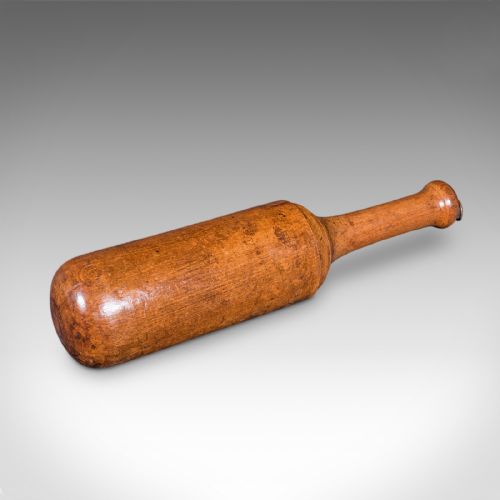
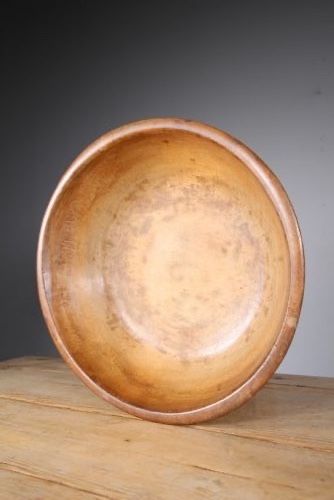
Traditional kitchen treen encompasses wooden domestic items made for food preparation and storage, spanning dairy bowls, mortars, scoops and egg cups. These pieces originate across the eighteenth and nineteenth centuries, including Victorian and Edwardian examples fashioned for rural and domestic use.
The version most commonly met on this page is the sycamore dairy bowl or walnut mortar, often attributed to Georgian, Victorian or rustic farmhouse styles. Such items demonstrate the utilitarian output of English workshops before mass production dominated household goods.
How traditional kitchen treen was made
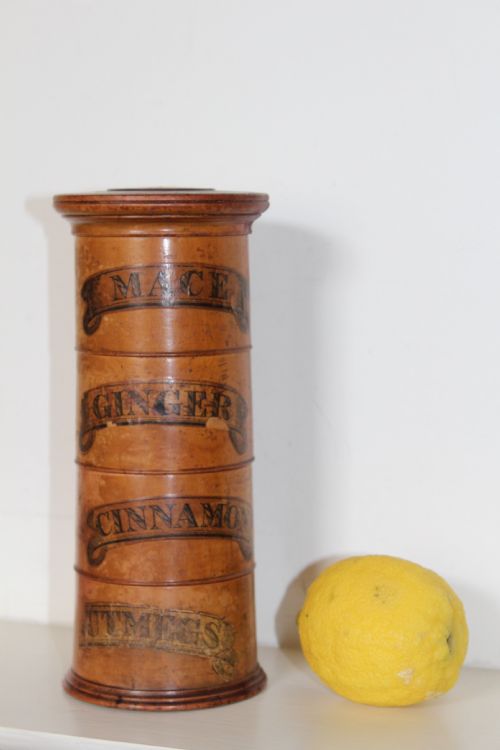
Woodturners utilised dense native timbers such as sycamore, beech, boxwood, walnut and yew, selecting each for its grain and resilience under pressure. Lathes shaped round forms like bowls and lemon squeezers from green or seasoned wood, while hand tools carved out details such as spice towers and cheese stands.
Makers fashioned utilitarian objects through turning and carving, leaving tool marks that reveal the rhythm of the lathe and the hand chisel. Surface finishing relied on repeated friction and natural oils rather than heavy varnishes, preserving the tactile quality of the timber.
Traditional Kitchen Treen Retail Price Guide 2026
Typical asking prices for traditional kitchen treen among the pieces listed under this phrase on Sellingantiques today, from the lower quarter to the upper quarter. They describe what is for sale here now, not the wider market.
Materials recorded across the inventory include sycamore, beech, walnut, boxwood, yew and mahogany.
What varies in quality
Quality rests upon the harmony between the turner's eye and the natural character of the timber, where well-balanced proportions elevate a simple utility object. Thick, clumsy turning diminishes a piece, whereas crisp edges on octagonal herb chopper bowls or elegant profiles on urn-shaped lemon squeezers show superior control.
Wear patterns also distinguish better examples, as centuries of honest scraping and scrubbing impart a soft, undulating patina rather than harsh damage. Pieces retaining their original tool work and uncompromised structural integrity command greater appreciation among collectors.
The Traditional Kitchen Treen Glossary
- Treen
- Small handmade wooden domestic objects. The term derives from old English words meaning tree or wood.
- Sycamore
- A pale, close-grained hardwood favoured for dairy utensils. It resists absorbing odours and liquids, making it ideal for food preparation.
- Mortar
- A heavy bowl used with a pestle for crushing spices and grains. Walnut and sycamore examples often display deep scoring from active use.
- Truckle
- A small wooden disc or roller beneath a cheese stand. It allowed the board to be rotated easily across a table.
Traditional Kitchen Treen: Frequently Asked Questions
How were these wooden items used?
Kitchen treen served practical functions in food processing, from kneading flour and pounding spices to pressing cheese and squeezing lemons. Each form was tailored to a specific domestic chore.
Dairy bowls held milk for skimming cream, while mortars crushed dry ingredients before metal grinders became common in households.
How do I live with treen?
Living with treen involves incorporating functional antique wood into modern spaces as display pieces or for holding dry items like fruit. These objects bring warmth and texture to kitchen and dining room surfaces.
Keep wooden treen away from direct heat sources and excessive moisture to protect the historic surface and prevent the timber from splitting.
How do I date traditional treen?
Dating traditional treen relies on observing tool marks, wood species, wear patterns and stylistic cues from periods like the Georgian and Victorian eras. Hand-turned ridges and regional design traits often point to specific decades.
Makers frequently left distinctive lathe signatures and construction methods that help separate eighteenth-century items from later nineteenth-century equivalents.