
Traditional Kitchen Dining Chairs
Traditional kitchen dining chairs bring honest vernacular character and sturdy seating to a domestic interior.
Traditional Kitchen Dining Chairs
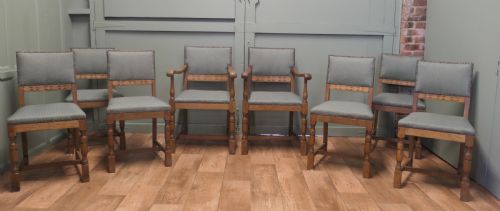
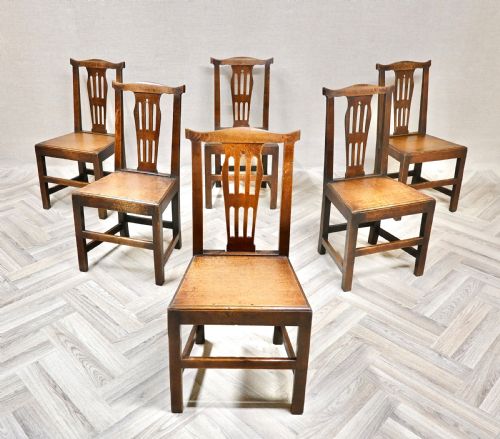
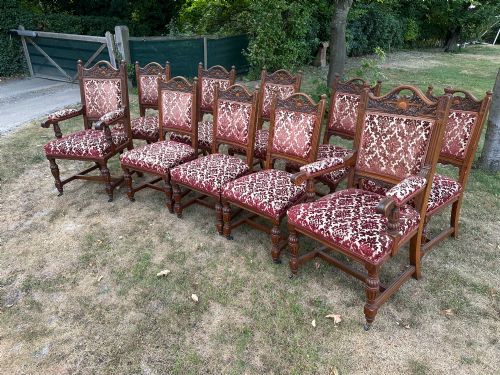
Traditional kitchen dining chairs are robust seating options designed for everyday use, encompassing vernacular forms from the Georgian, Victorian, and Edwardian eras. Buyers encounter various configurations, from single armchairs to matched sets and harlequin collections.
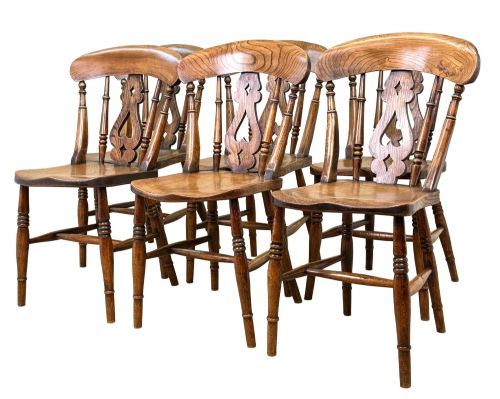
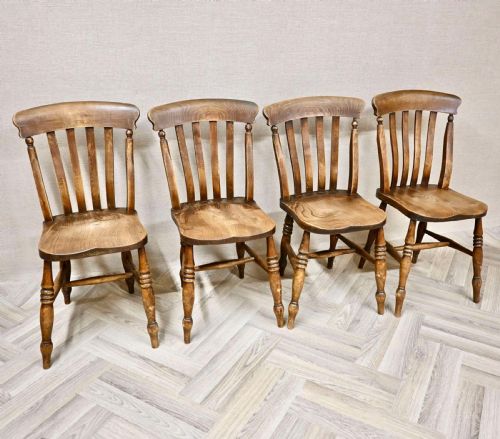
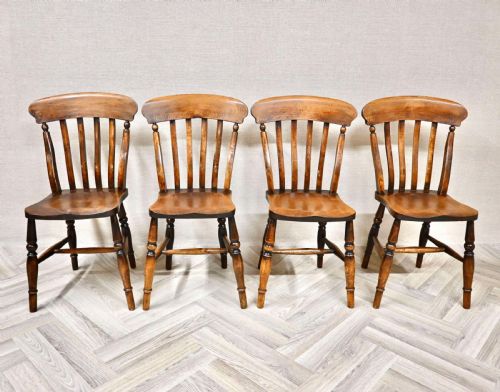
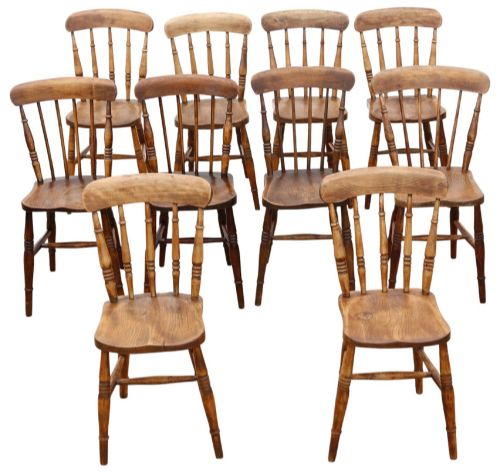
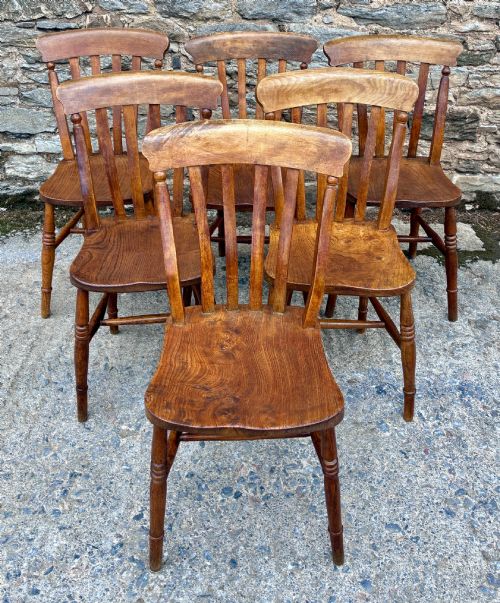
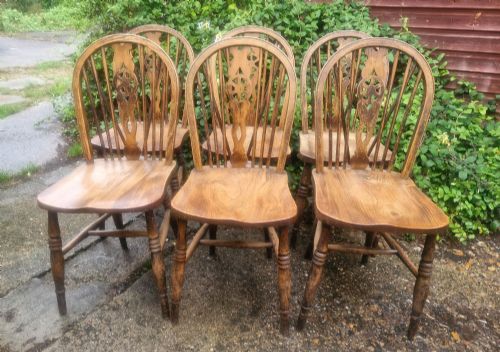
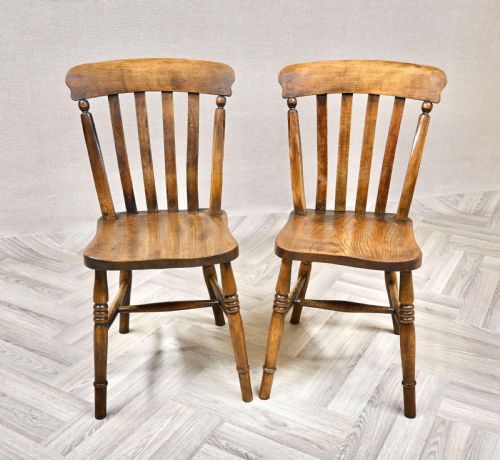
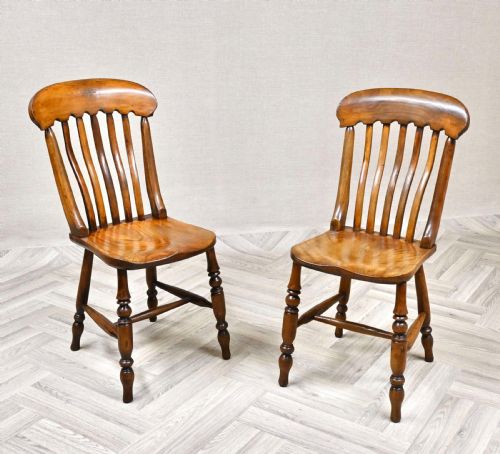
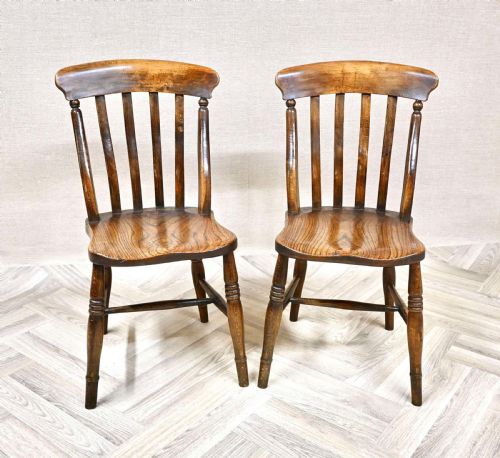
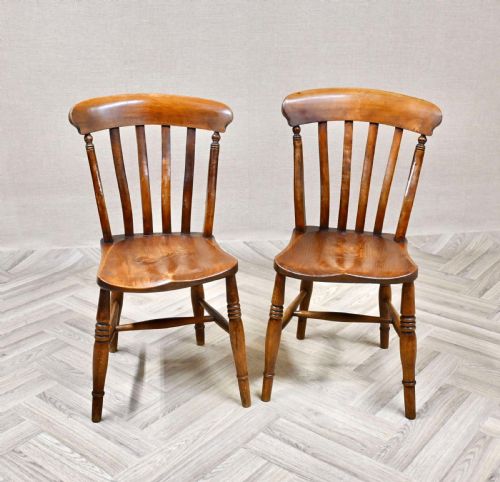
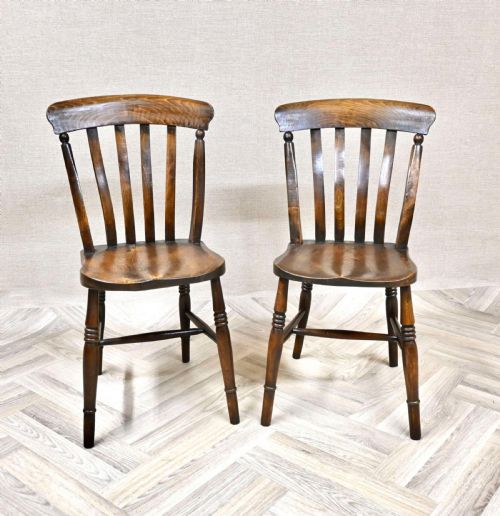
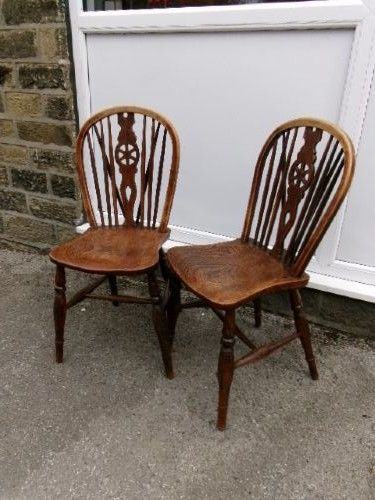
The selection on this page centres heavily on nineteenth-century designs, particularly Windsor chairs featuring hoop, stick, lath, or wheel backs. These pieces originate from regional workshops and rural farmhouses, showcasing styles such as English Country Vernacular and Rustic Farmhouse.
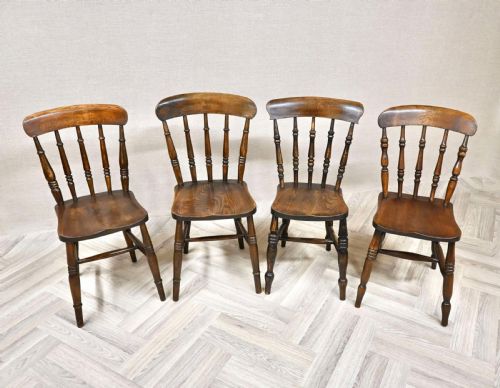
Alongside Windsor forms, the listings include ladderback and spindle back chairs, often arranged in sets suitable for a domestic dining table. Materials reflect the practical needs of rural life, relying on native timbers rather than exotic veneers.
How they were made
Traditional kitchen dining chairs were constructed using a combination of durable native timbers, pairing solid elm seats with bentwood ash, beech, or oak for spindles and frames. This multi-wood construction utilised the specific mechanical properties of each tree, such as the split-resistance of elm for solid plank seats.
Joinery methods relied on traditional turning and steam bending to shape hoops and crest rails, often securing components with wedged tenons. Many examples incorporate rush seating or turned legs braced by stretchers to ensure structural rigidity under constant use.
Many elm seats retain the subtle saddle indentations left by generations of farmhouse breakfast routines.
What varies in quality
Quality in these chairs rests upon the integrity of the timber selection and the retention of original surface patination. Pieces that display deep, unblemished colour on elm seats and well-turned ash spindles stand apart from those with compromised or heavily restored surfaces.
The crispness of the turning on legs and stretchers, alongside the balance of the overall proportions, marks the difference between standard utilitarian output and superior regional craftsmanship. Harlequin sets demonstrate varying degrees of harmony within assembled groupings.
The Traditional Kitchen Dining Chairs Glossary
- Windsor chair
- A timber chair built with a heavy solid wooden seat into which the legs and back spindles are tenoned directly. This vernacular form developed numerous regional variations across the British countryside.
- Lathback
- A chair back featuring a central vertical slat or lath, often slightly curved for comfort, flanked by traditional turned spindles. This variation appears frequently in nineteenth-century farmhouse seating.
- Harlequin set
- A collection of dining chairs that share a similar style, period, or material but were not originally manufactured as a single unified batch. Such sets are assembled to provide matching seating around a large table.
- Patina
- The deep surface sheen and mellow colour developed by timber over decades of handling, cleaning, and exposure to light. A good surface adds considerable visual depth to antique seating.
Traditional Kitchen Dining Chairs: Frequently Asked Questions
What defines a Windsor chair?
A Windsor chair is characterised by a solid wooden seat that acts as the central anchor for the legs below and the back assembly above. The components are typically turned from native hardwoods rather than joined with a conventional framed skeleton.
This construction method provided exceptional strength for daily domestic tasks in kitchens and farmhouses without requiring upholstery. The style evolved through various regional back designs, including wheel backs and hoop sticks.
How do I match a harlequin set?
Harlequin sets are assembled by gathering individual chairs that share common traits such as period, timber species, or general silhouette. They offer a flexible way to seat multiple people around a dining table.
When living with these sets, consistency in wood tone and seat height matters more than identical back patterns. The subtle variations between individual chairs contribute to the character of a traditional dining space.
Which woods were used originally?
Traditional makers utilised local British hardwoods chosen for specific structural duties within the chair. Elm was standard for solid saddle seats because its interlocking grain resisted splitting under heavy loads.
Ash and beech provided the flexibility needed for steam-bent hoops and the tensile strength required for thin spindles. Oak also appeared frequently in framing and ladderback designs across various regional workshops.
How do I date these chairs?
Dating relies on observing construction techniques, tool marks left by manufacture, and the evolution of regional styles from the Georgian period through the Edwardian era. Earlier nineteenth-century examples often display deep saddle-shaped seats and hand-turned components.
Later Victorian and Edwardian productions tended towards standardised factory turning and lighter overall scantlings. Comparing the timber patination and joinery details helps place a chair within its correct period.