



Traditional Hunting Portrait
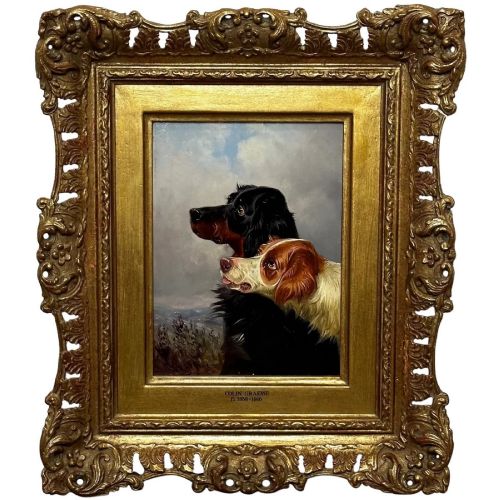
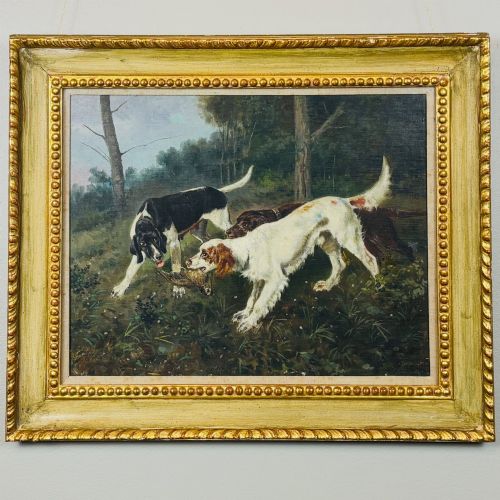
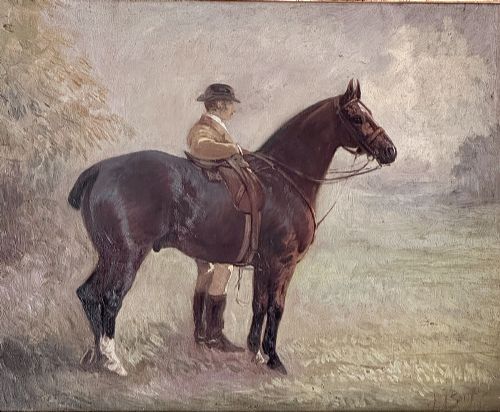
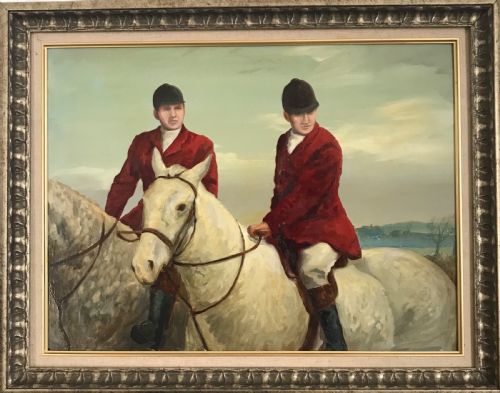
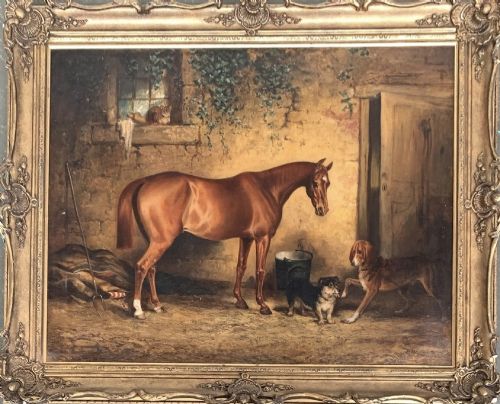
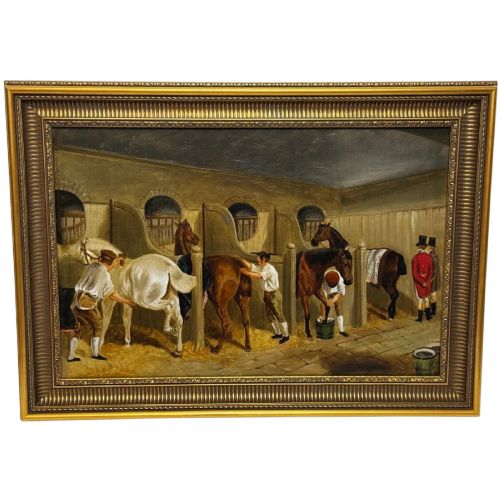
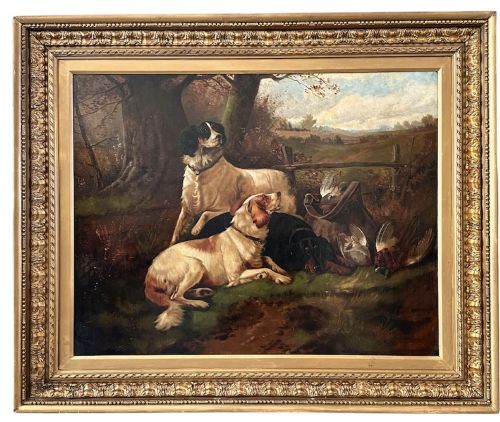
A traditional hunting portrait captures horses, hounds, and sportsmen in oil on canvas, offering a direct view into past sporting life.
Traditional Hunting Portrait
A traditional hunting portrait brings together horses, hounds, sportsmen, and rural landscapes rendered in oil on canvas. These works span from the eighteenth century through to the twentieth century, taking the form of framed wall art and oil paintings.
The versions most commonly met on this page belong to the nineteenth century and the Victorian period. They range from individual studies of bay hunters and gun dogs to lively scenes involving huntsmen and packs of hounds.
How they were made
These pieces rely on oil paint applied to canvas, capturing texture and depth within rural landscapes and animal subjects. Wood frames, often gilded, enclose the paintings to complete the presentation.
Artists utilised traditional brushwork techniques to render the sheen of a horse's coat, the alertness of hunting hounds, and the detail of period attire.
Traditional Hunting Portrait Retail Price Guide 2026
Typical asking prices for traditional hunting portrait among the pieces listed under this phrase on Sellingantiques today, from the lower quarter to the upper quarter. They describe what is for sale here now, not the wider market.
Gilded wood frames frequently accompany these nineteenth-century sporting scenes, complementing the depth of the oil paintings.
What varies in quality
Quality rests upon the artist's command of anatomy and proportion in depicting both animals and human figures. The convincing movement of a horse or the alert posture of a setter marks the higher end of the range.
The preservation of the oil paint and canvas surface, alongside the matching quality of the gilded wood frame, dictates the overall standing of an individual piece.
Henry Barraud·John Sargent Noble·Basil Nightingale·Fannie Moody·Colin Graeme Roe·Henri Schouten·Ludolf de Jongh·James Ward·William Albert Clark·Samuel John Egbert Jones
The Traditional Hunting Portrait Glossary
- Oil on Canvas
- Pigment mixed with drying oil applied to stretched fabric. This medium allows for rich blending and lasting depth of colour.
- Gilded Wood
- Timber treated with a thin layer of gold leaf or gilt paint. Frames finished in this manner provide a traditional ornamental border.
- Victorian Sporting
- An artistic style focusing on equestrian and field sports popular during the nineteenth century. These works document hounds, horses, and shooting parties.
- Equestrian
- Pertaining to horses and horseback riding. In these portraits, the horse serves as the central subject alongside its rider or handler.
Traditional Hunting Portrait: Frequently Asked Questions
What subjects appear in traditional hunting portraits?
These works feature horses, hounds, terriers, and gun dogs alongside sportsmen in landscape settings. Scenes range from quiet stable portraits to active winter fox hunts and tavern interiors.
Specific individuals and named horses occasionally take centre stage, documented alongside their handlers or specific hunt stables.
How should I care for an oil painting on canvas?
Keep the canvas away from direct sunlight and steady temperature fluctuations to prevent cracking in the oil paint. Dust the surface gently with a soft, dry cloth.
The gilded wood frame benefits from occasional light dusting without liquid cleaning products that might damage the finish.
Where were these portraits displayed originally?
Country houses, estate libraries, and sporting lodges served as the primary locations for hanging large equestrian and canine paintings. They reflected the landowner's passion for field sports and prized animals.
Today, these works transfer easily into domestic interiors, adding historical character to studies, hallways, and living rooms.
How can I tell the period of a portrait?
Clothing styles, such as top hats and hunting pinks, offer clues to the era in which the work was produced. Canvas preparation, stretcher construction, and framing techniques also help date the piece.
Signatures and artist inscriptions provide direct references, linking the work to nineteenth-century or earlier traditions.