


Traditional Horse Wall Print
These pieces gather traditional horse wall print works from centuries of equestrian art, bringing historic racehorses and hunts into the home.
Traditional Horse Wall Print
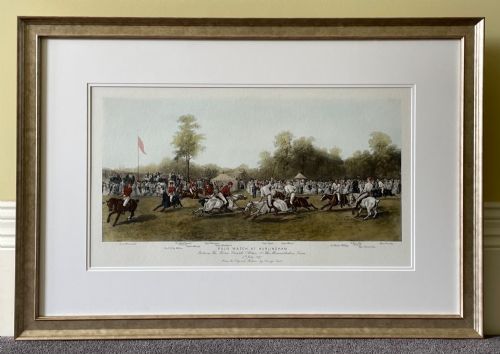
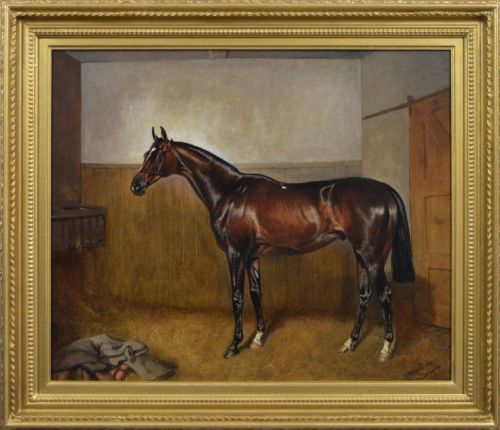
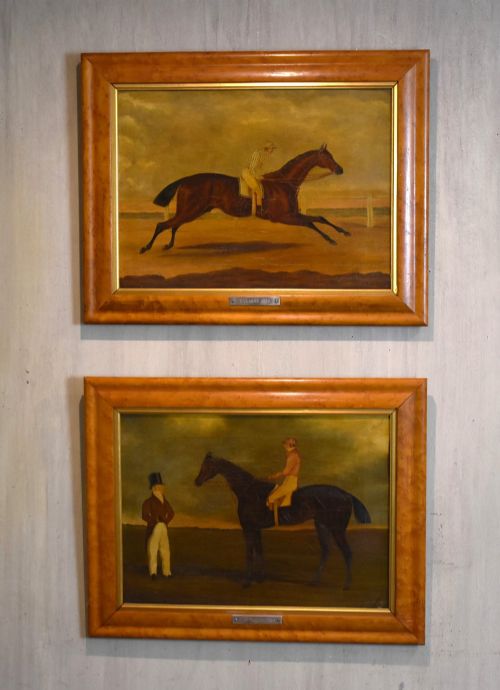
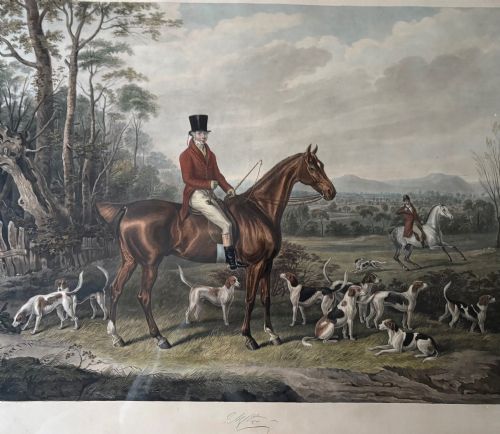
When you search for a traditional horse wall print, you look at framed artworks that capture historic equestrian subjects, racehorses, and hunting scenes. The pieces on this page span several centuries, with works originating from the Victorian era, the nineteenth century, and early twentieth-century decades.
Most entries take the form of framed prints, engravings, lithographs, and original paintings in oil or watercolour. Subjects range from individual portraits of celebrated racehorses to dynamic hunting sequences and sporting matches on paper and canvas.
Makers and artists represented include John Alfred Wheeler, John Frederick Herring Snr, Charles Faulkner, Alfred Wheeler, John Atkinson, Charles Johnson Payne Snaffles, Frank Algernon Stewart, and Edward Lloyd. These works reflect British sporting art traditions across Georgian, Victorian, Edwardian, and later periods.
How they were made
Makers utilised traditional mediums such as paper, canvas, ink, watercolour, and oil paint to render horses and riders with careful anatomical detail. Engravings and lithographs relied on precision plates and hand-colouring to bring depth to printed editions.
Frames incorporated wood and glass to protect delicate paper works, aquatints, and watercolours. Specialised techniques such as eglomise appeared alongside gold leaf detailing on select frames and mounts.
Periods represented span from Georgian times through Victorian, Edwardian, and mid-twentieth-century decades.
What varies in quality
The standard of draughtsmanship and the crispness of the ink or engraving define the visual success of each piece. Hand-coloured plates display subtle variations in pigment application that distinguish professional studio work from simpler productions.
The integrity of the original paper, canvas, and framing materials influences the enduring character of the artwork. Early prints preserved under glass retain sharper contrasts and cleaner margins than examples subjected to prolonged light exposure.
John Alfred Wheeler·John Frederick Herring Snr·Charles Faulkner·Alfred Wheeler·John Atkinson·Charles Johnson Payne Snaffles·Frank Algernon Stewart·Edward Lloyd
The Traditional Horse Wall Print Glossary
- Lithograph
- A print made from a planographic image drawn on stone or metal. This technique allows for fluid lines and tonal gradations found in many nineteenth-century sporting plates.
- Engraving
- An intaglio printmaking process where lines are cut directly into a metal plate. The resulting impressions capture fine details of horses and riders.
- Aquatint
- A variant of etching that produces areas of tone rather than lines. It mimics the appearance of watercolour washes in historic prints.
- Eglomise
- A process of applying cold gilding and painting to the rear face of glass. It creates a reflective, decorative border often seen on antique picture frames.
- Chromolithograph
- A colour lithographic technique using multiple stones. Each colour is printed separately to build up a vibrant image.
Traditional Horse Wall Print: Frequently Asked Questions
What subjects appear in these prints?
These works depict notable racehorses, portrait studies, hunting meets, and polo matches. Famous horses and riders feature prominently alongside broader sporting scenes from British history.
Artists documented both specific racing events and idealized rural hunts, capturing the dominant equestrian culture of the nineteenth and early twentieth centuries.
How should I hang these framed pieces?
Keep framed paper prints and watercolours away from direct sunlight to prevent the ink and pigments from fading over time. Stable indoor humidity protects both the antique paper and the wooden frames.
Pairing matching sets, such as hunting sequences or pairs of engravings, creates a balanced display on a study or hallway wall.
How do I identify a Victorian print?
Victorian pieces often display specific publishing dates, Victorian framing styles, or traditional engraving techniques typical of the nineteenth century. Subject matter frequently centres on organised hunts and prominent racing thoroughbreds.
Paper stocks and hand-coloured pigments from this era exhibit distinct ageing characteristics that separate them from later reproductions.
Are these works original or reproductions?
The selection includes original period prints, hand-coloured engravings, authentic watercolours, and unique oil paintings alongside occasional eglomise reproductions. Each listing specifies the exact medium used by the artist or publisher.
Checking the materials listed helps distinguish original nineteenth-century plates from twentieth-century interpretations.