


Traditional Horse Print
A traditional horse print brings the energy of the nineteenth-century field and racetrack directly to the wall through period paper and ink.
Traditional Horse Print
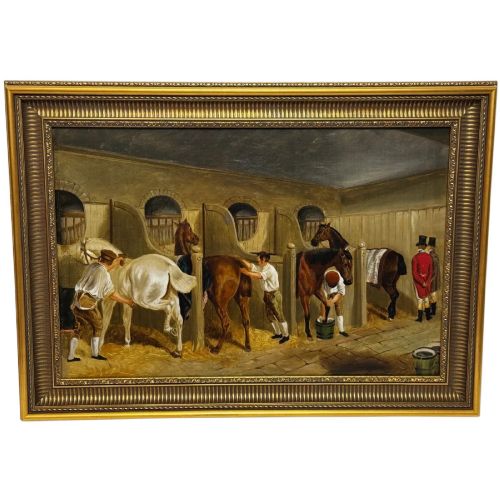
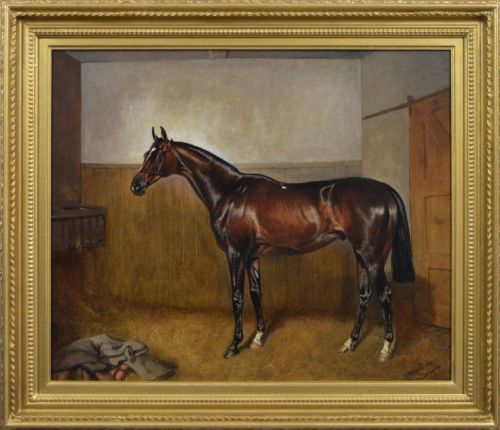
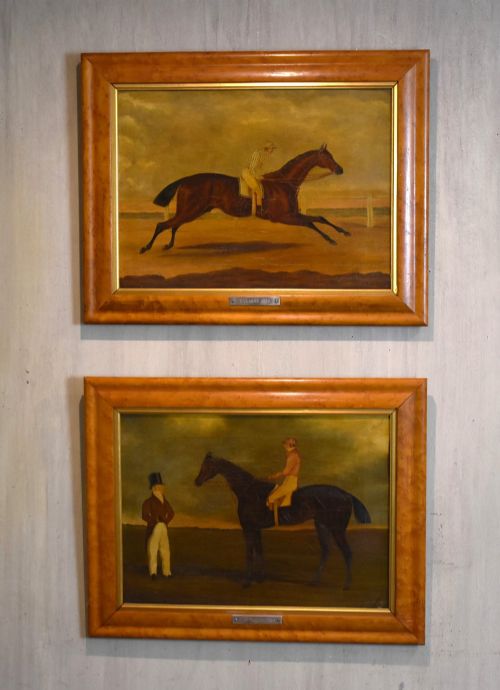
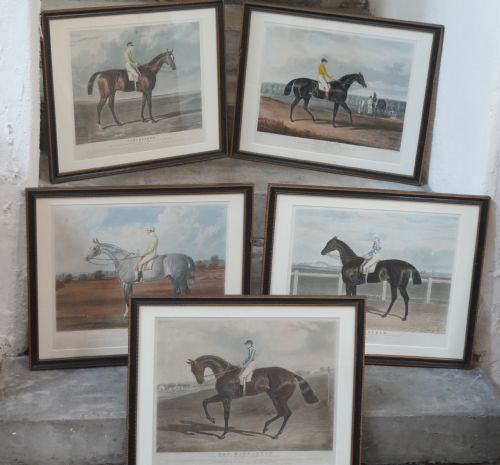
A traditional horse print captures equestrian subjects from the nineteenth century and early decades of the twentieth, spanning racing, hunting and portraiture. Buyers examine framed paper works alongside canvas paintings and watercolours that reflect British sporting art traditions.
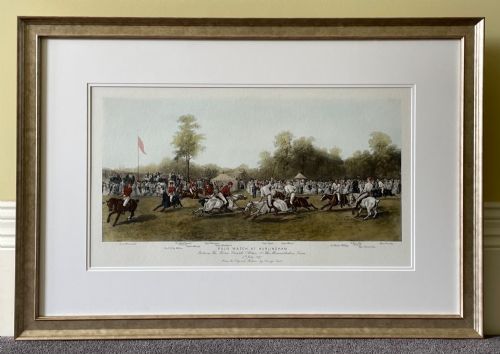
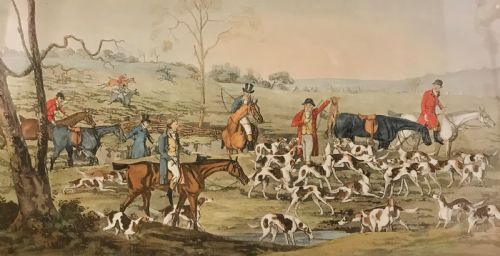
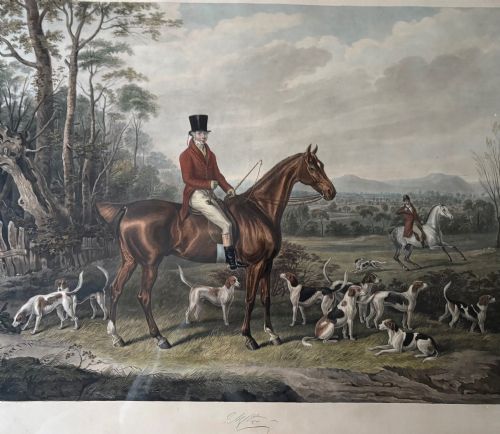
The most common examples on this page are hand-coloured engravings, lithographs and aquatints produced after established painters like John Frederick Herring and Henry Alken. These works frequently depict meets, hunts and celebrated racehorses rendered in period frames.
How they were made
Makers produced these works using paper and canvas as supports, applying ink through engraving, lithography and aquatint techniques. Artisans often added hand-colouring to printed lines using watercolour pigments.
Framing involved wood mouldings, occasionally finished with gold leaf or glass protection, while some specialised items utilised eglomise or brass rubbing methods.
One listed item documents the colourful life of John 'Mad Jack' Mytton alongside wax seals and an aquatint.
What varies in quality
Quality rests in the crispness of the original impression and the precision of the hand-colouring applied across the paper surface. Sharp plate marks and clear publisher details distinguish superior print runs from later or softer impressions.
The material integrity of the paper and the retention of original framing elements, such as period gilt mouldings and glass, influence the overall character of the piece.
The Traditional Horse Print Glossary
- Aquatint
- A printmaking technique that produces tonal areas resembling watercolour washes. It was frequently used in sporting art to render atmospheric skies and landscape backgrounds.
- Lithograph
- A planographic printing method using a stone or metal plate. This process allowed publishers to reproduce detailed horse and hunting scenes efficiently in large numbers.
- Engraving
- A method of cutting design lines directly into a metal plate with a sharp tool. Prints pulled from these plates display precise linework suited to anatomical details of horses.
- Hand-coloured
- A finished print enhanced with pigment applied by brush after printing. Artisans coloured jockey silks and vegetation by hand to increase visual appeal.
- Eglomise
- A process of applying cold gilding and painting to the rear face of glass. This technique creates a reflective, decorative border around the central image.
Traditional Horse Print: Frequently Asked Questions
How do I identify a period print?
Examine the paper stock for appropriate ageing, watermark evidence and plate marks left by the printing press. Early impressions display sharp ink transfer and distinct publisher inscriptions.
Paper from the nineteenth century differs noticeably in weight and texture from modern reproductions. Closer inspection often reveals the characteristic dot patterns or hand-applied pigments typical of period production methods.
Were these prints coloured originally?
Many nineteenth-century sporting prints received hand-colouring in watercolour immediately after the ink impression dried. Publishers employed colourists in workshops to paint jockey silks and hunting pinks.
Evaluating the pigment under magnification helps determine whether the colour dates to the publication era. Original watercolours sit naturally within the paper fibres rather than resting on top.
How should I hang and light them?
Display paper works away from direct sunlight to prevent the fading of ink and watercolour pigments. Conservation framing with acid-free mounts protects the paper from degradation over time.
Maintain stable indoor humidity levels to keep wooden frames and paper supports in sound condition. Gentle ambient lighting illuminates the details without generating excessive heat.
What subjects are most common?
Hunting scenes, steeplechase races and portraits of famous racehorses dominate the available works. Artists frequently recorded specific meets, huntsmen and notable equine champions of the Victorian and Edwardian eras.
These subjects reflect the strong sporting culture of nineteenth-century Britain. The imagery often captures specific topographical locations and named horses known from racing history.