



Traditional Highland Artwork
Traditional highland artwork captures the rugged majesty of northern landscapes and rural life through the hands of Victorian and early twentieth-century painters.
Traditional Highland Artwork
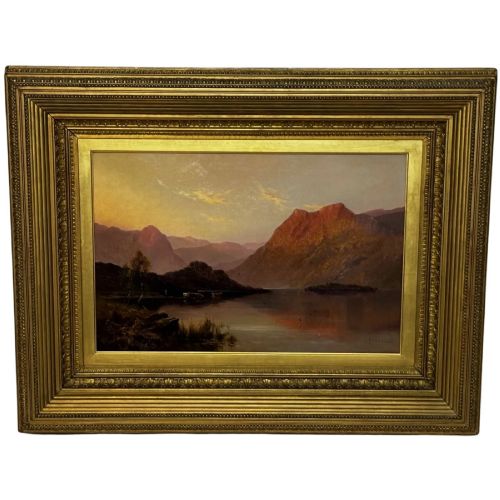
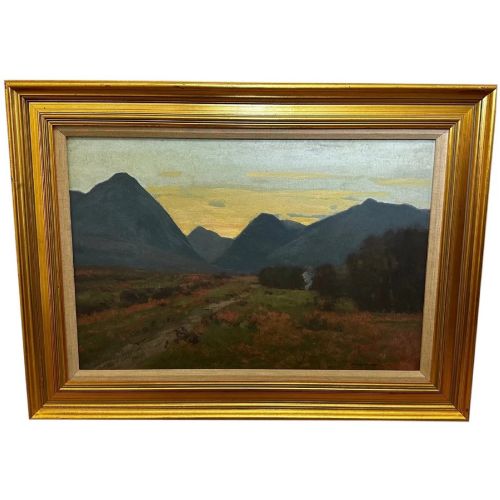
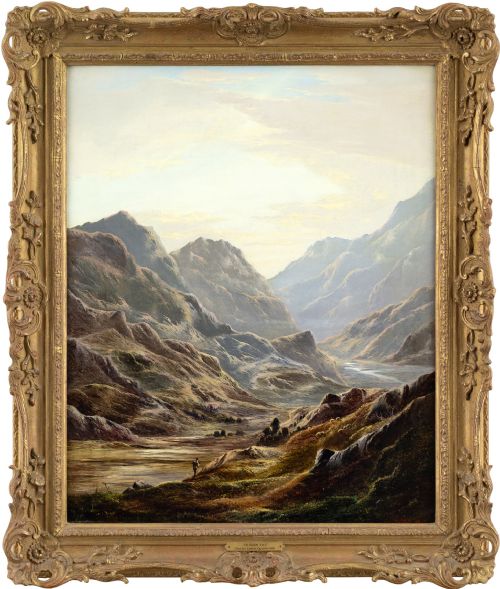
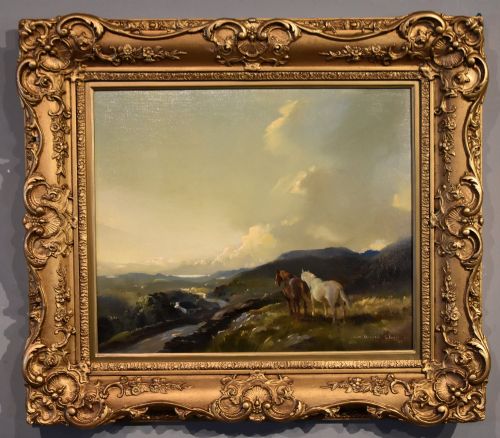
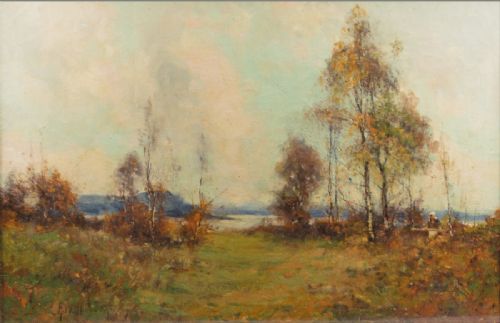
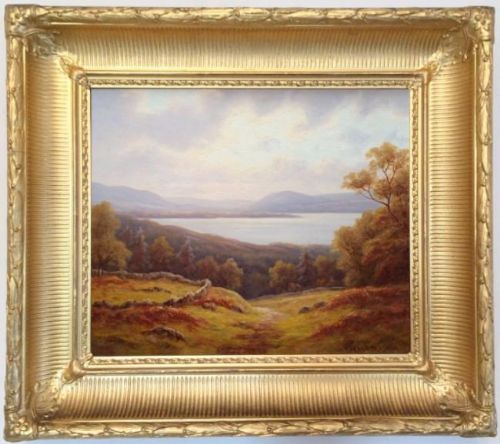
Traditional highland artwork encompasses painted depictions of Scottish scenery, featuring remote lochs, misty mountains, and pastoral animals. These works record the natural topography and rural heritage of regions like Skye, Arran, and the Grampians during the nineteenth and early twentieth centuries.
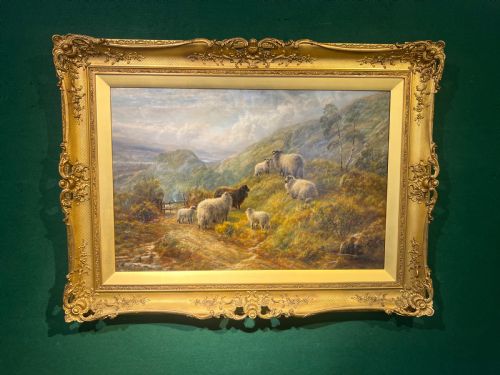
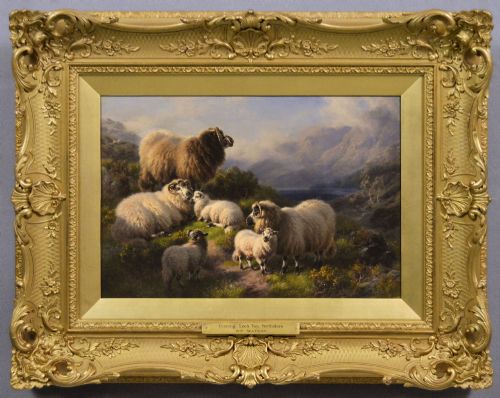
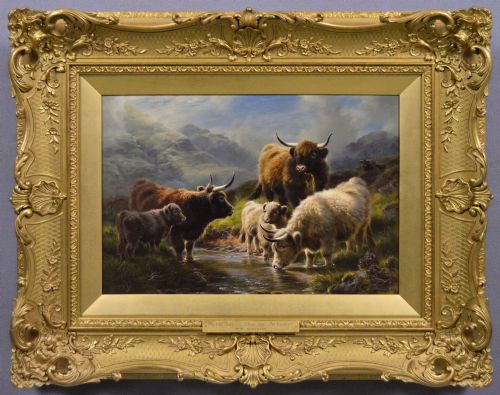
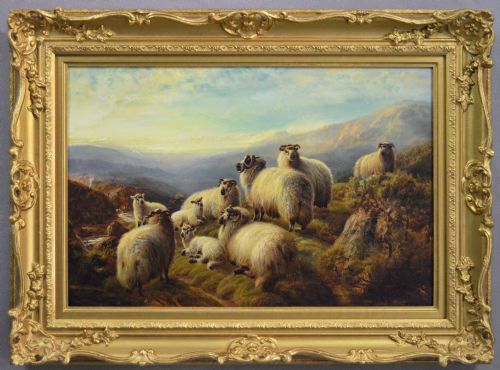
Buyers encountering this genre will typically find framed oil paintings on canvas or wood panel dating from the Victorian era onward. Common motifs include Highland cattle at water, sheep resting near loch shores, and remote crofts nestled beneath peaks such as Ben Lawers.
The aesthetic bridges several movements, drawing on Victorian realism, Scottish landscape traditions, and early impressionist tendencies. Each piece offers a window into how artists perceived the wilderness during periods of industrial expansion in the south.
Materials and construction methods
Painters relied predominantly on oil paint applied to stretched canvas or prepared wood panels, building up texture through layered brushwork and impasto. These mediums allowed artists to capture the atmospheric changes in light across water and open moorland.
Many surviving works retain their original giltwood and gesso frames, which provide structural support and decorative ornamentation appropriate to the period. The combination of heavy carved wood and gold leaf enhances the visual depth of the canvases within.
Listings feature artists working across the Victorian era into the 1950s, using oil paint on canvas and wood panel.
Distinctions in craftsmanship and execution
Quality within this category rests upon the artist's ability to render light, atmosphere, and animal anatomy with precision. Superior examples demonstrate skilled handling of Highland cattle and sheep, integrating livestock naturally into the surrounding topography rather than treating them as static additions.
The depth of the palette and the preservation of the original canvas or panel surface dictate the strength of a composition. Stronger works convey the chill of morning mist or the warmth of sunset across a loch through nuanced tonal transitions.
William Beattie-Brown·Tom Campbell·George Houston·William Watson Jnr·Charles Leslie·Henry Robinson Hall·Alfred de Breanski Snr·Gustave De Brianski
The Traditional Highland Artwork Glossary
- Giltwood
- Wood carved and coated with gold leaf or a gold-coloured finish. This material forms the ornate frames frequently surrounding Victorian and Edwardian oil paintings.
- Gesso
- A plaster mixture applied to wood panels or frames to create a smooth surface for painting or gilding. It provides a stable foundation for decorative elements.
- Impasto
- Paint applied thickly to a canvas so that the brush or palette knife marks remain visible. This technique adds tactile dimension to highlights on water or cattle coats.
- Wood Panel
- A rigid flat support made from timber used by artists instead of woven canvas. These panels offer a firm base for detailed brushwork in oil.
- Scottish School
- A collective term for artists working in Scotland or producing Scottish subjects during the nineteenth and twentieth centuries. It encompasses diverse stylistic approaches from realism to impressionism.
Traditional Highland Artwork: Frequently Asked Questions
What periods do these paintings come from?
The available works span the nineteenth century through the early decades of the twentieth century, with a strong representation of Victorian production.
Dates align with the rise of Scottish landscape painting as a distinct genre collected by contemporaries.
How should I care for an oil painting on canvas?
Keep canvases away from direct sunlight and sources of extreme heat or humidity to prevent cracking in the paint layer.
Dust the surface gently with a soft, dry brush and avoid using liquid cleaners on the canvas or historic gilt frames.
What subjects are most common in these scenes?
Highland cattle and sheep feature prominently, often shown watering at lochs or resting in mountain glens.
Artists also frequently painted castles, crofts, and expansive vistas featuring peaks like Ben Lawers or Sgurr nan Gillean.
How do I identify a wood panel backing?
Wood panels present a rigid, flat wooden support visible on the reverse of the artwork where canvas is absent.
These panels were favoured by artists working on smaller scales or seeking a firm resistance for detailed brushwork.