
Traditional Hanging Lantern
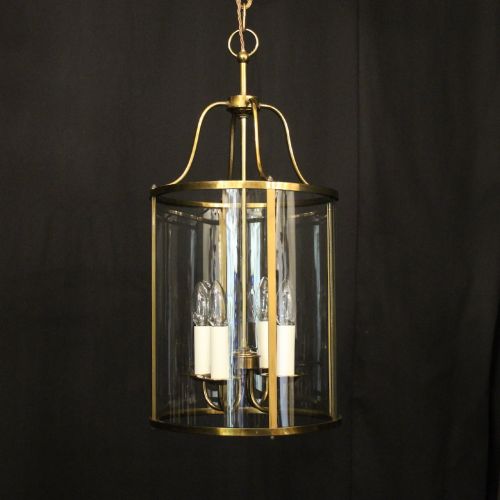
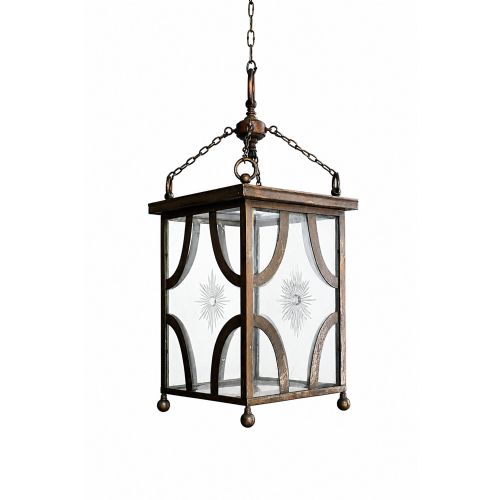
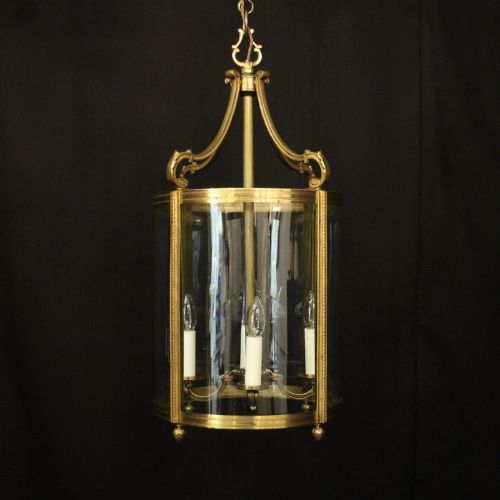
Traditional hanging lanterns light entrance halls with brass, bronze and glass, bringing period character and warm illumination to high ceilings.
Traditional Hanging Lantern
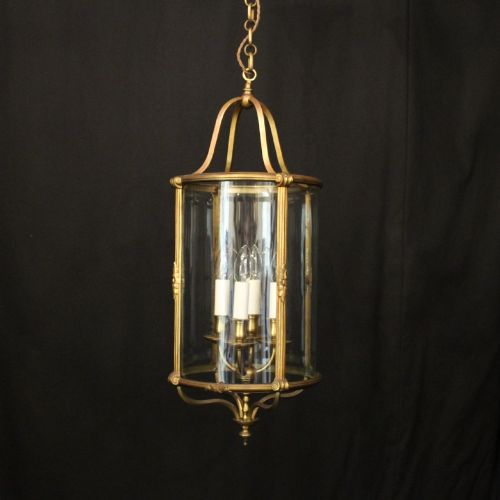
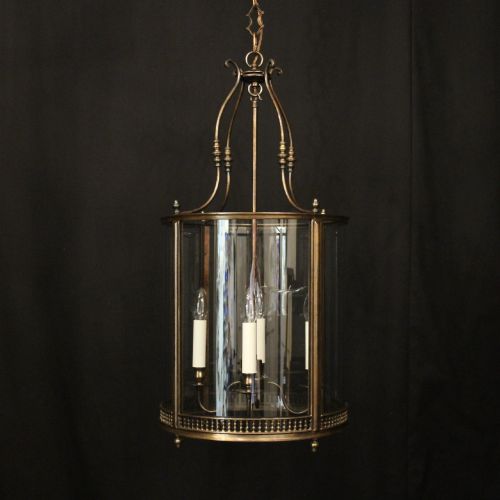
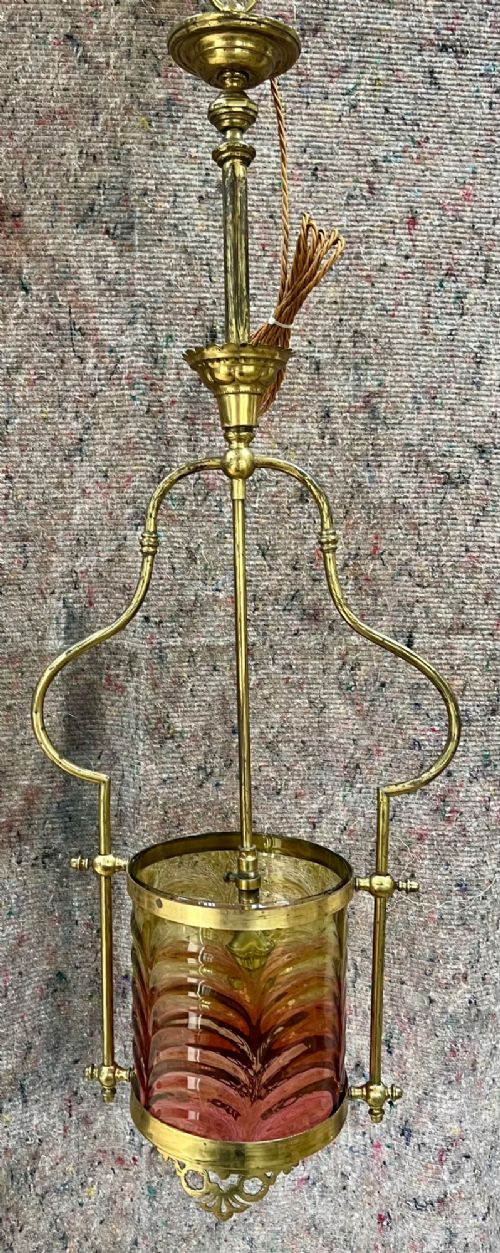
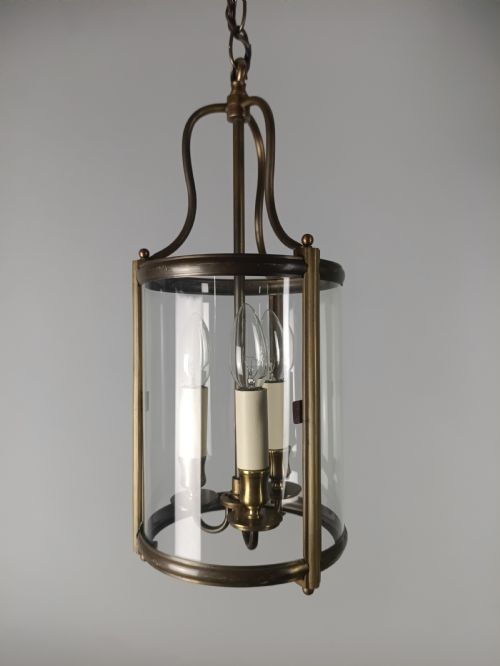
When you search for a traditional hanging lantern, you encounter ceiling-mounted fixtures designed to illuminate hallways, vestibules and stairwells. These lights combine structural metal frames with glazed panels to protect the interior bulb or candles from drafts while diffusing the glow.
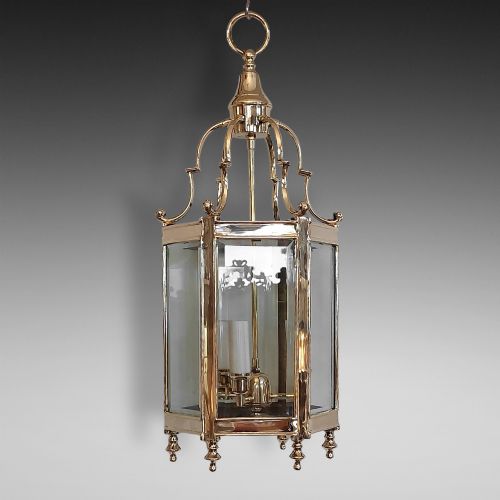
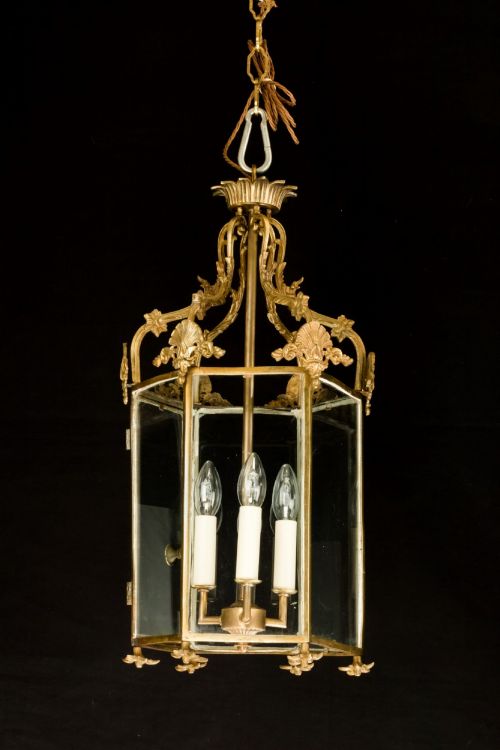
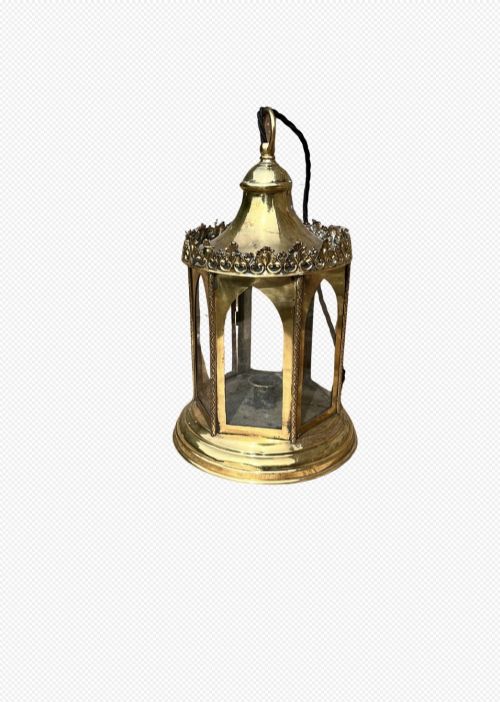
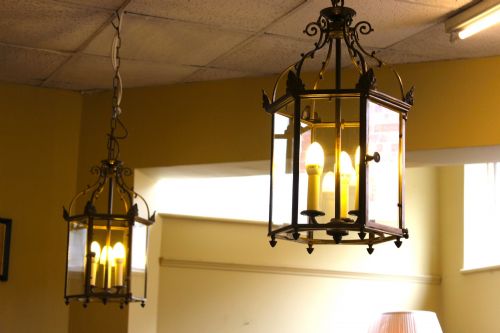
The pieces on this page span the Victorian, Edwardian and early twentieth century periods, alongside French and English regional styles. Hexagonal brass frames and convex glass variants appear frequently, originating from workshops favouring period revival designs such as Gothic, Arts and Crafts and Neo-Classical.
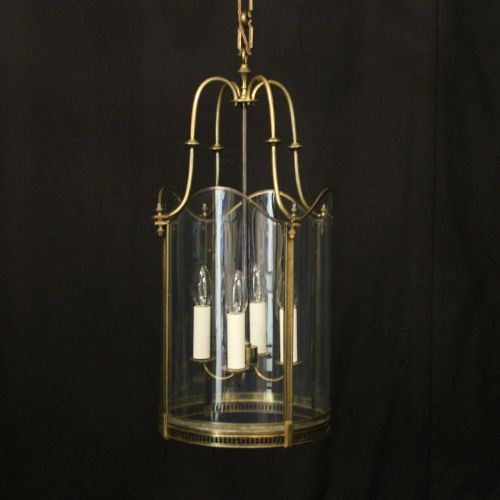
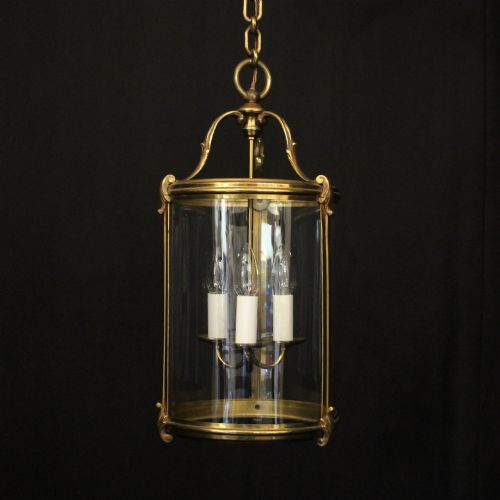
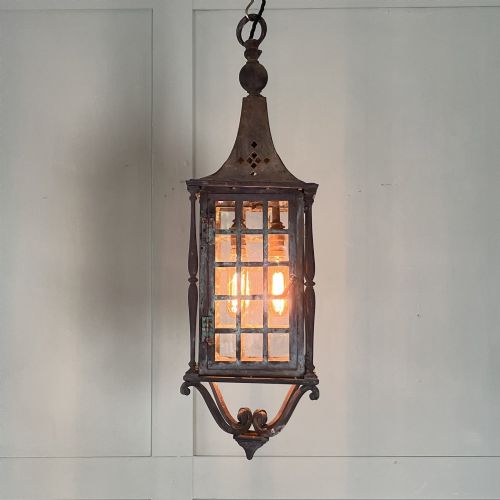
Forms range from simple single-bulb pendants to large multi-light chandeliers housed within elaborate bronze or gilded frames. Smaller hexagonal models suit modest Victorian hallways, while grander French chateau and gilded bronze iterations serve expansive entrance spaces.
How they were made
Maker workshops constructed these frames predominantly from cast brass, wrought iron, bronze and gilded bronze, joined by soldered or riveted structural ribs. Metal components often received gilt finishes or patination to enhance the visual depth of the period design.
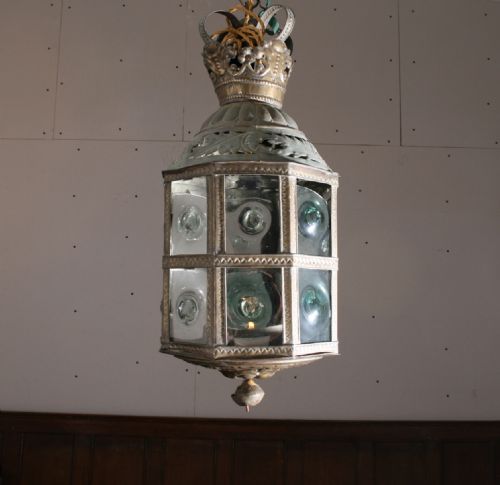
Glazing techniques defined the character of the light, utilising bevelled glass, hand-blown bulls-eye panes and moonstone panels. Craftsmen fitted these glass sections precisely into metal channels, securing them with internal tabs or traditional lead cames.
Listings feature brass, bronze and wrought iron materials spanning the Victorian, Edwardian and 1920s eras.
What varies in quality
Quality rests in the substance of the metal casting and the clarity of the glass panels. Heavier gauge brass and cast bronze provide structural rigidity that lighter pressed metal frames lack.
The refinement of the decorative details separates standard pieces from finer examples. Hand-bevelled glass panes, intricate casting chased by hand, and original gilded surfaces distinguish superior workshop output.
The Traditional Hanging Lantern Glossary
- Convex glass
- Curved glass panels that project outward from the lantern frame. This shape disperses light more broadly across a hallway.
- Bevelled glass
- Glass panes featuring angled, polished edges that refract light into prismatic colours. It signifies higher craftsmanship in period lighting.
- Bulls-eye glass
- Thick glass formed with a circular centre knot from the blowing process. This historic method creates unique distortion and texture.
- Hexagonal
- A six-sided geometric frame shape common in hall lanterns. This configuration allows multiple glass panels to surround the light source evenly.
- Gilded bronze
- Bronze metal treated with a thin layer of gold leaf or gilt wash. This finish provides a warm, enduring metallic lustre.
Traditional Hanging Lantern: Frequently Asked Questions
How do I hang a heavy hall lantern?
Heavy brass and bronze lanterns require direct ceiling joist fixation using a rated hook and chain assembly. Electric cables should run independently through the suspension chain rather than supporting the weight.
Consult a qualified electrician to ensure the ceiling structure and wiring boxes safely accommodate the substantial weight of cast metal fixtures.
What rooms suit a traditional hanging lantern?
These fixtures work best in high-ceilinged entrance halls, stairwells, and vestibules where the downward illumination and vertical proportions can be appreciated. Their enclosed glazed designs also make them practical for covered porches.
Ensure adequate ceiling clearance so the lantern hangs safely above walkways while remaining a striking visual centrepiece upon entry.
How do I clean antique glass and brass?
Dust glass panels regularly with a soft dry cloth and clean periodically using a mild glass cleaner applied to a cloth rather than sprayed directly. This prevents moisture seeping into vintage metal joints.
Preserve the unlacquered metal patina by avoiding abrasive metal polishes, using only a gentle microfibre cloth to remove surface grime from brass and bronze frames.
Can I convert an old candle lantern to electricity?
Many surviving pieces originate from gas or candle eras and have undergone professional electrical conversion to modern standards. Rewiring involves fitting standard internal lamp holders suited to contemporary bulbs.
Retaining historic fittings where possible preserves the integrity of the piece while allowing safe daily use in a modern home.