





Traditional Hand Knotted Rug
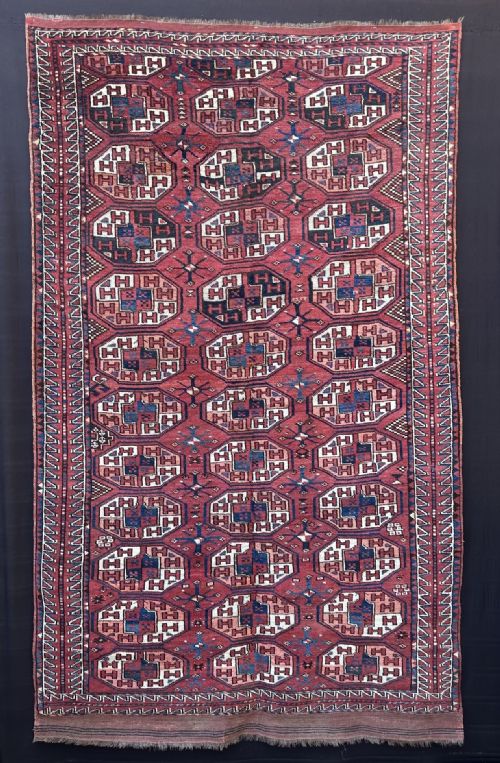
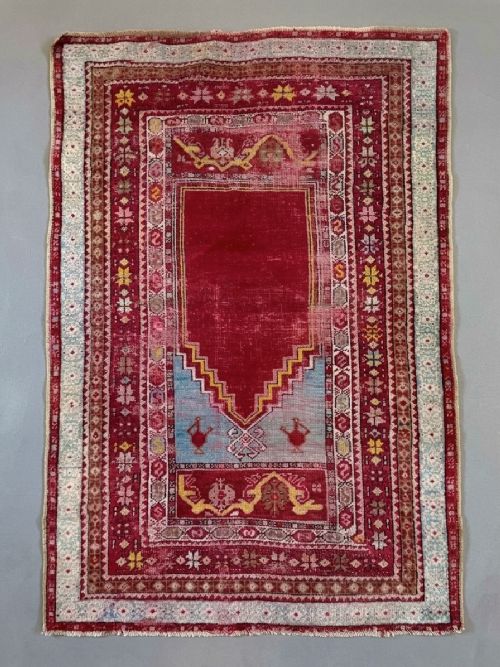
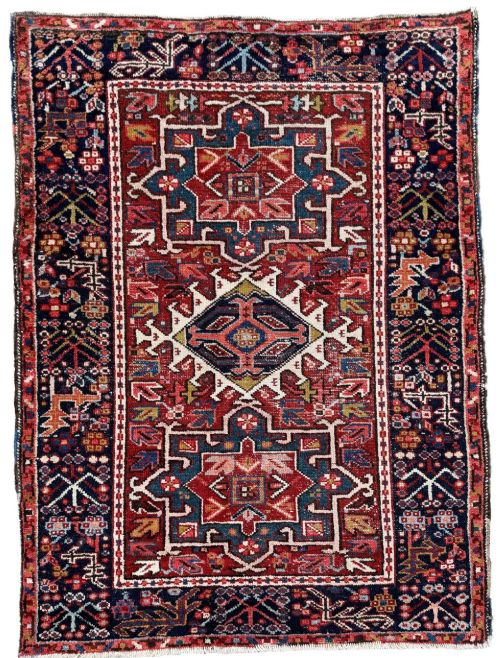
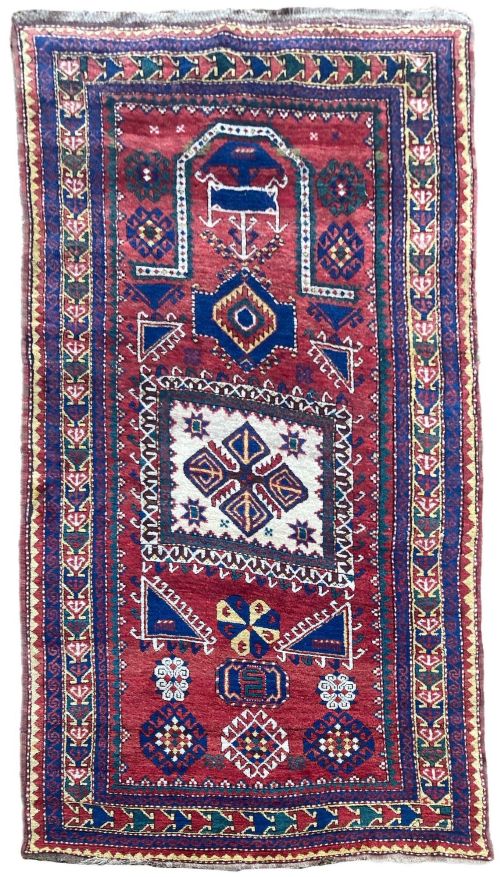
These are traditional hand knotted rug examples, woven across Persia, the Caucasus, Anatolia and Central Asia during the nineteenth and early twentieth centuries.
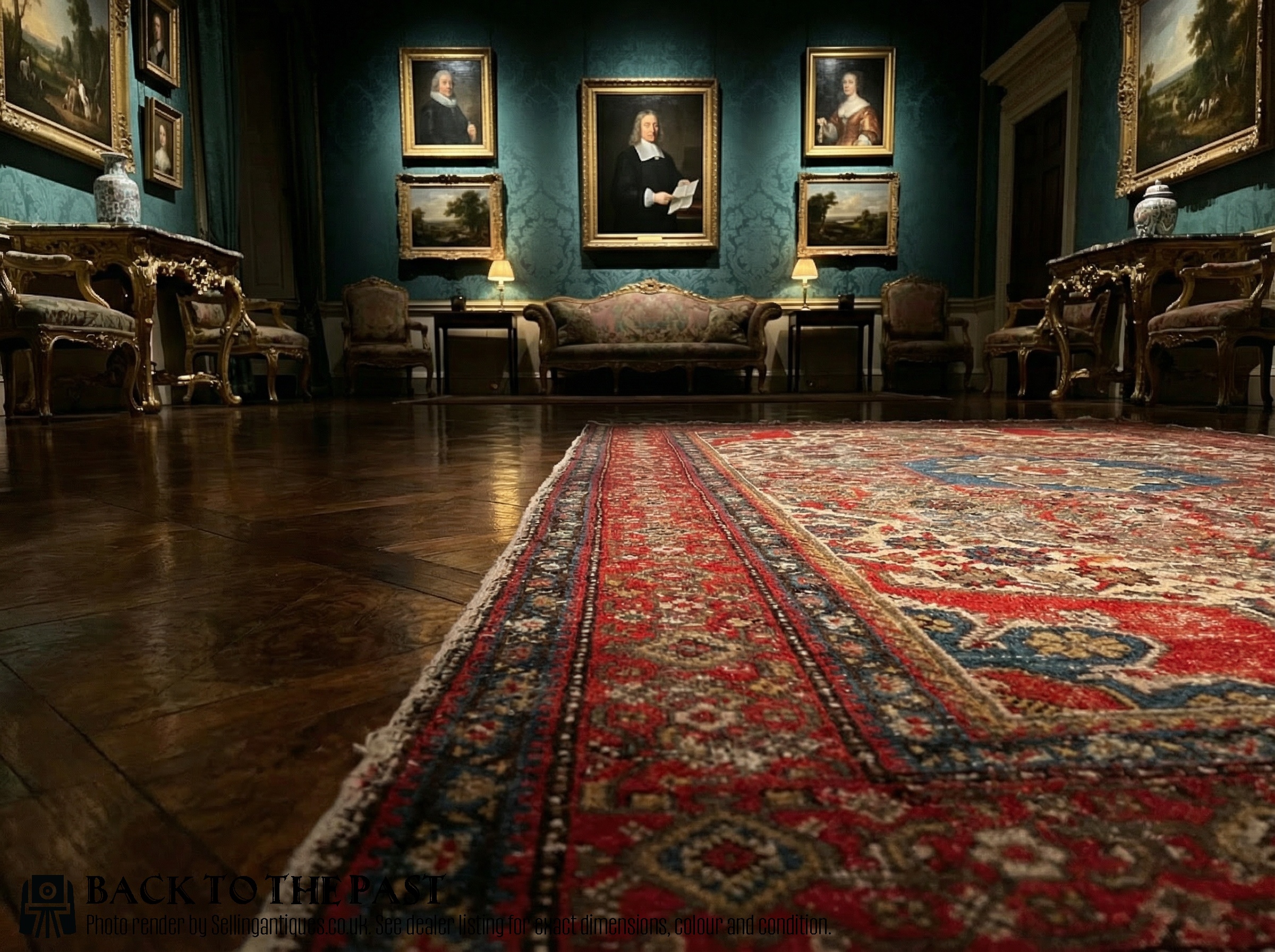
Traditional Hand Knotted Rug
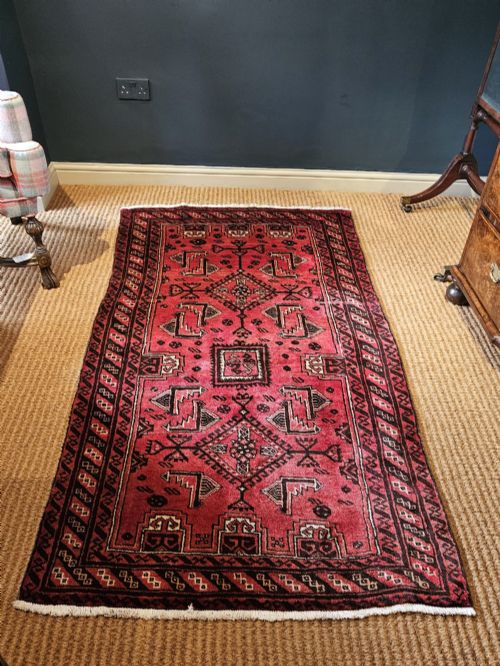
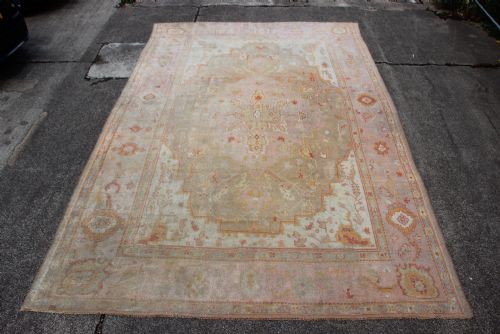
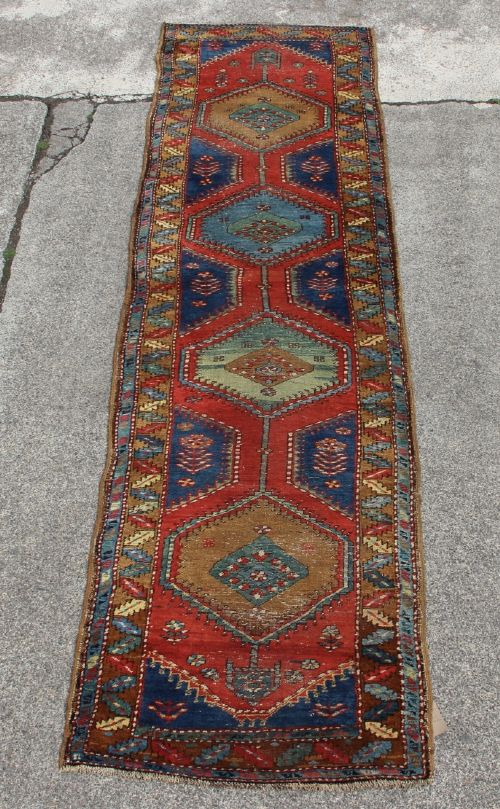
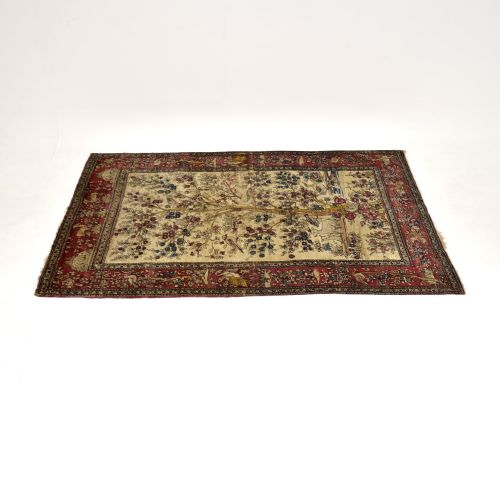
A traditional hand knotted rug on this page represents centuries of nomadic and village weaving traditions from regions such as Persia, the Caucasus, Anatolia, and Turkmenistan. Buyers encounter room-sized carpets, hearth-sized floor coverings, long narrow runners, and specific prayer formats dating from the nineteenth century through the early decades of the twentieth century.
The inventory leans heavily towards named tribal and village styles, including Heriz, Kazak, Oushak, Baluch, and Khamseh pieces. These items served functional domestic roles in country houses and village homes before entering the antique market.
Materials and construction
Weavers constructed these pieces using hand-spun wool, cotton foundations, and occasionally silk highlights to add texture and definition to the pile. Natural dyes provided the characteristic rich reds, deep blues, and mellow colour palettes that stabilise and soften gracefully over decades of light exposure.
The foundational technique relies entirely on manual knotting by individual weavers working on upright looms, integrating intricate geometric motifs, tribal symbols, and floral medallions without the aid of modern machinery.
Traditional Hand Knotted Rug Retail Price Guide 2026
Typical asking prices for traditional hand knotted rug among the pieces listed under this phrase on Sellingantiques today, from the lower quarter to the upper quarter. They describe what is for sale here now, not the wider market.
Some runners are so long and narrow they practically lead you into another time zone.
Indicators of quality
Quality in these textiles depends on the tightness of the knotting, the resilience of the wool, and the clarity of the design geometry. Tightly packed knots yield a denser pile that resists heavy foot traffic and preserves the sharpness of the original pattern.
The nuance and depth of the natural dye work separate standard domestic pieces from exceptional village or tribal examples. Subtle tonal variations within individual wool threads indicate skilled dyeing practices that enhance the visual texture of the carpet.
The Traditional Hand Knotted Rug Glossary
- Prayer rug
- A small format textile featuring a mihrab or arch design, traditionally used for daily Islamic prayers.
- Runner
- A long and narrow carpet format specifically designed for hallways, corridors, and narrow spaces.
- Mihrab
- The architectural arch motif depicted on prayer rugs, directing the focus of the worshipper.
- Pile
- The upright yarn surface of the carpet formed by the ends of knots tied to the warp and weft foundation.
Traditional Hand Knotted Rug: Frequently Asked Questions
How do I care for an antique rug?
Vacuum gently without using a rotating brush roll to prevent snagging the wool pile. Keep the textile out of direct, intense sunlight to protect the natural dyes from fading unevenly.
Rotate the rug periodically to ensure even wear patterns across high-traffic areas. Professional cleaning by a specialist in antique textiles is essential every few years.
Where were these rugs made?
Production centres span across Persia, the Caucasus, Anatolia, Turkmenistan, and Tibet. Village weavers and nomadic tribes created distinct patterns unique to their specific geographic regions.
Town workshops in places like Oushak, Heriz, and Isfahan produced larger, more formal carpets for export and domestic elite use.
What is the difference between a carpet and a rug?
Carpets generally refer to larger floor coverings suited for substantial rooms or main reception spaces. Rugs typically describe smaller formats intended for specific zones, hearths, or prayer use.
Both share identical hand-knotting techniques and material compositions depending on their origin.
How can I tell tribal rugs apart?
Tribal pieces from regions like the Caucasus or Baluchistan feature bold geometric motifs, stark primary colours, and distinctive borders. These designs reflect the independent artistic heritage of specific nomadic groups.
In contrast, Persian town carpets often display intricate curved floral vines, central medallions, and balanced symmetrical layouts.