

Traditional Hallway Coat Rack
A traditional hallway coat rack organises entrance spaces while displaying period craftsmanship through solid timbers and cast metal work.
Traditional Hallway Coat Rack
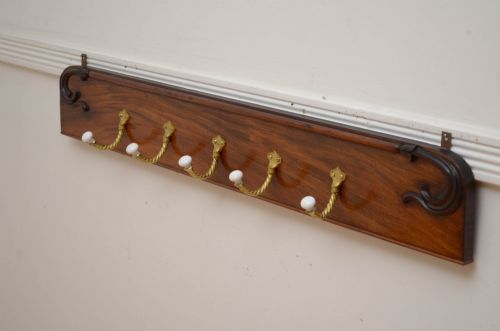
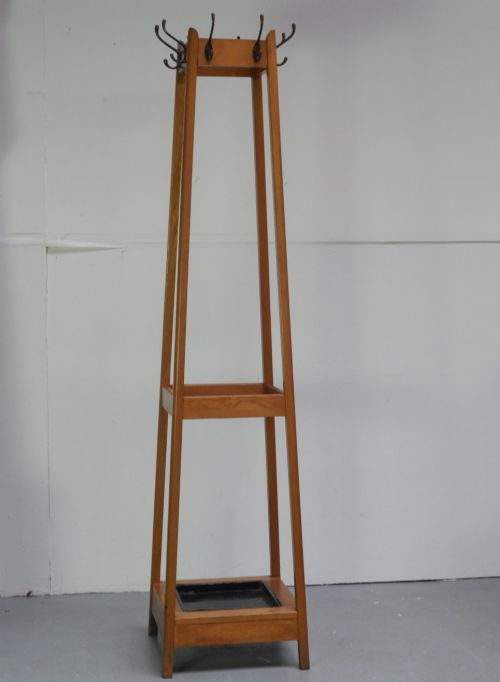
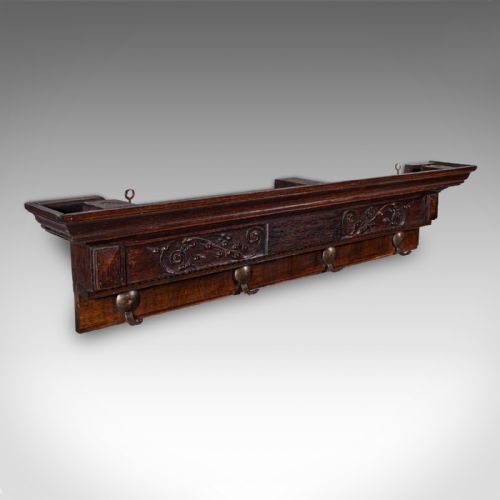
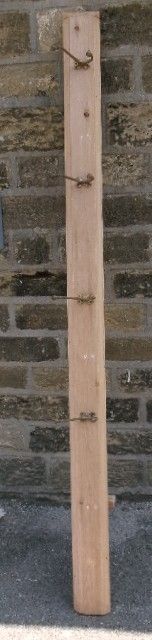
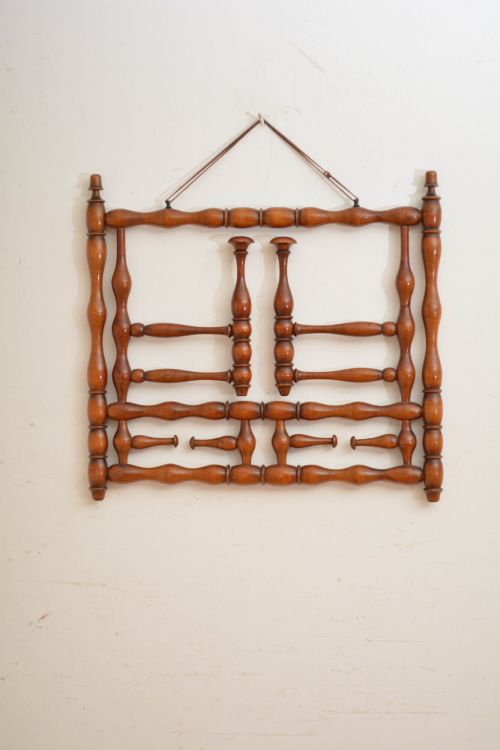
A traditional hallway coat rack encompasses wall-mounted hook boards and freestanding hall stands designed for domestic entrances. These pieces range from compact pine backboards fitted with brass and ceramic hooks to substantial mahogany and oak hall trees incorporating umbrella holders and seating.
The selections encountered most frequently on this page date from the Victorian and Edwardian eras alongside early twentieth-century bentwood examples. Buyers also find substantial multi-functional hall seat stands and walnut pieces reflecting Arts and Crafts design principles.
How they were made
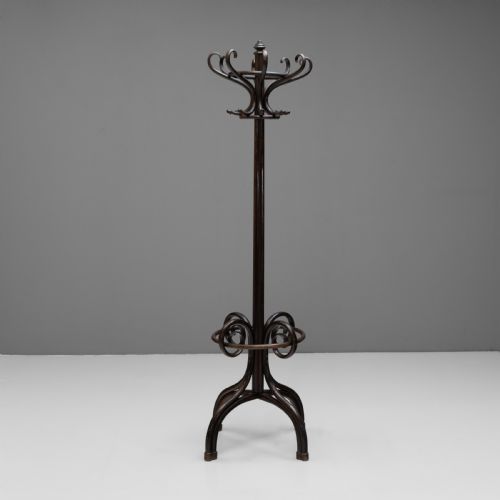
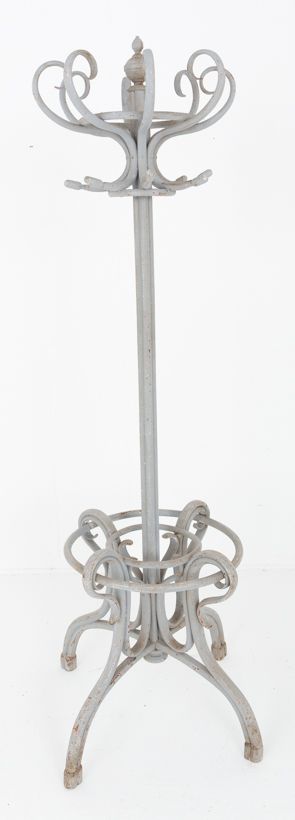
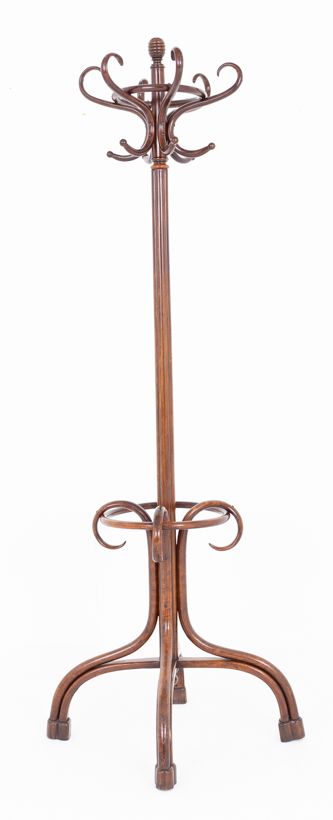
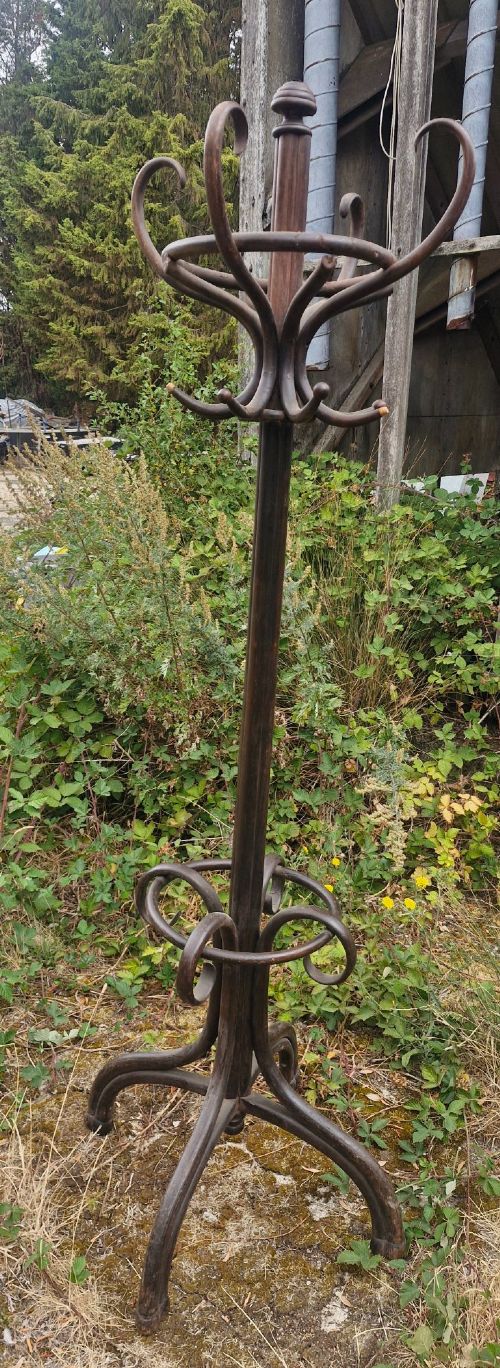
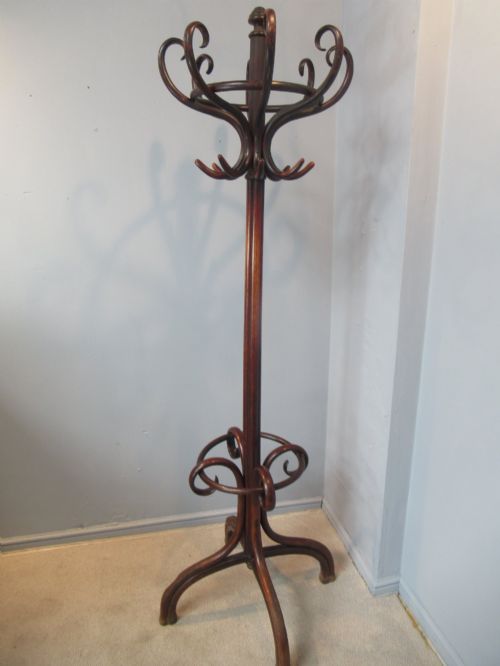
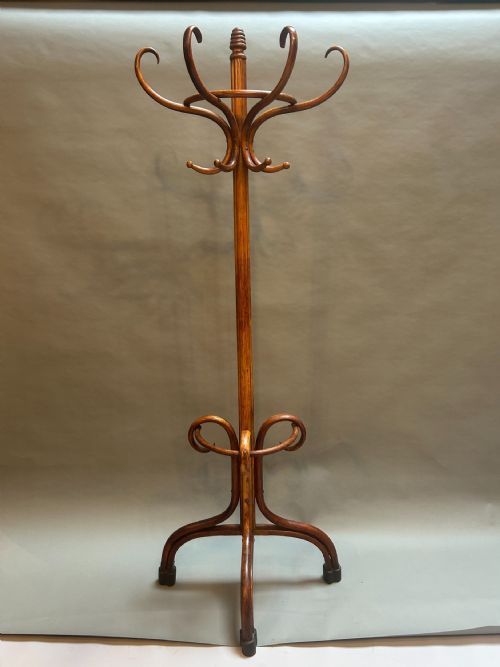
Construction relies heavily on traditional timbers such as oak, mahogany, walnut, and pine, often shaped into solid backboards or curved steam-bent beech components. Workshops utilised steaming techniques to produce the characteristic looped frames of bentwood hatstands.
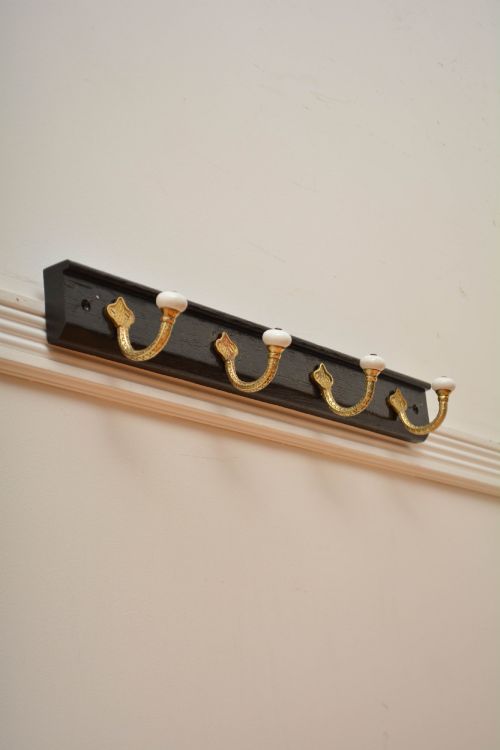
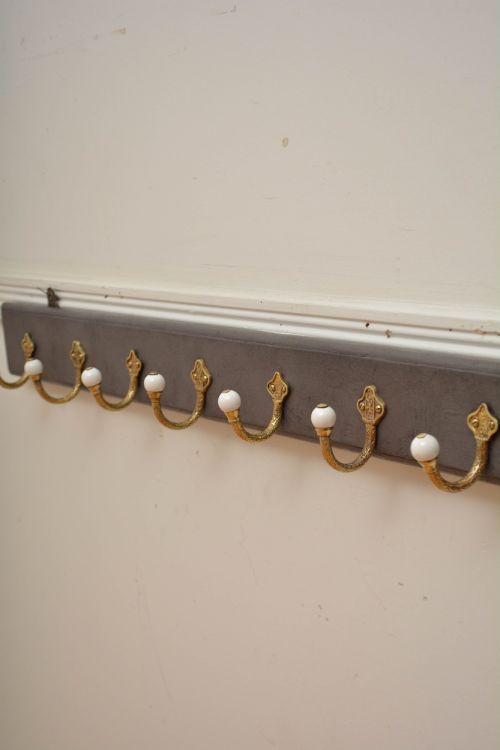
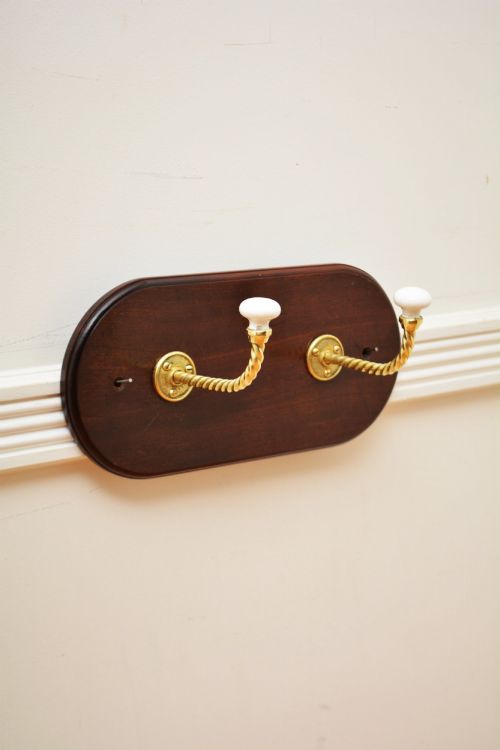
Metal and ceramic elements form an integral part of the manufacturing process, featuring cast brass hooks paired frequently with porcelain or ceramic coat savers. Backboards utilise sturdy woods to support heavy garments, whilst freestanding frames balance vertical height with wide umbrella bases.
Traditional Hallway Coat Rack Retail Price Guide 2026
Typical asking prices for traditional hallway coat rack among the pieces listed under this phrase on Sellingantiques today, from the lower quarter to the upper quarter. They describe what is for sale here now, not the wider market.
Listings feature timbers including oak, mahogany, walnut, beech, pine, and bentwood alongside brass and ceramic components across multiple periods.
What varies in quality
Quality separates simple utility boards from ambitious cabinetmaker productions through timber selection and joinery depth. Superior pieces display finely turned wooden mounts, solid brass castings with intact ceramic inserts, and rich polished mahogany or walnut grains.
Structural integrity in freestanding items depends on the rigidity of bentwood curves and the original stability of integrated seats or mirror frames. Wall-mounted versions differ in the substance of their backboards and the secure seating of multiple double brass hooks.
Jas. Shoolbred
The Traditional Hallway Coat Rack Glossary
- Bentwood
- Wood softened by steam and bent into curved shapes, commonly utilised in early twentieth-century hatstands and coat racks. This technique creates lightweight yet robust frames.
- Hall Stand
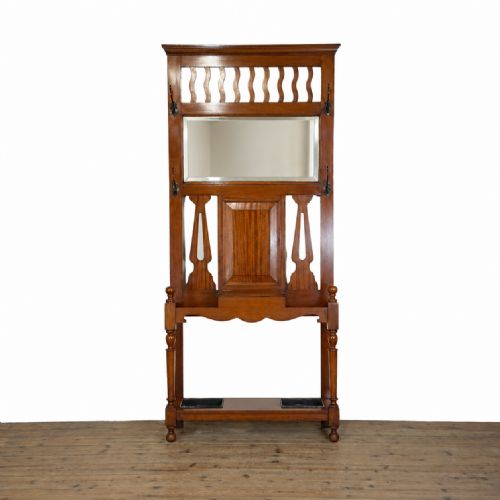
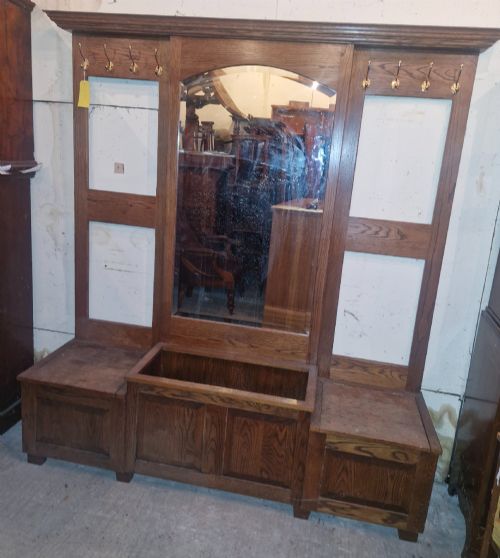
- A large freestanding entrance furniture piece combining coat hooks, a mirror, umbrella storage, and frequently a bench seat. These items dominated Victorian and Edwardian hallway design.
- Backboard
- The flat timber panel attached to a wall that anchors individual coat hooks in a row. It distributes the weight of heavy garments across multiple fixing points.
- Coat Saver
- The rounded ceramic or porcelain tip fitted to the end of a metal hook to prevent garment distortion. This feature protects delicate fabrics from snagging.
Traditional Hallway Coat Rack: Frequently Asked Questions
How do I install a wall-mounted coat rack?
Wall-mounted racks require secure fixing into solid masonry or direct wall studs to support the weight of heavy winter garments. Position the board at a height that accommodates daily household use while ensuring the fixings bear the load evenly across the timber backboard.
Check that the screws match the depth of the mounting holes and use appropriate wall plugs if drilling into plaster. Once anchored firmly, the rack provides reliable storage for hats, coats, and accessories.
What is a bentwood hatstand?
A bentwood hatstand is a freestanding vertical pole featuring curved wooden branches at the top for hats and coats, supported by a wider base for stability. These pieces emerged strongly around the turn of the twentieth century and utilise steam-bent beech.
The lightweight construction allows for easy placement in domestic hallways while offering generous hanging capacity. Their fluid curves define an era of industrial woodworking innovation.
How do I distinguish Victorian from Edwardian stands?
Victorian hallway furniture typically displays heavier proportions, darker polished timbers like mahogany or oak, and ornate decorative brass or ceramic hook assemblies. These pieces often incorporate elaborate carved details and large mirrors.
Edwardian designs tend to exhibit lighter forms, simpler linear frames, and more restrained use of ornament while retaining solid construction. Arts and Crafts influences during this later period also introduced exposed joinery and walnut timbers.
Can I use a hall stand in a small hallway?
Wall-mounted coat racks suit compact entryways best because they utilise vertical wall space without occupying precious floor area. Choosing a narrow timber backboard with multiple brass hooks maximises hanging capacity in confined proportions.
Freestanding hall stands require more clearance due to their umbrella bases and projecting seats, making them more suitable for generous entrance halls. Measure your floor space carefully before selecting a multi-functional floor-standing model.