


Traditional Green Accent Chair
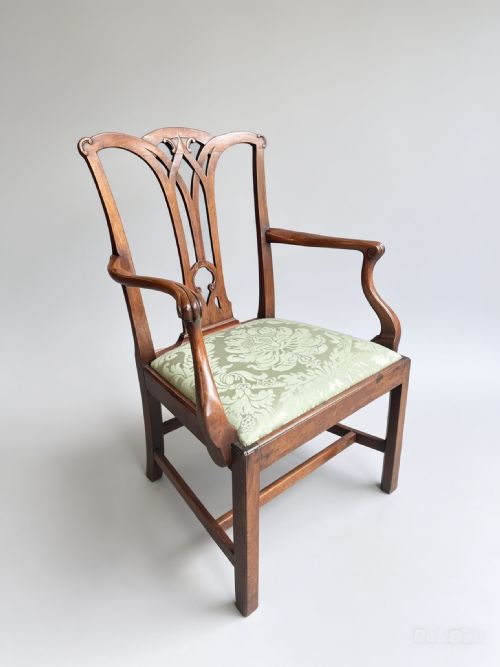
A traditional green accent chair brings enduring character to a room, offering both practical seating and a distinct decorative presence.
Traditional Green Accent Chair
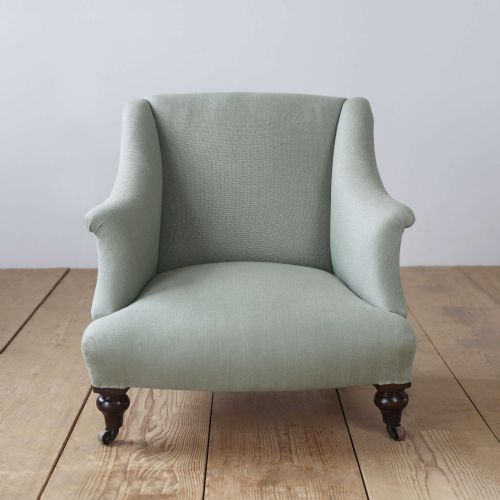
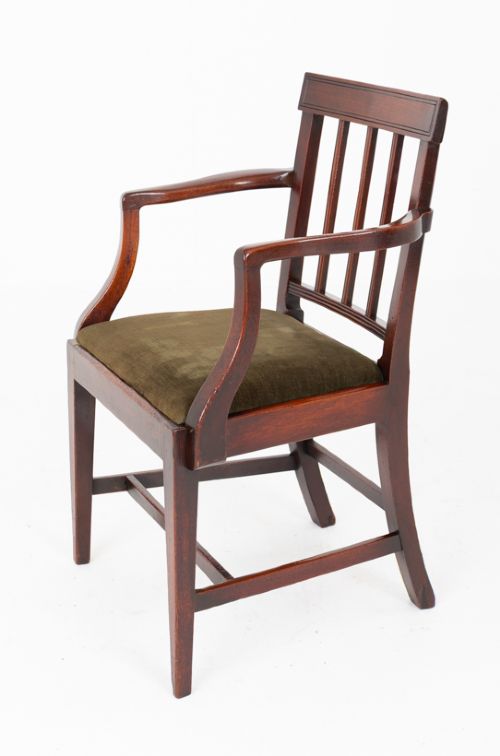
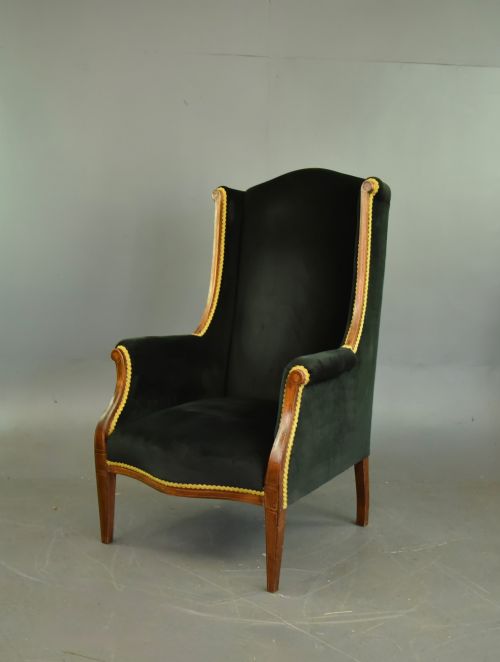
A traditional green accent chair encompasses a variety of seating forms designed to provide a distinct splash of colour and period charm within a room. When searching for a traditional green accent chair, buyers encounter pieces ranging from compact nursing and slipper chairs to expansive wingbacks and open armchairs.
The selections span multiple historical eras, featuring examples from the Georgian, Victorian, and Edwardian periods alongside later revivals. Common formats include side chairs, carvers, and low bedroom chairs upholstered in velvet, linen, or fabric.
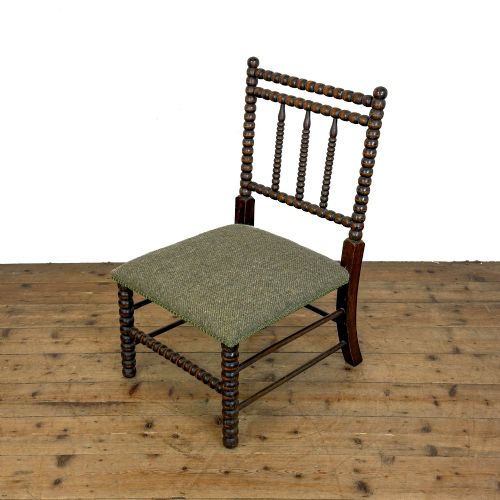
Originating largely from British cabinet-making traditions, these pieces often incorporate classic seating typologies such as the bergere, Gainsborough, and bobbin chair. Each variant serves as a focal point, combining functional seating with historical craftsmanship.
Construction and materials
Timber frames form the structural core of these pieces, utilising durable hardwoods such as mahogany, rosewood, oak, and general timber. Master cabinet makers shaped these woods through hand carving and turning, evident in structural components like bobbin turnings and carved cabriole legs.
Upholstery relies on traditional textiles, predominantly velvet and various fabrics, sometimes accented with brass details. Frames are constructed using traditional joinery methods, ensuring the structural integrity of the armchairs, side chairs, and nursing chairs.
Listings feature timber frames in mahogany, rosewood, and oak, paired with velvet, linen, and fabric upholstery across Victorian, Georgian, and Edwardian periods.
Evaluating craftsmanship and condition
Quality in these seating pieces rests upon the precision of the timber frame construction and the integrity of the hand carving. Pieces featuring finely figured mahogany or rosewood exhibit a higher degree of initial craftsmanship than standard timber builds.
The subtlety of carved details, the stability of the joinery, and the preservation of original frame proportions separate superior examples from simpler utilitarian seating. Furthermore, the integration of maker details or specific regional styles elevates the standing of individual pieces.
Hampton & Sons·Howard & Sons·J.Mills·Cooper & Holt
The Traditional Green Accent Chair Glossary
- Bergere
- An enclosed upholstered armchair with a wooden frame, often featuring cane work on the back or sides.
- Carver armchair
- A sturdy armchair, traditionally placed at the head of a dining table or used as a desk chair, featuring open arms.
- Gainsborough armchair
- A wide, high-backed armchair with padded armrests, short cabriole legs, and open sides, originating in the eighteenth century.
- Nursing chair
- A low-seated Victorian chair designed to allow a mother to nurse an infant comfortably.
- Slipper chair
- An upholstered chair with a low seat and no arms, originally designed for dressing rooms.
- Wingback armchair
- A large upholstered chair with side panels attached to the back, designed to shield the occupant from drafts.
Traditional Green Accent Chair: Frequently Asked Questions
How do I identify a Victorian green armchair?
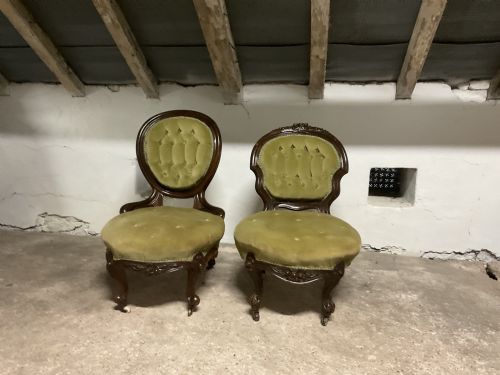
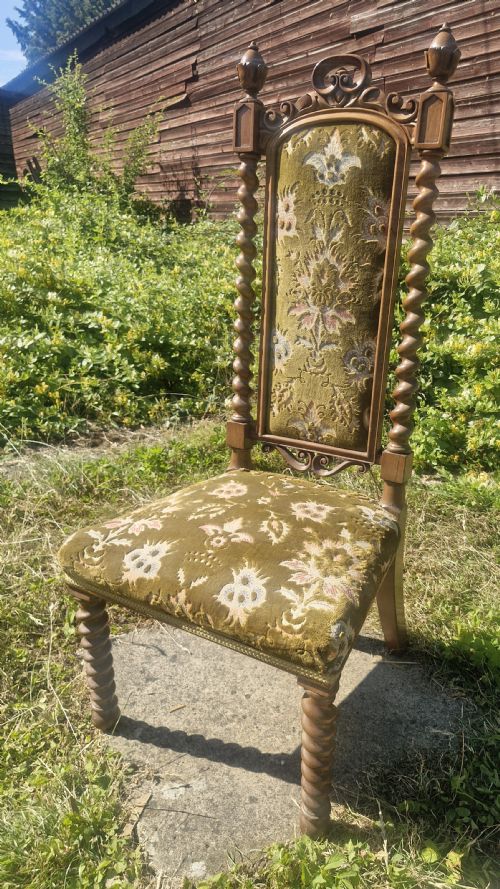
Victorian armchairs often display darker woods like rosewood or mahogany, alongside distinctive design motifs such as bobbin turning or deep buttoned upholstery. Look for proportions and framing typical of the mid to late nineteenth century.
Upholstery choices on these pieces frequently include rich green velvet or textured fabrics that complement the heavy timber frames characteristic of the era.
Where should I place a slipper chair?
Slipper chairs work well in bedrooms, dressing rooms, or smaller sitting areas due to their low profile and compact footprint. Their lack of arms allows them to fit easily into tighter spaces without overwhelming the room.
Pairing a green slipper chair with neutral walls or matching drapery creates a balanced focal point in a traditional interior scheme.
What is the difference between a nursing chair and a side chair?
Nursing chairs are built noticeably lower to the ground with supportive backs, designed originally for comfortable seated tasks in private rooms. Side chairs are generally taller and upright, intended primarily for placement against walls or around tables.
Both forms utilise timber frames and upholstered seats, but their distinct heights and proportions serve different functional roles within a historic home.
How are mahogany and rosewood frames distinguished?
Mahogany typically displays a straight, reddish-brown grain with a fine texture that accepts carving with crisp precision. Rosewood presents a denser, heavier material with pronounced dark streaks and a deep natural lustre.
Examining the grain pattern under good lighting reveals the distinct botanical origin of the timber used in the chair frame.