



Traditional Glazed Pendant Lantern
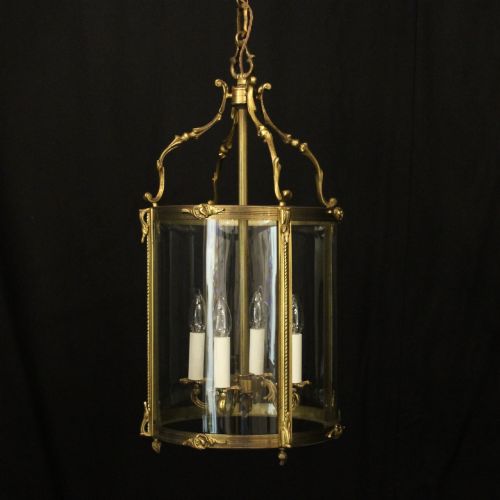
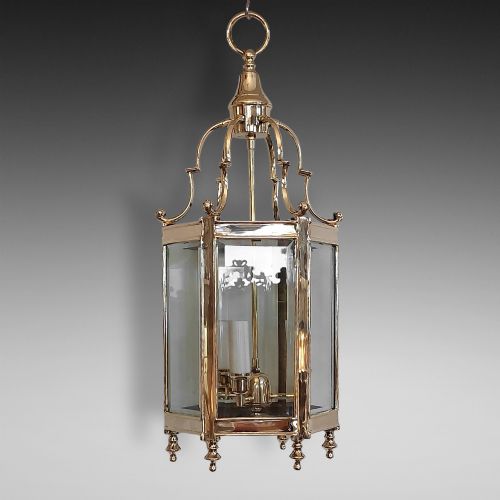
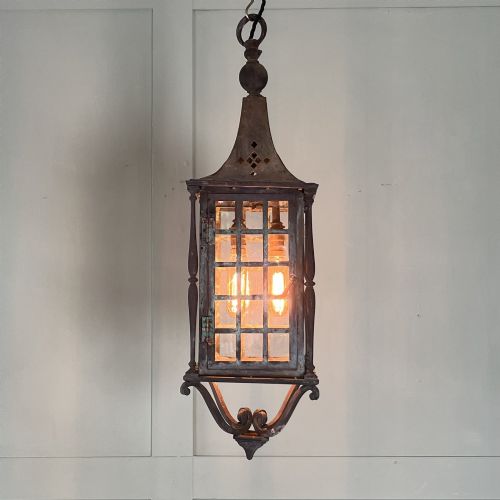
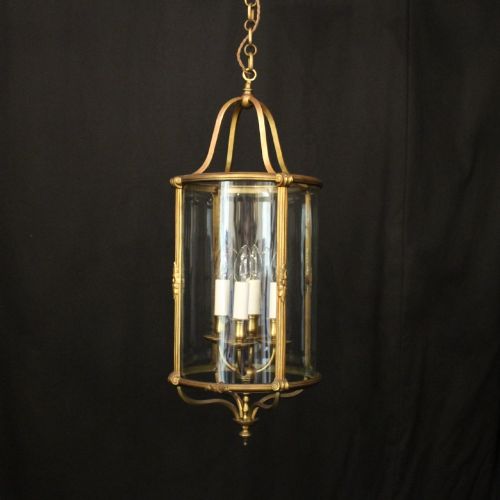
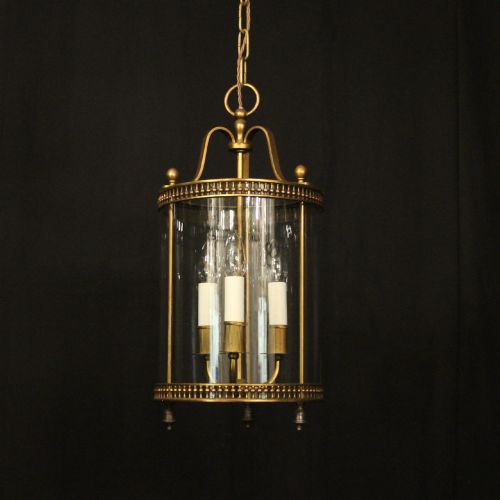
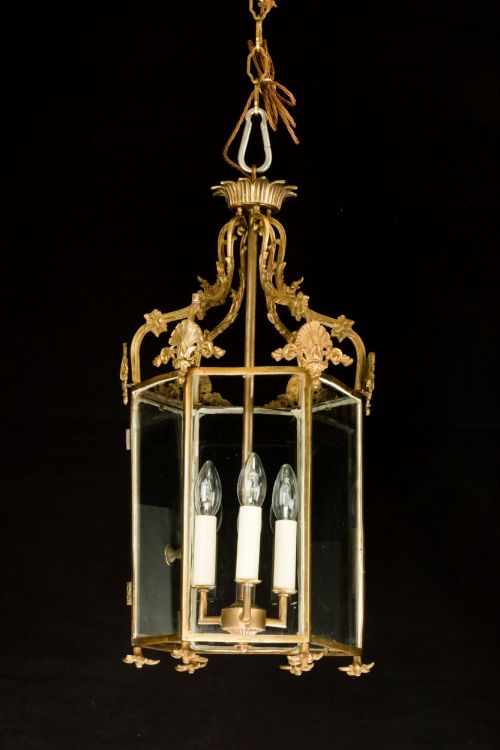
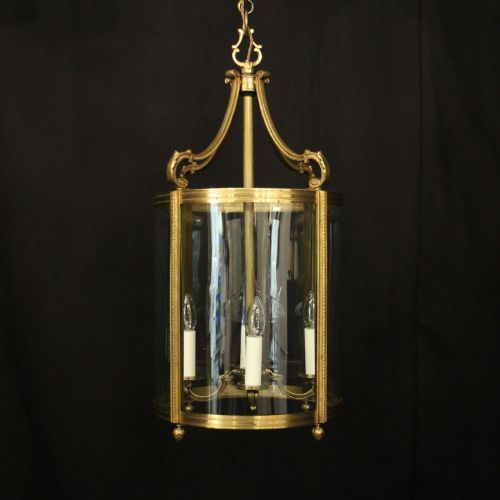
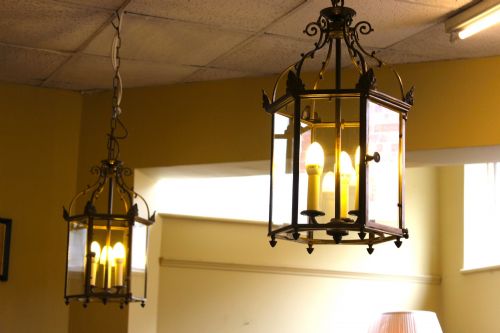
A traditional glazed pendant lantern hangs in an entranceway to cast warm light through bevelled glass panels held by metal frames.
Traditional Glazed Pendant Lantern
When you search for a traditional glazed pendant lantern, you are looking at ceiling-hung lighting designed primarily for hallways, vestibules and stairwells. These fixtures combine metal framing with glass panes to protect internal bulbs or candles while dispersing light evenly across an interior space.
The selections available here span from the mid-nineteenth century through the Edwardian era and into the nineteen-thirties. You will encounter English and French examples in various formats, ranging from compact single-bulb fixtures to multi-light hanging lanterns suited to larger spaces.
How traditional glazed pendant lanterns were made
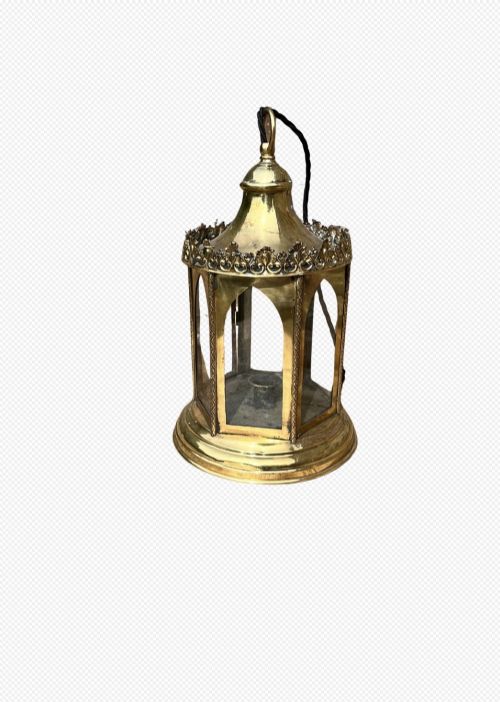
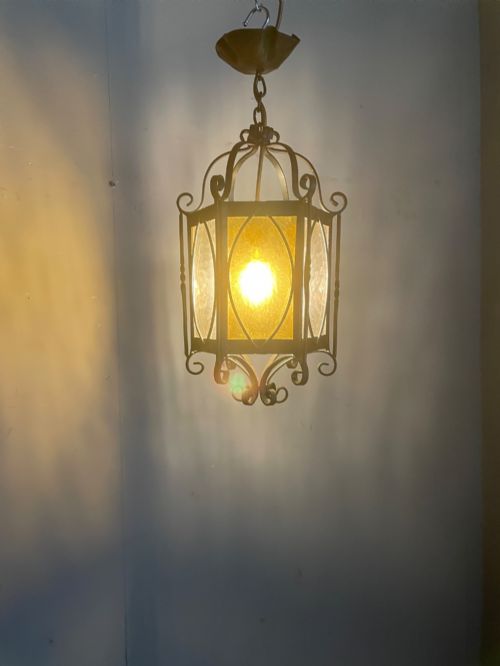
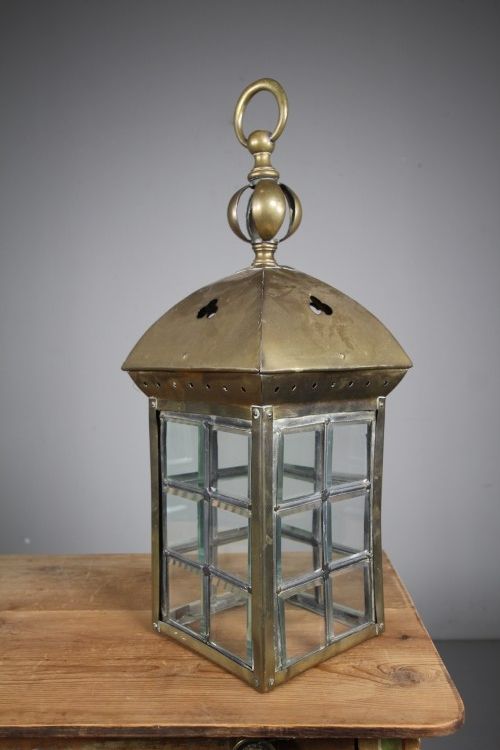
Metals form the structural skeleton of these lanterns, utilising brass, bronze, gilt bronze, wrought iron and steel. Workshops shaped these materials into rigid frames, often hexagonal or square in plan, designed to support the downward weight of the hanging assembly.
Panels of glass, including flat and bevelled plates, fit securely within the metal channels. Many pieces incorporate decorative castings or applied mounts in brass and bronze to enrich the visual character of the frame.
Traditional Glazed Pendant Lantern Retail Price Guide 2026
Typical asking prices for traditional glazed pendant lantern among the pieces listed under this phrase on Sellingantiques today, from the lower quarter to the upper quarter. They describe what is for sale here now, not the wider market.
Current listings feature materials including brass, bronze, wrought iron, and bevelled glass across the nineteenth and early twentieth centuries.
What varies in quality
The weight and gauge of the metalwork distinguish standard production pieces from finer commissions. Heavier brass, bronze and wrought iron frames provide greater structural integrity and support more elaborate casting details.
The treatment of the glass panels and the precision of the mitred or bevelled edges reveal the standard of craftsmanship. Thicker bevels refract light with greater clarity, while tightly fitted frames indicate careful assembly by the maker.
The Traditional Glazed Pendant Lantern Glossary
- Hexagonal
- Having six sides. This geometric plan creates multiple angles for glass panels to capture and reflect surrounding light.
- Bevelled glass
- Glass with an angled edge cut along the perimeter. This treatment adds depth and creates prismatic light effects.
- Gilt bronze
- Bronze coated with a thin layer of gold. This finish provides a durable metallic lustre that resists tarnishing.
- Hall lantern
- A pendant light designed for corridors and entryways. These pieces hang from chains or rods to illuminate transit spaces.
Traditional Glazed Pendant Lantern: Frequently Asked Questions
Where should I hang a hall lantern?
These fixtures suit entrance halls, corridors and high ceilings where overhead clearance allows them to hang freely. Their design projects light outwards to illuminate transitional spaces effectively.
Ensure the drop length places the bottom of the fixture high enough for people to walk underneath safely without obstruction.
How do I date an antique lantern?
Examine the metal casting techniques, assembly methods and any surviving electrical or mechanical components. Styles such as Edwardian or Neo-Classical offer clues to the design period.
Look for hand-cut screws, patination on the brass or bronze, and construction traits typical of nineteenth or early twentieth-century workshops.
Are these lanterns wired for modern use?
Many examples have been rewired or adapted for modern electrical standards while retaining their original frames and glass. Check individual descriptions for current wiring details.
Consult a qualified electrician to install and test vintage lighting fixtures safely within your home.
What metals are used in these lanterns?
Frames are constructed from brass, bronze, gilt bronze, wrought iron and steel. These materials provide the structural strength needed to hold heavy glass panels securely.
Different metal finishes, from polished brass to dark iron, reflect distinct stylistic influences ranging from French Chateau to Arts and Crafts.