



Rustic Wrought Iron Light
These heavy, forged objects bring utilitarian strength into domestic spaces, offering durable illumination forged by hand.
Rustic Wrought Iron Light
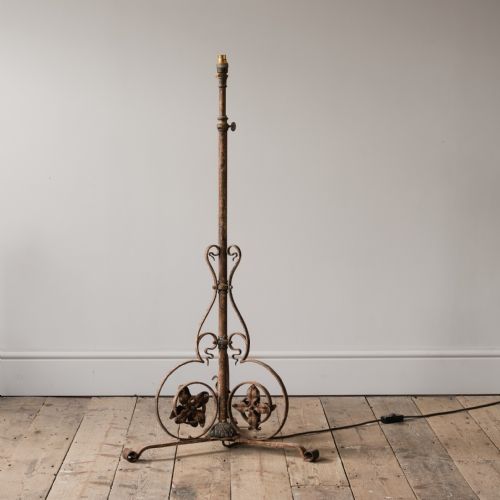
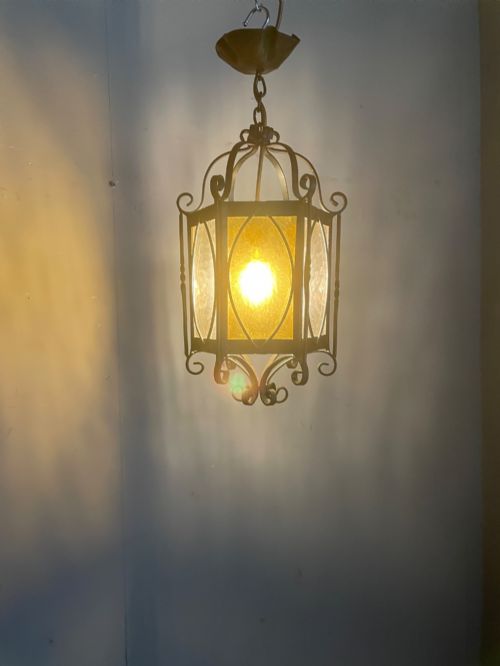
A rustic wrought iron light encompasses functional illumination and early lighting devices originating primarily from the eighteenth and nineteenth centuries, alongside later Arts and Crafts interpretations. These pieces range from simple rushlight holders and adjustable floor lamps to multi-branched chandeliers and glazed hall lanterns.
Buyers seeking this phrase frequently encounter hand-forged floor standing lamps, wall-mounted lanterns, and ceiling fixtures that combine iron with brass, copper, or glass. The selection draws on regional European traditions including French, Portuguese, and English country aesthetics, often reflecting utilitarian origins.
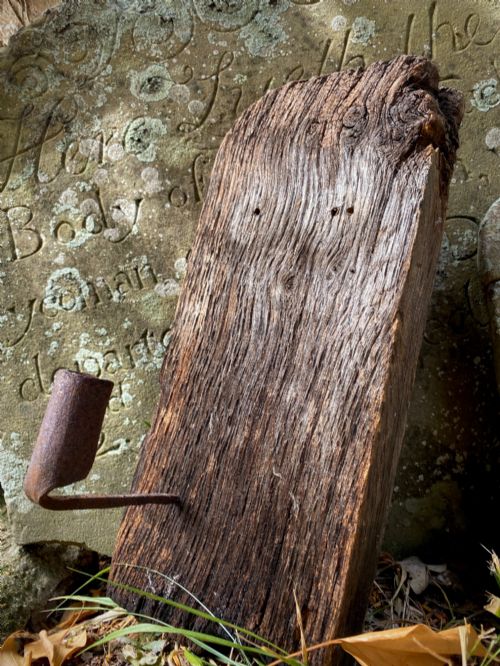
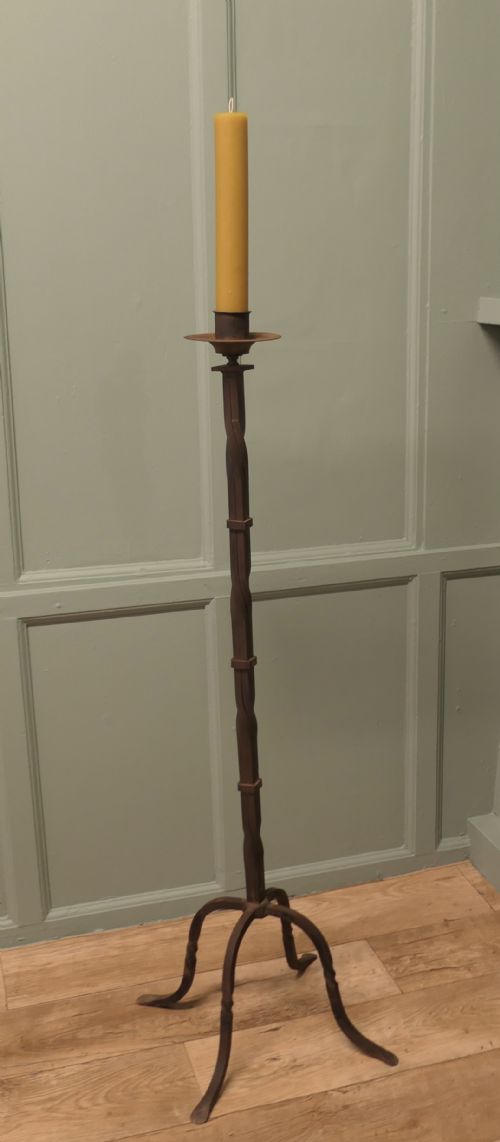
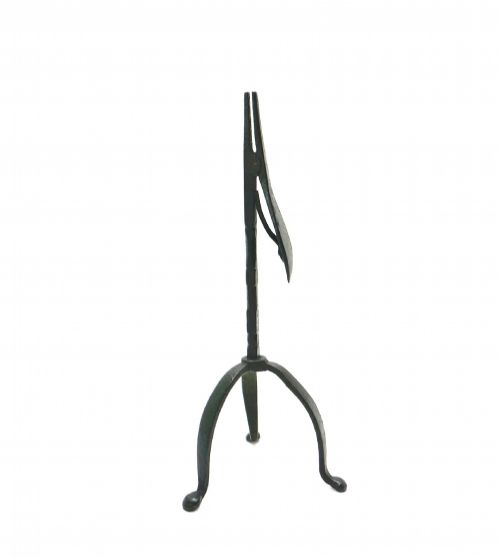
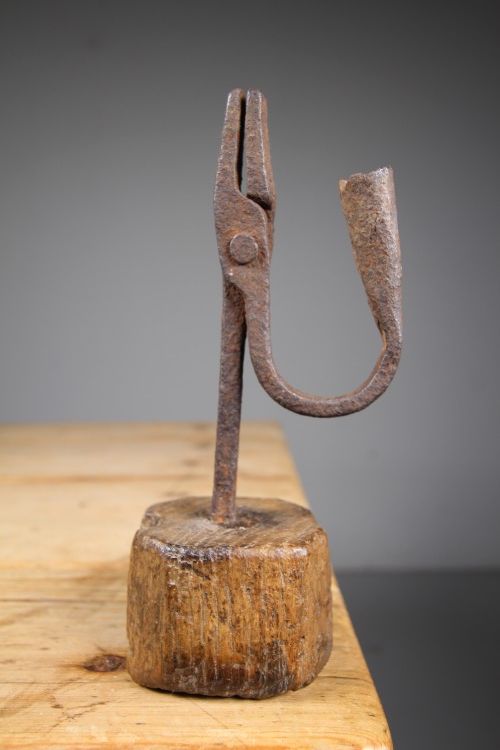
Early lighting devices such as rush nips and tripod rushlight holders sit alongside grander chandeliers hung with coloured crystal fruits or constructed in wagon wheel forms. Each object demonstrates the transition from purely functional domestic illumination to decorative antique lighting.
Materials and forging techniques
Blacksmiths shaped wrought iron over an anvil while heated in a forge, utilising hammers and tongs to create twisted stems, adjustable arms, and cruciform bases. This labor-intensive manual manipulation resulted in durable structures bearing distinct tool marks and individual variations.
Makers integrated glass panels, frosted shades, and coloured crystal fruits into iron frameworks for hanging lanterns and chandeliers. Additional elements in copper and brass complemented the dark metal, while wooden components occasionally provided structural support or bases.
Rustic Wrought Iron Light Retail Price Guide 2026
Typical asking prices for rustic wrought iron light among the pieces listed under this phrase on Sellingantiques today, from the lower quarter to the upper quarter. They describe what is for sale here now, not the wider market.
Listings feature periods from the eighteenth and nineteenth centuries alongside early twentieth-century Arts and Crafts designs.
Markers of quality in forged lighting
The distinction between standard domestic items and superior examples lies in the complexity of the forging and the integrity of the original components. Master blacksmiths achieved balanced proportions, refined scrollwork, and purposeful adjustments that elevate utilitarian ironwork into sculptural design.
Originality of surface finish and uncompromised structural elements dictate the standing of a piece. Fixtures retaining their early glass panels, original spring actions, or authentic mounting brackets command greater appreciation among collectors.
The Rustic Wrought Iron Light Glossary
- Rushlight holder
- A spring-action or counterweighted device designed to grip a dried rush dipped in animal fat for domestic illumination. These clever mechanical items date predominantly to the eighteenth century and earlier.
- Rush nip
- An alternative term for the jaw mechanism of a rushlight holder that clamps the combustible rush securely in place. The tension is typically supplied by an iron spring or a heavy counterweight.
- Chandelier
- A branched ceiling-mounted fixture designed to hold multiple candles or light sources. Examples in this category often feature iron frames embellished with glass or crystal elements.
- Standard lamp
- A tall floor-standing lighting fixture, sometimes constructed with an adjustable arm for directing illumination. Blacksmith-made variants frequently incorporate heavy tripod bases for stability.
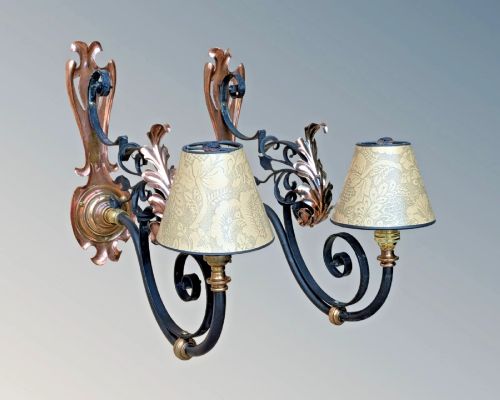
- Wall sconce
- A bracket fixture attached to a wall to hold candles or lamps, frequently constructed from forged iron combined with copper or brass reflectors.
Rustic Wrought Iron Light: Frequently Asked Questions
How do I date a wrought iron light?
Dating relies on examining the construction methods, tool marks left by the blacksmith, and the specific form of the ironwork. Eighteenth-century pieces often display hand-hammered surfaces and functional mechanics like spring-action rush nips.
Later nineteenth and early twentieth-century examples incorporate decorative styles such as Arts and Crafts or Gothic Revival. Comparing the assembly with dated comparative pieces helps narrow the period of origin.
Were these lights originally electrified?
Most early examples were designed exclusively for candles, rushlights, or oil before modern electricity existed. Blacksmiths forged them to meet practical illumination needs in historic domestic and commercial settings.
Contemporary owners frequently have these fixtures professionally adapted for electrical wiring while preserving the historic iron frame. The conversion process requires careful concealment of modern cables to maintain the authentic appearance.
How do I care for antique ironwork?
Maintaining wrought iron involves keeping the metal clean and dry to prevent active corrosion. A light application of microcrystalline wax can protect the surface without altering the historic finish.
Avoid abrasive cleaners or harsh chemical solvents that strip the original dark patina. Regular dusting with a soft cloth preserves the tactile quality of the forged metal.
What is a rushlight?
A rushlight is a primitive lighting form made by peeling the outer skin of a rush plant and soaking the remaining pith in animal fat or grease. These were secured in iron holders to provide modest indoor illumination.
Because rushes burned relatively quickly, households kept multiple holders or prepared batches in advance. Surviving holders demonstrate ingenious mechanical solutions for clamping the delicate stems.