
Traditional Glass Cabinet
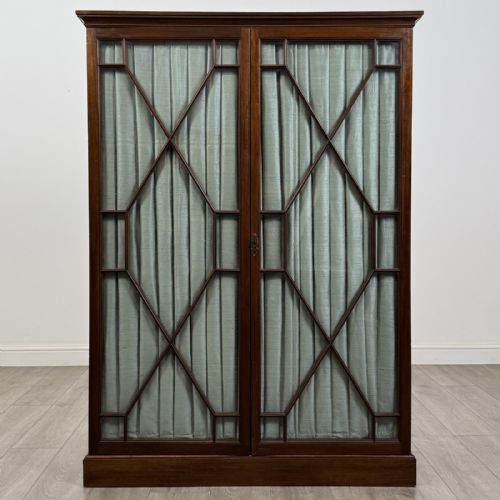
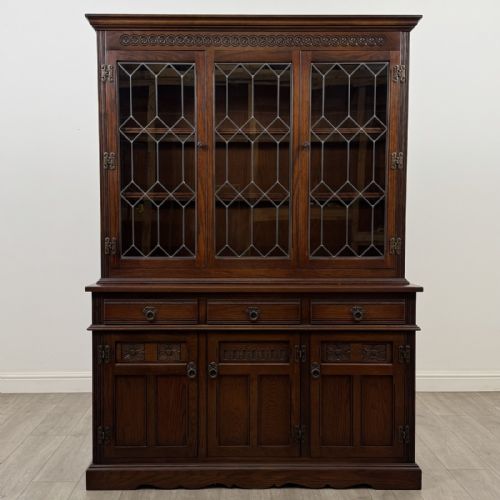
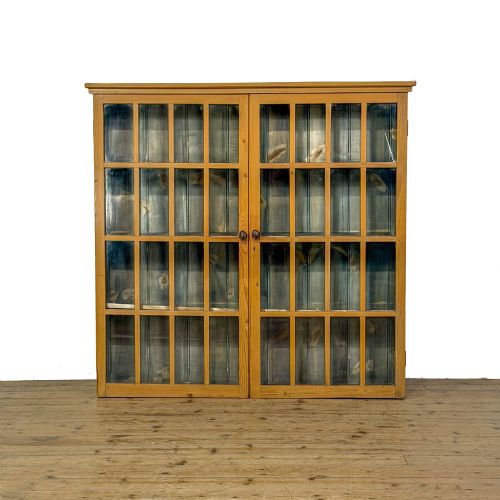
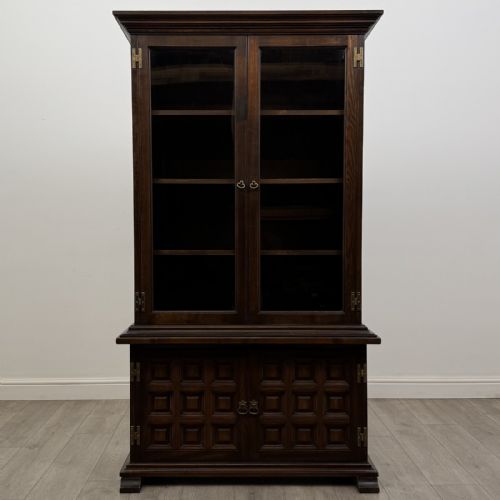
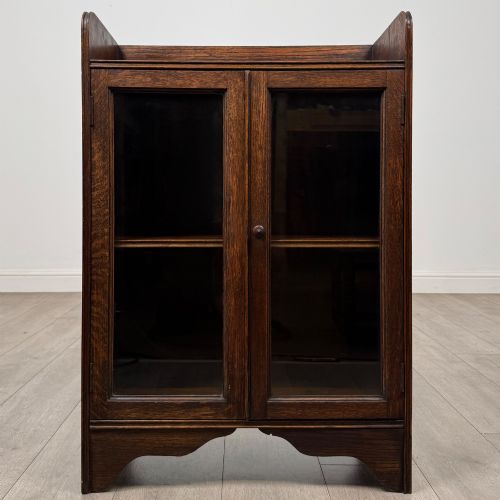
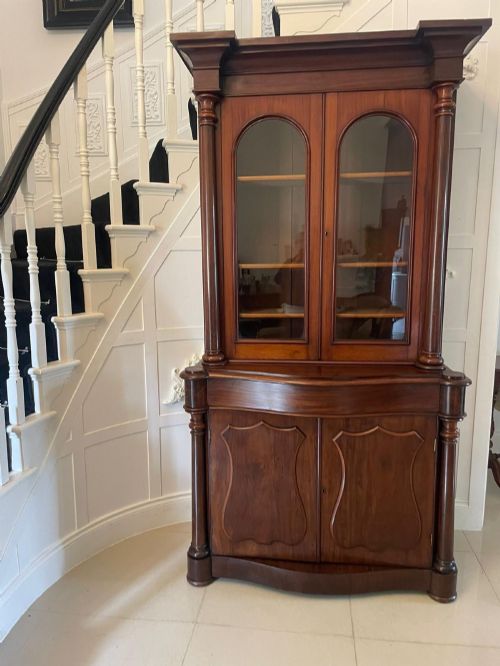
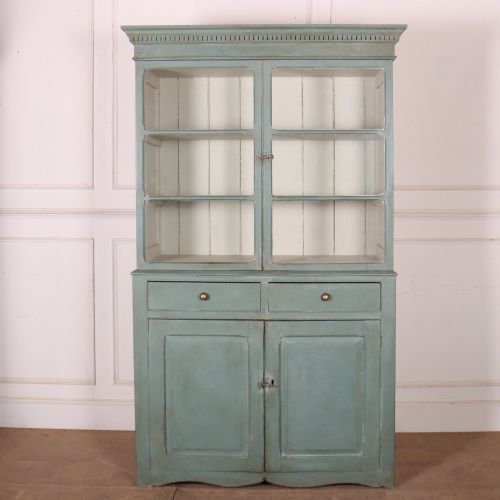
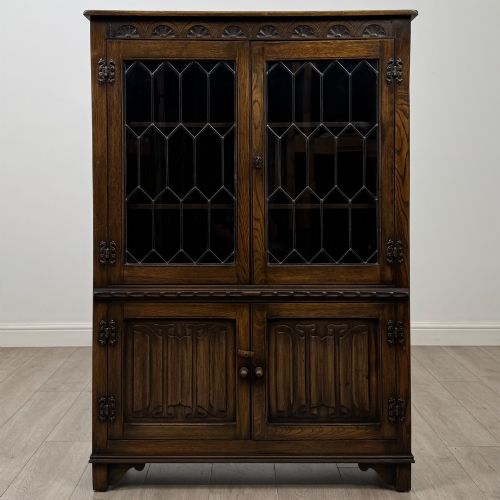
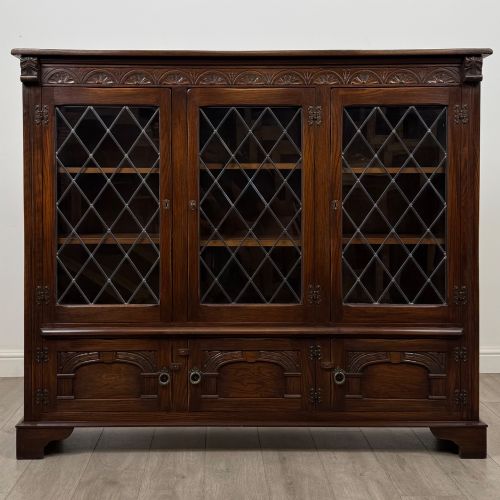
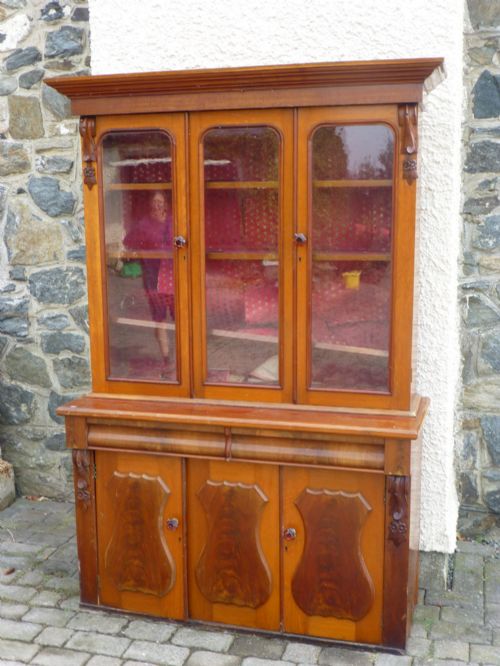
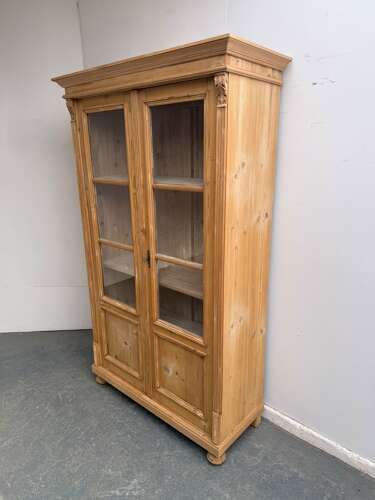
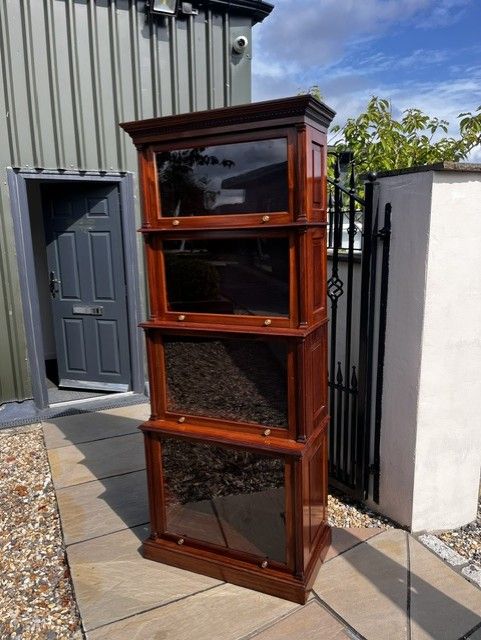
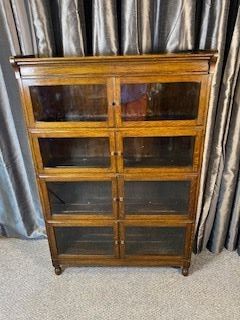
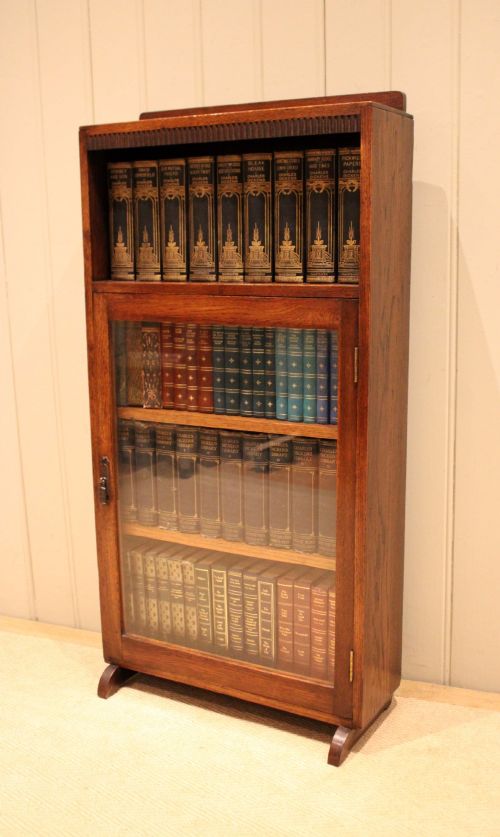
These traditional glass cabinet examples combine timber framing with clear panes to display books and china.
Traditional Glass Cabinet
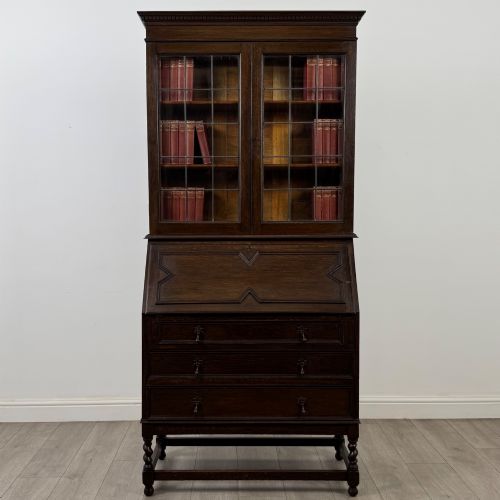
A traditional glass cabinet serves to organise and exhibit valued possessions behind transparent panes, taking the form of bookcases, display cabinets, dressers and bureau bookcases. These pieces originate across the nineteenth and twentieth centuries, spanning Victorian, Edwardian and later decades.
Buyers meet sturdy oak and mahogany constructions most frequently on this page, often built with glazed upper sections or full-length glass doors. Regional variations appear in Scottish, Welsh and English workshop traditions.
Stylistic influences range from plain country utility to revivalist aesthetics including Jacobean, Queen Anne and Chippendale patterns.
Materials and construction
Makers built these cabinets primarily using hardwoods such as mahogany, oak and walnut, alongside softer pines for regional dressers. Timber frames house fitted glass panes, secured sometimes with lead or wooden glazing bars.
Brass hardware provides hinges, handles and locking mechanisms, while internal shelves rest on timber supports or adjustable brackets. Surface finishes involve polishing, waxing or painting depending on the workshop and period.
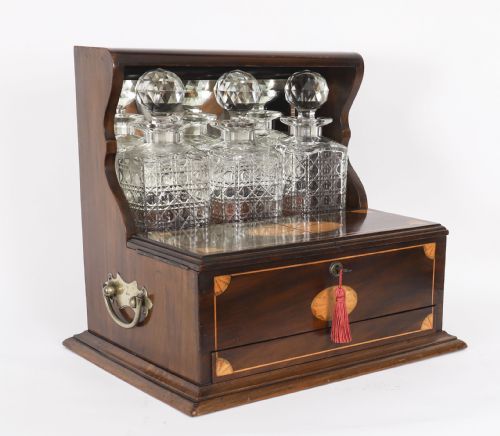
Some nineteenth-century drinks cabinets included clever locking mechanisms to keep guests away from the sherry.
Distinctions in construction
Timber selection dictates the baseline quality of a cabinet, separating solid mahogany, oak and burr walnut constructions from simpler pine or mixed-wood builds. Finer examples display thoughtful grain matching and robust joinery that keeps heavy glazed doors aligned over decades.
Decorative detailing distinguishes standard utility items from ambitious workshop pieces. Carved ornamentation, inlaid stringing, marquetry and complex glazing bar arrangements indicate higher labour investment during manufacture.
Hille
The Traditional Glass Cabinet Glossary
- Astral glazed
- Glazing bars arranged in geometric patterns across a cabinet door. This technique divides the glass into smaller panes while maintaining structural support.
- Bureau bookcase
- A combination form featuring a sloping writing flap above shelving or enclosed storage. These pieces integrate desk space with upper display areas.
- Marquetry
- Decorative veneer work created by fitting together small pieces of wood or other materials to form pictorial designs. Artisans apply this ornament to cabinet surfaces.
- Tantalus
- A locking wooden frame holding decanters securely while exposing them to view. This device prevented unauthorised access to spirits in Victorian dining rooms.
- Vitrine
- A glass-fronted display cabinet designed specifically for showing porcelain and small ornaments. These pieces typically feature glass on multiple sides.
Traditional Glass Cabinet: Frequently Asked Questions
How do I date a traditional glass cabinet?
Examine the timber species, construction methods and glass characteristics to establish an approximate period. Victorian and Edwardian pieces often reveal their age through backboard fixings, drawer dovetails and hardware.
Stylistic revivals also offer clues, as cabinetmakers frequently borrowed details from Georgian, Queen Anne or Jacobean eras while using contemporary tools and fastenings.
Are these cabinets suitable for modern homes?
These storage pieces adapt well to contemporary interiors for housing book collections, ceramics or glassware. Their glazed doors protect contents from dust while keeping items visible.
Measure available floor space carefully before purchase, as taller library bookcases and wide triple dressers require generous wall clearance.
How should I care for timber and glass?
Maintain polished wood surfaces using appropriate wax or polish applied sparingly with soft cloths. Avoid placing cabinets in direct sunlight to prevent timber fading and veneer drying.
Clean glass panes with standard glass cleaner applied to a cloth rather than sprayed directly, protecting the surrounding wood frame from moisture damage.