

Traditional Giltwood Canvas Art
Traditional giltwood canvas art comprises oil paintings on canvas set within ornate carved wood and gesso frames, bringing historical depth to any room.
Traditional Giltwood Canvas Art
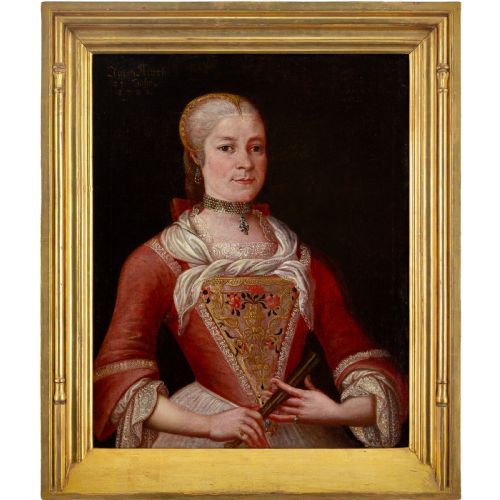
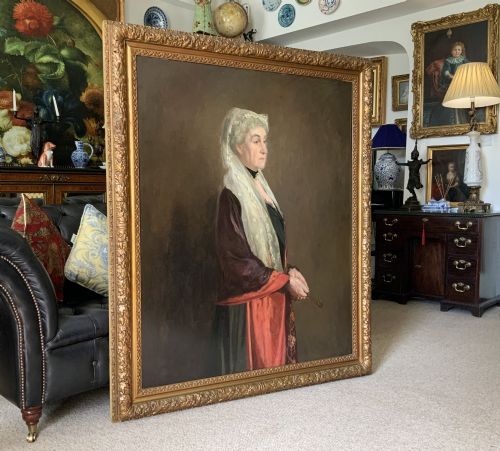
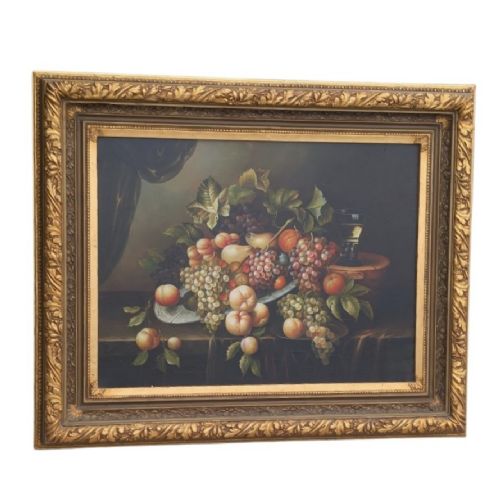
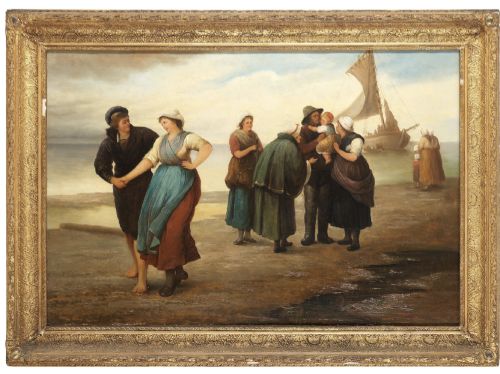
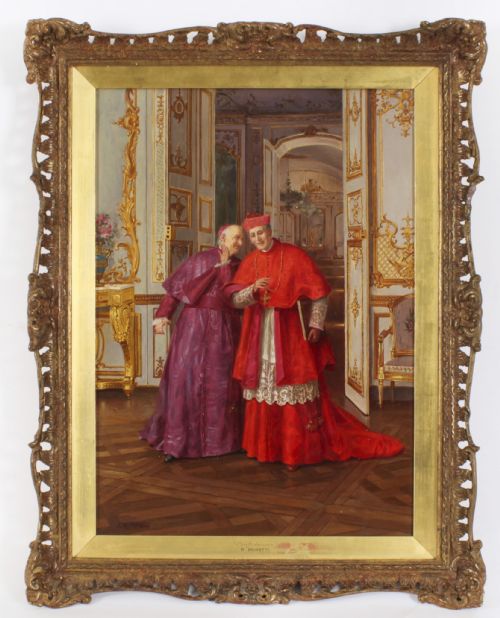
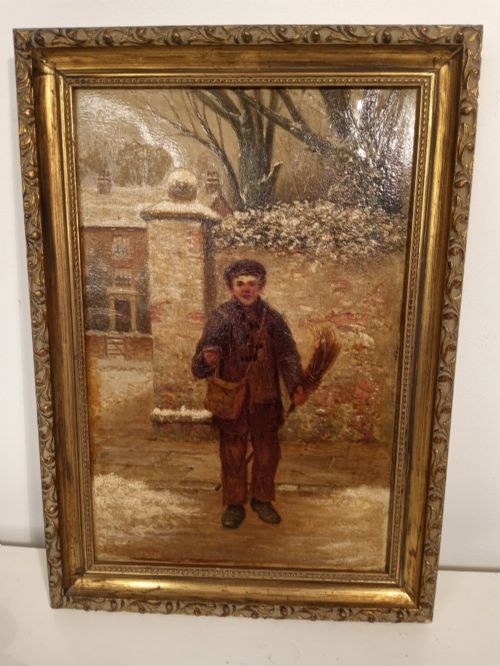
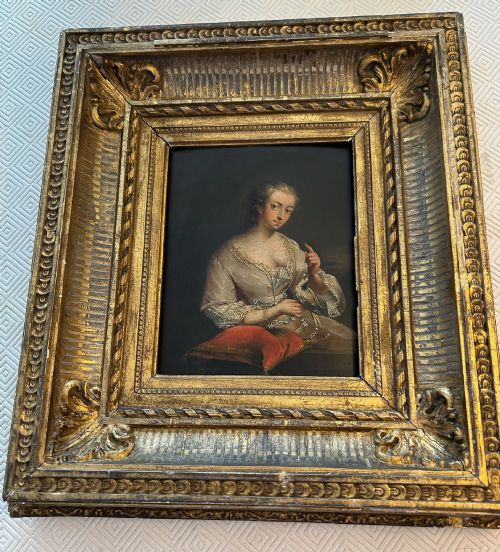
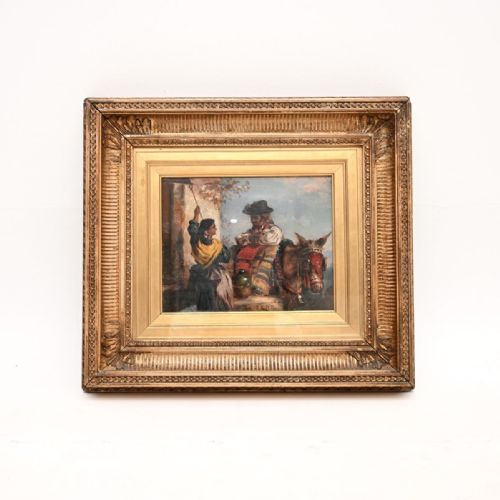
Traditional giltwood canvas art spans oil paintings executed on canvas support materials housed in gilded wooden frames. These works predominantly date from the eighteenth century through the early twentieth century, encompassing Victorian, Edwardian, and Georgian periods.
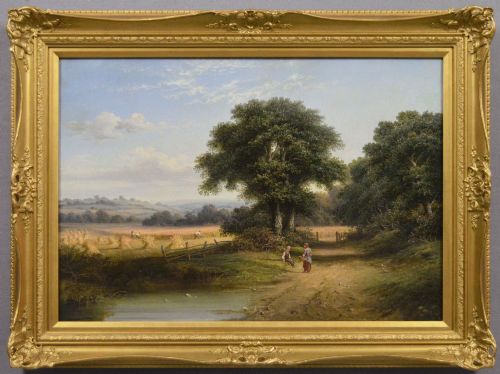
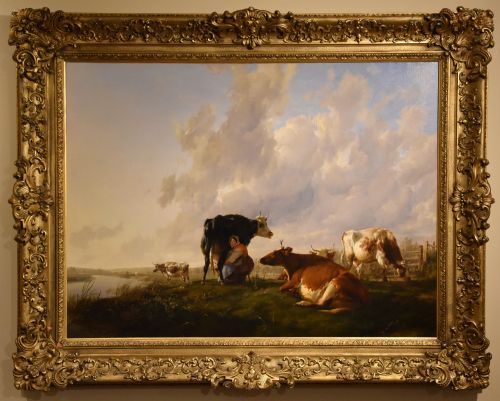
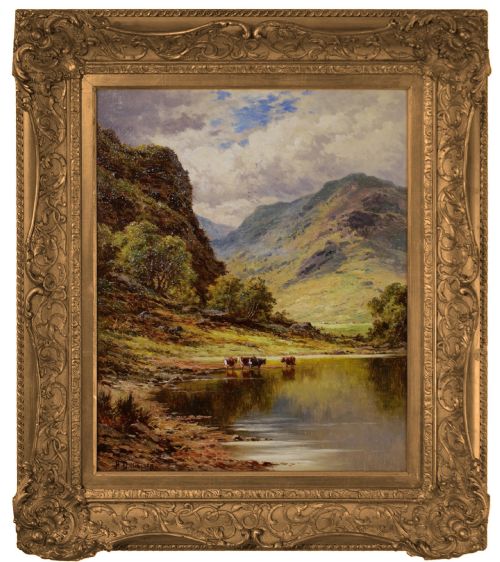
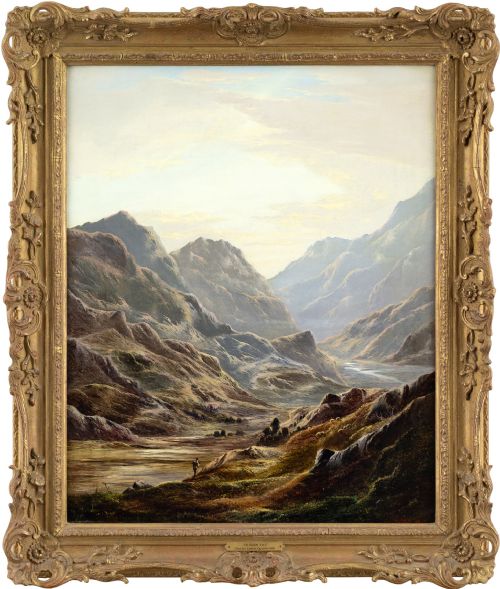
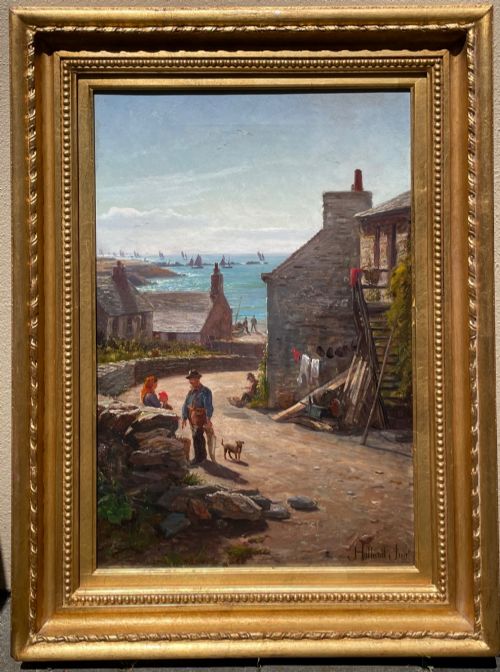
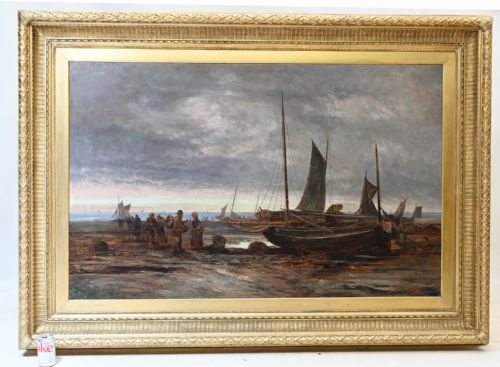
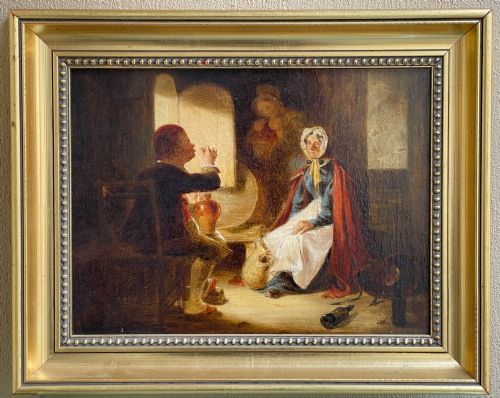
The subjects found within this selection range from pastoral landscapes and maritime scenes to formal portraits and intimate genre interiors. Creators include named artists from various European schools alongside accomplished anonymous painters.
Materials and construction methods
The underlying support consists of woven canvas prepared with gesso layers before artists applied oil paint pigments. Frames are constructed from wood, shaped with applied gesso mouldings, and finished with gold leaf or metallic gilding.
Carpentry techniques join the frame corners, while traditional stretched canvas methods secure the fabric to internal wooden strainer frames. Gilding relies on historical methods of applying thin metal leaf over prepared bole grounds.
Distinctions in quality and execution
Quality separates through the finesse of brushwork, anatomical proportion in figures, and the atmospheric depth achieved in landscapes. Master painters handle light and shadow with precision, whereas lesser works show stiffer composition and flat colour application.
Frame craftsmanship also dictates overall merit, separating hand-carved, deeply moulded giltwood surrounds from simpler or later replacement frames. The harmony between the canvas painting and its original period frame remains a primary marker of distinction.
Walter Heath Williams·Thomas Sidney Cooper·Henry H. Parker·Charles Leslie·Thomas Kent Pelham·John Holland·John Arthur Lomax·John Hamilton Mortimer·Henry John Boddington·Johannes Philippus Galjaard·Edward Brice Stanley Montefiore·William Pitt·Joseph Farquharson·Marc Aldine·Antoine Bouvard Senior·Sidney Yates Johnson·Jane Vivian·John Charles Tunnard·William Joseph Carroll·George Henry Knight
The Traditional Giltwood Canvas Art Glossary
- Giltwood
- Wood that has been decorated with gold leaf or gold paint. This finish creates the luminous, reflective borders typical of period frames.
- Gesso
- A plaster mixture used as a base coat on wood frames before gilding. It provides a smooth surface for carving details and adhering metal leaf.
- Oil on canvas
- Pigments bound in an oil medium applied to a woven fabric support. This combination allowed artists to build rich textures and lasting colour depth.
- Strainer
- A fixed wooden frame used to keep the canvas taut during and after painting. Unlike stretcher bars, strainers typically feature non-adjustable, solid corners.
Traditional Giltwood Canvas Art: Frequently Asked Questions
Are these paintings original works?
The inventory consists of hand-painted oil works created on canvas rather than modern mechanical reproductions. Each piece is a unique creation by an artist utilising traditional brushwork.
Signatures or attribution records link many of these pieces to known historical painters and documented European schools.
How should I care for giltwood frames?
Giltwood frames require gentle maintenance using a dry, soft brush to remove dust from intricate carved crevices. Moisture and harsh cleaning agents must be avoided to protect the delicate gold leaf surface.
Placing the artwork away from direct sunlight and fluctuating humidity prevents the gesso and wood from cracking over time.
What subjects are most common?
Landscapes, farmyard scenes, and maritime views dominate the pastoral and topographical works. Portraiture of individuals and animals also forms a significant portion of the selection.
Genre scenes depicting everyday historical life offer a narrative glimpse into past social environments.