
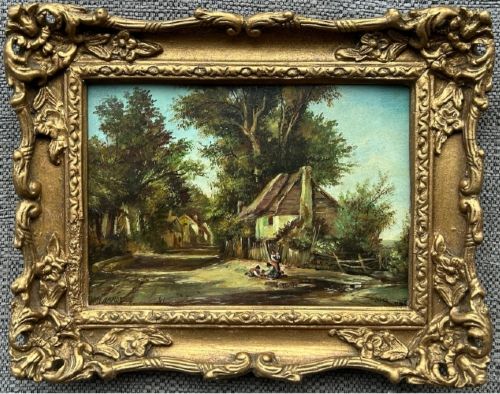
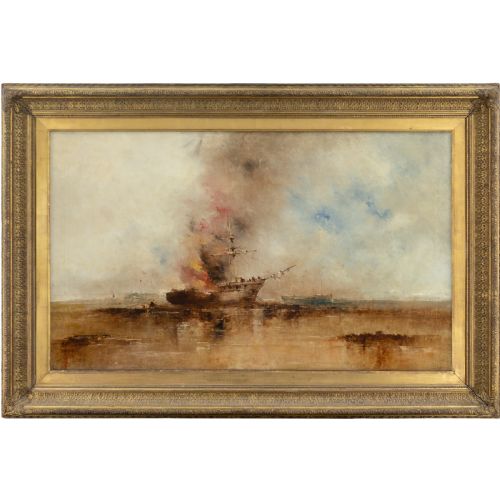
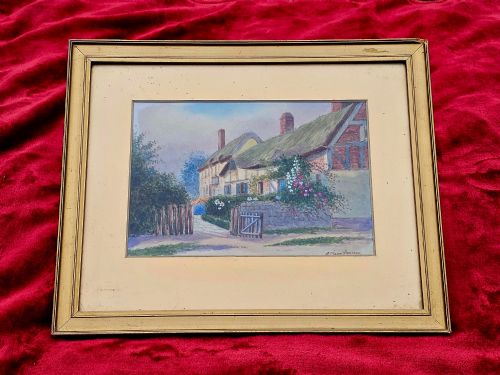
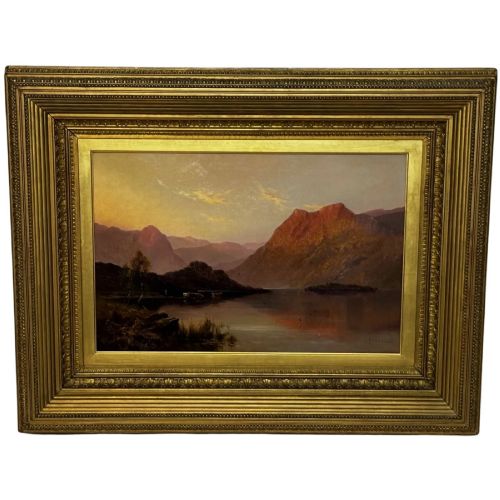

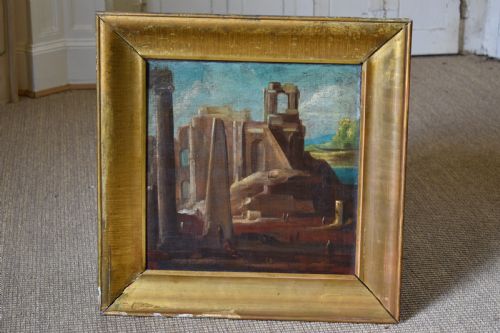
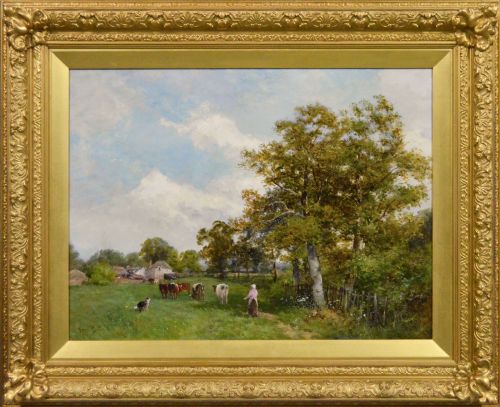
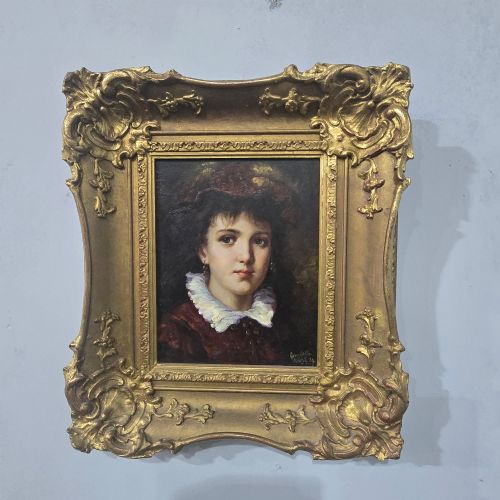
Traditional Gilt Framed Picture
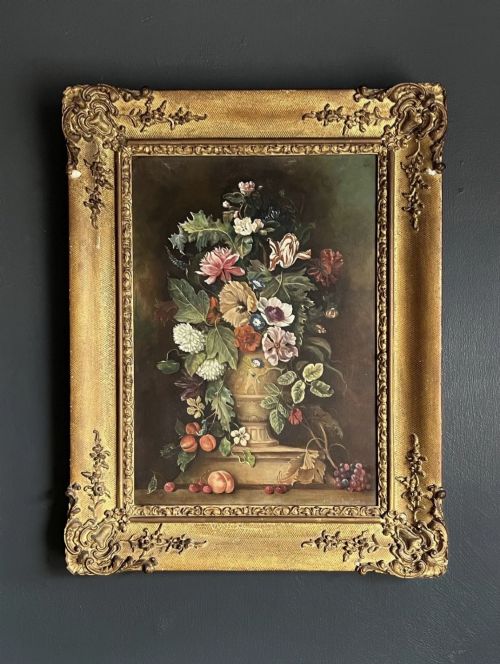
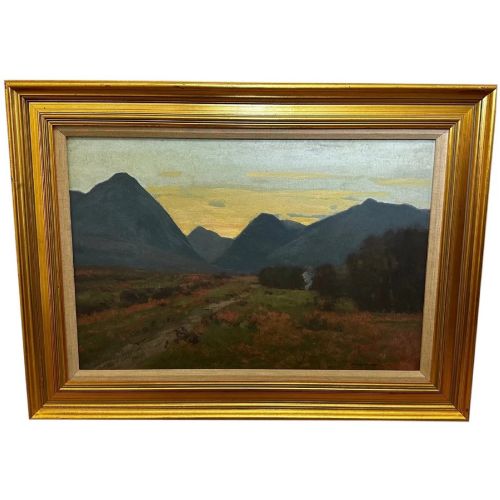
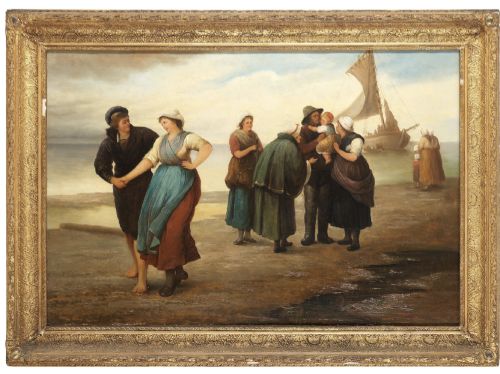
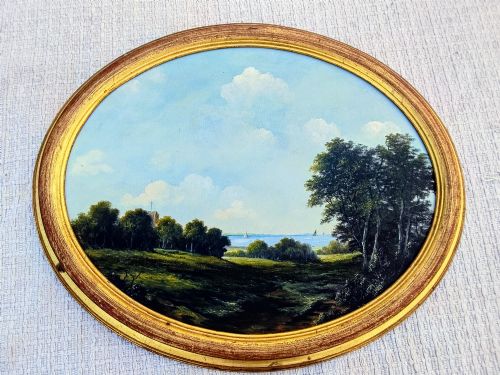
A traditional gilt framed picture brings warmth and period character to a room through centuries-old oil paintings, watercolours, and prints set in gilded wood.
Traditional Gilt Framed Picture
A buyer seeking a traditional gilt framed picture encounters works predominantly spanning the nineteenth century, the Edwardian era, and the Victorian period, alongside select twentieth-century pieces.
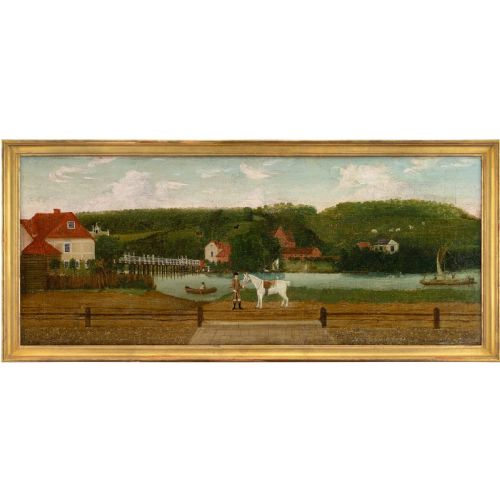
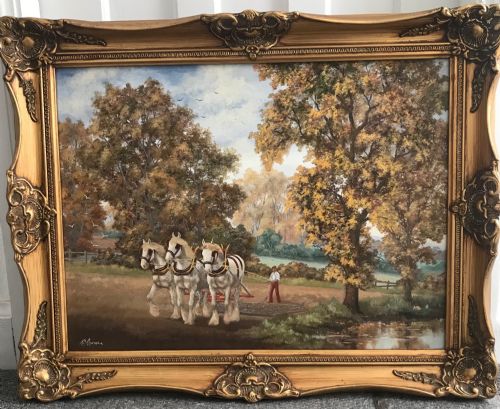
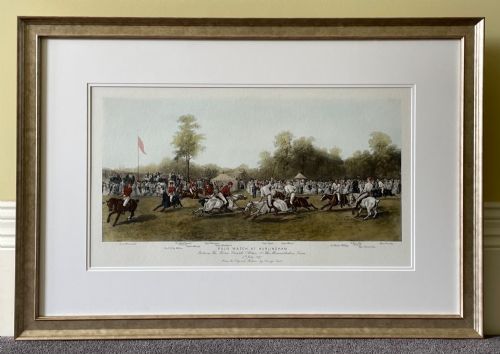
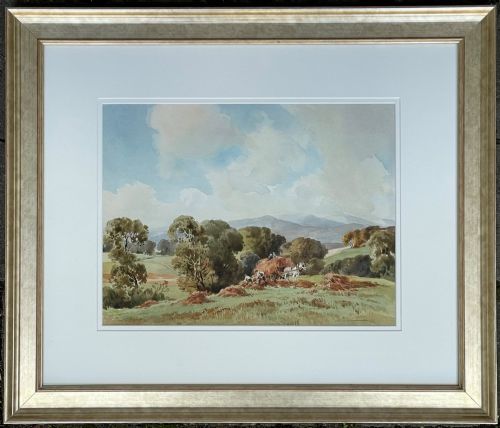
The subjects on this page range from oil paintings on canvas and panel to watercolours, lithographs, and prints, capturing landscapes, portraits, sporting scenes, and still lifes.
Framing encompasses both gilt wood and gesso mouldings that complement the historical artwork held within.
Materials and construction methods
Artworks utilise oil on canvas, panel, and card, as well as watercolour, pastel, and lithography on paper, housed within wooden frames coated in gesso and gilt finishes.
Mouldings are shaped from timber before receiving layers of plaster-based gesso and gold leaf or metallic leaf, creating the reflective surfaces characteristic of these frames.
Assessing the grade of frames and artworks
Quality depends on the crispness of the gesso moulding and the depth of the gilding on the frame, where hand-carved or layered ornament surpasses simpler moulded plaster.
The distinction in the artwork lies in the handling of pigment, the precision of brushwork, and the preservation of the canvas, paper, or panel over time.
Percy Lancaster·William Howard Hardy·Alfred Fontville de Breanski Jr·George Houston·David Bates·Walter Heath Williams·Robert Thorne Waite·Howard Helmick·Edward Ladell·John Horace Hooper·Albert Rieger·Charles Leslie·Renato Moretti·Henry Yeen King·Delapoer Downing
The Traditional Gilt Framed Picture Glossary
- Gesso
- A plaster mixture applied to wood frames to create a smooth surface for gilding. It is carved or moulded to form decorative relief patterns.
- Lithograph
- A print made from a design drawn on limestone or metal plate. This technique allows for detailed reproduction of original works.
- Panel
- A flat piece of wood used as a support for painting instead of canvas. Artists often utilised panels for smaller cabinet works.
- Watercolour
- A paint consisting of pigment suspended in a water-soluble binder. Works on paper require glass protection to prevent environmental damage.
Traditional Gilt Framed Picture: Frequently Asked Questions
How do I clean a gilt frame?
Gilt frames require gentle dusting with a soft, dry brush to remove particles without disturbing the delicate metallic leaf surface.
Moisture and chemical cleaners should be avoided entirely, as they strip the historical gilding from the gesso underneath.
Are these oil paintings original?
The listings include original oil paintings on canvas, panel, and card, alongside historical watercolours, lithographs, and printed reproductions.
Each listing specifies the medium, allowing buyers to distinguish unique hand-painted artworks from prints.
How do I date a traditional frame?
Dating relies on the composition of the gesso, the type of wood used in the backing, and the style of the corner mitres.
Victorian and Edwardian frames often display heavier ornamentation compared to simpler nineteenth-century mouldings.
Can I hang these pictures in direct sunlight?
Direct sunlight causes pigments in oil paintings and watercolours to fade, while paper supports become brittle over prolonged exposure.
Placing these works on interior walls away from direct rays preserves the colours and protects the integrity of the frame.