



Traditional Geometric Wool Rug
A traditional geometric wool rug brings grounded texture and distinct regional motifs into a room through enduring craftsmanship.

Traditional Geometric Wool Rug
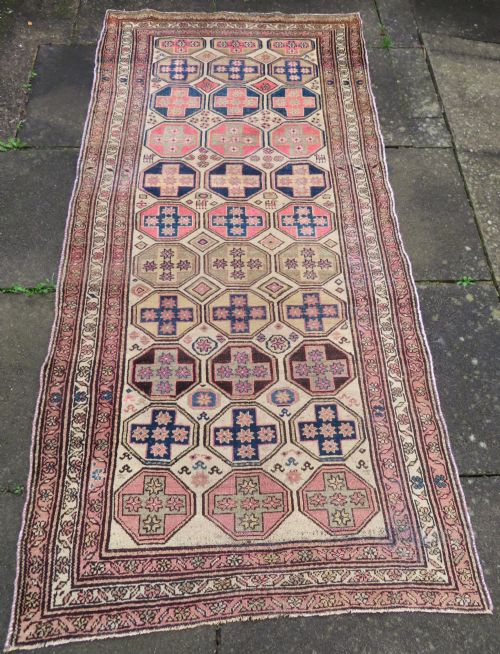
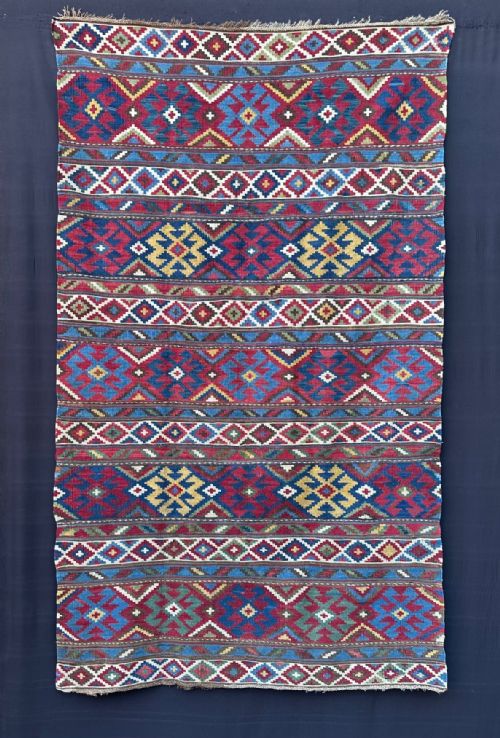
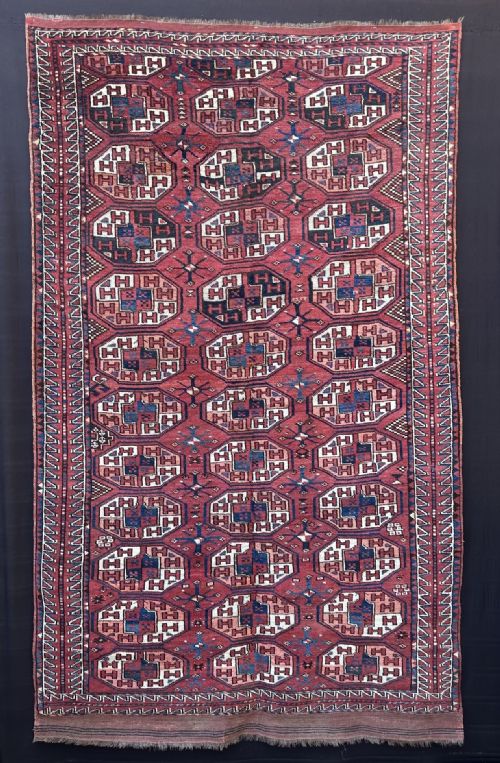
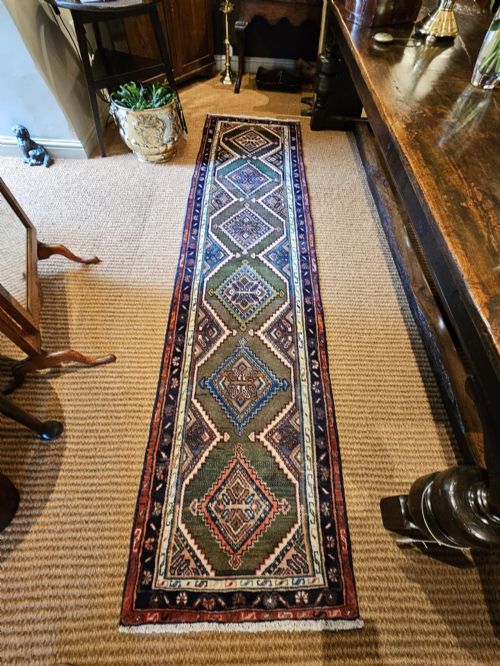
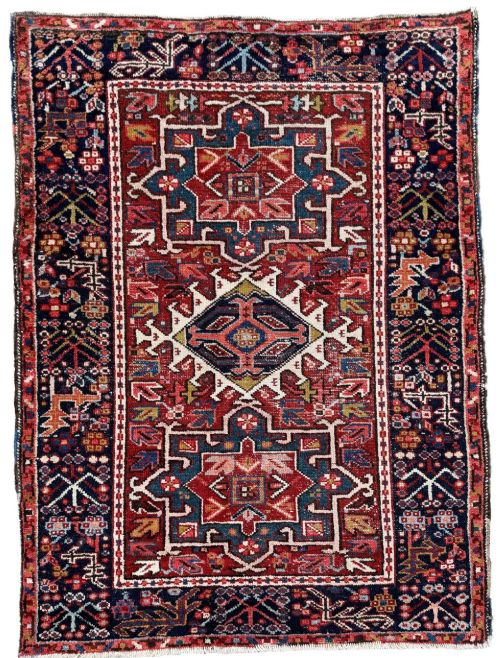
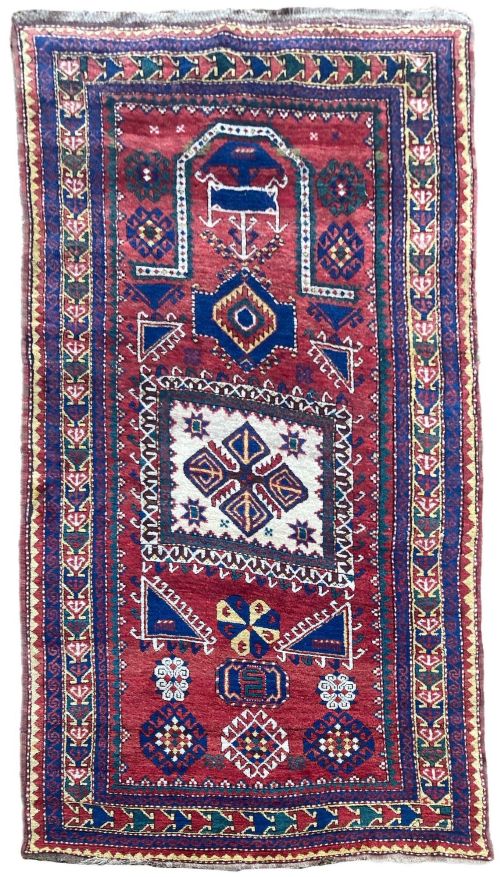
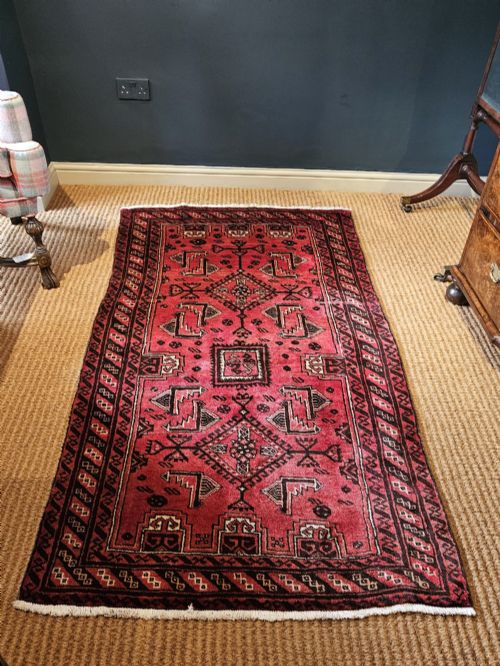
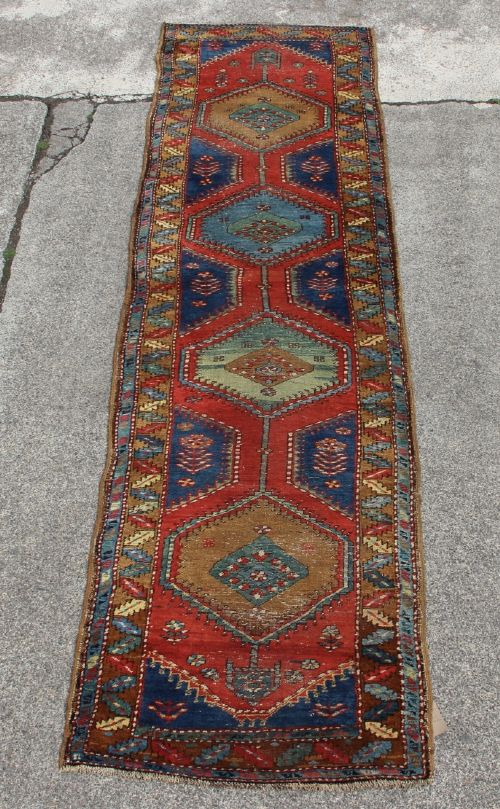
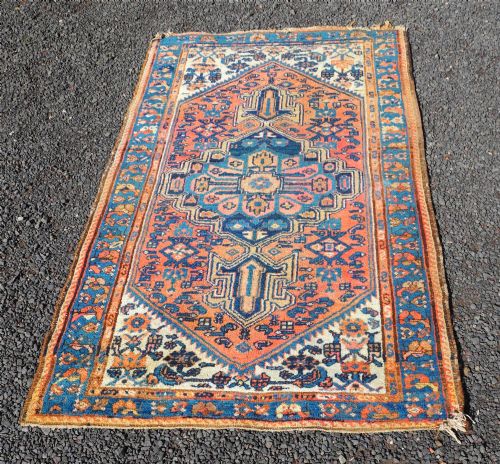
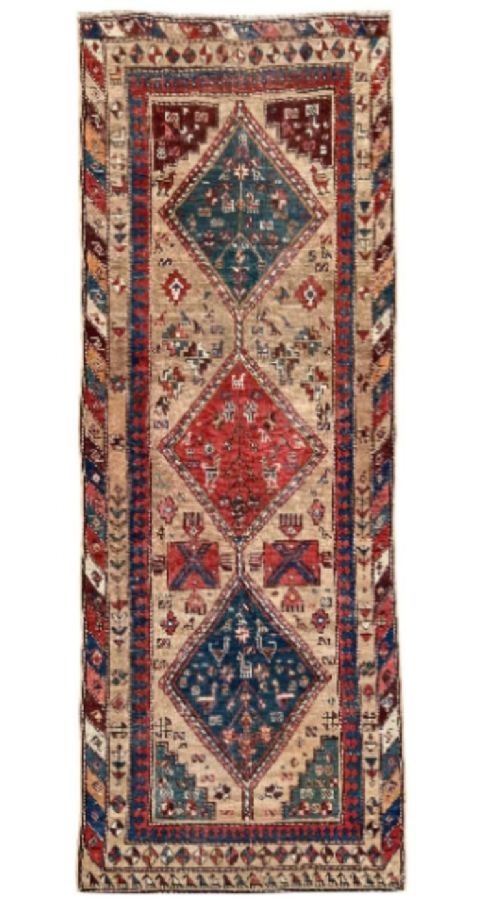
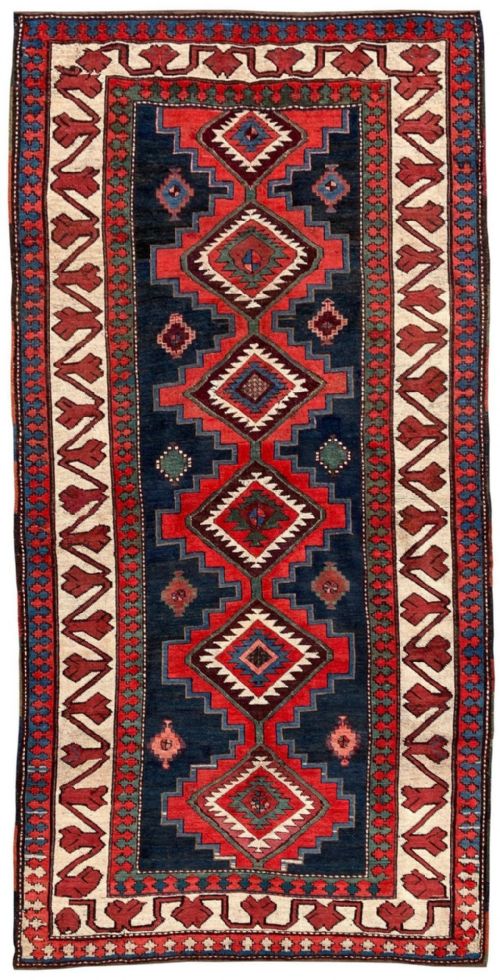
A traditional geometric wool rug is a floor covering defined by patterns of angles, medallions, and tribal motifs, originating from regions such as Persia, the Caucasus, Anatolia, and Turkmenistan. These textiles arrive in various formats, ranging from long runners and hearth-sized mats to substantial carpets created across the nineteenth and early twentieth centuries.
On this page, a buyer is most likely to meet pieces produced between eighteen seventy and nineteen thirty, spanning styles like Persian Tribal, Caucasian, and Turkmen Tribal. Village and nomadic workshops generated the majority of these floor coverings, utilising durable wool and cotton foundations.
The assortment includes specific regional types such as Hamadan, Heriz, Kazak, and Baluch rugs. Each form reflects the distinct visual vocabulary and weaving traditions of its specific geographic origin.
How They Were Made
These textiles rely primarily on wool, pure wool, hand-spun wool, and cotton foundations to build durable pile and structural warps and wefts. Weavers interwove these natural fibres by hand, securing knots or employing flatweave techniques depending on the regional workshop.
Makers integrated natural dyes to colour the yarns, producing hues that matured over decades of light exposure and use. This chemical composition allowed earth tones, rich reds, and olive greens to settle into deep, integrated tones.
Traditional Geometric Wool Rug Retail Price Guide 2026
Typical asking prices for traditional geometric wool rug among the pieces listed under this phrase on Sellingantiques today, from the lower quarter to the upper quarter. They describe what is for sale here now, not the wider market.
Several runners stretch over four metres long, proving that past households possessed exceptionally grand corridors for their wool rugs.
What Varies in Quality
The standard of a weaving rests upon the density of its knotting and the precision of its linear execution. Tighter knots permit sharper geometric definition and greater durability under foot traffic.
Depth of colour and the complexity of the design layout distinguish superior examples. Pieces utilising finely spun hand-spun wool and stable natural dyes demonstrate greater tonal variation and resilience over time.
The Traditional Geometric Wool Rug Glossary
- Pile
- The cut or uncut loop surface of a carpet that forms the upper layer. This soft face absorbs wear and displays the woven pattern.
- Gul
- A medallion or repeated octagonal motif used extensively in Turkmen and Baluch tribal weaving. These symbols often denote specific tribal lineages.
- Warp
- The vertical threads stretched lengthwise on a loom that form the structural foundation of the textile. Wefts are then interwoven across these stationary strands.
- Kilim
- A flatweave carpet produced without a pile by tightly interweaving warp and weft strands. These textiles offer lighter weights and sharp geometric interfaces.
Traditional Geometric Wool Rug: Frequently Asked Questions
How do I clean an antique wool rug?
Gentle surface brushing and professional specialist cleaning preserve the natural wool fibres and dye stability.
Avoid immersion washing or harsh chemical agents that strip natural lanolin from the yarn.
Where were these rugs made?
The pieces originate across workshops and nomadic communities in Persia, the Caucasus, Anatolia, and Turkmenistan.
Each region developed distinct palettes and geometric symbol systems passed down through generations of makers.
How do I date a traditional rug?
Dating relies on stylistic analysis of the motifs, structural materials, and the character of the natural dyes.
Earlier nineteenth-century examples often exhibit more saturated natural palettes and specific tribal drawing traits compared to later twentieth-century productions.
Are runners suitable for hallways?
Long runner formats function effectively in high-traffic corridors and narrow entrance spaces.
Their dense wool construction handles foot movement while adding structured pattern to transitional areas.