





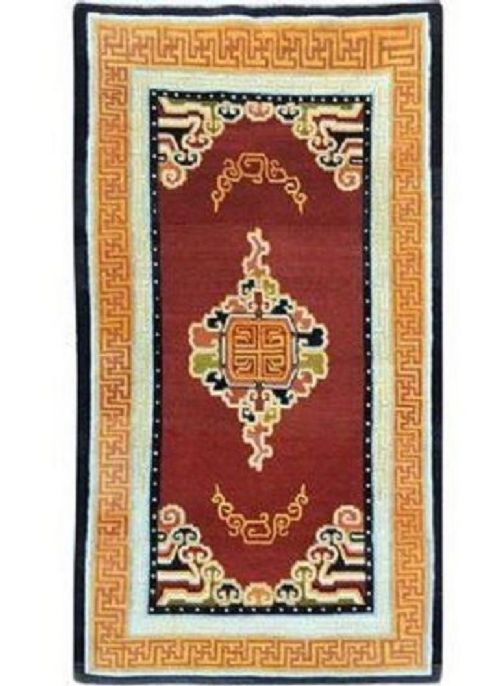
Traditional Geometric Wool Carpet
A traditional geometric wool carpet grounds a room with structure, warmth and the enduring patterns of tribal and regional weaving traditions.
Traditional Geometric Wool Carpet
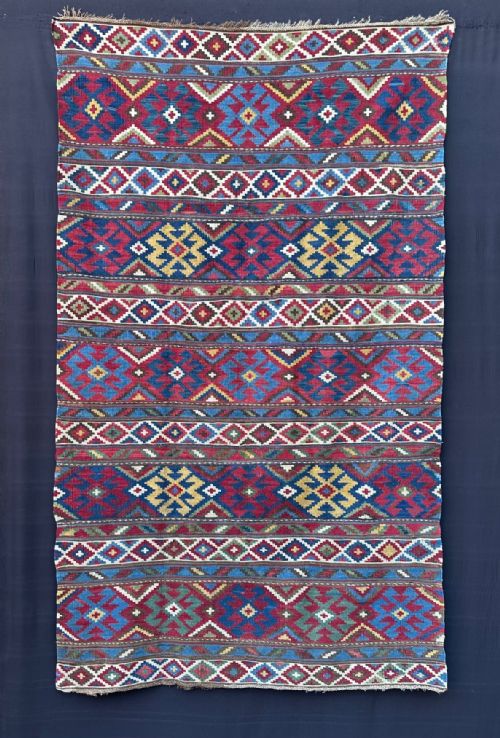
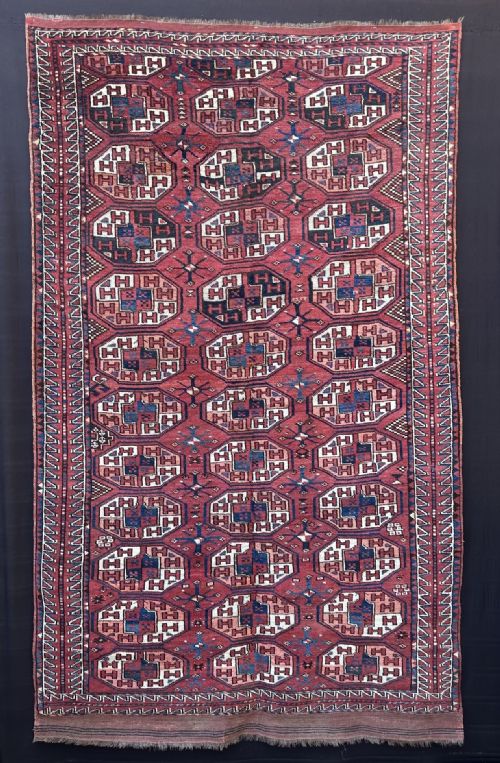
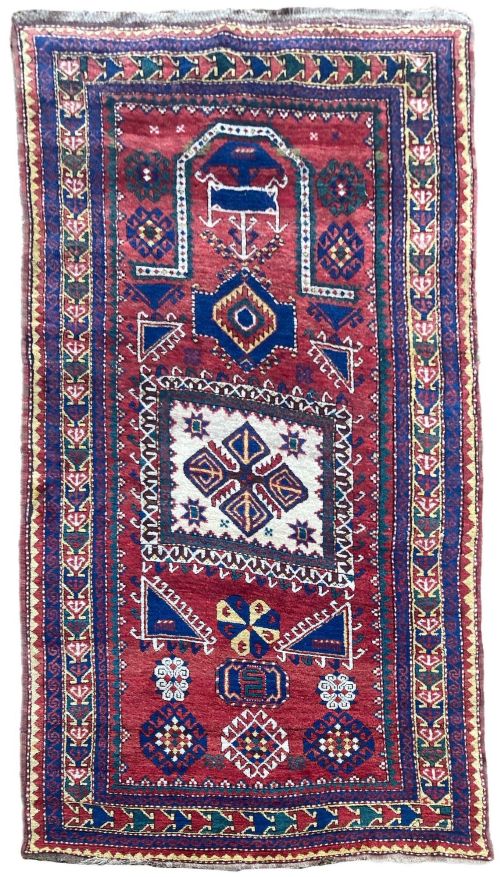
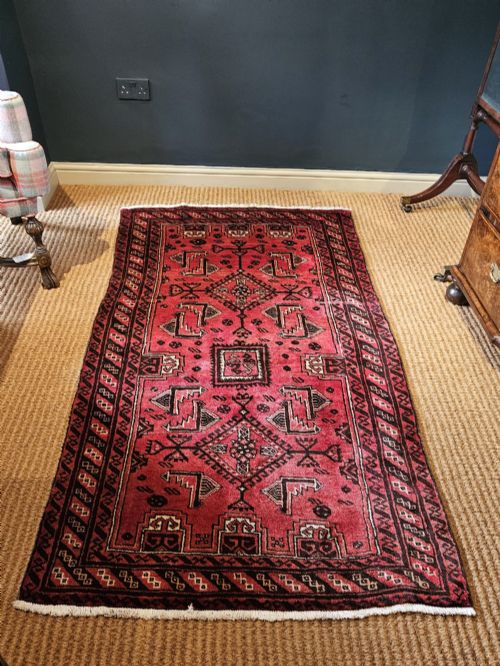
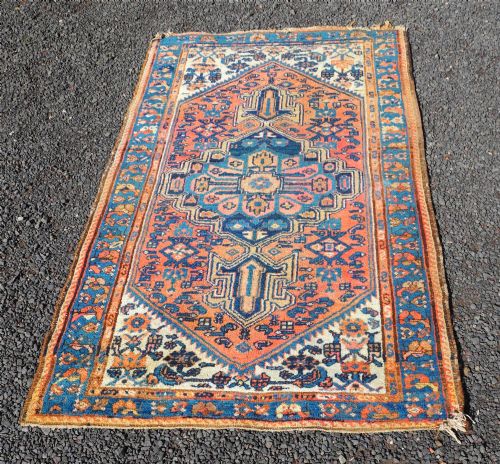
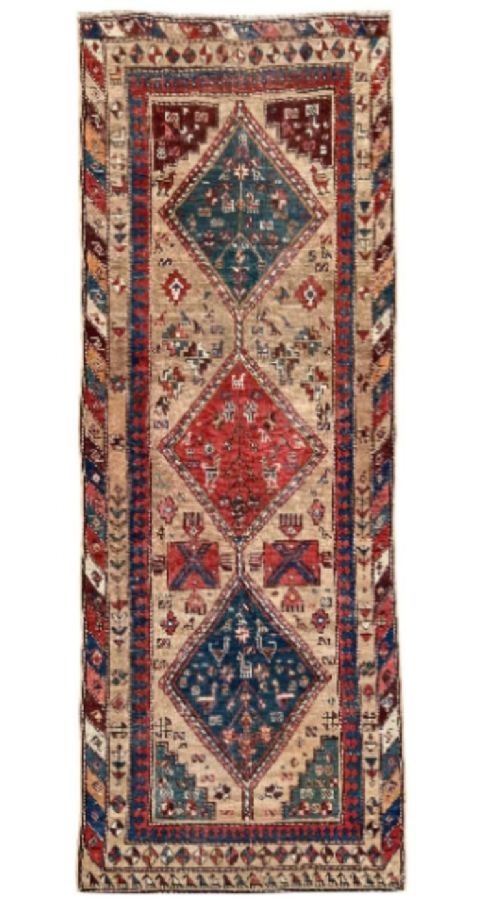
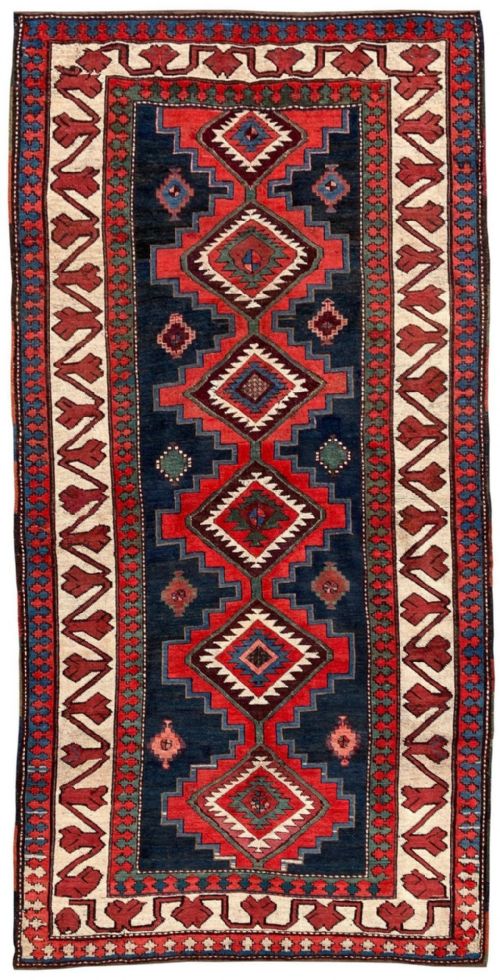
A traditional geometric wool carpet comprises hand-woven rugs and runners originating from Persian, Caucasian, Anatolian, Turkmen and Tibetan weaving centres. These pieces span periods from the nineteenth century through the 1930s, encompassing village and tribal formats such as prayer rugs, runners and large carpets.
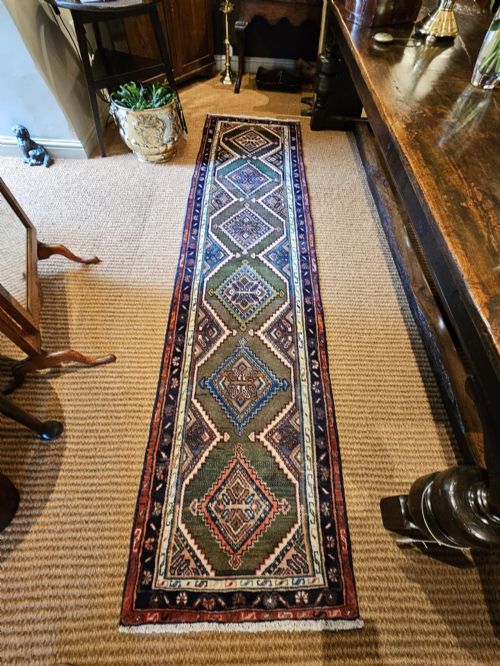
The aesthetic relies on repeating motifs, medallions, lattices and directional fields rather than floral curves. Buyers encounter formats ranging from narrow corridor runners to room-sized rugs featuring regional palettes dominated by rich reds, greens, blues and mellow background tones.
How they were made
Weavers constructed these pieces using wool, pure wool, hand-spun wool and cotton foundations, often dyed with natural colourants that age gracefully. The knotted pile or flatweave structure requires meticulous hand-weaving, connecting warp and weft threads to build durable surfaces designed for heavy daily use.
Listings span from the nineteenth century through the 1930s, featuring wool, cotton, and natural dyes across Persian, Caucasian, Anatolian, and Turkmen styles.
What varies in quality
Quality rests upon knot density, the clarity of geometric lines and the stability of the foundation materials. Finer examples display precise symmetry in tribal motifs, tighter pile compaction and superior handling of natural dyes that impart depth to the wool.
The Traditional Geometric Wool Carpet Glossary
- Mihrab
- A niche design depicted on prayer rugs, often indicating the direction of prayer. It provides a distinct architectural arch within the geometric field.
- Gul
- A repeating medallion motif frequently found in Turkmen and Baluch weaving traditions. These octagonal or polygonal shapes form the primary pattern across the carpet.
- Warp
- The vertical threads stretched tightly on the loom that form the structural skeleton of the carpet. The fringe typically consists of extended warp threads.
- Weft
- The horizontal threads passed through the warp threads to hold the knots in place. Proper tension ensures the carpet retains its rectangular or runner geometry.
Traditional Geometric Wool Carpet: Frequently Asked Questions
How do I clean a wool carpet?
Regular gentle vacuuming without a beater bar removes surface dust and grit from the wool pile. Professional specialist cleaning is recommended for deep washing to protect natural dyes.
Avoid harsh chemical treatments or excessive water immersion, which can damage the wool fibres and cotton foundations of older textiles.
Are these carpets suitable for hallways?
Narrow runner formats and long carpets work effectively in hallways, corridors and high-traffic areas. The durable nature of wool handles frequent foot traffic while providing sound absorption.
Pairing the runner with an appropriate underlay prevents slipping and cushions the weave against hard flooring.
How can I identify a tribal rug?
Tribal rugs typically display geometric memory patterns, stylized animals and symbolic motifs rather than formal court designs. Colour variations and spontaneous shifts in the design indicate nomadic or village production.
Regional characteristics such as specific palette choices or border arrangements help pinpoint the origin to areas like the Caucasus, Anatolia or Persia.