

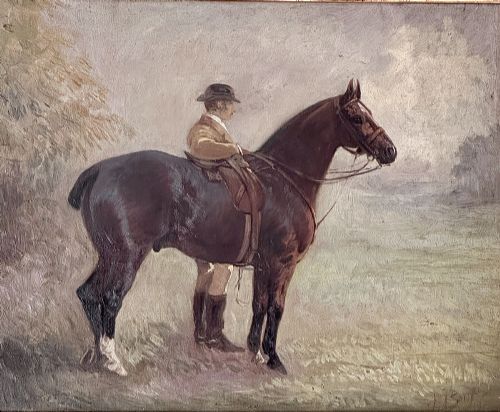
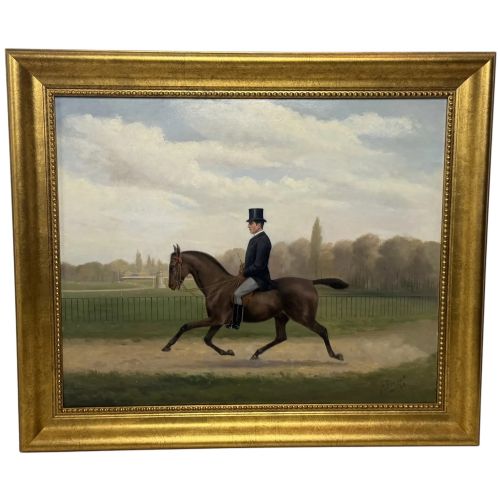
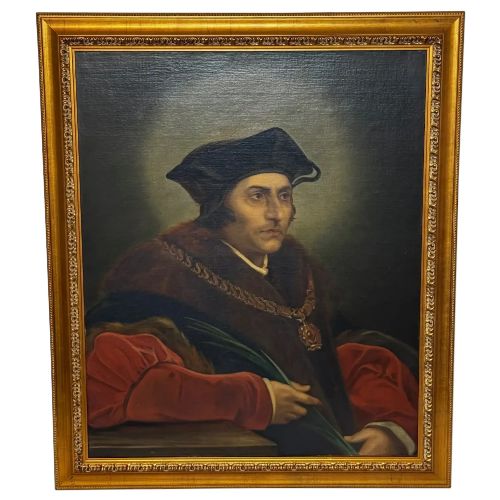
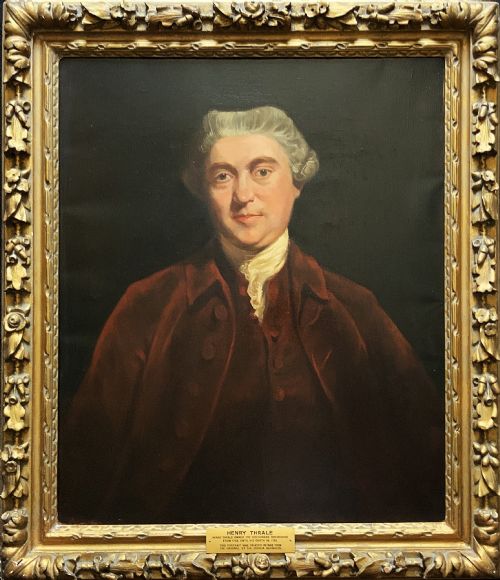


Traditional Gentleman Portrait
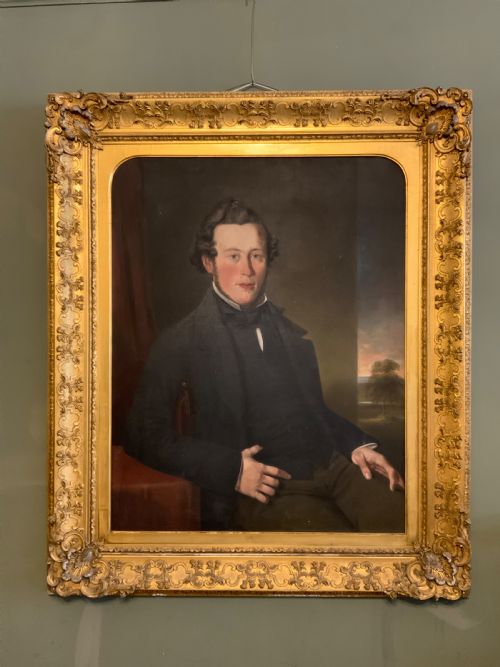
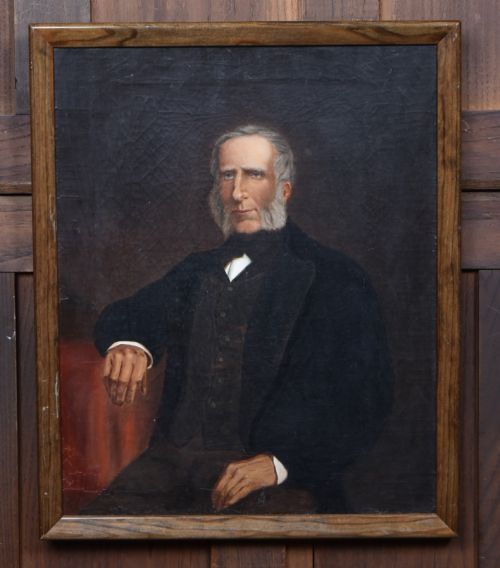
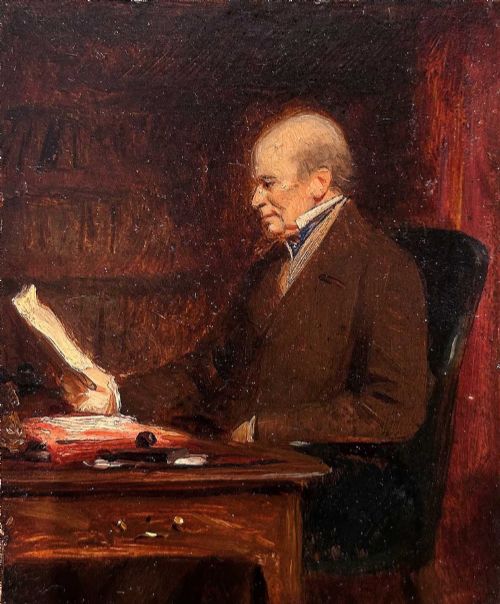
A traditional gentleman portrait captures the likeness of a notable male subject, offering an enduring glimpse into past eras through painted canvas.
Traditional Gentleman Portrait
A traditional gentleman portrait depicts male subjects ranging from physicians and clergymen to peers and merchants, spanning the eighteenth, nineteenth, and early twentieth centuries. These works record the status, attire, and professional identity of the sitter through formal oil painting or watercolour on canvas and paper.
The most common examples on this page date from the nineteenth century, executed in oil on canvas and often housed within period frames of giltwood. These pieces document changing fashions in men's tailoring, from Georgian frock coats and cravats to Victorian black tie and Edwardian suits.
Quality factors in portraiture
The historical significance of the sitter and the attribution to a recorded artist or documented school elevate the standing of a canvas. Works carrying inscriptions or provenance linking them to named individuals or known portraitists hold distinct documentary value.
Traditional Gentleman Portrait Retail Price Guide 2026
Typical asking prices for traditional gentleman portrait among the pieces listed under this phrase on Sellingantiques today, from the lower quarter to the upper quarter. They describe what is for sale here now, not the wider market.
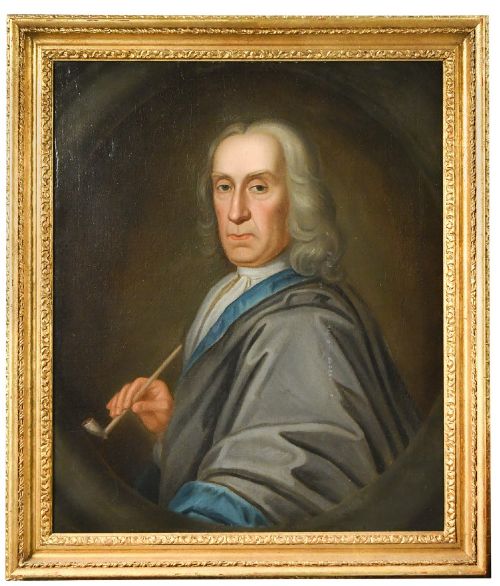
Several gentlemen are immortalised holding props, from smoking pipes and medical instruments to legal briefs.
Sir Joshua Reynolds·Stephen Pearce·John Hamilton Mortimer·Jules Rambo·Michael Dahl·Giovanni Battista Moroni·George Hayter·Arthur Spooner·James Archer·John Opie·John Phillip·Sir Godfrey Kneller
The Traditional Gentleman Portrait Glossary
- Oil on Canvas
- Pigment mixed with drying oils applied to a woven fabric support. This combination allowed artists to achieve rich colour saturation and subtle blending.
- Giltwood
- Wood carved and coated with a thin layer of gold leaf or metallic powder. It provides a reflective and ornate border for traditional paintings.
- English School
- A classification used to denote artists trained or working within England during a specific period. It groups together works sharing regional stylistic traits.
- Regency
- A stylistic period spanning the early nineteenth century. Works from this era often display specific cuts of male attire and distinct portrait framing conventions.
Traditional Gentleman Portrait: Frequently Asked Questions
What periods do these portraits cover?
The selection spans from the seventeenth century through the Georgian, Regency, and Victorian eras, extending into early twentieth-century realism.
Most pieces date from the nineteenth century, reflecting the prevailing portraiture trends of that period.
How were these portraits used originally?
Sitters commissioned these works to document personal status, professional achievement, or familial lineage within private homes and institutions.
They served as permanent records of identity, displayed prominently in parlours, studies, and offices.
How do I identify the sitter?
Many canvases feature inscriptions on the reverse, or archival records identifying the individual depicted, such as physicians, military officers, or clergymen.
Stylistic cues in clothing and accessories also help narrow down the approximate date and social context.
How should I care for an oil on canvas?
Keep the canvas away from direct sunlight and fluctuating humidity levels to prevent pigment degradation and cracking of the paint layer.
Dust the surface and frame gently with a dry, soft cloth without applying liquid cleaners directly to the painted area.