
Traditional Genre Painting Art
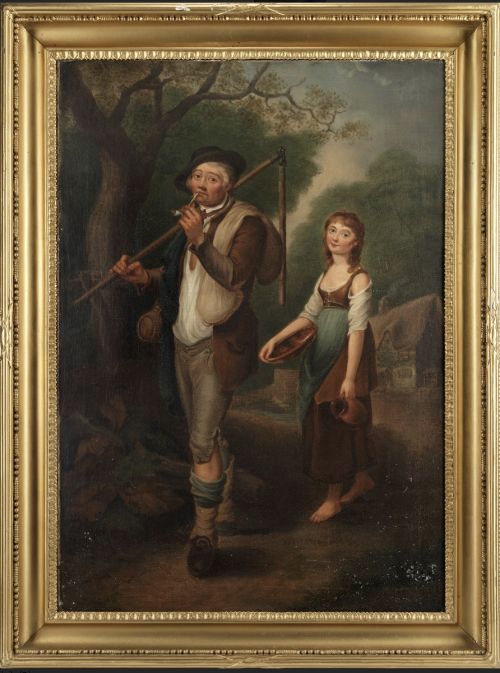
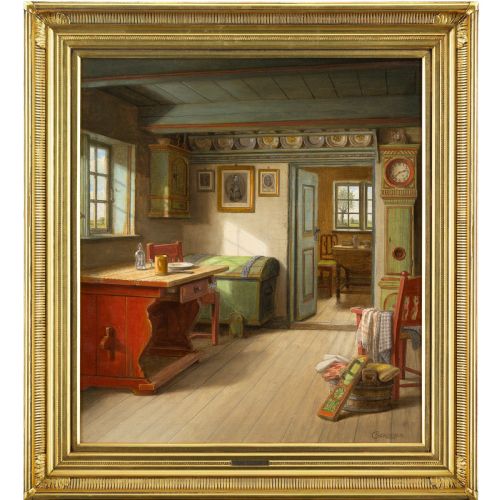
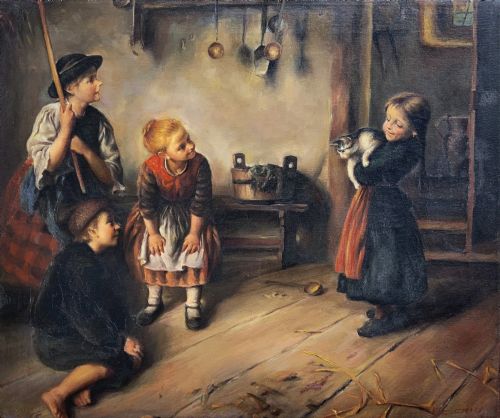
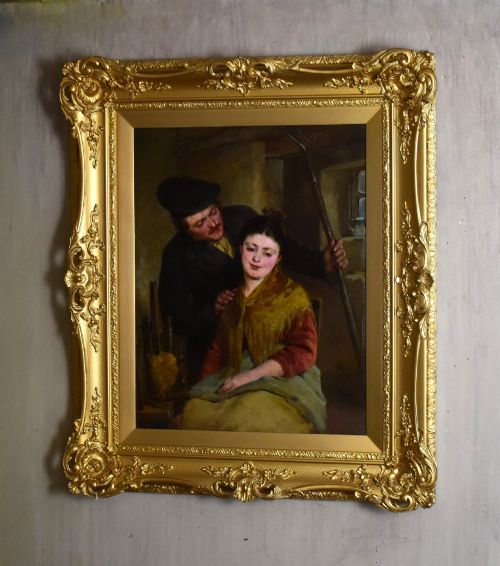
Traditional genre painting art captures everyday life through framed oil paintings and watercolours depicting domestic scenes, street sellers and rural figures.
Traditional Genre Painting Art
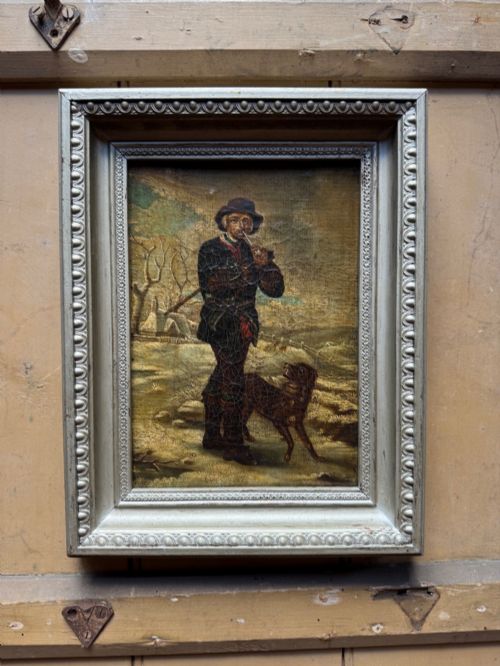
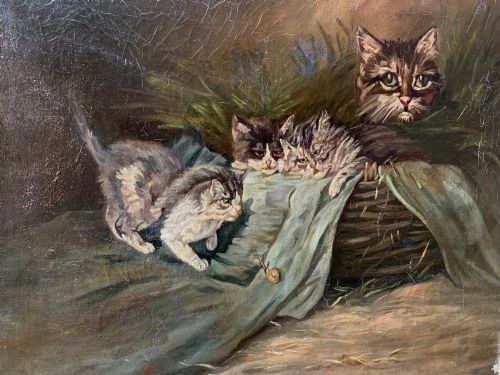
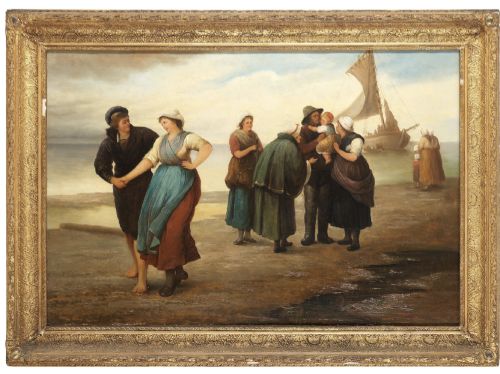
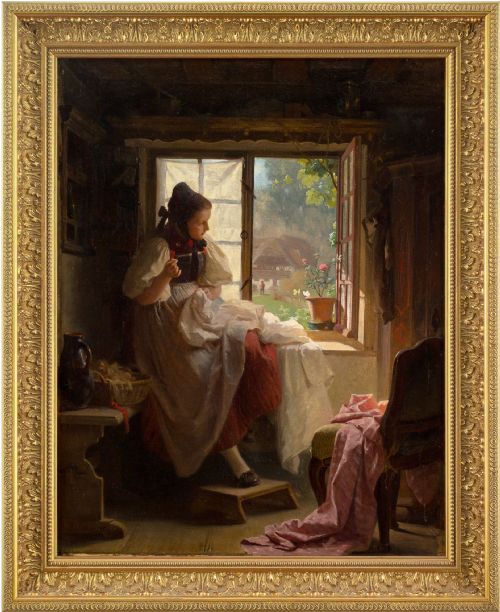
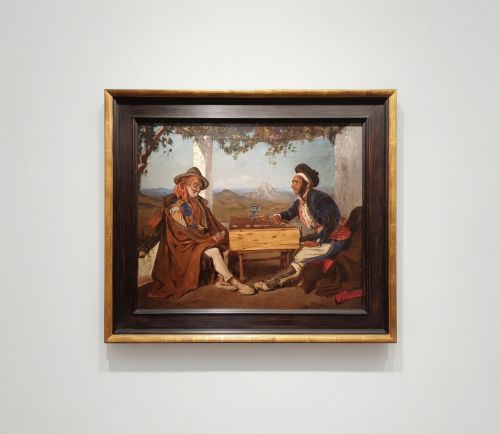
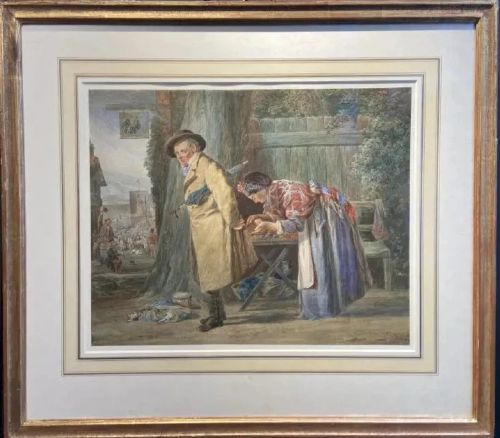
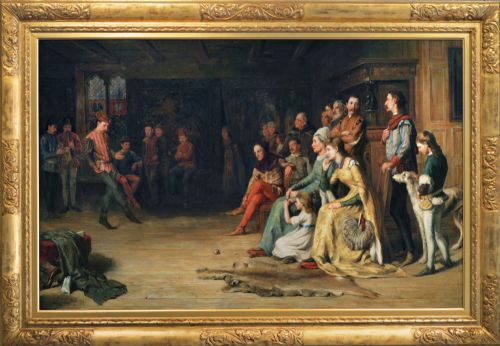
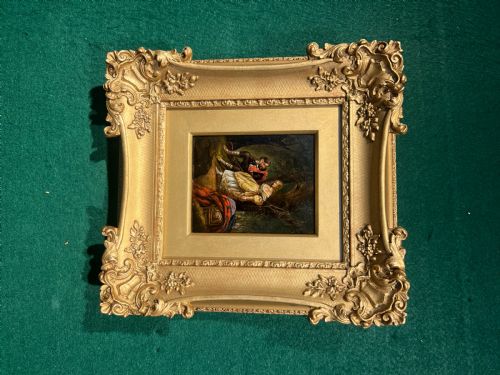
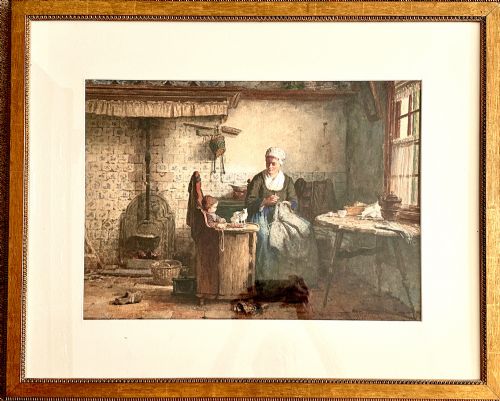
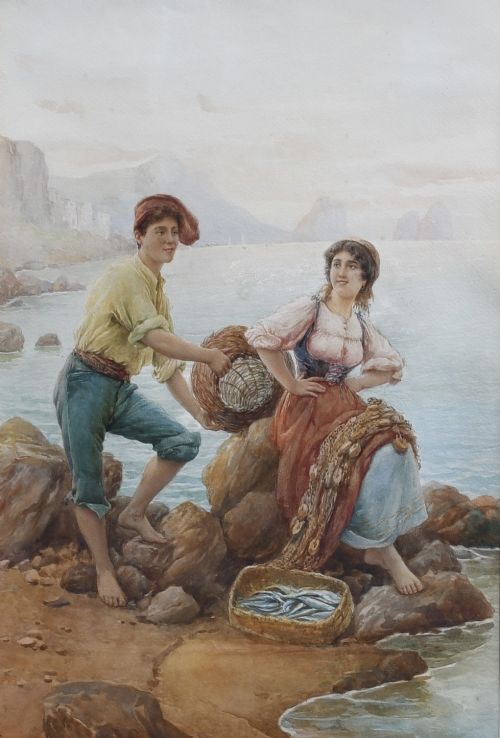
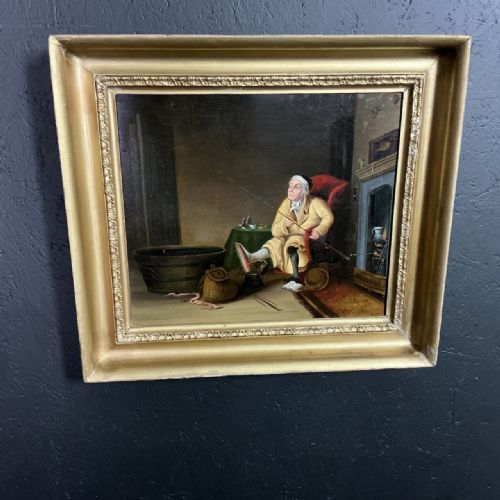
Traditional genre painting art depicts scenes of everyday life, focusing on domestic interiors, cottage scenes and figures engaged in ordinary daily activities. Buyers searching for traditional genre painting art encounter framed oil paintings and watercolours originating predominantly from the nineteenth century alongside Victorian and Edwardian examples.
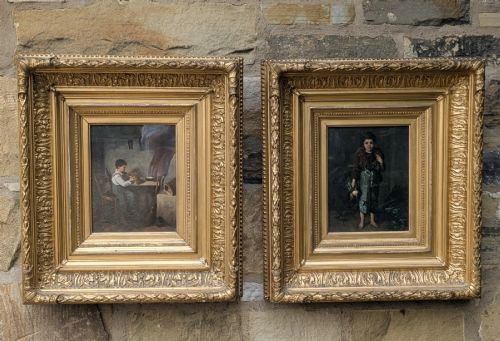
The subjects range from children playing and card players to street vendors and household workers, reflecting social life and historical interiors. Most works appear on canvas or wood panels, housed within giltwood and gesso frames that complement the period aesthetic.
Materials and methods
Artists painted primarily with oil paint upon stretched canvas or wooden panels, while others worked in watercolour on paper. Canvases received layers of pigment to build depth in interior lighting and fabric textures.
Framing utilised carved wood embellished with gesso and gold leaf to create ornate giltwood surrounds. These frames protect the edges of the canvas and provide the characteristic period presentation seen across the collection.
Listings feature works spanning the nineteenth and early twentieth centuries, executed in oil and watercolour on canvas, board and paper.
Distinctions in quality
Quality rests upon the artist's ability to render facial expressions, hand gestures and interior lighting with conviction. Finer works capture the tactile qualities of textiles and the subtle play of light across a cottage interior.
The preservation of the original paint surface and the integrity of the period giltwood frame heavily influence the overall standard. Works bearing signatures from recognised painters or documented schools generally demonstrate superior brushwork and compositional balance.
Howard Helmick·Frank Moss Bennett·James Hamilton·John Arthur Lomax·Haynes King
The Traditional Genre Painting Art Glossary
- Genre painting
- A pictorial representation of everyday life and ordinary people engaged in common activities. These works depict domestic interiors, street scenes and rural labour rather than formal portraits or grand historical events.
- Gesso
- A plaster-like mixture applied to wooden frames as a base for gilding. It provides a smooth surface that carvers could mould into intricate decorative patterns before applying gold leaf.
- Giltwood
- Wood that has been coated with gold leaf or gold paint for decorative effect. It frames many nineteenth-century paintings to enhance their visual depth and period character.
- Oil on canvas
- Pigments bound in an oil medium and applied to a woven fabric support. This technique allows for gradual blending of colours and rich surface textures.
- Watercolour painting
- Artworks created using water-soluble pigments on paper. This medium produces translucent washes and delicate details, frequently seen in nineteenth-century figurative works.
Traditional Genre Painting Art: Frequently Asked Questions
What defines a traditional genre painting?
These works depict scenes from everyday life, such as domestic interiors, cottage gatherings and street activities involving ordinary people.
Unlike historical or portrait art, the focus rests upon human interaction and common routines within recognisable social settings.
How should I hang and light these paintings?
Hang the artworks away from direct sunlight and excessive humidity to protect the oil paint and canvas from degradation.
Use dedicated picture lights with low heat emission to illuminate the canvas without risking damage to the pigment or the giltwood frame.
Are original frames important for these artworks?
Original giltwood and gesso frames complement the historical period of the paintings and maintain their aesthetic integrity.
While frames can be replaced over time, matching the correct nineteenth-century style preserves the visual context of the artwork.
How do I identify a nineteenth-century work?
Examine the stretcher bars, canvas texture and framing style for characteristics typical of the period.
Signatures, artist documentation and stylistic traits such as nineteenth-century realism help confirm the date and origin.