


Traditional French Seats
Traditional french seats bring timeless seating into a room, spanning rustic rush benches to elegant velvet armchairs.
Traditional French Seats
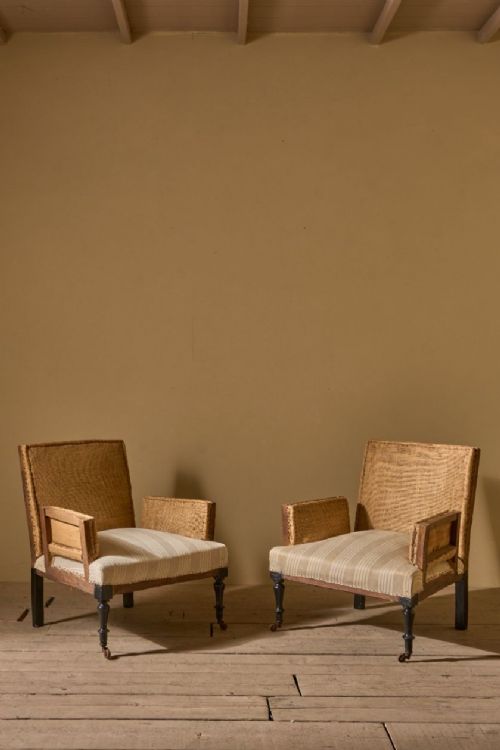
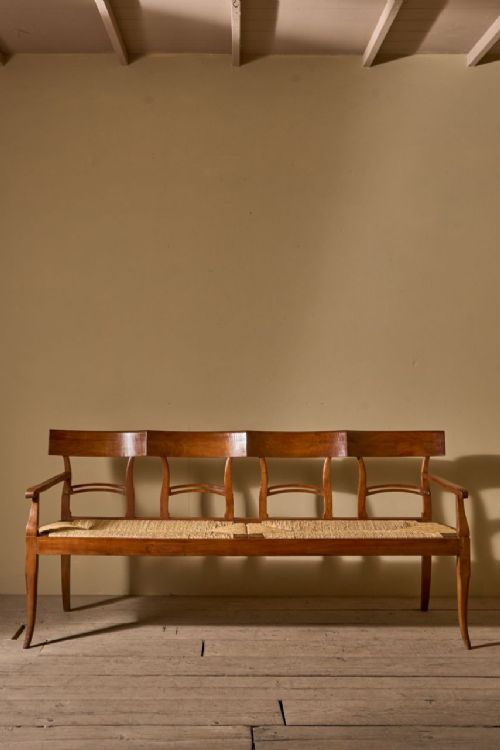
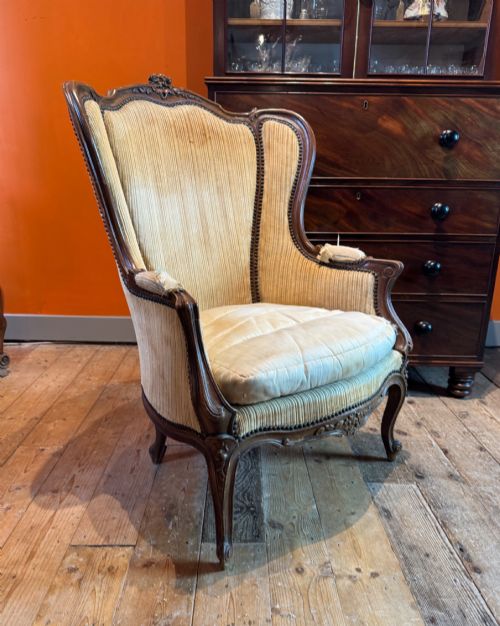
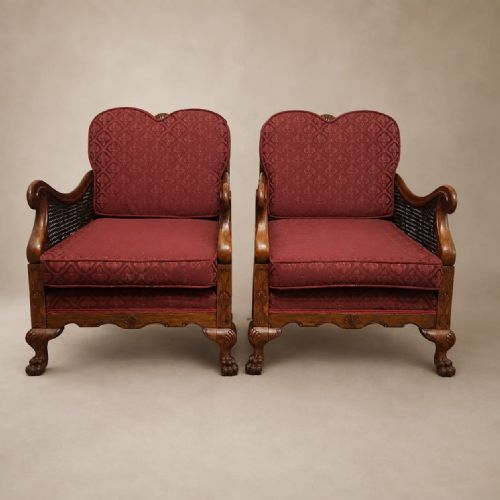
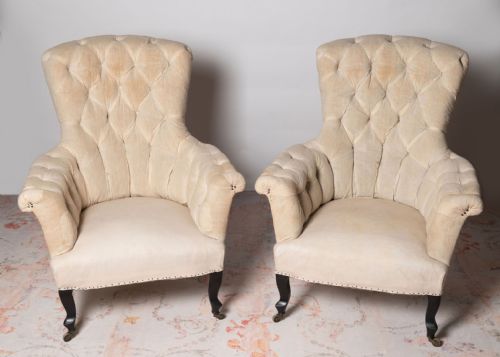
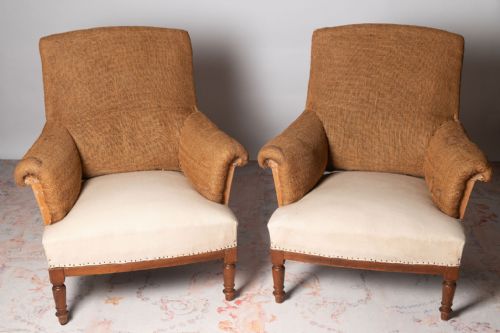
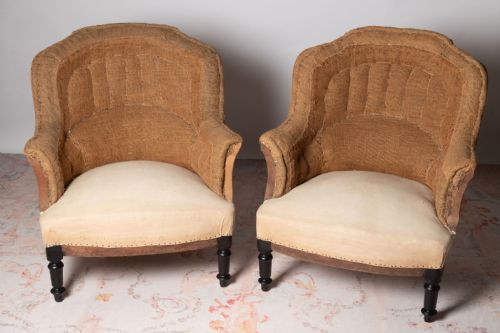
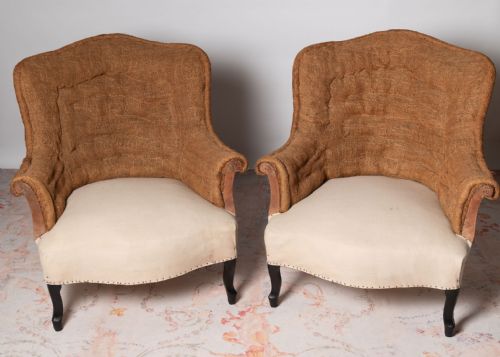
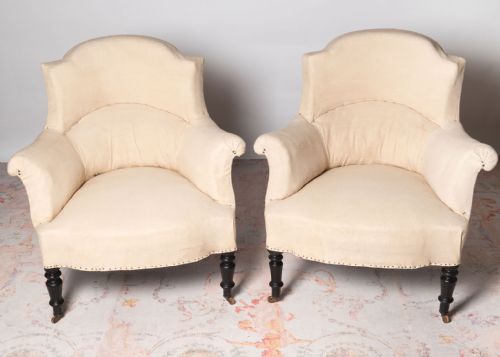
Traditional french seats encompass a wide variety of seating forms, ranging from nineteenth century rush seated hall benches and fruitwood dining chairs to plush velvet salon chaises and armchairs. Buyers seeking traditional french seats will encounter diverse styles such as Napoleon III, Louis XV, French Provincial, and Art Deco, reflecting centuries of craftsmanship.
Regional and formal variations emerge clearly across the inventory, shifting from rustic country benches with rush seats to ornate giltwood and ebonized frames designed for formal reception rooms. Each piece carries distinct period characteristics, whether built for a quiet bedroom or a grand salon.
Materials and construction methods
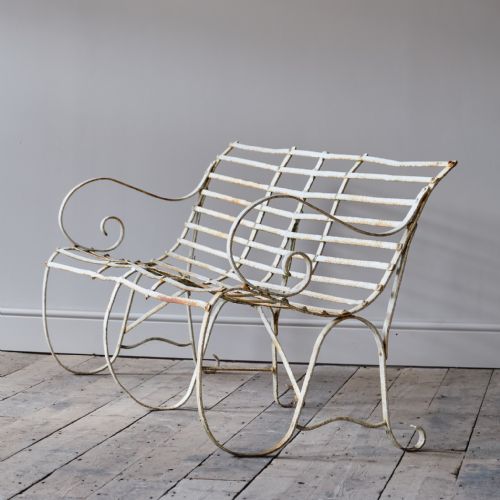
Makers constructed traditional french seats using robust timbers including walnut, cherrywood, mahogany, and fruitwood to form the structural frames. Artisans frequently incorporated natural materials like rush for seating surfaces, alongside wrought iron and cast iron for garden benches.
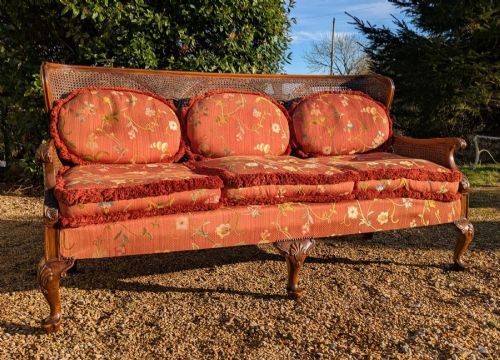
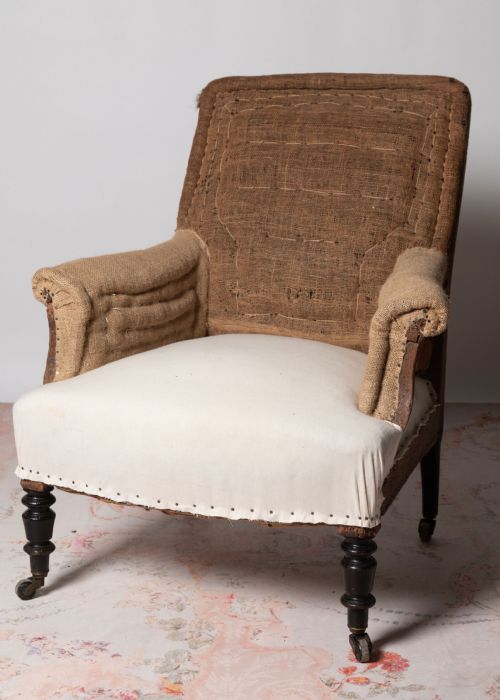
Upholstery techniques involved traditional fillings and coverings using velvet, leather, sheep's hide, hessian, and split cane panels. Details such as buttoning, fringe, and tassel trim completed the finishing work on sofas, chaises, and armchairs.
Several clever benches cleverly conceal their age beneath cheerful blue velvet and playful tassel trims.
Assessing quality in seating
Quality in traditional french seats rests upon the structural integrity of the wooden frame and the precision of the joinery. Finer examples display carefully carved details, substantial timbers such as solid walnut or mahogany, and well-preserved original elements.
The standard of upholstery materials also defines the piece, distinguishing items finished in supple sheep's hide or rich velvet from simpler utility seating. Frame proportions and stylistic consistency further separate standard regional pieces from high salon creations.
The Traditional French Seats Glossary
- Bergère
- An enclosed upholstered armchair with wooden framing and a solid back. These seats typically feature padded armrests and loose seat cushions.
- Fauteuil
- An open-framed upholstered armchair originating in France. The design exposes wooden arms and structural rails around the seating area.
- Rush
- A traditional seating material woven from marsh plants. It appears commonly on the seats of country benches and side chairs.
- Napoleon III
- A nineteenth century design style associated with the French Second Empire. Pieces from this era often incorporate ebonized finishes and rich upholstery.
Traditional French Seats: Frequently Asked Questions
How do I date a french armchair?
Dating relies on examining the timber species, joinery methods, and stylistic cues of the frame. Nineteenth-century pieces frequently display specific regional traits or revival styles like Louis XV.
Later items from the 1920s and 1930s shift towards Art Deco club chair forms and streamlined leather designs.
Where were rush-seated benches used?
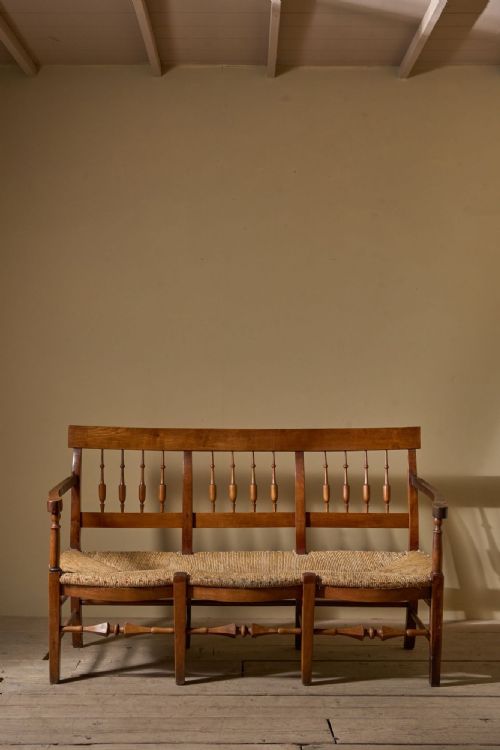
Rush-seated benches served practical purposes in hallways, country homes, and casual rooms. Their woven natural seats provided durable everyday utility.
Today, these cherrywood and fruitwood benches fit well in entryways or dining spaces needing rustic charm.
Are leather club chairs french?
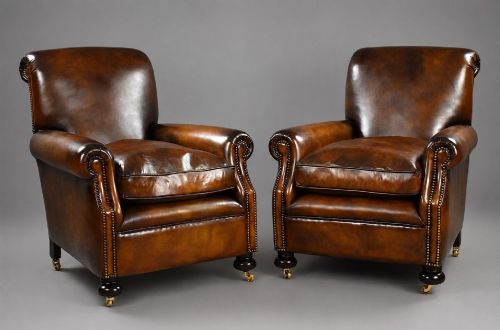
Many club chairs originated in France during the early twentieth century, particularly the Art Deco era. They utilise heavy leather or sheep's hide upholstery over sturdy frames.
These deep, comfortable armchairs were built for relaxation and reading rooms.
How do I care for antique velvet?
Antique velvet upholstery requires gentle maintenance to preserve the pile and rich colour. Regular light dusting helps prevent dirt from settling into the fibres.
Avoiding direct sunlight protects the fabric from fading over time.