



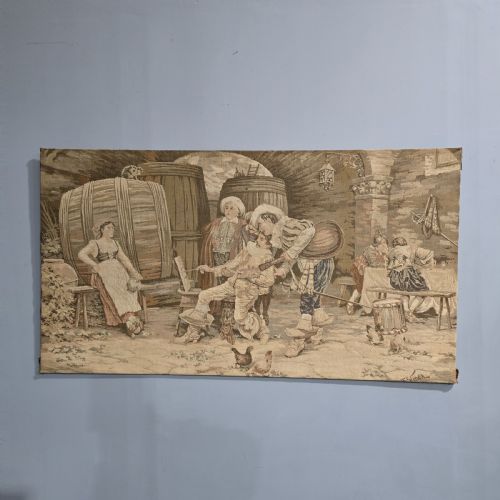

Traditional Framed Tapestry
Traditional framed tapestry pieces bring centuries of hand-worked textile artistry into a room, offering rich colour and texture within solid wood borders.
Traditional Framed Tapestry
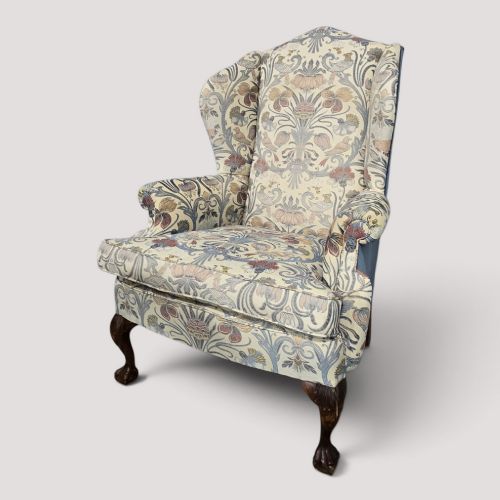
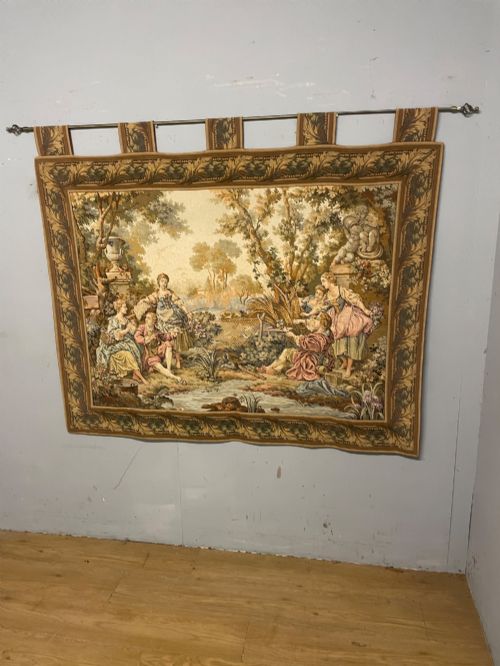
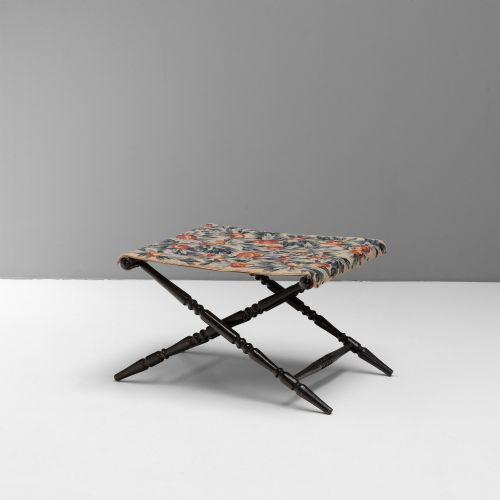
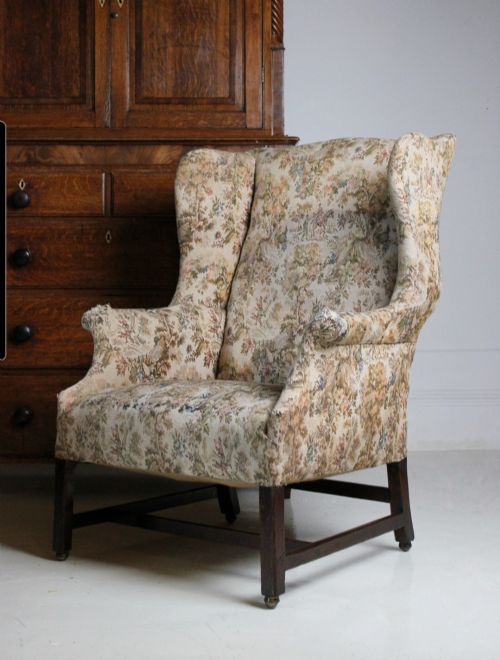
Traditional framed tapestry items span a wide chronological range from the eighteenth century through to the Edwardian era and the 1930s. Buyers searching for traditional framed tapestry find varied forms including wall art, wall panels, and upholstered furniture such as footstools and armchairs.
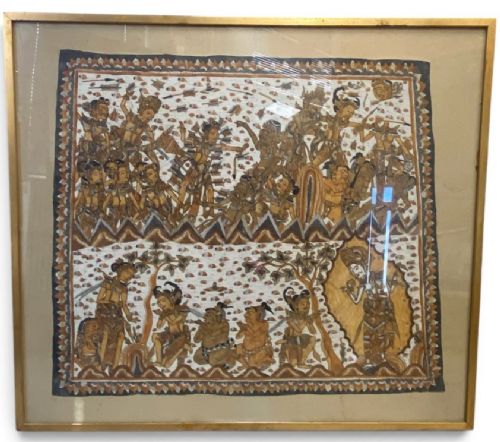
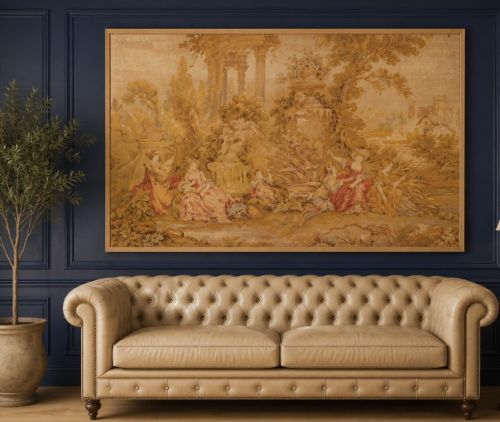
The materials incorporated within these listings include wool, silk, cotton, and tapestry fabric, secured within mahogany, walnut, oak, and glass frames. Stylistic influences vary significantly, taking in French Baroque, French Rococo, Gothic Revival, Arts and Crafts, Anglo-Indian, and Balinese Kamasan designs.
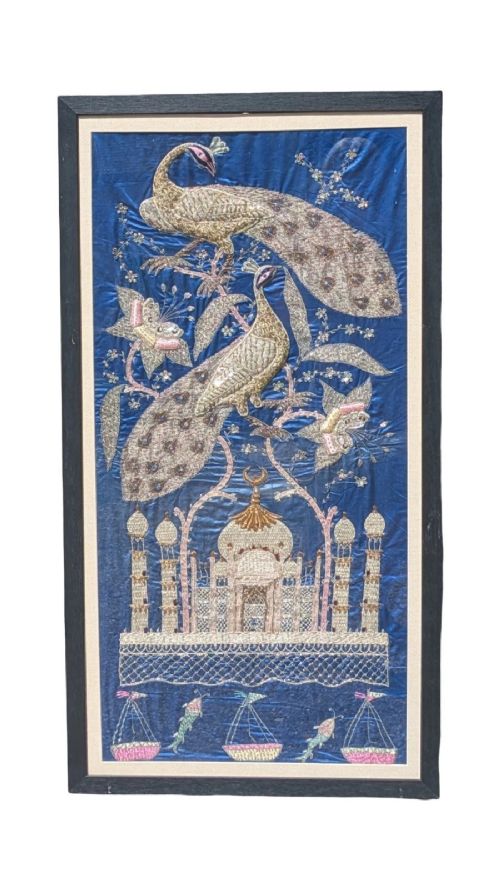
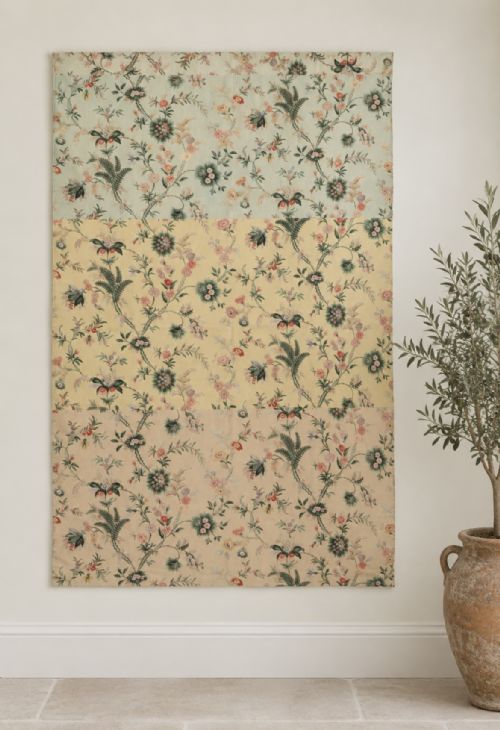
The selection ranges from large French tapestry panels and signed works on board to Swedish pillow embroidery, Indian silk embroidery, and ikat panels. Each piece reflects the specific decorative tastes and textile techniques of its period of origin.
How they were made
Textiles were produced using wool, silk, and cotton, often employing needlework, embroidery, and weaving techniques to build detailed figurative or geometric designs. Some panels incorporate silver and gold thread alongside standard fibres to add luminance.
Support structures and frames utilised hardwoods such as mahogany, walnut, and oak, shaped into wall panels or built into furniture like footstools, sofas, and armchairs. Glass was also utilised to protect delicate textile surfaces from environmental wear.
Several pieces feature unexpected international touches, including Balinese Kamasan paintings and Indian Taj Mahal silk embroideries.
What varies in quality
The intricacy and density of the textile work determine much of the visual merit, with finer needlework and complex thread usage elevating a panel. The integration between the textile and its wooden or glass frame also dictates the overall cohesion of the piece.
The choice of materials, from standard wool and cotton to luxury silk and metal threads, affects the richness of the finished surface. Additionally, the quality of the timber framing, whether carved walnut, mahogany, or oak, influences the structural presence of the item.
The Traditional Framed Tapestry Glossary
- Tapestry
- A form of textile art traditionally woven on a loom or worked by hand with needle and thread. It often depicts pictorial scenes or decorative patterns.
- Needlework
- The decorative process of working stitches on textile grounds using a needle and various yarns. This technique creates textured surfaces seen on many framed panels and footstools.
- Ikat
- A dyeing technique where yarns are pattern-dyed before being woven into textiles. This creates characteristic feathered edges along the motifs.
- Mahogany
- A durable hardwood commonly utilised for furniture frames and borders. Its rich grain complements traditional textile displays.
- Gothic Revival
- An architectural and decorative style drawing inspiration from medieval forms. Pieces from this movement often feature pointed arches and heavy timber framing.
Traditional Framed Tapestry: Frequently Asked Questions
What periods do these pieces come from?
The pieces span multiple centuries and decades, including the 18th century, the 19th century, the Edwardian era, and the 1930s. Each era brought distinct stylistic influences to the textiles and their frames.
Craftsmanship shifted over time, moving from classical French panel designs to regional embroidery styles and Arts and Crafts interpretations.
How were these tapestries displayed originally?
Many textiles functioned as wall art, mounted inside wooden frames or protected behind glass to preserve the delicate fibres. Others served a functional purpose as upholstery on footstools, armchairs, and settees.
This dual utility meant textiles were integrated directly into the domestic interior architecture and seating arrangements of the period.
What materials are used in the frames?
Frames and structural supports utilise traditional hardwoods such as mahogany, walnut, and oak. Some examples incorporate glass protection for delicate embroidered surfaces.
The timber was often polished or carved to match the prevailing style of the period, ranging from plain mouldings to elaborate period framing.
How do I care for a framed textile?
Framed textiles require protection from direct sunlight to prevent the fading of wool, silk, and cotton threads. Keeping them in stable humidity conditions helps preserve both the fabric and the wooden frame.
Gentle dusting of the frame and glass is recommended, avoiding direct moisture contact with the textile itself.