


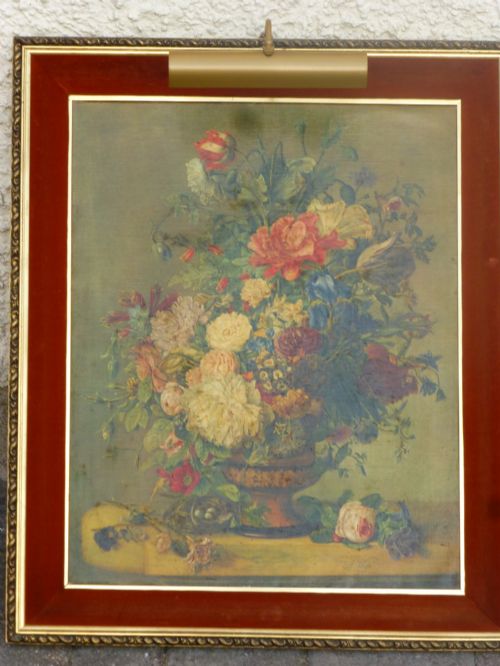
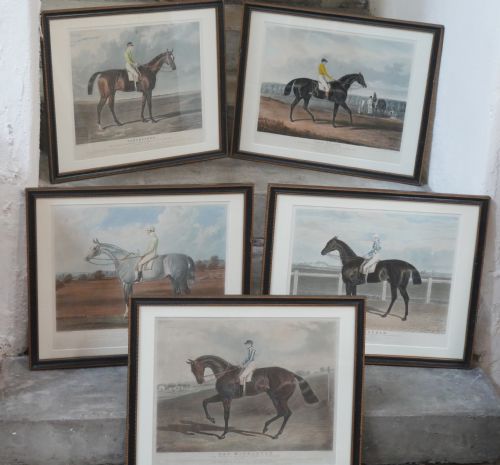
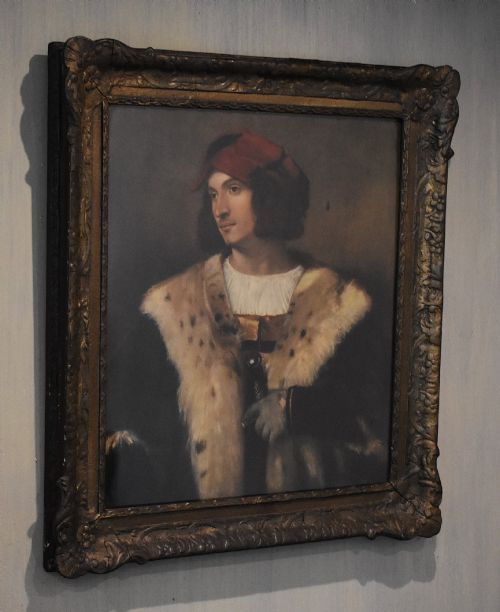
Traditional Framed Picture Print
A traditional framed picture print brings historical depth and character to a room through established imagery set behind glass and wood.
Traditional Framed Picture Print
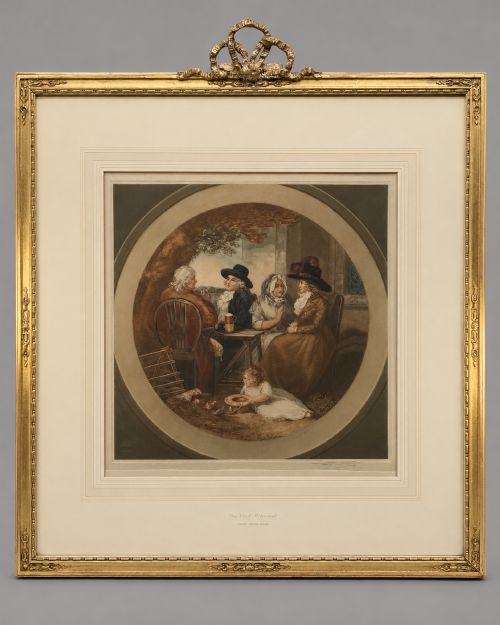
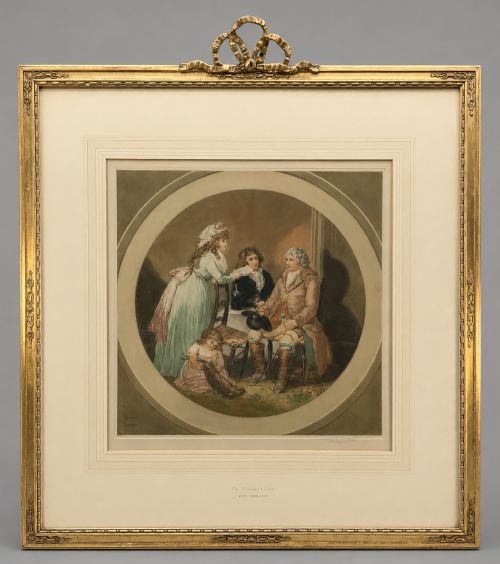
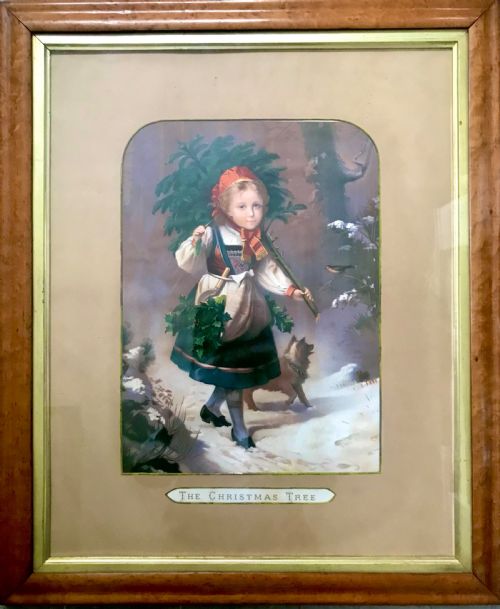
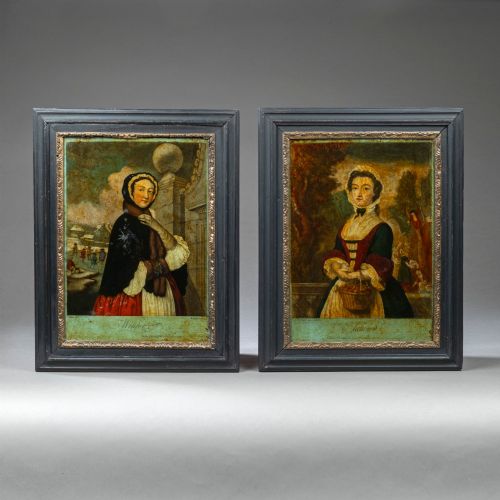
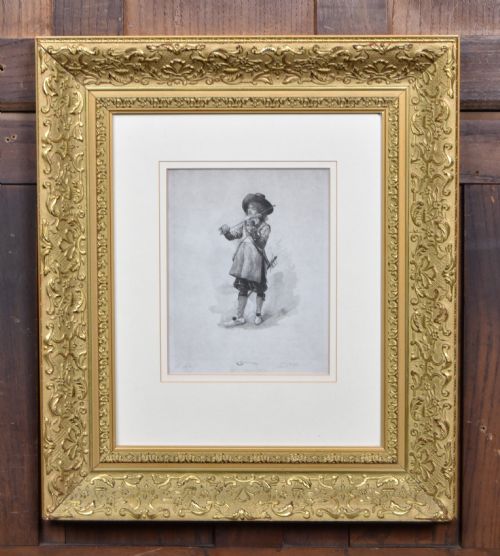
A traditional framed picture print encompasses diverse wall art forms originating from the seventeenth to the mid-twentieth centuries, including hand-coloured engravings, lithographs, mezzotints, and oleographs. These pieces record historical portraits, sporting scenes, landscapes, and genre subjects set within period wooden surrounds.
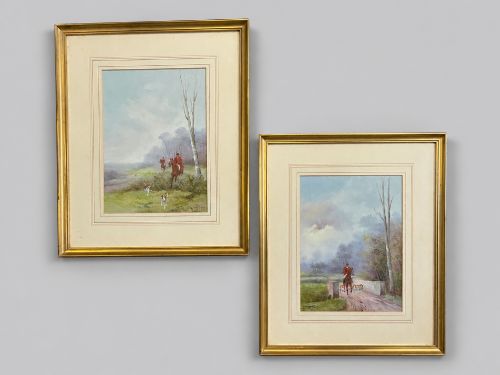
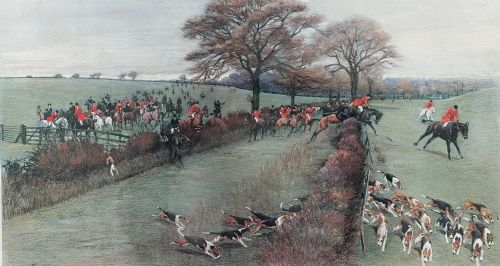
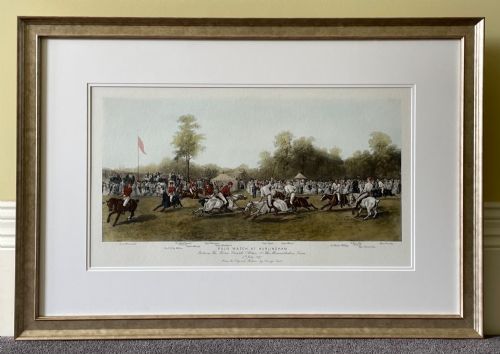
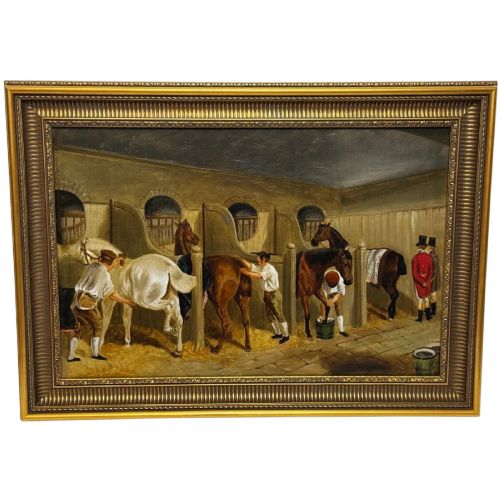
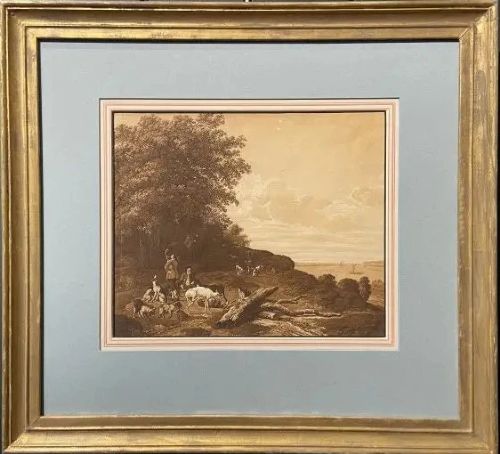
Buyers encountering this selection will frequently find nineteenth-century and Edwardian equestrian or hunting subjects alongside portraits and topographical studies. These works range from small domestic watercolours to large decorative prints housed in gilt or oak frames.
The category bridges fine art reproduction and original graphic works, offering framed visual records of past tastes, sporting pursuits, and domestic interiors. Each piece relies on the combination of a historic image and its period enclosure to establish its presence.
Materials and technique
Makers utilised paper, canvas, and wood as the primary physical foundations for these works, applying ink, watercolour, or oil paint depending on the medium. Lithography, engraving, and mezzotint techniques allowed workshops to produce detailed pictorial surfaces that were subsequently mounted behind protective glass.
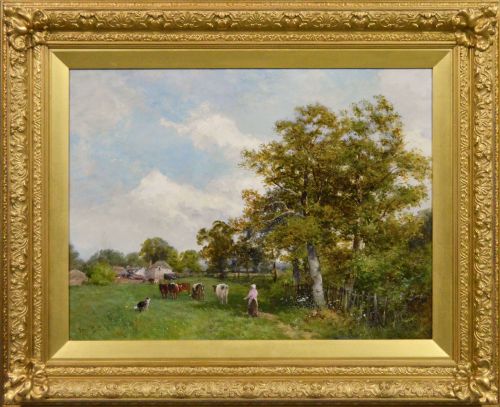
Enclosures typically consist of wood, frequently finished with gilt or gilding to enhance the visual weight of the framed artwork. Carved timber and simpler oak mouldings provide structural support while framing the paper or canvas components.
Traditional Framed Picture Print Retail Price Guide 2026
Typical asking prices for traditional framed picture print among the pieces listed under this phrase on Sellingantiques today, from the lower quarter to the upper quarter. They describe what is for sale here now, not the wider market.
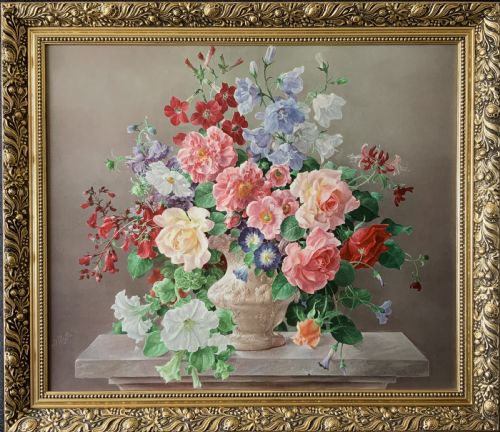
Listings feature works spanning the seventeenth century through to the mid-twentieth century, encompassing sporting art, portraits, and botanical subjects.
Factors of quality
Quality rests upon the clarity of the printed impression or the skill of the hand-applied pigment, where distinct plate marks and crisp lines distinguish finer graphic work from softer reproductions. The preservation of the paper surface, free from excessive discolouration or damp damage, defines a superior example.
The integrity and period compatibility of the frame also determine the standing of a piece, with original gilt wood or carved surrounds holding greater authority than later replacements. The direct relationship between the maker of the image and the quality of its presentation dictates the overall standard.
Eugene James Tily·Cecil Charles Windsor Aldin·David Bates·Anton Weiss·Harold Clayton·John Frederick Herring Snr·Charles Edward Wilson·Charles Faulkner·Alfred Wheeler
The Traditional Framed Picture Print Glossary
- Mezzotint
- A printmaking process where the copper plate is roughened to achieve rich tonal gradations and deep shadows. This technique produces velvety dark areas and smooth highlights.
- Lithograph
- A planographic printing method using a stone or metal plate on which the image area attracts ink. It allows for detailed reproductions of original watercolours and drawings.
- Oleograph
- A textured colour print produced by chromolithography to simulate an oil painting on canvas. These works often carry surface varnish and canvas grain.
- Engraving
- A technique where an artist cuts lines directly into a metal plate with a burin to hold ink. The resulting impressions display exceptional line definition and permanence.
- Gilt wood
- Timber treated with a thin layer of gold leaf or metallic powder to create a reflective decorative surface. It is commonly found on nineteenth-century picture frames.
Traditional Framed Picture Print: Frequently Asked Questions
How do I identify a true period print?
Examine the paper quality, ink saturation, and plate marks under magnification to check for traditional printing characteristics rather than modern dot-matrix patterns. Period framing materials and backing boards also offer reliable indicators of age.
Paper from earlier centuries typically exhibits natural ageing, distinct watermarks, and hand-applied colour where applicable, separating genuine historical pieces from later decorative reproductions.
Were these always framed in wood?
Most historical wall art relied on wooden surrounds to protect the edges of the paper or canvas and to provide structural rigidity for hanging. Oak, pine, and carved timbers formed the basis for these enclosures.
Many frames received applications of gesso and gold leaf to create ornate gilt finishes that complemented the domestic interiors of the Victorian and Edwardian eras.
How should I hang these pieces safely?
Use secure picture hooks rated for the combined weight of the wood, glass, and paper components, ensuring the fixing enters solid wall material rather than plaster alone. Hang pieces away from direct sunlight to prevent fading of watercolours and printed inks.
Maintaining stable indoor humidity levels protects both the wooden frames and the paper supports from warping, foxing, or structural degradation over time.
What distinguishes an engraving from a lithograph?
An engraving is produced by cutting lines into a hard metal plate, resulting in inked impressions that sit slightly raised within the dampened paper surface. This creates a distinct plate mark around the image.
A lithograph relies on a chemical greasy crayon drawing made on a flat stone or metal surface, producing smoother tonal transitions without the deep intaglio grooves characteristic of engraved lines.