



Traditional Framed Artwork
Traditional framed artwork brings together historic paintings, prints and watercolours set in wood and gilt surrounds.
Traditional Framed Artwork
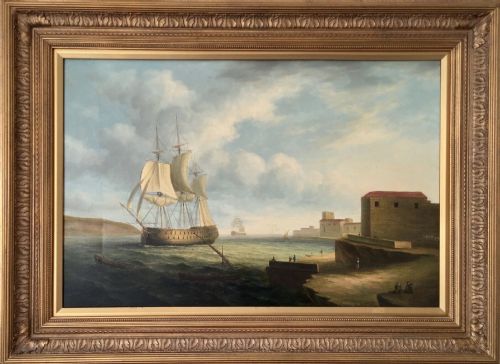
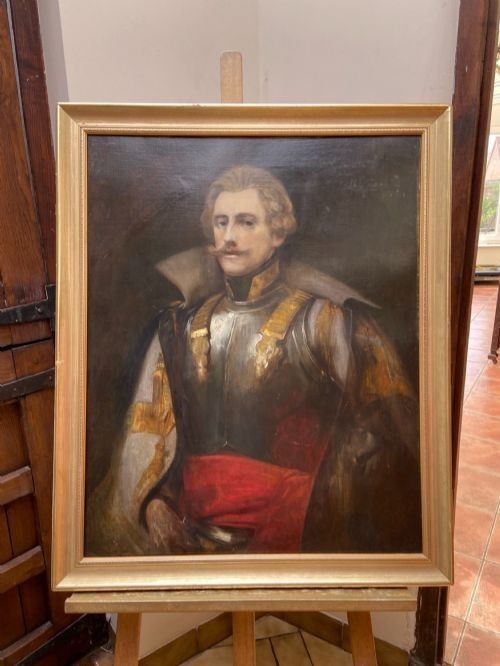
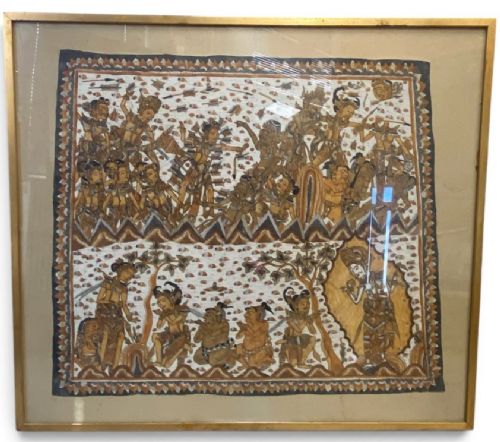
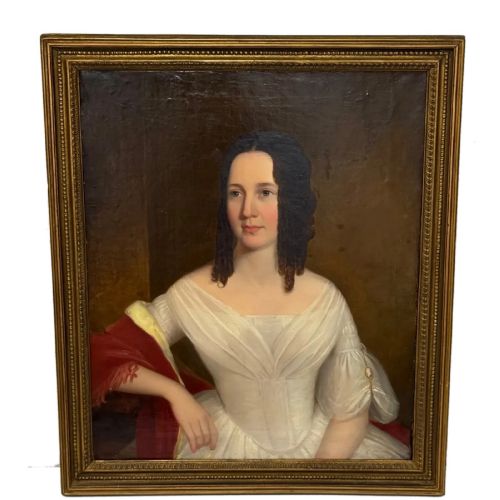
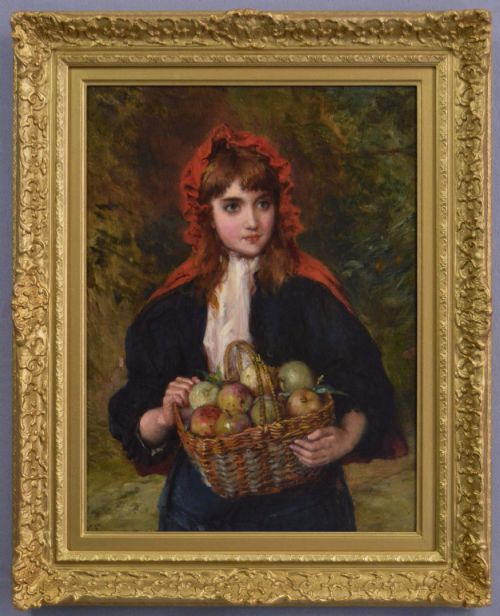
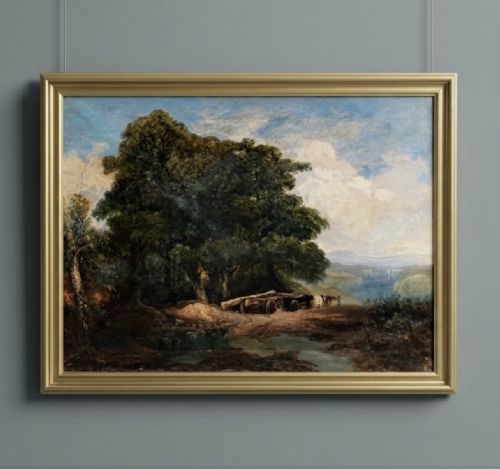
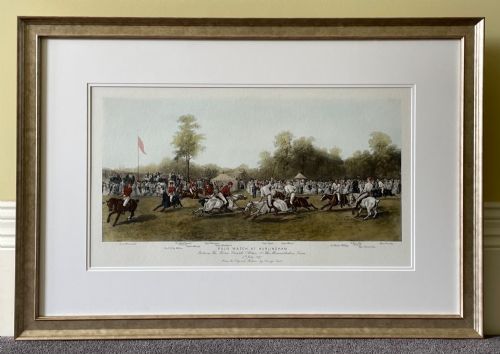
Traditional framed artwork encompasses paintings, prints and watercolours housed within period surrounds of wood, gilt or gesso. When searching for traditional framed artwork, collectors encounter oil paintings on canvas, wood panels and board alongside watercolours and woodblock prints spanning several centuries. Portraits, landscapes, still lifes and marine scenes form the core of these pieces, reflecting the subjects favoured by past artists.
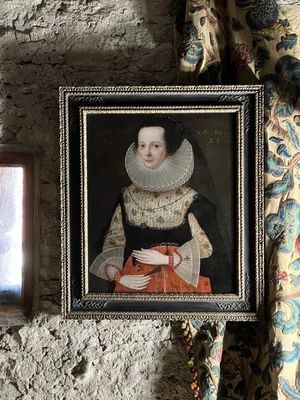
The objects on this page originate from periods such as the eighteenth, nineteenth and early twentieth centuries, alongside classical and Victorian styles. Works attributed to named artists share space with pieces from the English, French and Flemish schools. Buyers frequently meet oil portraits of noblewomen, romantic landscapes of Scottish scenery, and floral still lifes displayed in their original mountings.
Materials and construction methods
Makers utilised oil paint on stretched canvas, wooden panels and board, applying pigments to capture light and texture in portraits and landscapes. Watercolours on paper and Japanese woodblock prints represent the works on paper found within this category. Frames were constructed from timber, often finished with gilt wood, gesso or oak surrounds designed to complement the artwork within.
Techniques range from classical brushwork in oils to woodblock carving and mezzotint engraving. Canvases are secured within traditional joinery frames, sometimes featuring elaborate moulding or decorative gilt gesso detailing that matches the period of the piece.
Traditional Framed Artwork Retail Price Guide 2026
Typical asking prices for traditional framed artwork among the pieces listed under this phrase on Sellingantiques today, from the lower quarter to the upper quarter. They describe what is for sale here now, not the wider market.
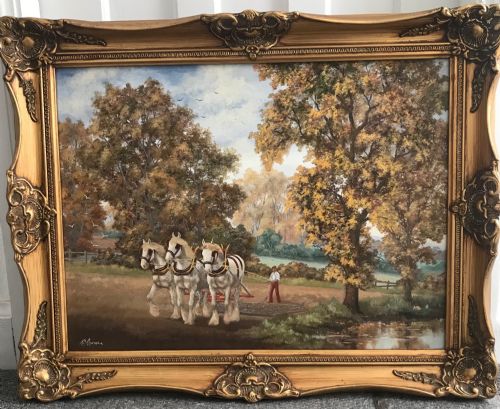
Cats, kittens, racing pigeons and shire horses quietly share wall space here alongside aristocratic portraits and solemn landscapes.
Distinctions in quality and execution
Quality in traditional framed artwork rests on the execution of the brushwork, the depth of composition and the integrity of the original materials. Finer oil paintings demonstrate confident handling of light, shade and anatomical proportion in portraits or natural elements in landscapes. Lesser pieces may show rigid forms or flat application of pigment lacking tonal variation.
The relationship between the artwork and its frame also determines standard. Original matching gilt wood or gesso frames that retain their historic finish elevate a piece above one housed in a replacement or poorly fitted surround. The clarity of the artist's signature or the documented attribution to a recognised school further separates standard decorative items from significant works.
William Oliver·Richard Sebastian Bond·William Beattie-Brown·Jozsef Molnar·William H Myers·Percy Lancaster·Hokusai·William Howard Hardy·George Willison·James Watson·Sir Joshua Reynolds·John Horace Hooper·William McAlpine·Reginald Arthur Borstel·A Marie Parsons·William Joseph Shayer Senior·Alfred Fontville de Breanski Jr·EJ Letheren·Edward Mills
The Traditional Framed Artwork Glossary
- Gesso
- A plaster-like mixture applied to wood frames to create a smooth surface for gilding. This material was moulded into decorative patterns popular in period frames.
- Oil on Canvas
- Pigment mixed with drying oil applied to a woven fabric support. This technique allowed artists to build rich textures and layers of colour.
- Mezzotint
- A printmaking process where the copper plate is roughened to achieve dark tones and smoothed areas to create highlights. It was frequently used for reproducing portraits.
- Woodblock Print
- A relief printing technique where an image is carved into a block of wood, inked and transferred to paper. Japanese examples are notable for their refined line work.
- Still Life
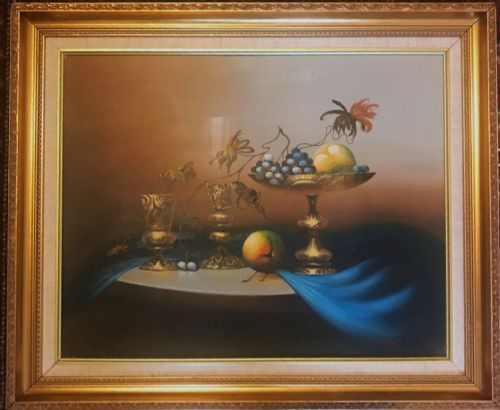
- An artwork depicting inanimate subject matter, typically commonplace objects such as fruit, flowers or domestic items. These compositions focus on arrangement and light.
Traditional Framed Artwork: Frequently Asked Questions
How do I date a framed artwork?
Dating relies on examining the materials of both the artwork and the frame, including the type of canvas, wood panel or paper used. Stylistic clues within the painting and any inscriptions on the reverse also provide chronological markers.
Frame construction methods, such as joinery and the composition of the gesso, often match the period of the artwork itself.
Are these artworks original pieces?
The listings include original hand-painted oils on canvas and board, original watercolours, and period prints such as woodblocks and mezzotints. Each piece dates from the era assigned to it rather than being a modern reproduction.
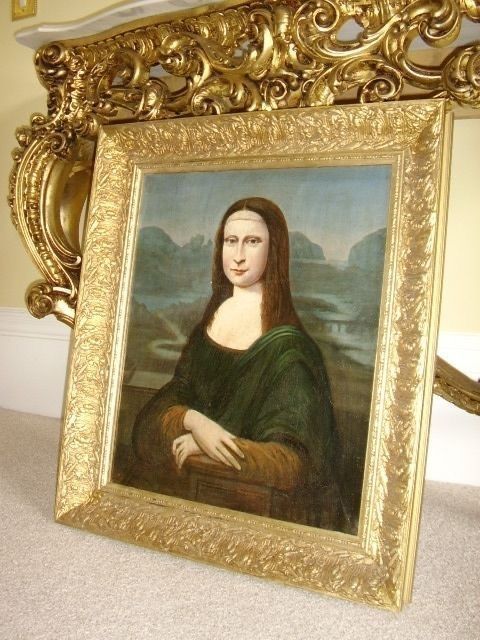
Some works are period interpretations or copies after earlier masters, which are documented in their descriptions.
What frames come with the paintings?
Many works retain their period surrounds, which range from simple oak mouldings to elaborate gilt gesso frames. The description usually notes whether the frame is original to the artwork.
These surrounds are chosen to suit the aesthetic of the period, enhancing the visual presentation of the painting.
How should I care for oil paintings?
Oil paintings require stable environmental conditions away from direct sunlight and excessive humidity. Dusting should be done gently with a soft, dry brush without applying pressure to the canvas.
Avoid using liquid cleaners or chemical agents on the paint surface or the gilt frame.