


Traditional Fox Hunt Artwork
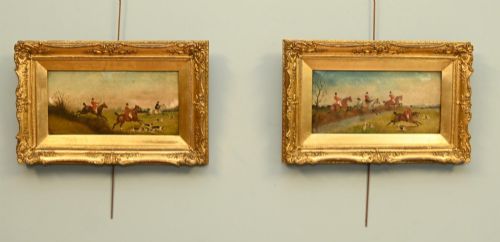
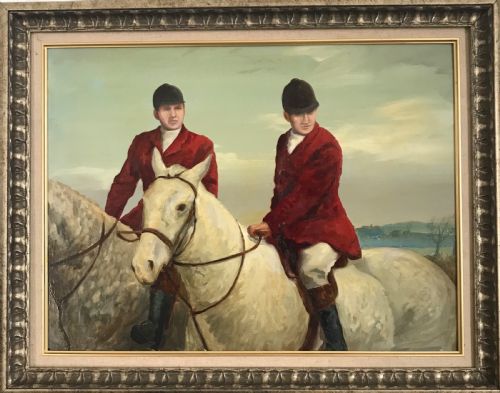
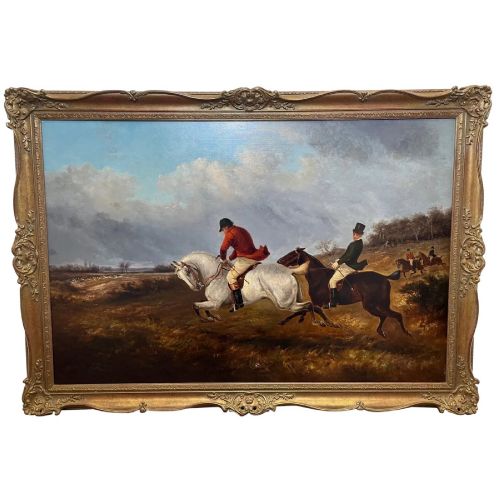
Traditional fox hunt artwork captures horses, hounds and riders in vigorous pursuit across rural landscapes, drawing collectors of British sporting heritage.
Traditional Fox Hunt Artwork
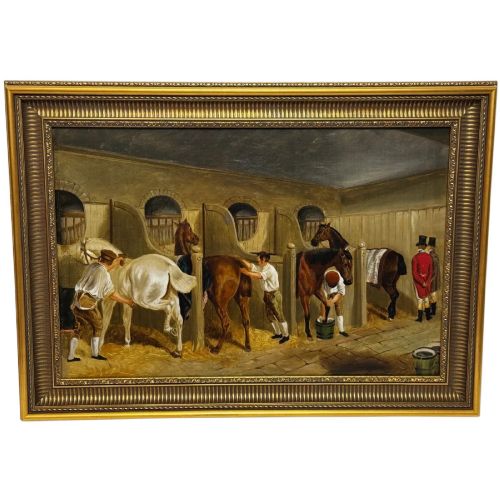
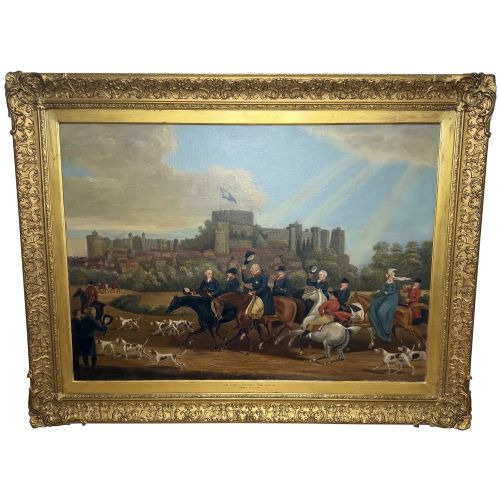
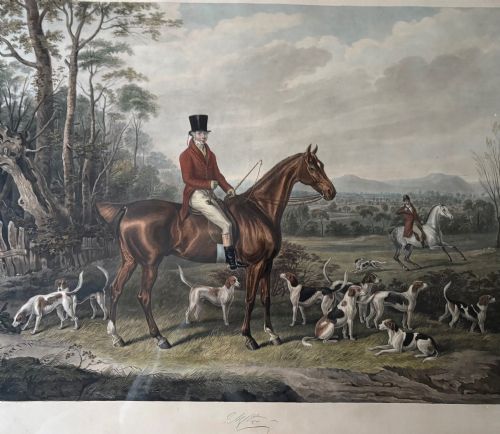
Traditional fox hunt artwork spans nineteenth-century canvases, Edwardian watercolours and vintage prints depicting equestrian scenes, hounds in full cry and rural huntsmen.
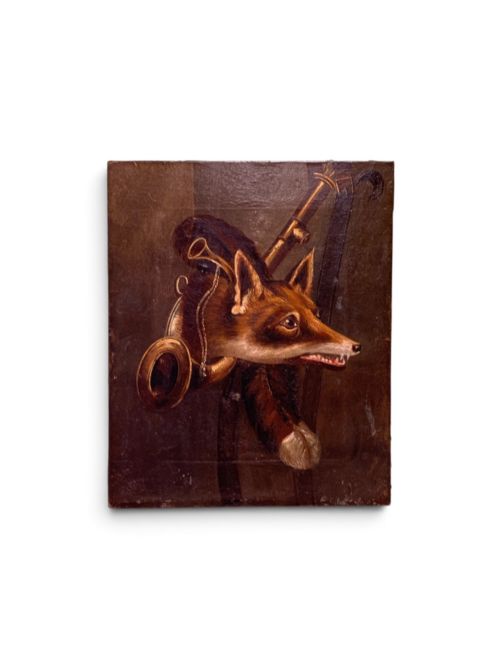
Buyers encounter oil paintings on canvas and wood alongside hand-coloured engravings, chromolithographs and pencil drawings recording historical meets and fast-paced chases.
The selection ranges from detailed Victorian oils of the Berkeley and Quorn hunts to signed works by notable sporting artists from the Georgian era through to the twentieth century.
How traditional fox hunt artwork was made
Artists worked primarily in oil paint on stretched canvas or wooden board, applying layered pigments to render the muscular form of horses, the texture of hounds' coats and winter landscapes.
Watercolour and pencil on paper captured lighter preparatory sketches and finished pastoral scenes, while printmakers utilised engraving plates and lithography to reproduce popular hunting imagery for framing.
A signed signet ring and two wax seals invite you to ponder the correspondence of the notorious John 'Mad Jack' Mytton.
What varies in quality in traditional fox hunt artwork
Quality rests upon the artist's anatomical command of horses and hounds, where superior pieces convey authentic movement, tension and weight rather than stiff or generic figures.
The sophistication of the landscape composition, the handling of light in winter settings and the clarity of printed lines or brushwork distinguish accomplished works from standard decorative reproductions.
Thomas Smythe·John Arthur Lomax·Basil Nightingale·Philip Henry Rideout·George Armfield·Fannie Moody·John Frederick Herring Jnr·John Sanderson-Wells·Charles Clifford Turner·Charles Johnson Payne Snaffles·Guillaume Urban Regamey·George Goodwin Kilburne·H. Alken·Frank Algernon Stewart·Frank Dadd·Edward B. Herberte
The Traditional Fox Hunt Artwork Glossary
- Full cry
- A stage in the hunt where hounds have found the scent and give tongue together in pursuit. This moment is frequently depicted in dynamic paintings and prints.
- Chromolithograph
- A multicoloured print produced using stone lithography plates. This technique allowed Victorian publishers to replicate the vibrant hues of original sporting watercolours.
- Aquatint
- An intaglio printmaking technique that produces tonal areas resembling watercolour washes. It was often employed for early sporting prints before hand colouring.
- Equestrian art
- Depictions focused primarily on horses and riders. Within this category, hunting scenes form a distinct branch of British sporting art.
Traditional Fox Hunt Artwork: Frequently Asked Questions
What periods do these hunting artworks come from?
The pieces span the Georgian, Victorian and Edwardian eras, extending into the mid-twentieth century.
Most items date from the nineteenth century when British sporting art reached a peak in popularity and production.
Are these paintings original or prints?
The selection includes both original works, such as oil paintings on canvas and watercolours, alongside period prints.
Engravings, chromolithographs and published plates offer alternative ways to collect traditional sporting imagery.
How should I frame historic sporting art?
Traditional gilt wood frames complement nineteenth-century oils and watercolours, matching the period aesthetic of the artwork.
Prints typically require conservation mounting behind glass to protect paper from environmental damage over time.