

Traditional Folk Art
Traditional folk art brings domestic utilitarian objects and naive carvings into the interior, connecting us directly to rural maker traditions.
Traditional Folk Art
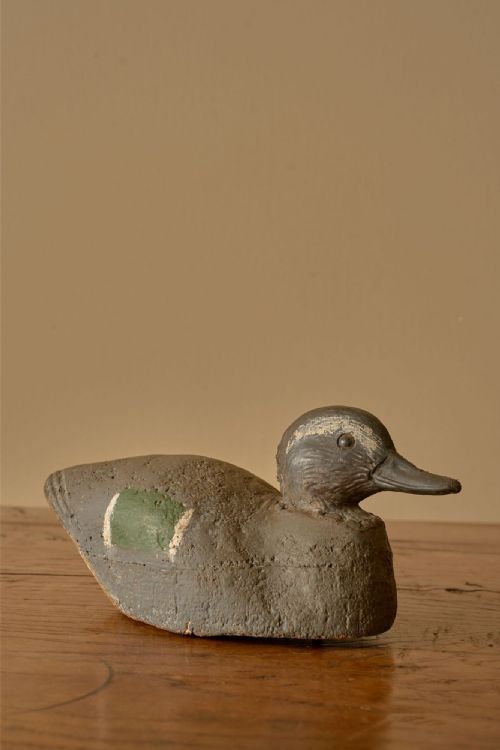
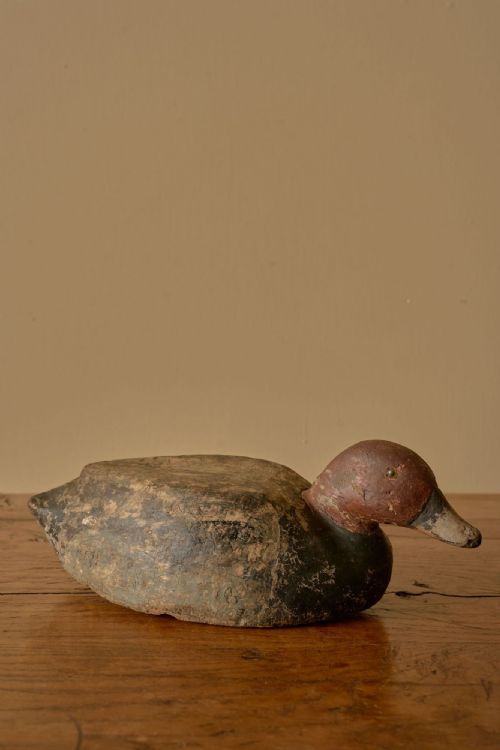
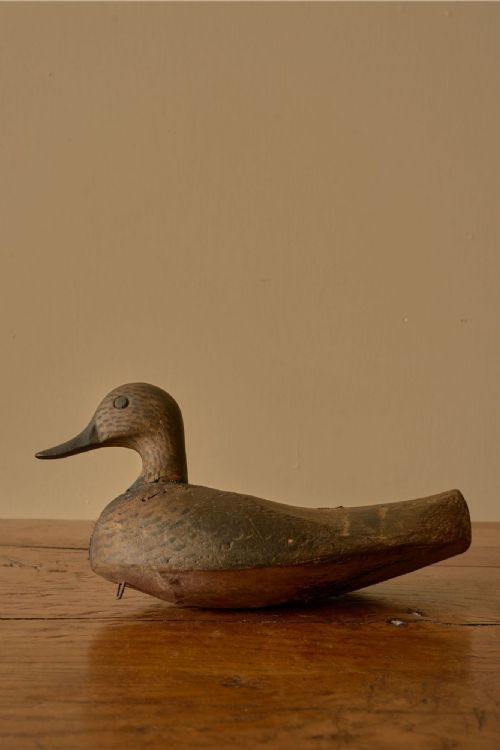
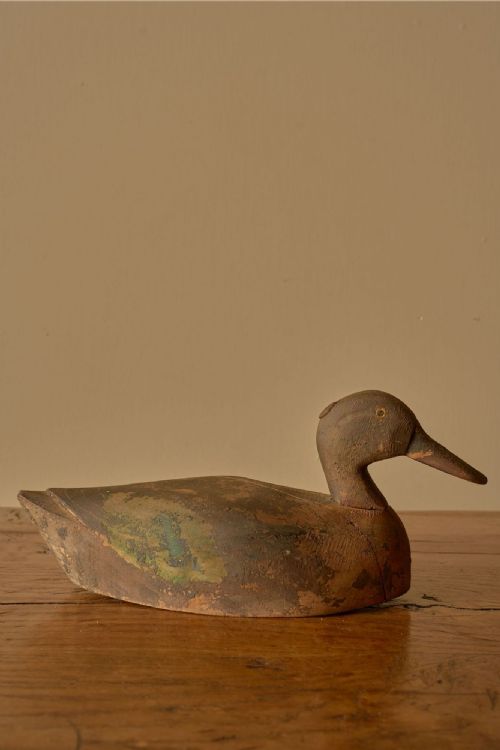
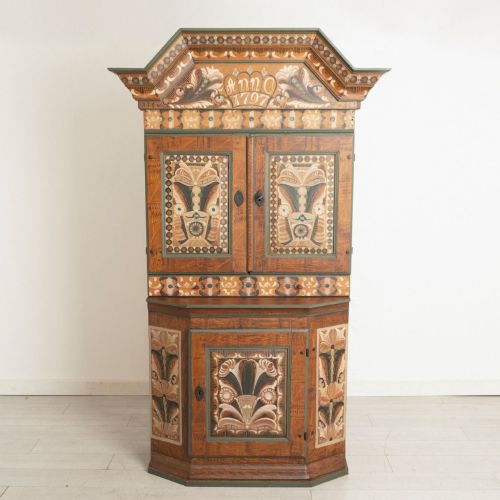
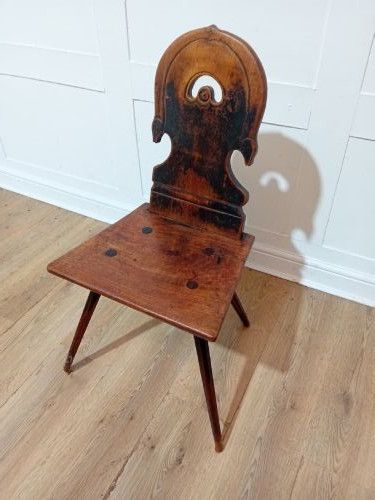
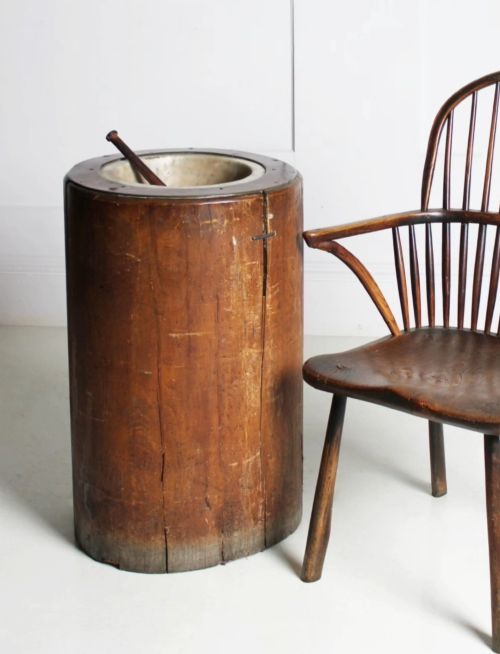
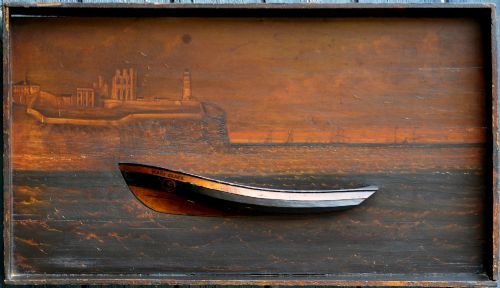
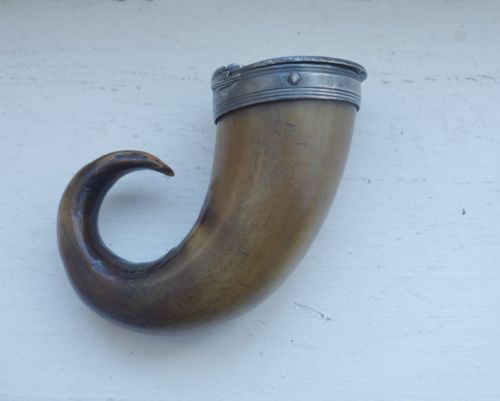
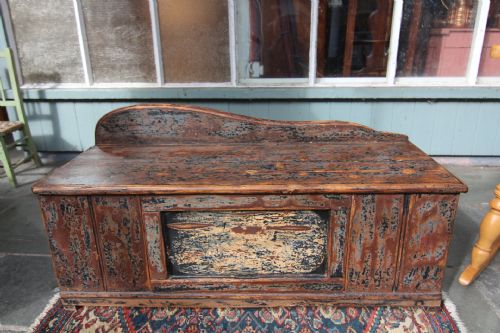
Traditional folk art encompasses utilitarian household goods, naive figures, and regional domestic items made by non-professional makers for everyday use. When searching for traditional folk art, buyers encounter painted pine chests, chip-carved foot stoves, wooden decoys, and vernacular seating from various regional traditions.
The objects span the eighteenth, nineteenth, and early twentieth centuries, drawing heavily on British, Scandinavian, and broader European vernacular aesthetics. Forms range from utilitarian dairy bowls and knitting sheaths to decorative objects and small sculptures.
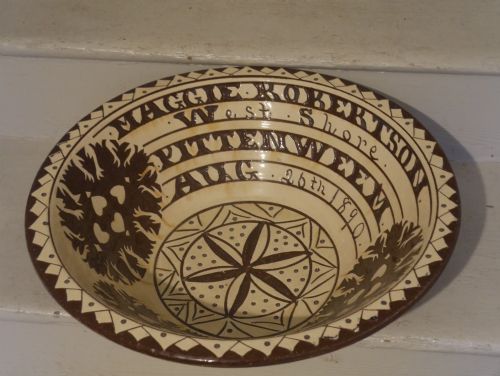
Regional variations define the selection, including Scottish dairy bowls, Frisian foot stoves, and Cumbrian knitting sheaths. These pieces reflect the domestic habits and local material cultures of their respective periods.
Materials and construction methods
Makers utilised accessible local timbers such as pine, oak, fruitwood, and general hardwood, shaping them with basic hand tools. Woodwork frequently incorporates chip carving, punchwork decoration, and hand-forged iron strapwork for reinforcement.
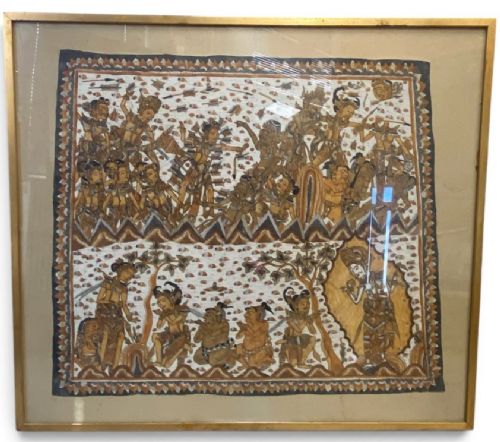
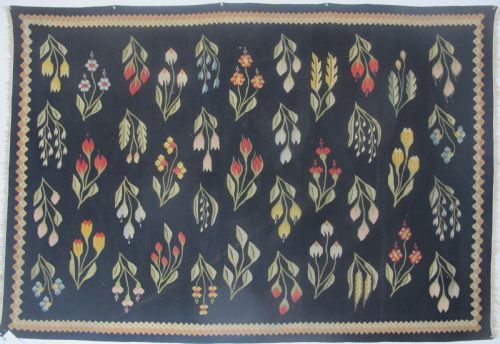
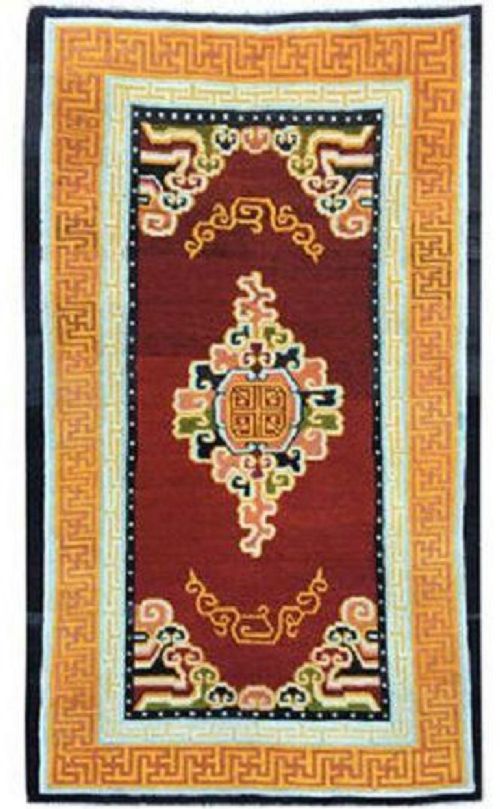
Surface finish relies heavily on applied paint, slipware glazes, and natural oil treatments that age with daily handling. Textiles and organic materials like tanned seal skin and wool appear in specific regional rugs, tapestries, and sculptures.
A tiny wooden toy rattle survives from the nineteenth century to remind us that children centuries ago needed something noisy to shake.
Factors of quality in folk items
Quality rests on the directness of the carving and the integrity of the original surface finish, whether painted or bare timber. Pieces that retain their authentic tool marks and untouched patination demonstrate superior visual honesty.
Structural survival without heavy modern intervention separates robust examples from over-restored items. The clarity of regional attribution, particularly in chip-carved or naive sculptural work, elevates specific objects.
Holley Bros·J Brown·R.D. Roberts·Seaton Pottery·Verwood Pottery
The Traditional Folk Art Glossary
- Vernacular
- Everyday objects made by local craftsmen for regional use rather than high-style workshop production. These items prioritise function and local material availability.
- Treen
- Small handmade wooden household objects and utensils. This category includes items like knitting sheaths, small boxes, and children's toys.
- Slipware
- Earthenware pottery decorated with a liquid clay slip before firing. It frequently appears on utilitarian bowls and storage vessels.
- Chip carving
- A technique of removing small chips from a wooden surface with a knife to create geometric patterns. It is common on European domestic boxes and foot warmers.
- Naive art
- Artistic work produced by a person without formal training, often displaying a direct perspective and unconventional proportions. It characterises many early figures and portraits.
Traditional Folk Art: Frequently Asked Questions
What defines traditional folk art?
Traditional folk art consists of utilitarian and decorative objects made by rural artisans using regional materials and vernacular methods.
These pieces prioritise practical domestic utility and naive expression over academic artistic conventions.
How were wooden foot stoves used?
Wooden foot stoves held hot embers inside a metal or earthenware container to keep feet warm during cold weather or church services.
Perforated wooden lids allowed heat to escape gently into heavy skirts or blankets.
What is a knitting sheath?
A knitting sheath is a small wooden device tucked into a belt or apron string to hold a working knitting needle steady.
Cumbrian and regional makers often decorated them with punchwork and carved details.
How do I date painted pine furniture?
Dating relies on construction joints, hardware like hand-forged iron strapwork, and the composition of the original paint surface.
Nineteenth-century examples frequently show wear patterns consistent with generations of domestic use.