




Traditional Folk Art Chair
These traditional folk art chair examples bring regional character and unpretentious charm into a room, offering distinct historical narratives through vernacular design.
Traditional Folk Art Chair
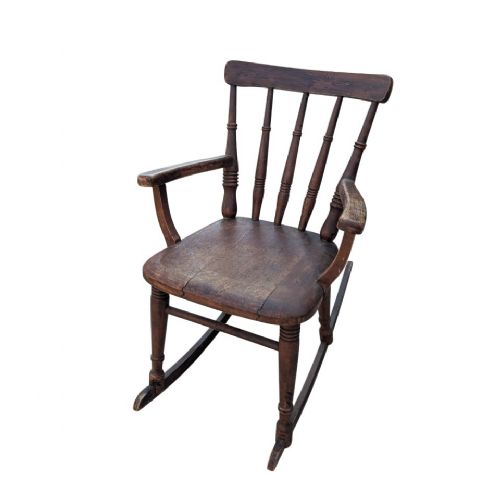
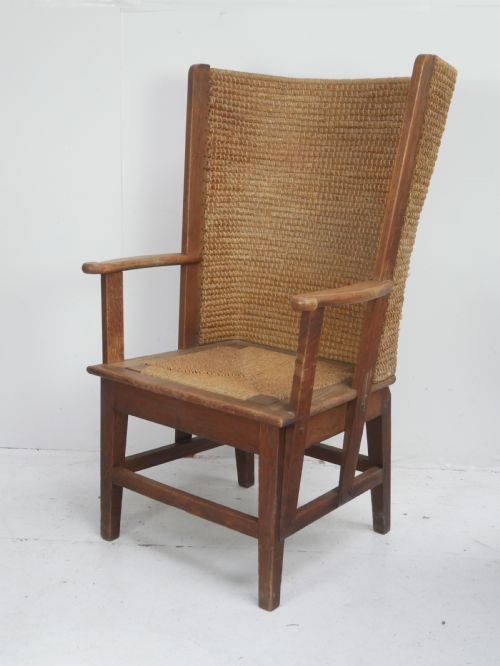
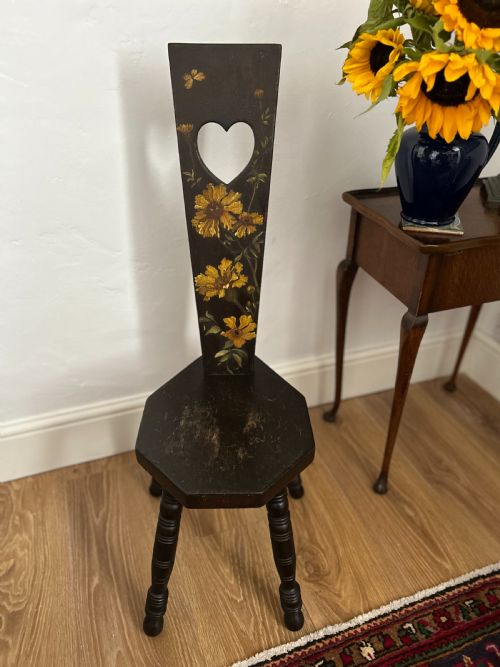
When you search for a traditional folk art chair, you encounter a diverse array of seating rooted in regional vernacular traditions rather than formal academic design. The selection ranges from Orkney armchairs and Welsh spinning chairs to Swedish country rocking chairs and Swiss Alpine escabelle seating.
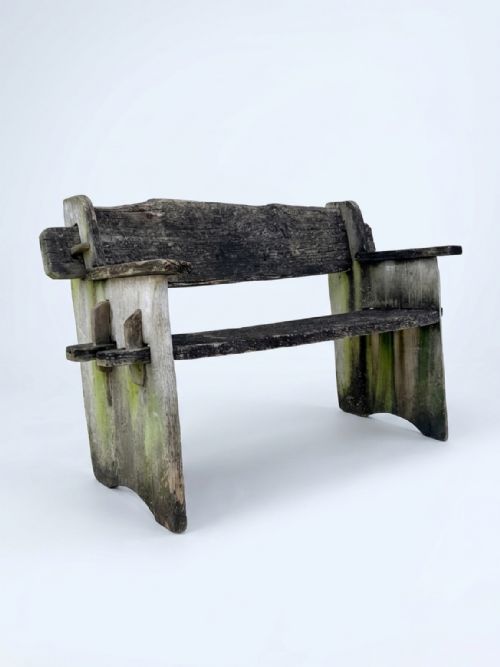
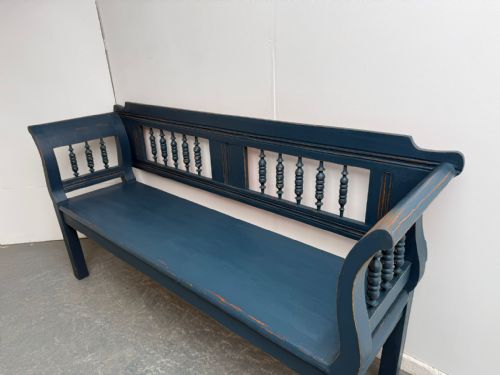
The pieces appearing most frequently reflect European and British country traditions, spanning the eighteenth, nineteenth, and early twentieth centuries. Forms encompass armchairs, side chairs, rocking chairs, benches, and children's high chairs made for domestic daily life.
Assessing quality in folk seating
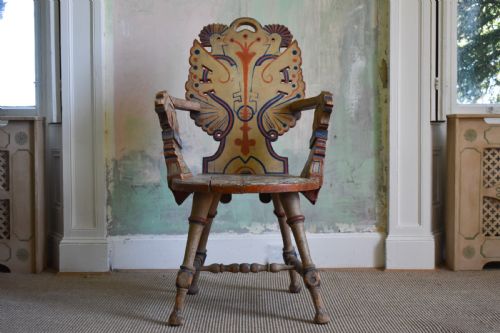
Quality rests upon the integrity of the original construction, the survival of authentic surface finishes like original paint, and the coherence of regional vernacular details. Pieces that retain their unblemished structural character and honest patination stand apart.
The skill of the local maker dictates the refinement of turned elements, such as bobbin legs or spindle backs, and the tightness of straw or rush weaving. Greater regional specificity and untouched historical surfaces elevate a piece above standard utility items.
Listings span the eighteenth century to the early twentieth century, incorporating pine, oak, ash, beech, straw, and rush.
The Traditional Folk Art Chair Glossary
- Vernacular
- Architecture and furniture built by local artisans using traditional methods and local materials, reflecting regional culture rather than high-style academic design.
- Súgán
- A traditional Irish term for twisted straw or hay rope used to create plaited, flexible seats on primitive chairs.
- Escabelle
- A traditional type of box-base or panel-backed wooden chair originating in Alpine regions.
- Bobbin
- A turned furniture detail resembling a string of spools or bobbins, commonly found on nineteenth-century country chairs.
- Spindle back
- A chair back constructed with a series of thin, turned wooden rods connecting the crest rail to the seat.
Traditional Folk Art Chair: Frequently Asked Questions
What is an Orkney chair?
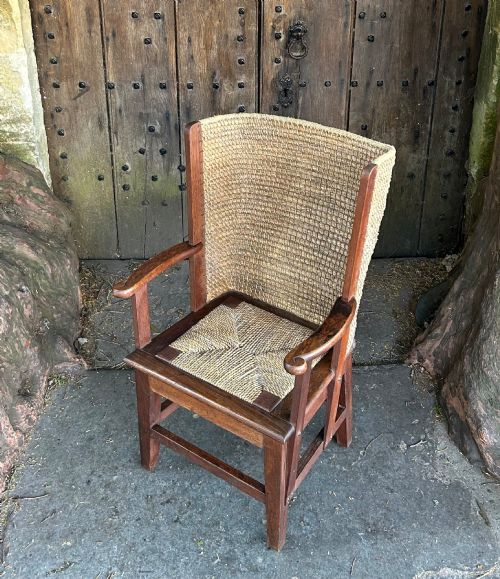
An Orkney chair is a distinctive vernacular armchair characterised by a high, rounded back traditionally woven from oat straw over a wooden frame.
These pieces originated in the Orkney Islands to protect sitters from cold draughts in stone cottages.
How do I care for old painted wood?
Preserve original painted surfaces by keeping chairs away from direct sunlight and maintaining stable indoor humidity levels.
Dust gently with a dry, soft cloth and avoid chemical polishes that might lift historical paint layers.
What is a spinning chair?
A spinning chair is a low-seated country chair, often featuring a carved backrest, designed historically for comfort while operating a spinning wheel.
Over time, they became decorative household items appreciated for their compact proportions and intricate woodwork.
Are rush seats original to these chairs?
Rush and straw seating materials are entirely traditional for many European country chairs, serving as flexible, warm alternatives to solid wood.
Original woven seats show consistent wear patterns and ageing that match the timber frame.
How can I date a primitive chair?
Dating relies on examining tool marks, construction joinery like handmade nails or pegged joints, and the wear patination of the wood.
Stylistic markers such as bobbin turnings or specific regional forms also help narrow the period of creation.