


Traditional Fireside Log Bin
These traditional fireside log bin pieces keep your hearth tidy while bringing genuine warmth and historical character to a room.
Traditional Fireside Log Bin
A traditional fireside log bin serves as a practical container for holding firewood beside the hearth, combining utility with period aesthetics. When you examine the options available, you encounter various forms designed to store timber cleanly within a living space.
The pieces on offer span multiple eras, featuring examples from the Georgian, Victorian, and Edwardian periods. Alongside these British pieces, you will find Scandinavian country, French provincial, and rustic farmhouse styles that reflect broader European hearth traditions.
Makers utilised durable substances to withstand heavy use near open flames, resulting in robust vessels that still serve their original purpose today. Whether fashioned as a coopered bucket or a lidded box, each item brings a distinct regional character to the fireplace.
Materials and construction
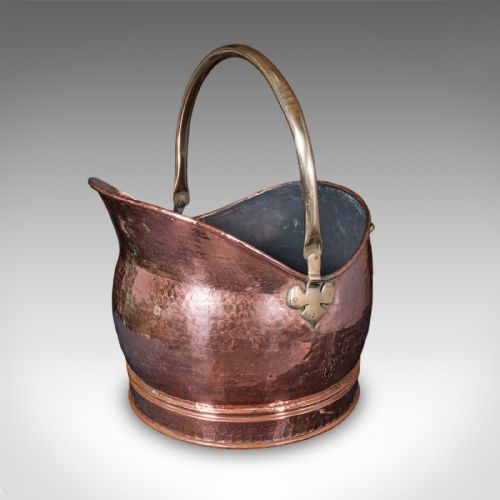
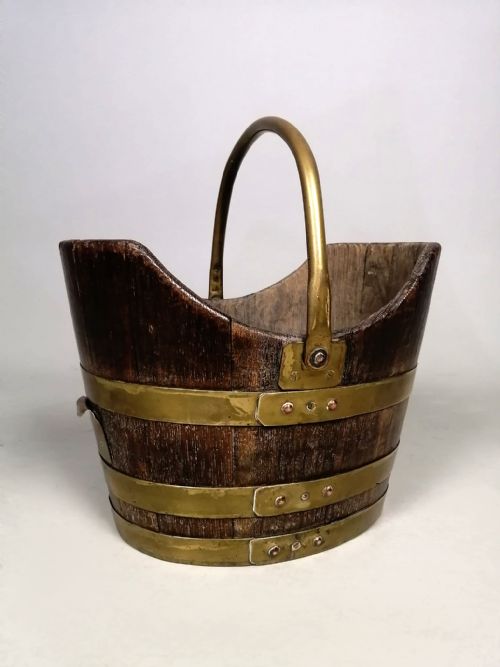
Metal vessels rely on heavy sheet brass and copper, often shaped by hand and accented with riveted seams or sturdy swing handles. These metallic bins frequently incorporate iron swing bails and brass banding to reinforce the structure against heavy loads of wood.
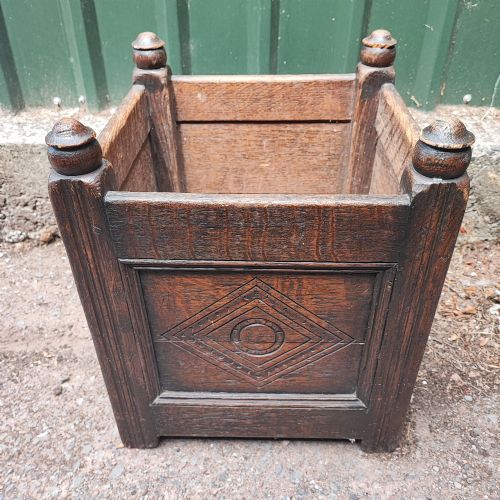
Wooden examples utilise traditional joinery and coopered construction, employing staves of oak, pine, mahogany, and fruitwood held together by tight bands. Artisans finished these wooden bins with hand-rubbed surfaces and sometimes added marquetry or inlay work for decorative effect.
Some copper bins still bear the faint, satisfying dents left by generations of heavy logs dropped carelessly inside.
Assessing quality and craftsmanship
Quality reveals itself in the weight of the metal and the tightness of the cooperage, where thicker copper sheets and well-fitted wooden staves indicate superior craftsmanship. Finer pieces demonstrate careful attention to detail in the handles, hinges, and decorative mounts.
The integrity of the construction dictates the longevity of the piece, with sturdier frames handling the daily weight of logs without loosening at the joints. Original patination and honest signs of age elevate an example above later, more utilitarian reproductions.
The Traditional Fireside Log Bin Glossary
- Coopered
- Made by a cooper using curved wooden staves bound together with metal hoops to form a watertight or sturdy cylindrical container. This technique is commonly seen in traditional fire buckets and log bins.
- Purdonium
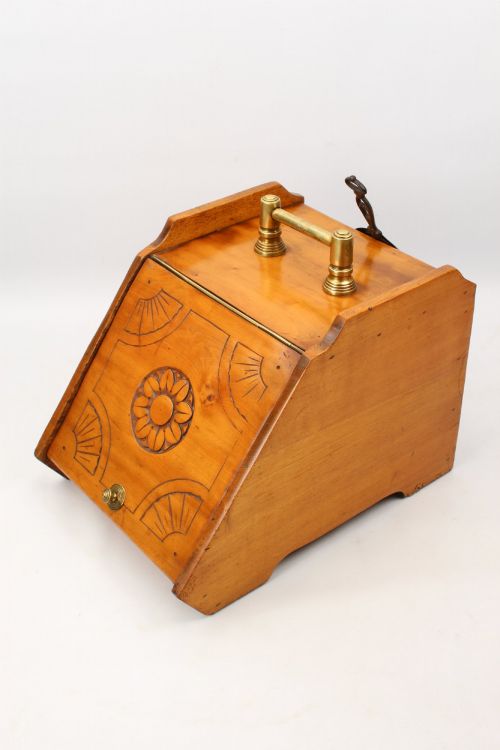
- A dedicated coal or log cabinet featuring a sloping drop-front door and a shovel compartment inside. Edwardian iterations often integrated these into larger wooden pieces of furniture.
- Scuttle
- A metal bucket designed for carrying coal or fuel, typically fitted with a pivoting handle and sometimes a smaller handle at the back for tipping. They range from plain utilitarian items to ornate brass vessels.
- Bail
- The curved metal handle attached to the sides of a bucket or bin for lifting. On fireside pieces, these are often forged iron or heavy brass.
- Inlay
- A decorative technique where contrasting woods or materials are set into the surface of a primary wood. This is frequently observed on mahogany Edwardian cabinets.
Traditional Fireside Log Bin: Frequently Asked Questions
How do I clean a copper log bin?
Copper log bins require gentle dusting with a soft cloth to maintain their structural integrity and surface appearance. Avoid harsh chemical cleaners that strip away the natural patination accumulated over decades.
Allowing the metal to age naturally preserves the historical character of the piece. If polishing is necessary, use a mild cream formulated specifically for antique metals.
Can I use these bins for modern woodburners?
These bins accommodate modern woodburners just as well as they served historical fireplaces. Their sturdy construction handles split logs and kindling without structural failure.
Measure your hearth space and the average size of your firewood before selecting a bin. Different forms offer varying capacities for timber storage.
How do I date a wooden log box?
Dating a wooden log box involves examining the joinery techniques, wood species, and hardware used in its construction. Hand-cut dovetails and pegged joints typically point towards older Georgian or Victorian workmanship.
Stylistic cues such as Edwardian inlay or Victorian turnery provide further clues to the manufacturing period. Compare the wear patterns to ensure the hardware aligns with the era of the wood.