

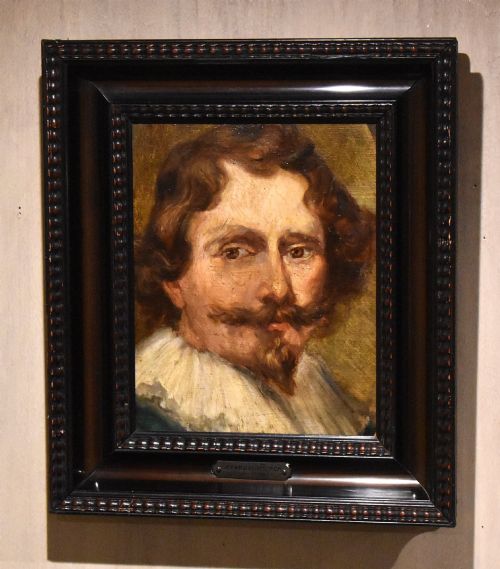
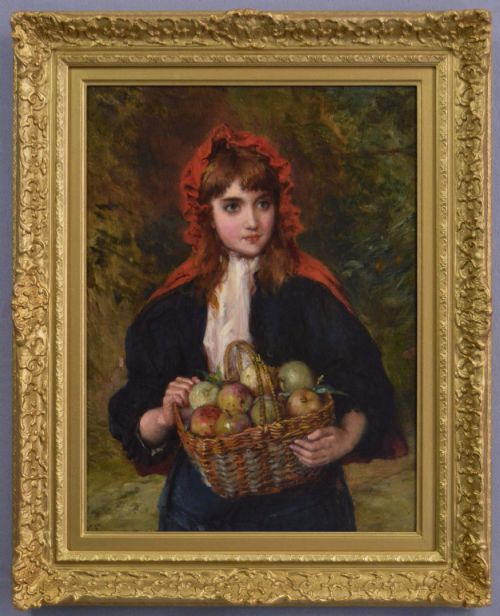
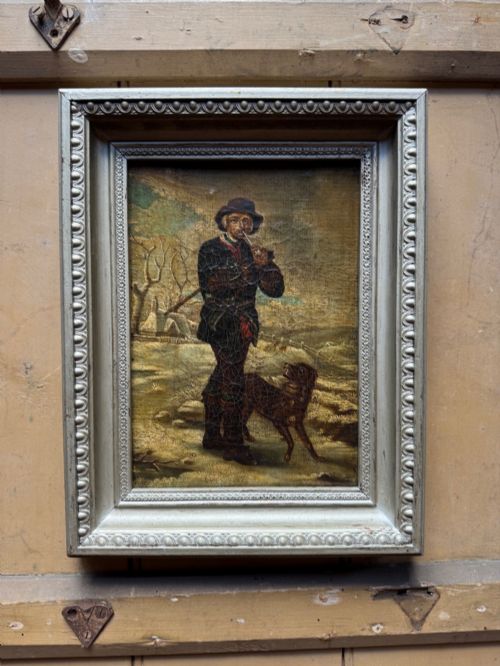
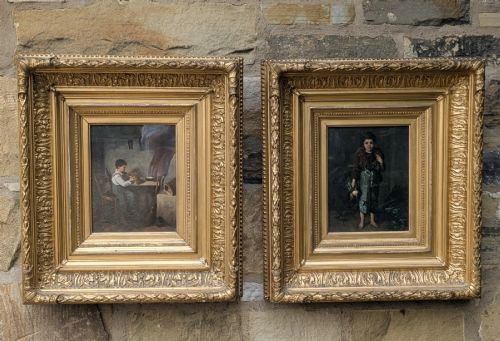
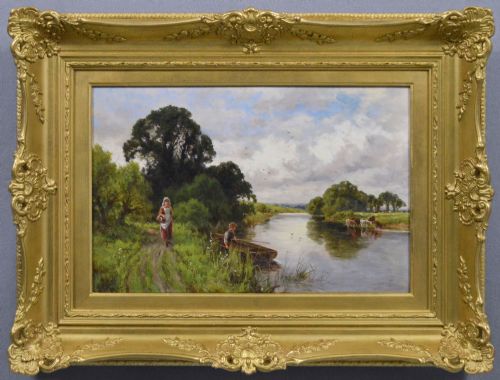


Traditional Figure Oil Painting
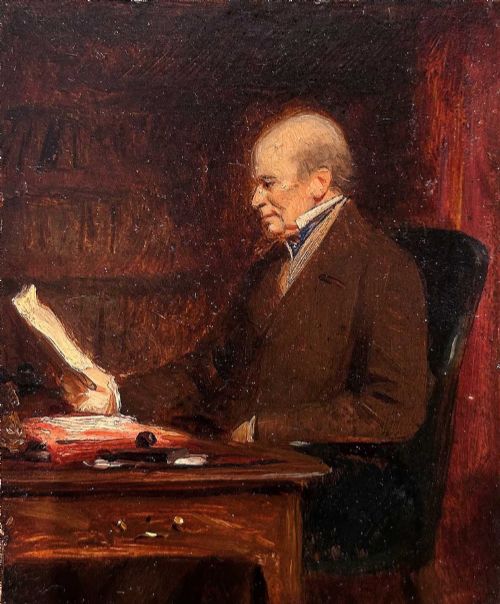
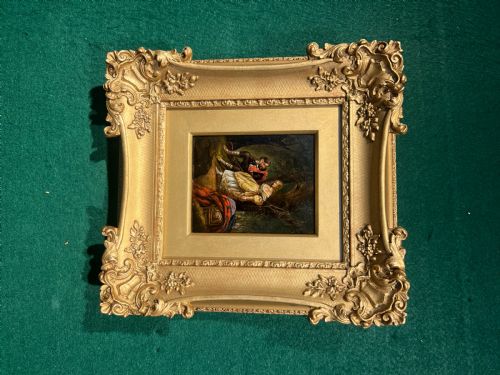
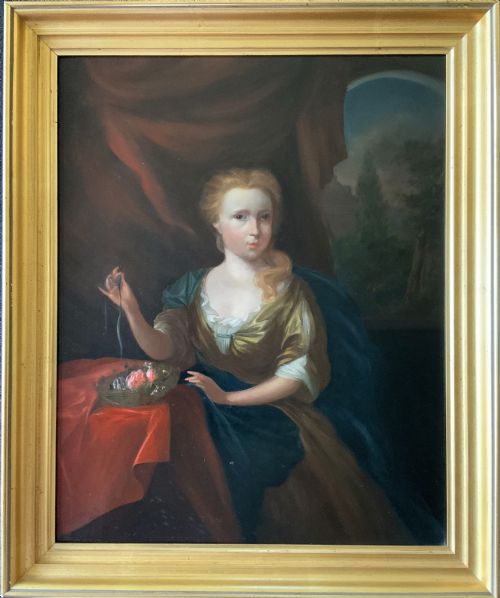
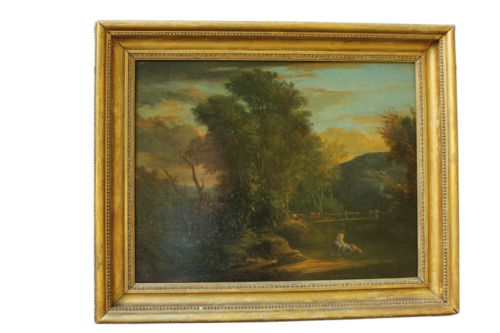
A traditional figure oil painting brings historical character into a room through hand-painted canvas or wood panels depicting people in pastoral or domestic settings.
Traditional Figure Oil Painting
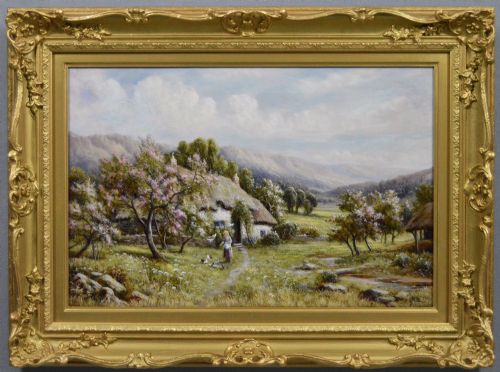
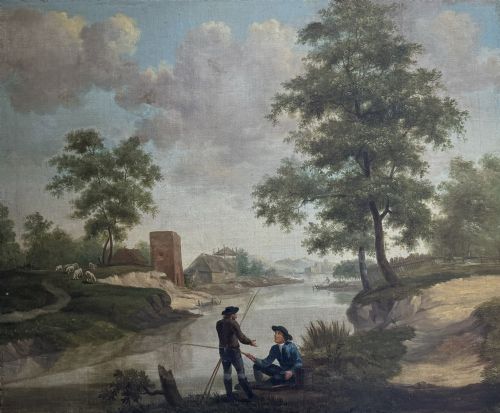
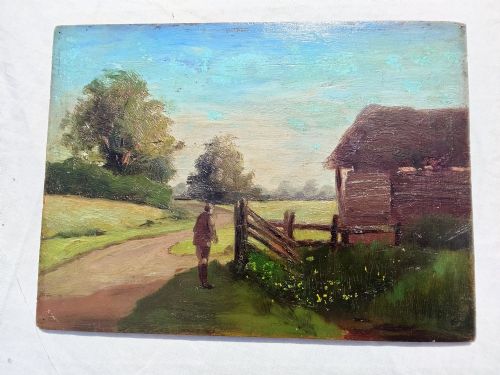
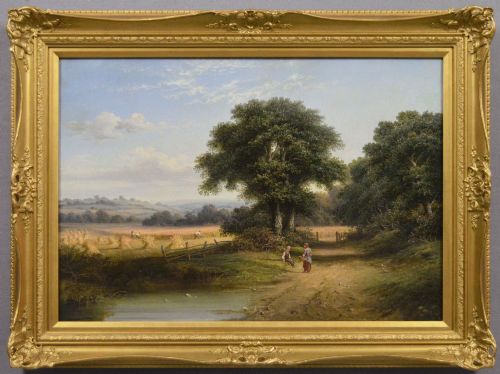
A traditional figure oil painting depicts human subjects within landscapes, coastal views, river scenes, or domestic interiors. These works capture historical clothing, everyday occupations, and romanticised rural scenes.
The pieces available span from the eighteenth century through the Edwardian period, encompassing British, French, Dutch, and Italianate schools. Landscapes with figures, formal portraits, and genre scenes predominate.
Buyers encounter works created during the Victorian and Georgian eras, often framed in period gilt wood. Subjects range from solitary figures by cottages to group scenes of harvesting, travel, or conversation.
What varies in quality
Skill in rendering human anatomy, facial expression, and natural light separates master works from standard school pieces. The treatment of drapery, atmospheric perspective, and fine brushwork indicates the hand of a trained artist.
The integrity of the original surface, including pigment stability and canvas tension, influences the overall standard. Frame craftsmanship, particularly period gilding, adds historical completeness to the artwork.
Traditional Figure Oil Painting Retail Price Guide 2026
Typical asking prices for traditional figure oil painting among the pieces listed under this phrase on Sellingantiques today, from the lower quarter to the upper quarter. They describe what is for sale here now, not the wider market.
Materials documented in the collection include oil paint, canvas, wood panels, copper, and carved giltwood.
William Oliver·Thomas W Lascelles·Robert John Hammond·Walter Heath Williams·Stephen Pearce·Henry H Parker·Thomas Baker of Leamington·Henry John Yeend King·Friedrich von Kaulbach·Johannes Philippus Galjaard·John A Houston·Frank Hyde·Frederick Waters Watts·Herbert Royle·George Turner·Henry Brittan Willis·Alexis De Leeuw·Thomas Rose Miles
The Traditional Figure Oil Painting Glossary
- Canvas
- A heavy woven fabric stretched across a wooden frame to serve as a painting support. It provides the primary foundation for most nineteenth-century works.
- Gesso
- A plaster mixture applied to wood panels or canvas to prepare the surface for oil paint. This ground layer creates a smooth foundation for fine brushwork.
- Genre scene
- A painting depicting everyday life, ordinary people, and domestic activities rather than grand historical or mythological events. These compositions often show figures at work or leisure.
- Giltwood
- Wood carved and coated with a thin layer of gold leaf or metallic paint. Antique frames utilise this material to enhance the presentation of the artwork.
- School
- A group of artists working in a similar style, region, or period, often influenced by a central master. Attributions to a specific school indicate geographical and stylistic origins.
Traditional Figure Oil Painting: Frequently Asked Questions
How should I hang an oil painting?
Hang oil paintings away from direct sunlight and fluctuating heat sources to protect the canvas and paint layers. Secure the frame using appropriate wall fixings that match the weight of the giltwood or wooden surround.
Ensure the piece hangs at eye level in a room with stable humidity. Proper placement preserves both the structural integrity of the stretcher bars and the vibrancy of the pigments.
How do I identify the period of a painting?
Examine the style of clothing, hair, and architectural elements depicted in the composition to establish a general timeframe. Canvas preparation, stretcher construction, and framing techniques offer further clues regarding age.
Signatures, artist inscriptions, and remnant exhibition labels on the reverse side assist in narrowing down the date. Comparing brushwork to documented examples from specific regional schools confirms the historical context.
What is a genre scene in art?
A genre scene depicts everyday people engaged in routine activities, such as working in fields, fishing, or gathering by a cottage. Unlike formal portraiture, the identities of the individuals are typically secondary to the narrative of daily life.
These paintings provide social historians with visual records of past dress, tools, and rural architecture. Artists utilised realistic lighting and careful composition to elevate common moments into enduring works of fine art.