


Traditional Equestrian Decor
Traditional equestrian decor brings together centuries of sporting heritage through oil paintings, hand-carved wooden rocking horses and polished metalware for the country interior.
Traditional Equestrian Decor
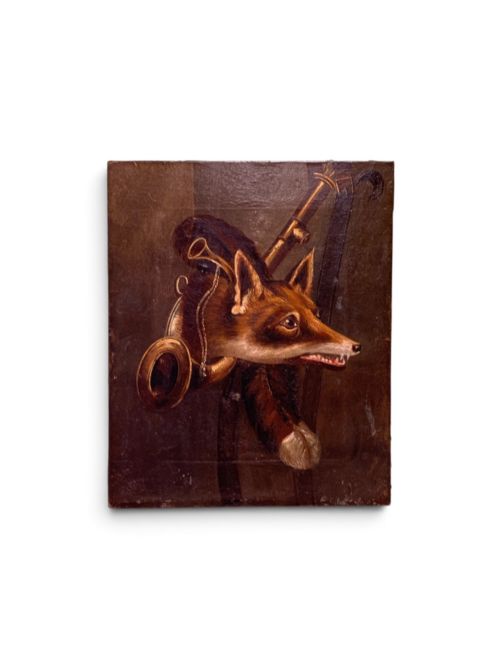
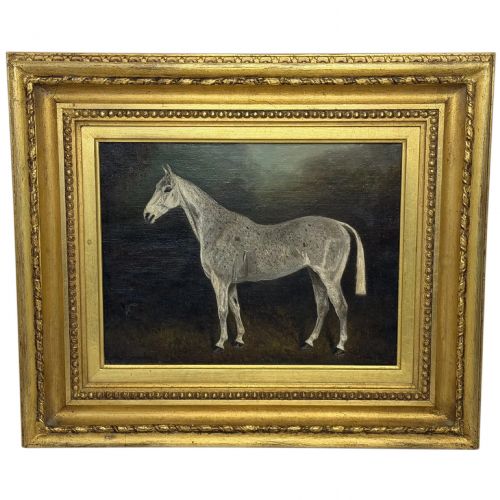
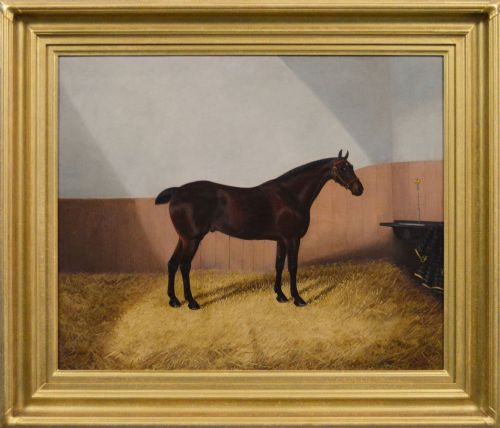
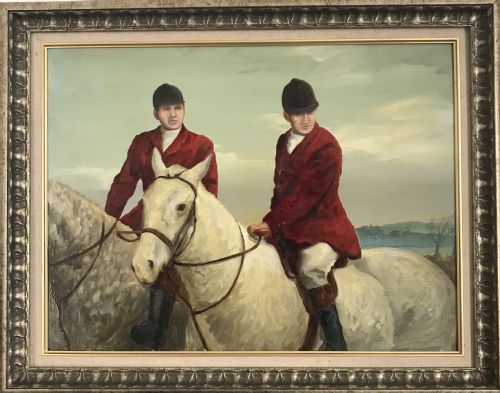
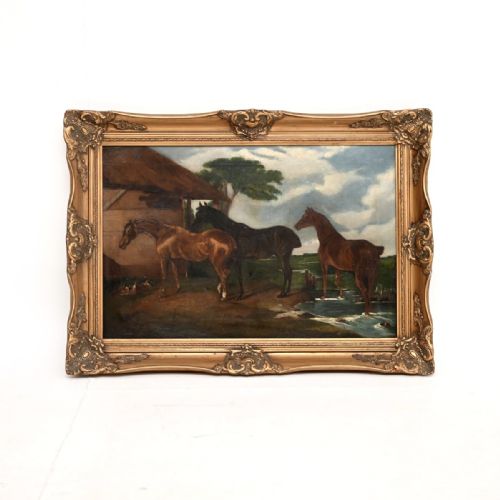
Traditional equestrian decor encompasses oil paintings on canvas and pine panel capturing historic hunts, stable portraits and racehorses from the eighteenth to the twentieth century. These artworks record specific grey hunters, bay horses and celebrated riders in detailed British sporting art styles.
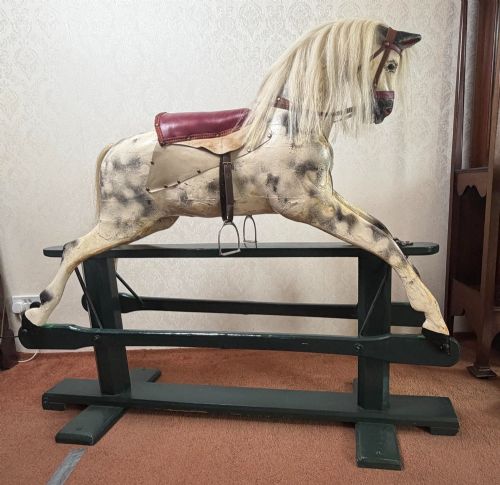
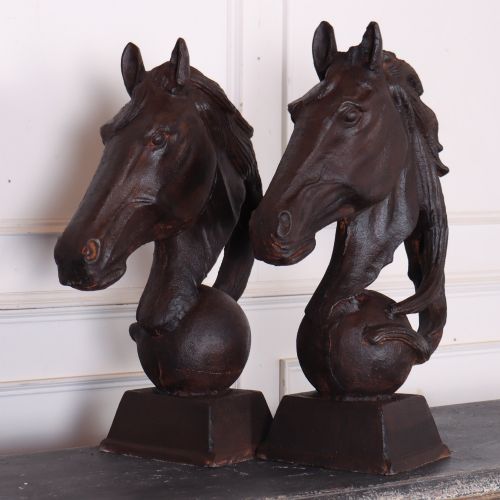
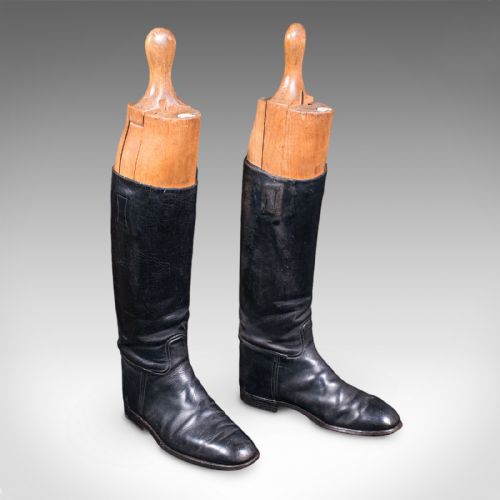
The category also covers three-dimensional pieces such as carved wooden rocking horses in original paint, cast iron horseheads, and leather boots stretchers. Collectors encounter brass martingales, coaching horns, and hunting whips alongside framed prints depicting famous racehorses and coursing scenes.
Materials and construction
Makers utilised oil paint on canvas, paper and pine panels for portraits and landscape scenes, applying pigment to capture the texture of coats and tack. Canvases frequently sit within period frames while prints utilise glass and eglomise techniques.
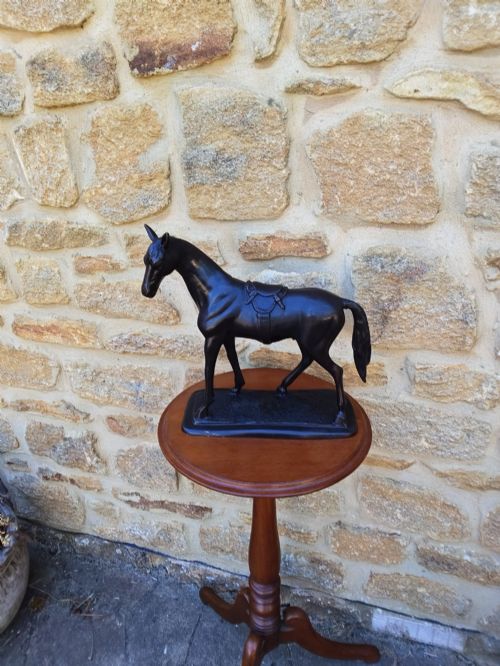
Three-dimensional objects combine carved wood, horsehair, leather and beech with cast iron, brass and copper. Working metal components involve joining, casting and hand-polishing, while tack and whips integrate stitched leather with silver collars.
A nineteenth-century rocking horse stands ready to gallop across the nursery floor without consuming a single bale of hay.
Assessing quality and authenticity
Quality rests upon the fidelity of anatomical drawing in oil paintings and the depth of carving in wooden rocking horses and iron hitching posts. Works signed by documented animal and sporting artists command greater regard for their precision and composition.
Preservation of original surfaces, such as early paint on wooden horses and untouched patination on copper horns and brass martingales, distinguishes superior pieces. Complete accessories, including original rockers and authentic leather components, elevate an object's integrity.
Albert Clark·John Frederick Herring Jnr·Basil Nightingale·William Williams·Charles Faulkner·Benjamin Cam Norton·John Atkinson·Charles Johnson Payne Snaffles·George Goodwin Kilburne·Maxwell London·Swaine Adeney
The Traditional Equestrian Decor Glossary
- Martingale
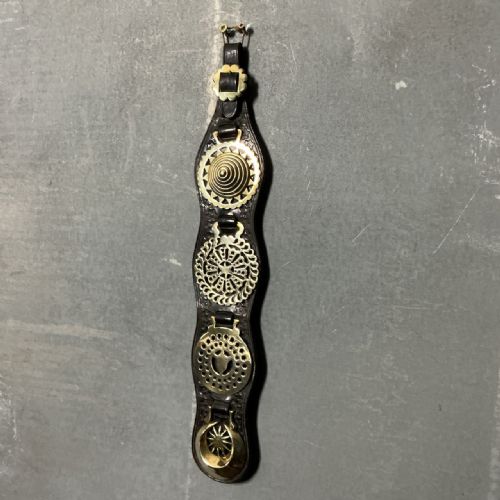
- A strap or harness part decorated with brass ornaments, designed to be hung on a wall as a decorative object.
- Eglomise
- A technique where design and gilding are applied to the reverse face of glass, creating a reflective surface.
- Coaching horn
- A long brass or copper horn sounded by coachmen, often finished with a flared bell.
- Bootmaker's last
- A wooden or leather form shaped on the lines of a foot, utilised by bootmakers to stretch and shape riding boots.
- Grisette
- A term used in equine naming and descriptions, denoting a grey mare.
Traditional Equestrian Decor: Frequently Asked Questions
How do I date an oil painting?
Dating relies on costume details, canvas stretchers and artist signatures recorded in the inventory. Early works often display specific brushwork and pigment traits characteristic of eighteenth and nineteenth-century British art.
Secondary clues include framing styles, handwritten inscriptions on the reverse of the canvas, and the type of linen or pine panel used as a support.
Where were coaching horns displayed?
Coaching horns were originally sounded on mail and stagecoaches to signal arrivals and clearances. In domestic interiors, they found a place mounted on study walls or above fireplaces alongside hunting whips.
Their polished copper and brass construction suited the aesthetic of country houses and sporting rooms during the Victorian and Edwardian periods.
Are rocking horses safe for children?
Antique rocking horses from the nineteenth and early twentieth centuries were constructed for children to ride but are now primarily treated as decorative objects or folk art. Their original rockers and horsehair manes require careful handling.
Buyers intending daily use by children should check structural stability and joint integrity, though many collectors prefer to preserve them in static display.
What is a horse brass martingale?
A martingale is a piece of horse harness that carries polished brass ornaments down the chest of a working animal. Victorians collected and mounted these brasses on leather straps to hang by the hearth.
Individual brasses feature cast motifs of animals, royalty and transport, making them a varied field for decorative display.