


Traditional Entryway Lighting
Traditional entryway lighting sets the tone for a home with brass, iron, and glass fixtures that welcome visitors.
Traditional Entryway Lighting
Traditional entryway lighting encompasses hall lanterns, ceiling lights, wall sconces, and benches designed for corridors and entrance spaces. These pieces establish an immediate impression of period character upon entering a home.
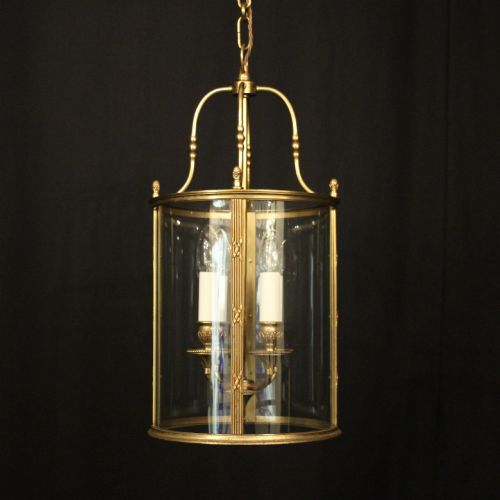
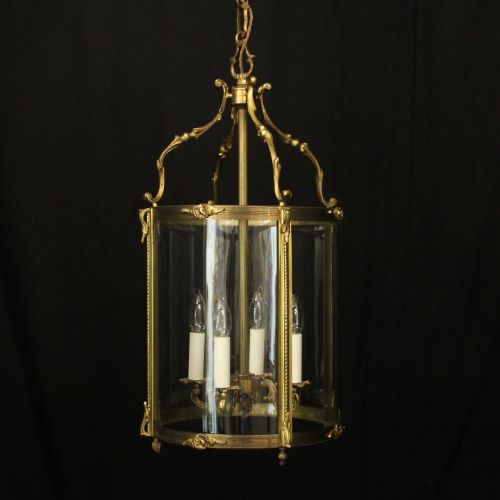
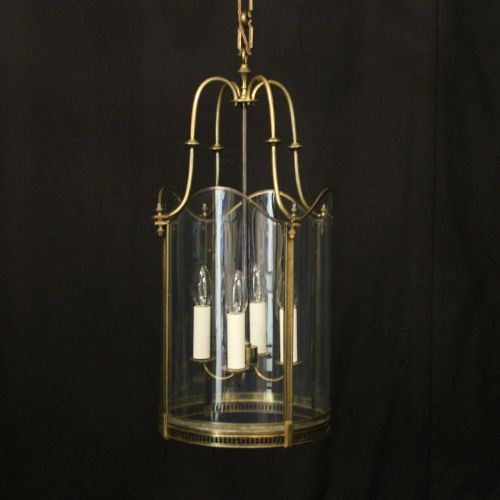
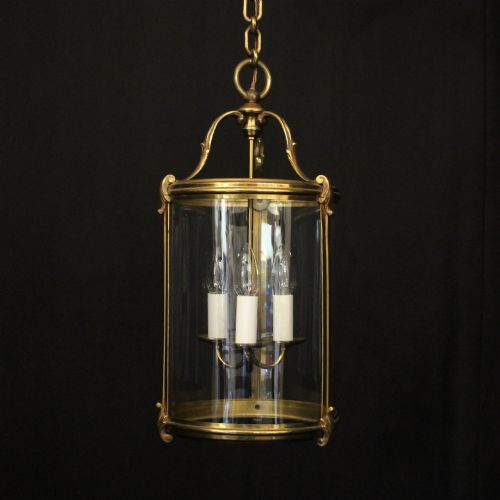
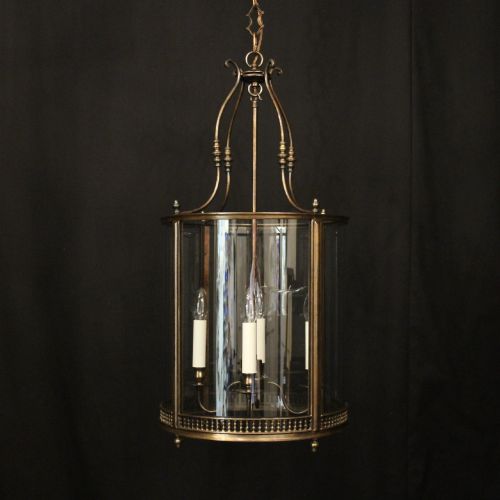
The selection ranges from French gilded bronze and brass lanterns dating to the nineteen-twenties and thirties to nineteenth-century wrought iron and oak seating. Hall lanterns dominate the available forms, often featuring convex glass panels and multiple interior lights.
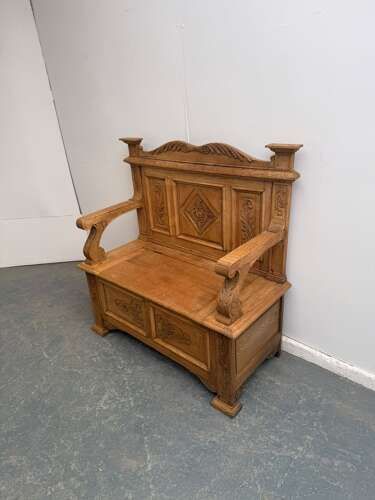
Buyers will encounter stylistic influences spanning French Chateau, English Regency, Edwardian, and Arts and Crafts designs. Oak hall benches and settles provide functional seating alongside the primary illumination pieces.
Materials and construction
Construction relies heavily on metals such as brass, copper, wrought iron, and gilded bronze combined with clear glass panels. Metal frames are cast, forged, or soldered to create secure enclosures for bulbs and candles.
Wooden seating utilises oak, shaped through carving, waxing, and bleaching to achieve distinct finishes. Lanterns incorporate decorative metalwork, including gilt brass and silver-gilded applications, to enhance visual depth.
Materials recorded across the inventory include oak, brass, copper, wrought iron, glass, and gilded bronze.
Judging quality in entryway pieces
Quality rests upon the weight of the metal casting, the clarity and beveling of the glass panels, and the fineness of decorative chasing on bronze and brass. Substantial metalwork and crisp detailing distinguish superior lanterns from simpler utilitarian versions.
For wooden seating, the integrity of the timber, the depth of carving, and the execution of waxed or bleached finishes indicate the standard of craftsmanship. Original gilding and integrated multi-light configurations also elevate the standing of a piece.
The Traditional Entryway Lighting Glossary
- Hall lantern
- A hanging light fixture designed specifically for corridors, vestibules, and entrance halls. These fixtures often feature protective glass enclosures and decorative metal frames.
- Convex glass
- Curved glass panels used in lantern construction to diffuse light and provide a wider angle of illumination. This technique adds considerable dimension to the profile of the fixture.
- Gilded bronze
- Bronze metal treated with a thin layer of gold or gold-coloured leaf. This finish protects the base metal while offering a rich decorative sheen.
- Hall settle
- A wooden bench featuring a high back and often a storage compartment beneath the seat. They served to block draughts in period hallways while providing seating.
- Arts and Crafts
- A design movement emphasising handcraftsmanship and simple materials. Objects from this style prioritize honest construction over excessive ornament.
Traditional Entryway Lighting: Frequently Asked Questions
Where should a hall lantern hang?
Hall lanterns are typically suspended in entrance corridors, stairwells, or high-ceilinged vestibules where they can serve as a central focal point. They need enough clearance beneath them for people to pass safely underneath.
Positioning depends on the ceiling height and the swing of any nearby doors. Most pieces mount securely to ceiling hooks using matching chains or suspension rods.
How do I choose between brass and iron?
Brass and copper fixtures offer a warmer, reflective metallic tone that suits formal French and Edwardian interior schemes. Gilded finishes catch natural light and brighten darker entrance spaces.
Wrought iron and dark metals provide a stronger, more grounded aesthetic connected to Arts and Crafts and nineteenth-century vernacular styles. The choice relies entirely on the architectural context of the hallway.
Can these lights be wired today?
Most antique lanterns adapt readily to modern electrical standards by running internal wiring through the existing suspension paths. Professional electricians can update internal lamp holders while preserving the exterior metal frame.
Care should be taken to select bulb wattages that respect the age and heat tolerance of the original glass and metal housing.
What is a hall settle used for?
Hall settles provide both a place to sit while removing footwear and hidden storage beneath the seat for domestic items. Their high wooden backs traditionally blocked cold draughts from front doors.
In modern entryways, they offer practical organisation alongside historical character.